A dried flower arrangement is a display of flowers, grasses, and seed heads that have been dried and preserved so they last for years instead of days. Unlike fresh flowers, they need no water, no light, and no replacing, which is why they have become one of the most popular ways to bring natural texture into a home.
They also solve the pampas grass problem. Giant pampas plumes look wonderful online but shed everywhere, arrive crushed, and are too big for most rooms. Smaller dried stems like bunny tails give the same soft, feathery look in a size that actually fits a vase and stays put.
This guide covers the simple formula for arranging dried flowers, how to get the pampas look without the mess, how to choose a vase that suits bare stems, and how to keep an arrangement looking good for years. Every stem and vase mentioned is in stock in our dried flowers and natural vases collections.
Why Dried Flowers Are Back (and Beat Fresh for Everyday Decor)
Dried flowers went out of fashion in the 1990s as dusty, brown bundles. They are back because modern drying keeps the color and shape, and because they fit how people want to live now.
- They last for years. A good dried arrangement holds up for one to three years, against about a week for fresh flowers. You arrange it once and enjoy it for seasons.
- No upkeep. No water to change, no stems to trim, no wilting. They suit a mantel, a high shelf, or a holiday home where fresh flowers would die unseen.
- Texture over color. Dried stems bring the thing a neutral room is usually missing, which is texture and movement, without adding a loud color.
- Lower waste. One arrangement that lasts years replaces dozens of cut bouquets, so it is the more sustainable choice for a home you want to keep calm and natural.
They pair naturally with a wabi-sabi or organic-modern room, where the slightly imperfect, faded quality of a dried stem is exactly the point.
How to Arrange Dried Flowers: A Simple Formula
A good dried arrangement uses three kinds of stem, in roughly this balance. Once you see the roles, arranging is quick.
1. A soft, feathery base (the volume). Light, fluffy stems fill the shape and give the arrangement its movement. Bunny tails and pampas-style grasses do this job. Start with these and build a loose, rounded or fan shape.
2. A few points of interest (the focal). Stronger shapes or a spot of color that the eye lands on. Round Craspedia (billy balls) (24.99 EUR), sculptural dried lotus pods (24.99 EUR), or a little color from blue thistle (29.99 EUR) all work.
3. A line or leaf (the structure). A few taller or leafier stems to break the round shape and add height, like dried eucalyptus (29.99 EUR) or wheat stalks (39.99 EUR).
The rules that make it look professional:
- Work in odd numbers. Three types of stem, and odd numbers of the focal pieces, always look more natural than even, matched groups.
- Vary the height. The tallest stems should reach about one and a half to two times the height of the vase. Let some sit lower for depth.
- Turn as you go. Build the arrangement in your hand or in the vase, turning it so it looks full from every side, then trim the stems to length last.
- Less is more. A loose arrangement with space between stems looks more current than a tight, packed dome.
You can buy the three roles as a small starter set: a bunch of bunny tails, some craspedia, and a few wheat stalks will build most arrangements. Browse the full dried flowers range to pick your palette.
Pampas Grass Decor: The Look That Lasts (Without the Mess)

Pampas grass is the stem everyone pictures for this look: tall, soft, feathery plumes in a floor vase. It is beautiful, and it is also the one most people regret buying. Full-size pampas sheds constantly, arrives flattened after shipping, and is too tall for a table or shelf.
The fix is to use smaller, sturdier stems that give the same soft, plume-like effect.
Bunny tails (Lagurus). These are the best pampas alternative for most homes. The Dried Lagurus Ovatus (39.99 EUR, 200 stems) gives you the same soft, fluffy heads at a size that fits a normal vase, sheds far less, and lets you build a full arrangement rather than a single giant plume.
Dried palm and wheat for scale. If you do want height in a floor vase, dried palm leaves (49.99 EUR) and wheat stalks (39.99 EUR) give a tall, architectural look that holds its shape better than pampas and does not shower the floor.
Where pampas-style stems work best: a tall floor vase in a living-room corner, a fan of bunny tails on a shelf, or a low bunch on a coffee table. For the living-room corner, keep the stems to about one and a half times the vase height so they read as a considered arrangement, not an overgrown bush.
Choosing the Right Vase for Dried Flowers

Dried stems have bare, often uneven stalks, so the vase does more work here than it does for fresh flowers. A few simple choices make the difference.
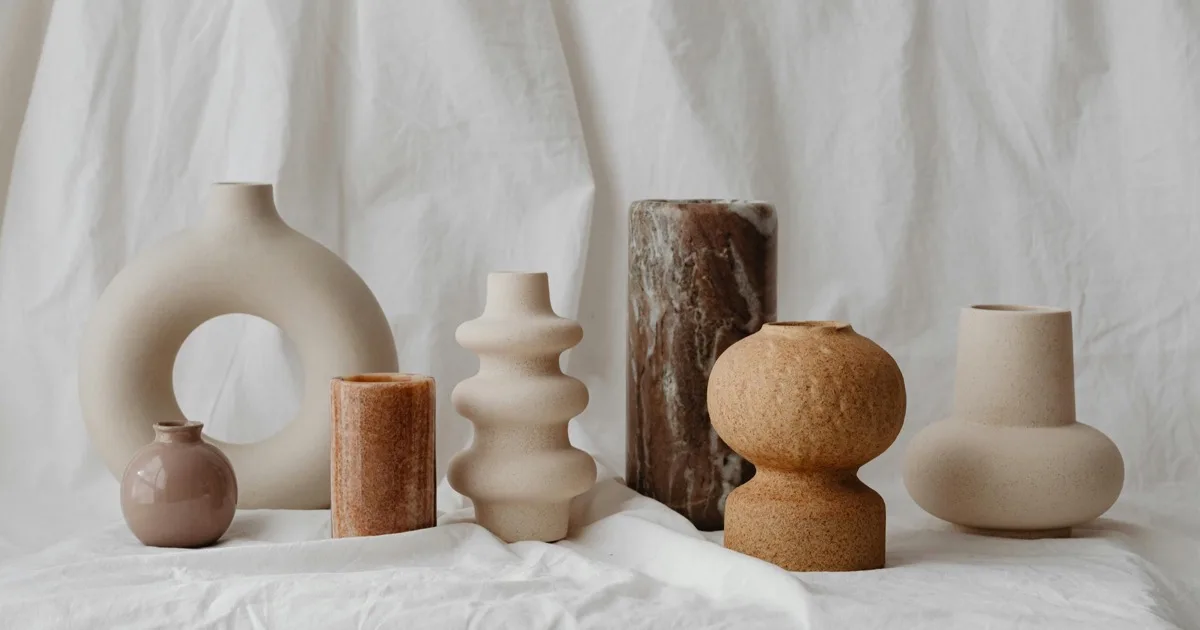
Go opaque, not clear. Clear glass shows the bare dried stems and any that have been cut short. An opaque ceramic, wood, or stone vase hides the stems and lets the tops do the talking. The Vintage Wooden Dried Flower Vase EMU (24.99 EUR) is made for exactly this and is an easy first buy, while the Black Wooden Vase NATRE (129.99 EUR) makes more of a statement.
Match the vase height to the stems. For tall pampas-style arrangements, use a floor vase. The Handmade Floor Vase METRA (139.99 EUR) or the Bamboo Floor Vase MATILDE (139.99 EUR) stand on the floor in a corner and take long stems without toppling. For a small arrangement on a shelf, a bud vase like the Decorative Stone Bud Vase (49.99 EUR) holds a few stems neatly.
Weight matters. Dried arrangements are very light, so a tall, top-heavy bunch can tip a light vase. A heavier stone, ceramic, or wood vase keeps it stable. If a vase is too light, drop a few pebbles in the bottom.
Narrow necks hold the shape. A vase that narrows at the top holds loose stems in the fan you arranged instead of letting them slump. See the full natural vases range, and our ceramic vase guide for choosing shapes.
Where to Put Dried Flowers in Every Room
Because they need no light or water, dried flowers go where fresh ones cannot. A few ideas by room:
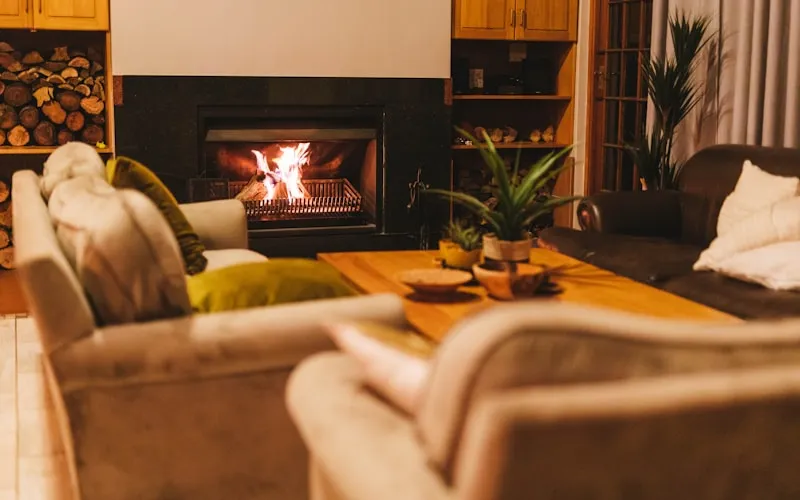
Living room. A tall floor vase of bunny tails or palm in a corner is the classic pampas-grass-in-the-living-room look. On the coffee table, keep it low: a small bunch in a short vase so it does not block the view across the sofa. Our coffee table decor guide covers the low-arrangement rule.
Bedroom. A soft bunch of bunny tails or dried lavender (29.99 EUR) on a dresser or nightstand adds calm without the pollen or upkeep of fresh flowers. Lavender brings a faint natural scent as a bonus.
Entryway. A single striking stem or a small arrangement on a console or stool greets people at the door and never wilts while you are away.
Bathroom. Dried flowers handle the humidity swings of a bathroom far better than fresh, so a small vase of eucalyptus (29.99 EUR) adds a spa-like touch by the basin.
Shelves and mantels. A low, wide bunch or a fan of grasses breaks up a run of books and objects. This is the easiest way to add the movement a styled shelf needs.
Color, Texture, and Seasonal Swaps

The base of a dried arrangement is usually natural and neutral, which is why it suits almost any room. Add and swap a few stems to shift the mood or match the season.
Keep it neutral, all year. Cream bunny tails, golden wheat, and pale grasses give a soft, calm arrangement that works in any month. This is the safe, timeless base.
Add color in small amounts. A few stems of blue thistle (29.99 EUR), yellow craspedia (24.99 EUR), or a colored bunch like the Natural Dried Flowers (24.99 EUR, several colors) lift a neutral arrangement without taking it over.
Swap by season. Golden wheat stalks and warm tones for autumn; airy baby's breath (19.99 EUR) and pale grasses for spring and summer; sculptural lotus pods (24.99 EUR) and deeper tones for winter. Because you swap a stem or two rather than the whole arrangement, a seasonal refresh costs a few euros, not a new bouquet every week.
How to Keep Dried Flowers Looking Good for Years
Dried flowers are low-maintenance, but a little care is the difference between an arrangement that lasts three years and one that fades in six months.
- Keep them out of direct sun. Strong sunlight is the main thing that fades dried flowers. A spot with bright but indirect light keeps the color for years.
- Keep them dry. Dried stems can reabsorb moisture and go limp or mouldy in a damp room. Avoid steamy bathrooms for delicate stems, and never add water to the vase.
- Dust gently. Every few weeks, blow the dust off with a hairdryer on a cool, low setting, or dust lightly with a soft make-up brush. Do not use water.
- Manage shedding. Fluffy stems like bunny tails and pampas can shed. A very light mist of unscented hairspray from a distance, done outdoors before you arrange, holds the fluff in place and cuts the mess. This is the trick florists use.
- Refresh, do not replace. When a few stems fade, pull them and add new ones rather than redoing the whole arrangement. The vase and the base stems carry on for years.
How long do they last? With this care, most dried flowers look good for one to three years. Bunny tails, wheat, and palm are among the longest-lasting; softer petals fade sooner. When the color finally dulls, that faded quality still suits a natural, wabi-sabi room, so many people keep them longer still.
Dried flower arrangements give you the texture and movement of fresh flowers with none of the upkeep, and they last for years instead of days. Build them from three roles, a soft base, a focal point, and a line or leaf, keep the arrangement loose and odd-numbered, and stand it in an opaque vase that suits bare stems.
To start, pick up a bunch of bunny tails for the pampas look, a few craspedia or wheat stalks for interest, and a vase to suit the height. Browse the full dried flowers collection to build an arrangement that lasts for years.
Frequently Asked Questions
Enjoyed this guide?
Share it with someone who'd find it useful