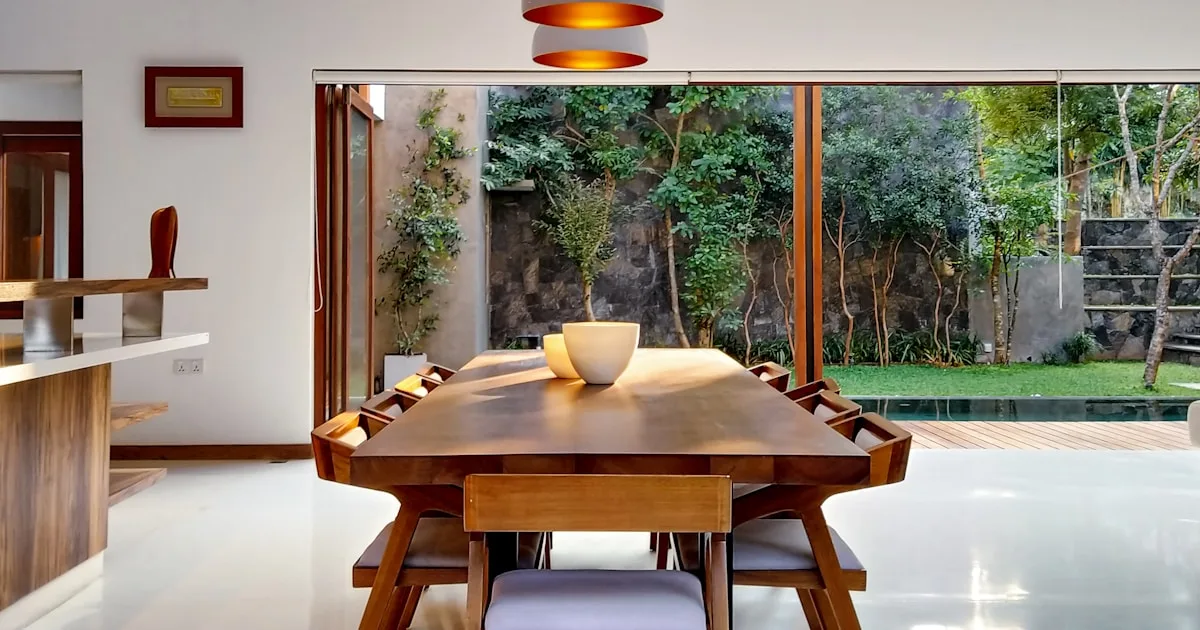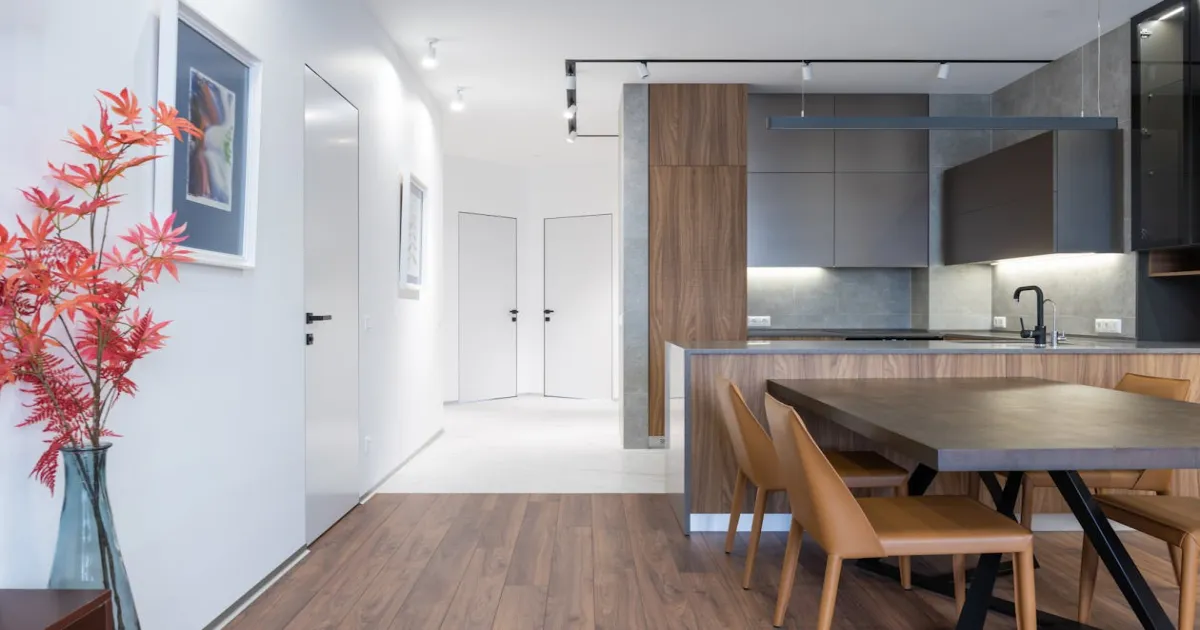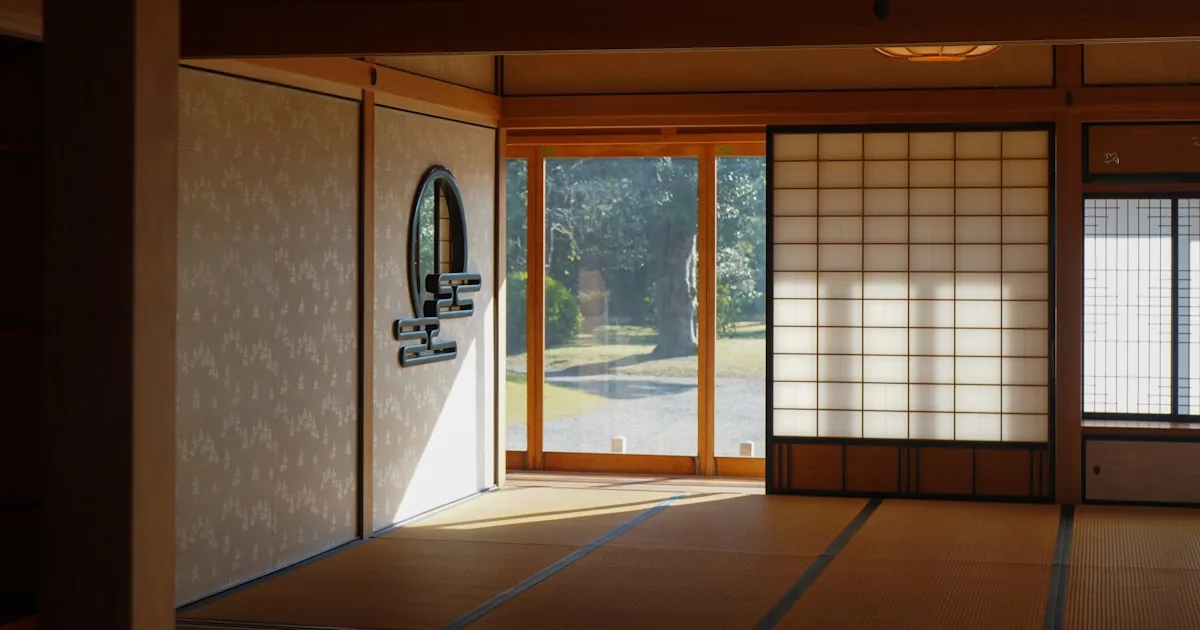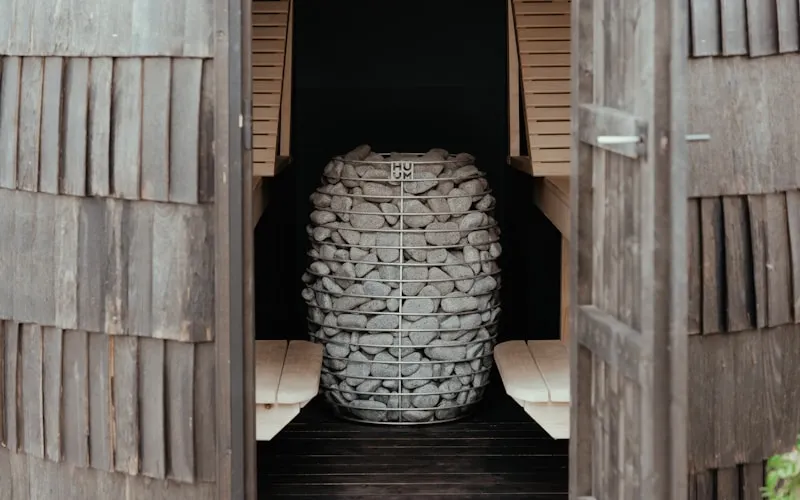
Wabi-sabi is the Japanese habit of finding beauty in things that are imperfect, aged, and made by hand. As a way to decorate, it means a calm, uncluttered home built from natural materials that show their age and their making: wood with knots and grain, stone with veins, clay with a thumbprint in the glaze.
It is the opposite of the showroom look. Nothing is shiny, matched, or mass-produced. A wabi-sabi room feels lived-in and quiet, with a few honest pieces instead of many perfect ones. If you like Japandi or organic modern but want something warmer and rougher around the edges, this is the look for you.
This guide explains what wabi-sabi means, what it looks like at home, and how to build it with handmade pieces from our organic modern decor, wooden stool, and travertine and marble collections.
What Is Wabi-Sabi? The Meaning Behind the Style
Wabi-sabi comes from two old Japanese words. Wabi first meant the loneliness of living simply, away from society, and over time came to mean a quiet, understated kind of beauty. Sabi meant the wear that comes with age, and the grace an object gains as time marks it. Together, wabi-sabi is the view that nothing lasts, nothing is finished, and nothing is perfect, and that this is exactly what makes things beautiful.
Japanese wabi-sabi grew out of the tea ceremony of the 15th and 16th centuries, where a plain, slightly uneven clay bowl was prized over a flawless one. The handmade bowl had character. The perfect one had nothing to say.
As a decorating style, wabi-sabi turns that idea into a few simple rules:
- Choose handmade over machine-made. Small irregularities are the point, not a flaw to hide.
- Let materials age. Wood that darkens, brass that dulls, linen that softens and creases. Patina is welcome.
- Keep it spare. Empty space matters as much as the objects in it.
- Stay natural and neutral. Earth colors, raw textures, and light from real materials rather than gloss.
You do not need to buy into the whole philosophy to use the look. But knowing where it comes from helps you make choices that feel honest rather than staged.
What Wabi-Sabi Looks Like at Home

The wabi-sabi aesthetic is easy to recognize once you know the signs. Surfaces are matte, not glossy. Shapes are slightly off, not machine-perfect. The palette is quiet, and there is room to breathe between pieces.
Texture does the work that color and pattern do in other styles. Rough plaster, raw wood, woven fibers, and unpolished stone give a wabi-sabi room its depth. A handmade wood stool like the Rustic Wabi-Sabi T-Shape Wood Stool shows this well: the timber keeps its natural cracks and grain instead of being sanded into something anonymous. Used as a side table or a plant stand, a piece like this carries the whole idea on its own.
Imperfection is kept, not corrected. A live edge on a table, a crack filled rather than hidden, a glaze that pooled unevenly. These are the marks wabi-sabi looks for. The Natural Imperfection Handcrafted Wood Side Table is named for exactly this, and the Wabi-Sabi Elm Wood Side Table keeps the elm's open grain on show.
Less, but better. Wabi-sabi rooms hold fewer objects than most. The few that stay should be worth looking at slowly. Clear the surfaces, then add back only what earns its place.
The Wabi-Sabi Color Palette
Wabi-sabi colors come from nature, not from a paint trend. Think of the colors you would find on a walk: bare earth, river stone, dry grass, weathered wood, and overcast sky.
Base tones: warm white, oatmeal, sand, taupe, and soft greige. These cover walls, large furniture, and textiles.
Deeper tones for contrast: clay, terracotta, mushroom, charcoal, and muddy green. Use these in small amounts on a cushion, a vase, or a single wall.
What to avoid: bright, saturated, or cool blue-white colors, and anything that looks plastic or printed. If a color feels loud, it is probably not wabi-sabi.
Keep contrast low. Instead of pairing black with white, layer five or six close neutrals so the room reads as calm rather than graphic. A stone-toned cushion such as the Beige Tufted Cushion Cover, with its natural weave and undyed fiber, adds warmth and texture without breaking the quiet. For more on building a nature-led palette, see our natural interior design guide.
Materials and Pieces That Define Wabi-Sabi Decor

Wabi-sabi is built from a short list of honest materials. Get these right and the look follows.
Raw and aged wood. Solid wood with visible grain, knots, and a matte oiled finish. Stools and small side tables are the easiest way in, since they add the material without filling the room. Browse the natural wooden stools for live-edge and wabi-sabi shapes.
Natural stone. Travertine and unpolished marble bring weight and quiet pattern. Small stone objects do a lot of work here: the Wabi-Sabi Travertine Bookends hold a shelf together, the Wabi-Sabi Marble Arch Ornament works as a simple sculpture, and the Travertine Marble Storage Jar hides clutter on a counter. See the full travertine and marble decor range.
Handmade ceramics. Hand-thrown vases and bowls with uneven glaze are pure wabi-sabi: each glaze variation is the mark of the maker's hand, not a defect. A piece like the Handmade Nordic Minimalist Brushed Ceramic Vase holds a single dried branch and needs nothing else. Our natural vases collection is a good place to start, and our ceramic vase guide goes deeper on choosing and styling them.
Woven fiber and soft linen. Rattan, seagrass, and washed linen add the rough, tactile layer. Use woven baskets for storage you do not want to hide and linen textiles for bedding and cushions that crease the way wabi-sabi likes. The creases are part of the look, not a flaw, and washed linen only gets softer with use.
Dried botanicals. Instead of fresh-cut flowers, wabi-sabi leans on dried grasses and branches that fade slowly. A few stems from our dried pampas and flowers in a stone or ceramic vase fit the season-by-season idea at the heart of the style.
Wabi-Sabi vs Japandi vs Minimalism
These three styles look similar at a glance and often get mixed up. Here is how they differ.
| Style | Core idea | Feeling | Surfaces |
|---|---|---|---|
| Wabi-sabi | Beauty in imperfection and age | Warm, rough, lived-in | Raw, matte, handmade |
| Japandi | Japanese craft plus Scandinavian function | Calm, balanced, refined | Clean but natural |
| Minimalism | Only what is needed | Sharp, quiet, controlled | Smooth, often glossy |
Wabi-sabi is the warmest and roughest of the three. It wants character, patina, and the marks of the maker. A cracked glaze or a worn edge is a feature.
Japandi shares wabi-sabi's love of natural materials but keeps things tidier and more balanced. It is wabi-sabi with the corners squared off. Read the full Japandi guide if that middle ground appeals to you.
Minimalism can feel cold next to the other two, because it values clean lines and smooth surfaces over texture and age. Wabi-sabi keeps the spare quality of minimalism but trades the polish for warmth.
You can blend them. A wabi-sabi room with Japandi furniture and a minimalist sense of order is a comfortable, popular place to land.
Wabi-Sabi Living Room and Bedroom

The wabi-sabi living room. Start with a low, simple sofa in oatmeal or sand linen, then keep the surrounding pieces few and natural. A solid wood or stone coffee table. A handmade stool used as a side table. A woven basket for throws. One or two ceramic vases with dried stems. Lighting matters more than people expect: skip the bright ceiling fixture and use a soft, low light instead. A woven pendant such as the Japanese Rattan Wabi-Sabi Pendant Light or the Brown Rattan Wabi-Sabi Chandelier throws a warm, broken pattern of light and shadow that suits the style. See more in the natural lighting collection. If your living room is small, our small living room ideas pair well with this pared-back approach.
The wabi-sabi bedroom. The bedroom is where wabi-sabi feels most natural, because the look is calm by design. Use layered linen bedding in close, undyed tones and let it wrinkle. Keep a single wood stool or stool-height side table by the bed instead of a matched nightstand set. Add a low light and a stone or ceramic object on the dresser. Leave the walls mostly bare, with one piece of simple art or none at all. The goal is a room that feels settled and quiet, not styled.
Small touches that read as wabi-sabi anywhere: a dried branch in a hand-thrown vase, a stack of two travertine bookends, a worn wood tray holding everyday objects, and a woven basket left in plain sight.
How to Start a Wabi-Sabi Look (Without Replacing Everything)
You do not need to redo a room to get the feeling. Wabi-sabi rewards small, slow changes.
- Clear first. Take everything off one surface, then put back only two or three things you genuinely like. Empty space is part of the look and costs nothing.
- Add one honest material. A single handmade wood stool or a stone object changes the feel of a corner more than a whole shopping trip of matched decor.
- Swap shiny for matte. Replace a glossy vase or a chrome accessory with something raw and natural. Trade fresh flowers for dried stems that age in place.
- Soften the light. Move away from one bright overhead bulb toward a low, warm light. A woven shade does most of the work.
- Let things age. Stop hiding wear. A darkening wood, a softening linen, and a dulling brass are all working in your favor.
A wabi-sabi home is never really finished, which is the point. Add slowly, choose pieces you can live with for years (handmade wood and stone are built to age, not to wear out), and let the room settle over time. For a first anchor piece, start with a wooden stool, a travertine object, or a hand-thrown ceramic vase.
Wabi-sabi is a restful answer to homes that feel too busy or too perfect. It asks for less, not more: fewer objects, natural materials, and pieces that are allowed to age. The result is a space that feels calm, personal, and easy to live in.
If you want to begin, start with one handmade anchor piece and build out slowly. A wooden stool with real grain, a travertine object with quiet veining, a hand-thrown ceramic vase, and a soft, woven light will carry the look on their own. Everything else is space, time, and a little patina.
Frequently Asked Questions
Enjoyed this guide?
Share it with someone who'd find it useful