Natural interior design is the practice of creating living spaces that reflect, honor, and reconnect us to the natural world. In an era when most people spend over 90% of their time indoors, our interiors have become our primary environment - and designing them with nature in mind is not just an aesthetic choice but a profound act of wellbeing.
This guide covers natural interior design from two perspectives: the practical (which materials, colors, and elements to use) and the holistic (how your environment affects your physical health, mental clarity, and emotional balance). Whether you are drawn to the visual beauty of organic materials or the wellness benefits of biophilic design, you will find a complete framework for creating spaces that feel alive, grounded, and genuinely nourishing.
What Is Natural Interior Design?
Natural interior design places the natural world at the center of every design decision. It goes beyond simply adding a houseplant to a shelf - it is a comprehensive approach that considers materials, light, air, color, texture, and even sound through the lens of our relationship with nature.
Core principles of natural design:
- Organic materials over synthetic - wood, stone, rattan, linen, cotton, wool, ceramic, and clay are chosen for their origin, texture, and ability to age beautifully
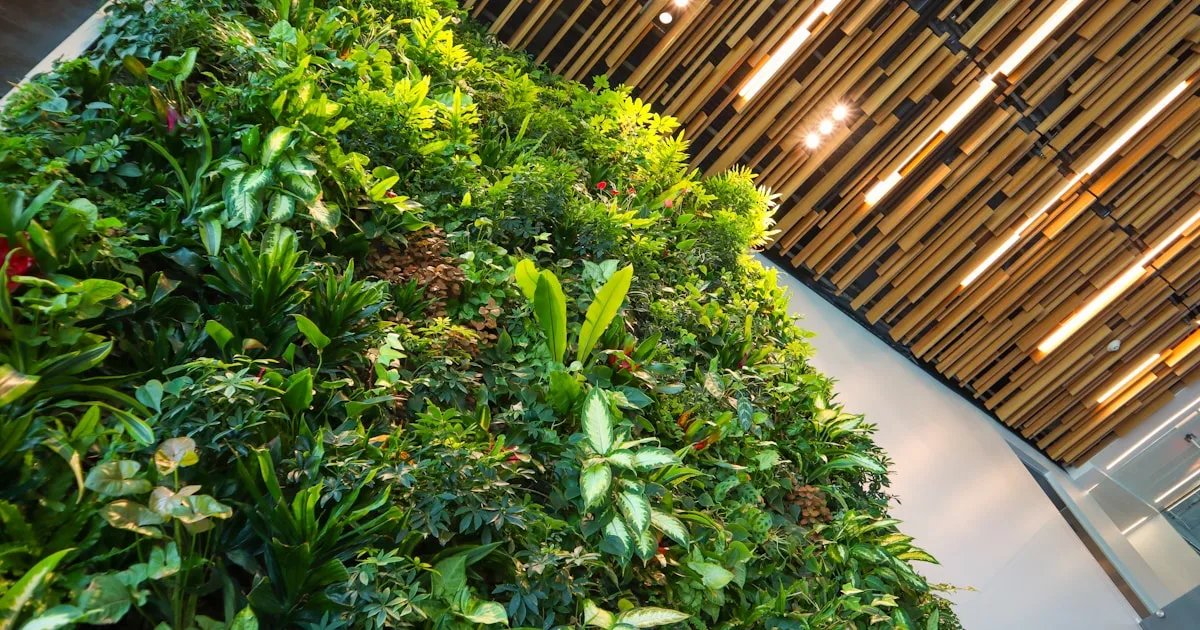
- Biophilic connection - direct references to nature through plants, natural light, water features, natural patterns, and views of the outdoors
- Earth-derived color palettes - colors drawn from landscapes: forest greens, clay reds, sand beiges, stone grays, ocean blues
- Imperfection as beauty - celebrating the irregularities of handmade objects, natural grain patterns, and organic forms rather than machine-perfect uniformity
- Sustainability as standard - natural design inherently favors renewable, biodegradable, and responsibly sourced materials
Natural design also intersects with holistic interior design - the practice of designing spaces that support the whole person: body, mind, and spirit. Holistic design considers how air quality, lighting, acoustics, and material toxicity affect health, and uses design solutions that promote wellness rather than undermine it.
Biophilic Design: The Science of Nature Indoors
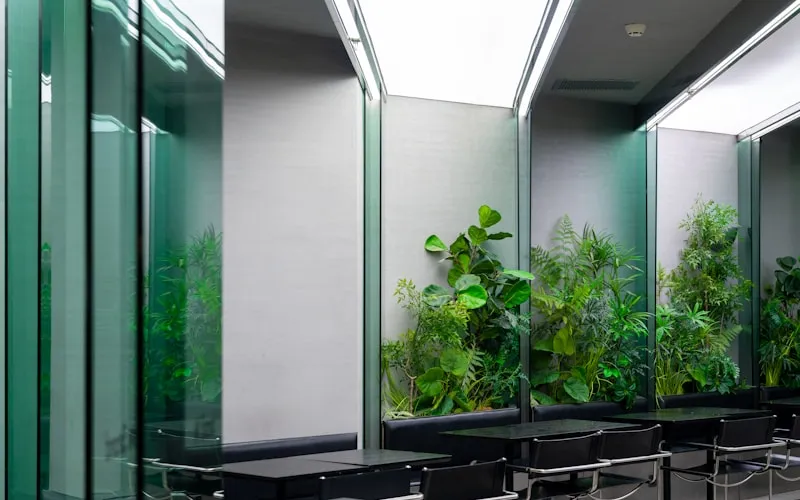
Biophilic design is the evidence-based approach to incorporating nature into built environments. Decades of research show that exposure to natural elements indoors reduces stress, improves cognitive function, enhances creativity, and even accelerates healing.
The three categories of biophilic design:
1. Direct nature experiences:
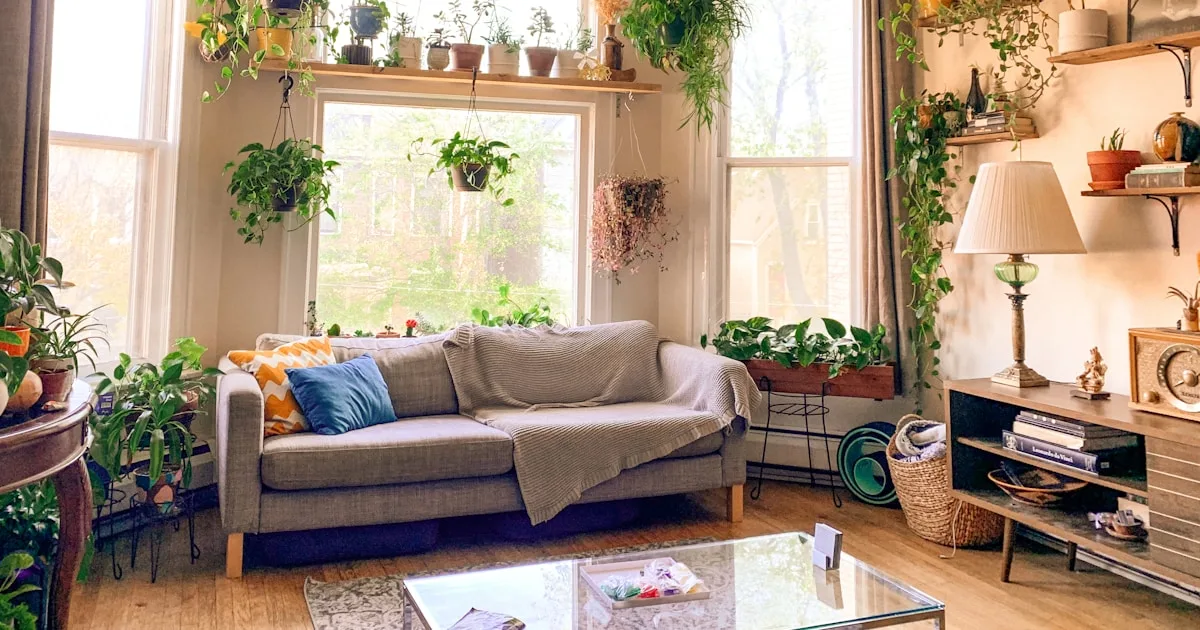
- Indoor plants - from statement trees to trailing vines, living plants clean air and connect us to growth cycles
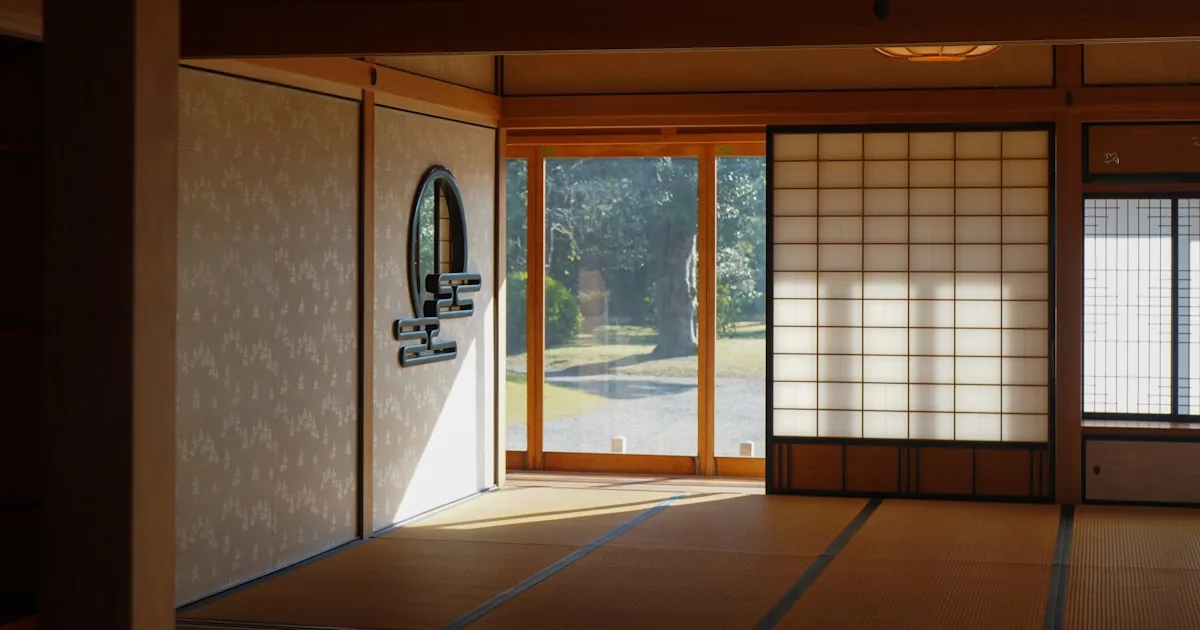
- Natural light - maximizing daylight through window placement, reflective surfaces, and minimal window treatments
- Water features - a small tabletop fountain or water bowl introduces the calming sound and sight of moving water
- Natural ventilation - opening windows for fresh air and natural air circulation when possible
2. Indirect nature references:
- Natural materials - rattan furniture, wooden surfaces, stone counters, and woven baskets bring the textures of the outdoors inside
- Nature-inspired patterns - organic shapes, botanical prints, and fractal patterns (the branching patterns found in trees, rivers, and ferns)
- Earth colors - a palette derived from natural landscapes rather than artificial pigments
- Natural scent - essential oils, dried herbs, beeswax candles, and fresh flowers
3. Spatial qualities found in nature:
- Prospect and refuge - spaces that offer both open views and sheltered nooks (like a cozy reading corner near a window with a garden view)
- Complexity and order - enough visual interest to engage without overwhelming (think of a forest - endlessly detailed yet calming)
- Transitional spaces - gradual changes between indoor and outdoor environments, like covered porches and sunrooms
You do not need to implement every element. Even adding three or four biophilic features to a room measurably improves the sense of wellbeing for its occupants.
The Natural Materials Palette
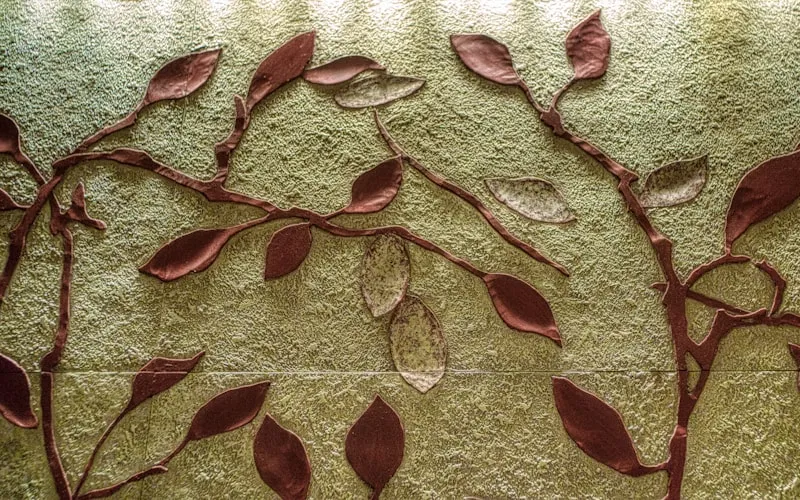
Materials are the foundation of natural interior design. Every surface you touch, see, and interact with should trace back to the earth in a meaningful way.
Wood: The most versatile natural material. Use it for flooring, furniture, shelving, and decorative objects. Favor solid wood with visible grain over laminate or veneer. Mix wood species and finishes for a collected, organic feel - light ash with dark walnut, raw pine with oiled oak.
Rattan and woven fibers: Rattan furniture brings handcrafted warmth and organic texture to any room. Woven fibers also appear as storage baskets, lamp shades, placemats, and wall hangings. The visible weave pattern connects directly to handwork and natural materials - both central to natural design.
Stone: From polished marble to rough-cut granite, stone brings geological permanence and cooling contrast to softer elements. Use it for floors, countertops, bathroom surfaces, and decorative objects.
Linen, cotton, and wool: These are the textiles of natural interiors. Linen and cotton in their natural, undyed states (oatmeal, flax, cream) offer subtle color variation and a soft hand that synthetic fabrics cannot replicate. Wool adds warmth and texture for colder months.
Clay and ceramic: Handmade pottery - bowls, vases, plates, and tiles - connects the home to ancient craft traditions and the element of earth. The irregularities in hand-thrown ceramics are features, not flaws.
What to avoid: Plastic, polyester, synthetic laminates, and heavily processed materials. These disconnect the interior from the natural world both visually and toxicologically - many synthetic materials off-gas volatile organic compounds (VOCs) that compromise indoor air quality. Natural materials breathe, age gracefully, and eventually return to the earth.
Color Palettes Drawn From Nature
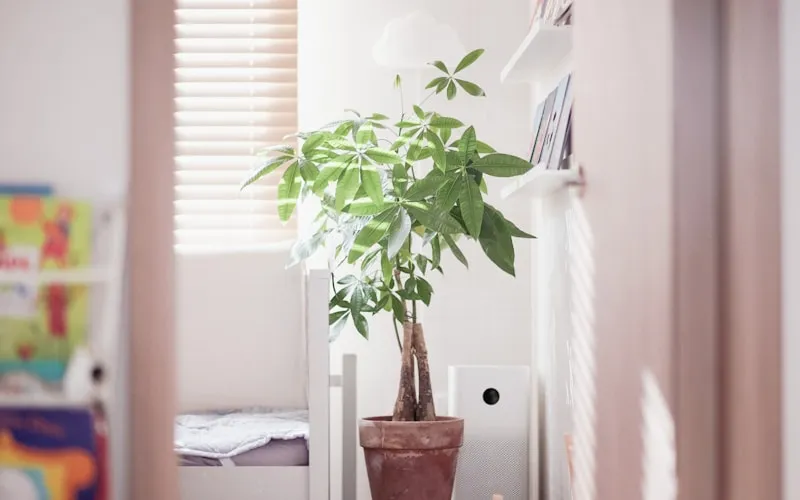
The most effective natural color palettes are not invented - they are observed. Step outside and look at the landscape: every successful natural palette already exists in a meadow, a forest, a coastline, or a desert.
Forest palette: Deep green, moss, bark brown, fern, dappled light gold. Use for rooms that need grounding and calm - bedrooms, studies, meditation spaces.
Coastal palette: Sand, driftwood gray, ocean blue-green, white foam, sun-bleached linen. Light and airy, perfect for living rooms and bathrooms.
Desert palette: Terracotta, sand, dried sage, warm clay, sunset amber. Rich and warm, ideal for living and dining rooms.
Meadow palette: Soft green, wildflower lavender, wheat gold, cloud white, warm earth. Fresh and gentle, wonderful for kitchens and children's rooms.
The practical approach is to choose one landscape as inspiration and draw your entire room palette from it. This ensures natural harmony - because the colors already coexist in nature, they will coexist in your room.
Apply the 60-30-10 rule: 60% dominant neutral (walls, floors, large furniture), 30% secondary tone (upholstery, curtains, rugs), 10% accent color (accessories, art, throw cushions). This ratio creates depth without chaos.
Holistic Design: How Your Space Affects Your Wellbeing
Holistic interior design goes beyond appearance to consider how your environment impacts your health on every level. A beautiful room that gives you headaches from off-gassing furniture or disrupts your sleep with poor lighting is not truly well-designed.
Air quality:
Indoor air is often two to five times more polluted than outdoor air, largely due to synthetic materials, chemical finishes, and inadequate ventilation. Natural design addresses this by choosing low-VOC or zero-VOC paints and finishes, natural-fiber textiles (which do not off-gas like synthetics), solid wood furniture (rather than particleboard with formaldehyde-based glues), and air-purifying plants like snake plants, pothos, and peace lilies.
Natural light and circadian rhythm:
Exposure to natural light regulates your circadian rhythm - the internal clock that governs sleep, energy, and mood. Holistic design maximizes daylight by keeping windows unobstructed, using light-filtering rather than blackout treatments during the day, and positioning workspaces and living areas near the best natural light sources. In the evening, warm artificial lighting (2700K or lower) supports melatonin production and healthy sleep.
Acoustics:
Hard, reflective surfaces create echo and noise stress. Natural materials - wood, linen textiles, wool rugs, and woven rattan - absorb sound, creating quieter, calmer environments. In open-plan spaces, strategic placement of textile elements and natural room dividers can dramatically improve acoustic comfort.
Tactile wellness:
Our sense of touch is underserved in most modern interiors. Holistic design incorporates a variety of natural textures that invite touch - smooth wood, rough stone, soft linen, warm wool - stimulating the tactile sense and creating a richer sensory experience that promotes grounding and relaxation.
Natural Design Room by Room
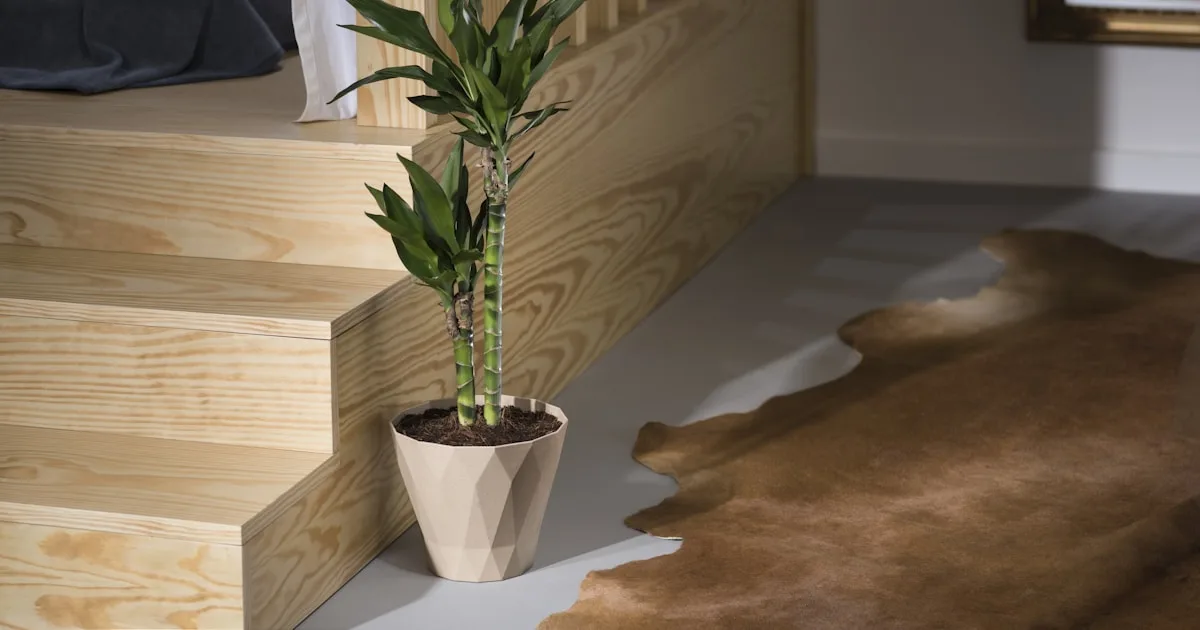
Living Room: This is where natural design shines brightest. A solid wood coffee table as the anchor, a rattan armchair for organic texture, linen cushions and throws in earth tones, a large potted plant or indoor tree for biophilic impact, and a jute or wool rug underfoot. Display collected natural objects - stones, driftwood, dried seed pods - alongside handmade ceramics and woven baskets.
Bedroom: Prioritize air quality and calm. Choose solid wood or rattan bed frames, organic cotton or linen bedding, and a wool throw for texture. Keep surfaces minimal. A single plant, a ceramic lamp, and a wooden bedside shelf are sufficient. Avoid screens and electronics - this is a holistic principle that dramatically improves sleep quality.
Kitchen: Open wooden shelving displaying handmade pottery and glass jars of dried goods. Wooden cutting boards and serving pieces as permanent countertop elements. A herb garden on the windowsill brings living nature into the most-used room. Natural stone or wood countertops, and linen dish towels instead of synthetic.
Bathroom: Natural stone tiles, a wooden bath mat, plants that thrive in humidity (ferns, orchids, air plants), and woven baskets for towels and storage. Replace plastic bottles with refillable glass or ceramic dispensers. A wooden stool for sitting or holding towels adds warmth.
Home Office: Natural light is essential - position the desk near a window. Add a desktop plant, use a solid wood desk, and organize with natural fiber baskets and ceramic containers. A rattan chair or wooden seat adds character. Good air quality and natural light in the workspace measurably improve focus and reduce fatigue.
Sourcing Natural Design Sustainably
Natural design and sustainable design are deeply intertwined, but not automatically identical. A marble countertop is natural but may have been quarried unsustainably. A linen shirt is natural but may have been produced in exploitative conditions. Intentional sourcing is what bridges natural aesthetics with genuine sustainability.
Questions to ask before purchasing:
- Is this material renewable? (Rattan and bamboo regrow quickly; old-growth hardwood does not)
- Is this product handcrafted or mass-produced? Artisan production typically has a lower environmental footprint and supports traditional livelihoods
- Will this item last? A well-made piece used for twenty years has far less environmental impact than five cheap replacements
- What happens at end of life? Natural materials biodegrade; plastic and synthetic blends do not
- How far has this item traveled? Locally or regionally made items have lower transportation emissions
Supporting artisan makers is one of the most effective sustainable choices. Handcrafted rattan furniture, hand-thrown pottery, hand-loomed textiles, and hand-carved wood pieces represent living craft traditions that are inherently small-scale, low-waste, and community-supporting.
Secondhand and vintage natural materials are also excellent options. Old wood develops a patina that new wood cannot replicate. Vintage ceramics carry history. Antique textiles have a softness that only comes from decades of use. In natural design, age is an asset, not a liability.
Natural interior design is a return to something fundamental - the recognition that we are part of nature, not separate from it, and that our homes should reflect that connection. When surrounded by organic materials, natural light, living plants, and earth-derived colors, we feel calmer, healthier, and more grounded. This is not opinion; it is increasingly well-documented science.
Start where it matters most to you. Replace synthetic textiles with natural linen and cotton. Introduce the organic warmth of rattan furniture. Swap plastic storage for woven baskets. Add plants, maximize daylight, and choose handcrafted accessories that carry the mark of a human hand.
Each natural choice is a small act of alignment - bringing your indoor world closer to the outdoor world we evolved to thrive in. And that alignment, over time, transforms not just how your home looks, but how it makes you feel.
Frequently Asked Questions
Enjoyed this guide?
Share it with someone who'd find it useful