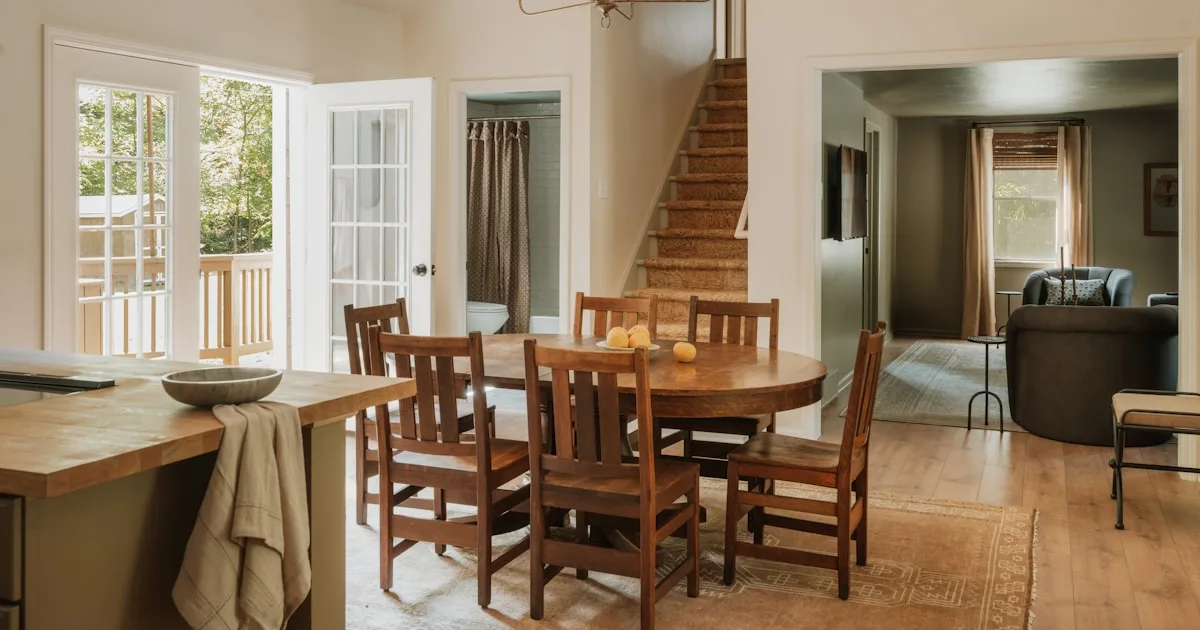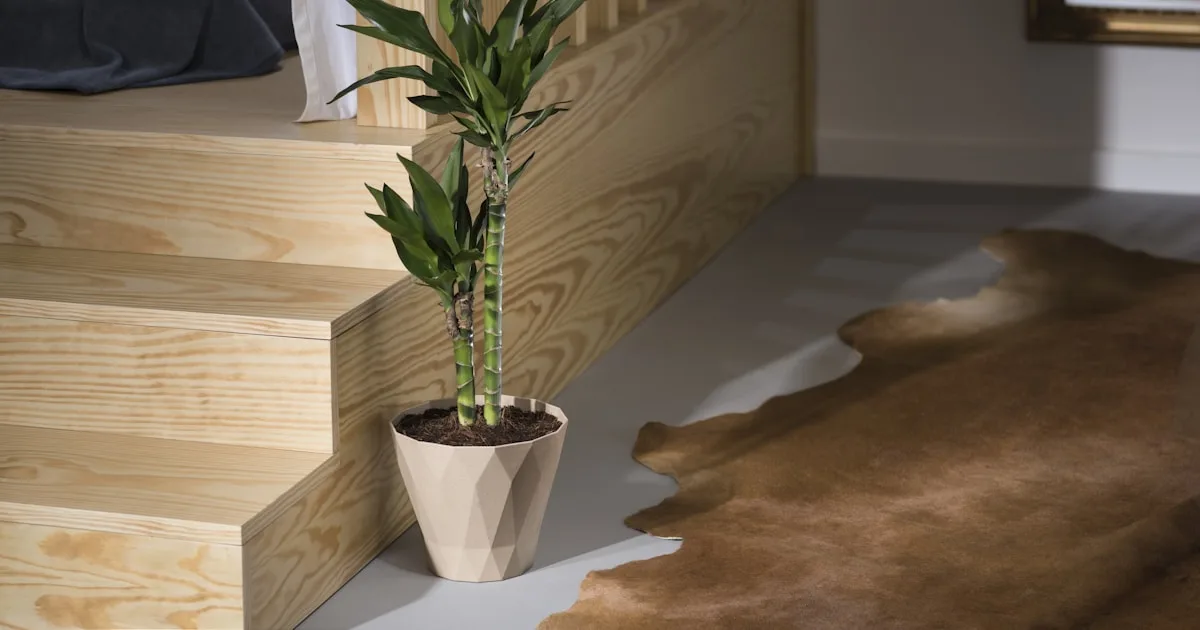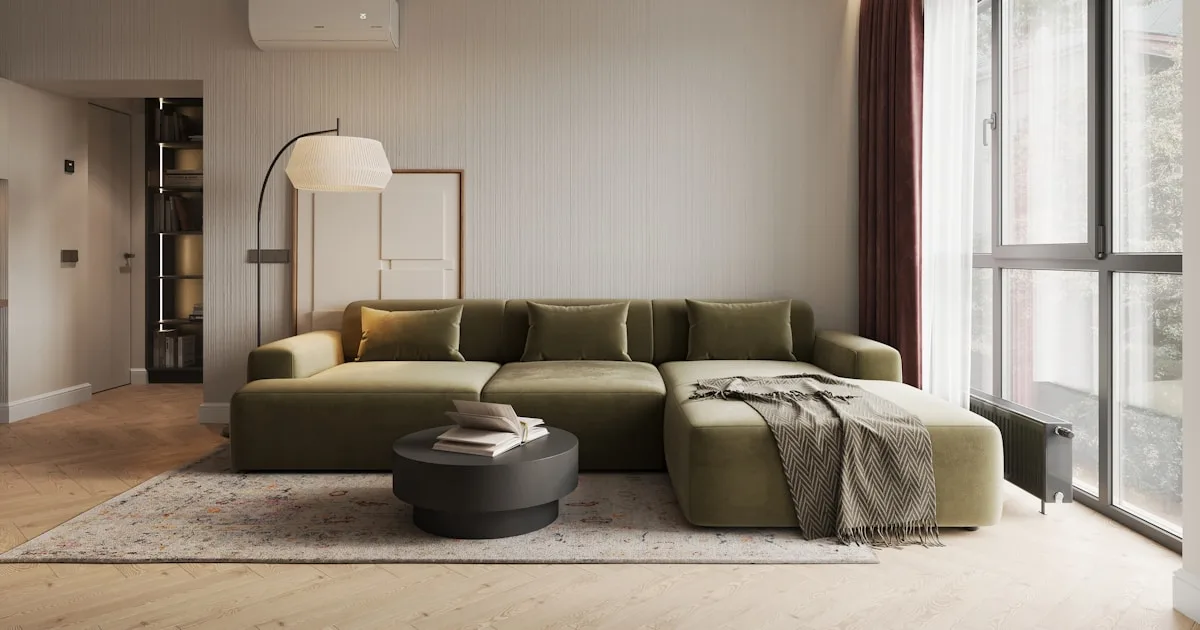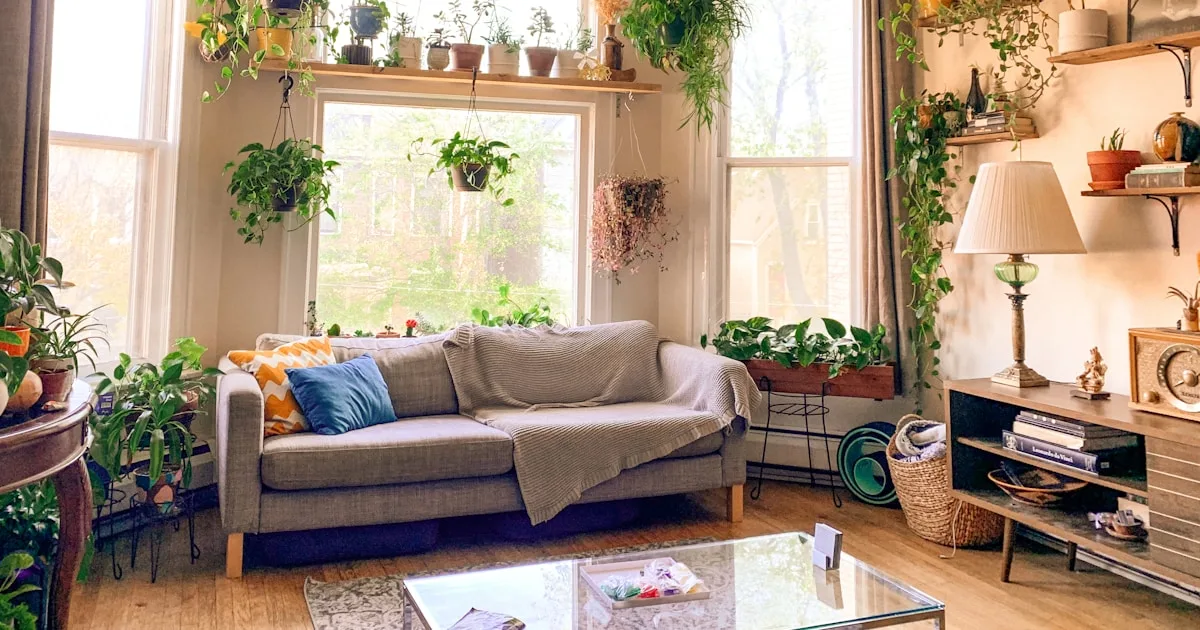
Boho interior design is more than a decorating trend - it is a philosophy of living that embraces individuality, warmth, and creative self-expression. Rooted in the free-spirited bohemian movement, boho style celebrates the beauty of collected objects, handcrafted textures, and the rich tapestry of global influences woven into a single, deeply personal space.
Unlike rigid design formulas, bohemian interiors thrive on the unexpected. A hand-woven basket from Southeast Asia sits beside a vintage Moroccan rug, a rattan peacock chair anchors a corner filled with trailing plants, and layers of linen and cotton textiles soften every surface. The result is a home that feels lived-in, storied, and irresistibly inviting.
This guide walks you through everything you need to know about creating authentic boho interior design - from the core principles and color palettes to practical room-by-room advice and sustainable sourcing tips.
What Is Boho Interior Design? Origins & Core Principles
Bohemian interior design draws its name from the "bohemians" - artists, writers, and wanderers of 19th-century Europe who rejected conventional lifestyles in favor of creative freedom. Their living spaces reflected this ethos: filled with collected treasures, handmade objects, and a deliberate disregard for matching sets and symmetrical arrangements.
Today's boho interior design carries that same spirit but has evolved into a more refined aesthetic. Modern bohemian style balances eclecticism with intentionality, creating spaces that feel curated rather than chaotic.
The five core principles of boho interior design:
- Layering - Textures, patterns, and materials are stacked and overlapped to create visual richness. Multiple rugs, throw pillows, draped textiles, and woven wall hangings build depth in a room.
- Natural materials - Wood, rattan, jute, cotton, linen, and clay form the backbone of boho spaces. These materials bring warmth and connect the interior to the natural world.
- Global influences - Bohemian style draws from cultures worldwide - Moroccan tile patterns, Indian block prints, African mudcloth, Japanese ceramics. This global perspective creates rich, storied interiors.
- Handcrafted character - Mass-produced furniture is replaced with artisan-made pieces that show the maker's hand. Imperfections are celebrated, not hidden.
- Personal expression - Above all, a boho home reflects its inhabitants. Collected objects, travel souvenirs, inherited pieces, and art you love all have a place.
The beauty of bohemian design is its flexibility. There is no single "correct" way to do boho - your version of bohemian style will be uniquely yours, shaped by your experiences, travels, and aesthetic sensibility.
The Bohemian Color Palette: Warm, Earthy & Richly Layered
The boho color palette is grounded in nature but unafraid of richness and saturation. Unlike minimalist styles that limit themselves to neutrals, bohemian interiors embrace a wider spectrum - always tied together by earthy undertones.
The foundation - warm neutrals:
- Warm white and cream - Walls in boho spaces are typically warm white, providing a clean backdrop that lets textiles and objects shine without competing.
- Sand and camel - These warm mid-tones appear in natural wood furniture, jute rugs, and woven baskets, creating continuity across the room.
- Rich brown and chocolate - Leather, dark wood, and earth-toned ceramics ground the space with warmth and depth.
The accent layer - saturated earth tones:
- Terracotta and burnt orange - Perhaps the most iconic boho colors, these warm, spicy tones appear in cushions, pottery, and textiles.
- Mustard yellow - A golden, sun-drenched hue that brings energy without harshness.
- Deep teal and indigo - Cool counterpoints to the warm palette, these jewel tones add sophistication in smaller doses.
- Dusty rose and mauve - Soft, feminine tones that add romance when layered through pillows and throws.
- Sage and olive green - Nature-inspired greens that connect interior spaces to the plant life that is essential to boho design.
The key to a successful boho palette is layering these colors in varying proportions. Let neutrals dominate (around 60%), bring in your warm earth tones as secondary colors (around 30%), and add pops of deeper jewel tones as accents (around 10%). The proportions create visual harmony while still feeling eclectic and collected over time.
When selecting textiles and accessories, look for pieces that bridge multiple colors in your palette - a throw pillow with terracotta, cream, and a touch of indigo naturally ties together different elements in the room.
Natural Materials: The Heart of Bohemian Interiors
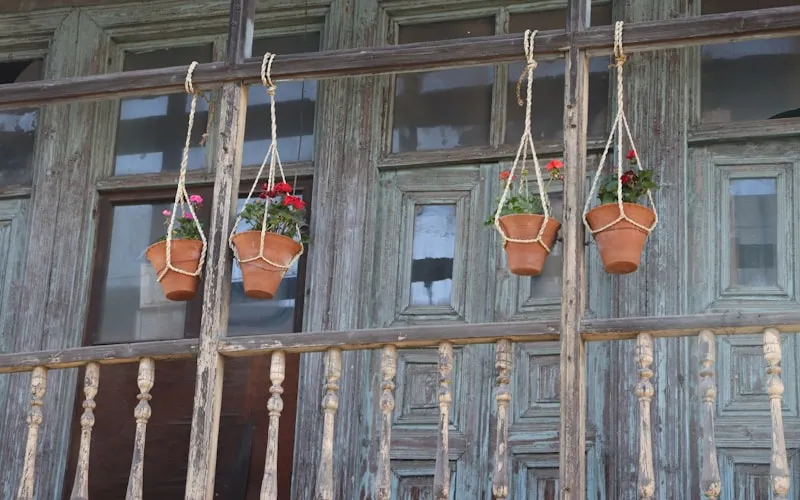
If there is one non-negotiable element in boho interior design, it is the presence of natural materials. Bohemian spaces feel alive precisely because they are filled with organic textures - the roughness of jute, the warmth of wood, the suppleness of leather, the intricacy of hand-woven rattan.
Rattan and wicker: These are quintessential boho materials. A rattan peacock chair, a wicker hanging planter, or a cane-backed dining chair instantly signals bohemian style. Rattan is lightweight, sustainable, and ages beautifully - it develops character over time rather than deteriorating. Our rattan furniture collection includes pieces that are handcrafted by skilled artisans, ensuring each item carries the warmth and individuality that defines boho style.
Wood: From live-edge coffee tables to carved wooden stools, wood brings grounding warmth to boho spaces. Look for pieces that celebrate the natural grain and shape of the timber. Wooden stools work beautifully as plant stands, side tables, or extra seating - their versatility is very much in the bohemian spirit.
Natural fibers: Jute, sisal, cotton, and linen are the workhorses of boho textiles. Jute rugs anchor living spaces, cotton throws drape over sofas, and linen curtains filter light softly. These fibers bring tactile variety - some rough, some smooth, some nubby - that makes a room feel dynamic and touchable.
Clay and ceramic: Handmade pottery is essential to boho decor. Terracotta planters, ceramic vases with organic shapes, and clay bowls add an artisanal quality that mass-produced items simply cannot replicate.
Woven baskets: Perhaps no single object is more "boho" than a handwoven basket. Use baskets for storage, as wall decor, as planters, or stacked in corners for a collected look. The variety of weaving techniques, shapes, and sizes means baskets can serve dozens of functions while adding texture and warmth.
The interplay of these materials creates the layered, tactile quality that makes bohemian interiors feel so engaging. Every surface invites touch, every corner reveals another texture, and the overall effect is a space that feels richly, authentically human.
Layering Textiles & Mixing Patterns Like a Boho Pro
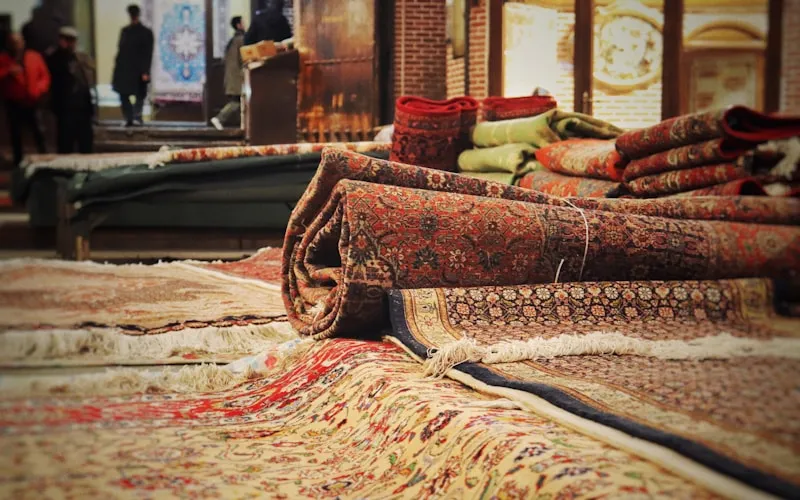
Textiles are the secret weapon of boho interior design. They are what transforms a simple room into a bohemian sanctuary - adding color, pattern, softness, and personality in one generous swoop.
The art of layering:
Bohemian spaces are defined by their generous use of textiles. Start with a large, neutral-toned area rug - jute or sisal works perfectly - and layer a smaller, patterned rug on top at an angle. Drape throws over sofas and chairs. Stack cushions in varying sizes and textures. Hang a textile on the wall as art. Each layer adds warmth and visual interest.
How to mix patterns without creating chaos:
- Vary the scale - Combine large-scale patterns (bold geometric prints) with medium-scale patterns (paisley, botanical) and small-scale patterns (fine stripes, subtle textures). The contrast in scale prevents patterns from competing.
- Maintain color continuity - Even when mixing wildly different patterns, keep them within your established color palette. A Moroccan-inspired geometric cushion and a floral Indian print will harmonize beautifully if they share terracotta and cream tones.
- Add solid neutrals - Between patterned pieces, include solid-colored textiles in natural tones. These act as visual rest stops that let the eye absorb each pattern individually.
- Embrace different textures - A smooth silk cushion, a chunky knit throw, a flat-weave rug, and a macrame wall hanging can all coexist because their textural differences create contrast rather than conflict.
Essential boho textiles:
- Macrame - Wall hangings, plant holders, and table runners in knotted cotton rope
- Kilim and dhurrie rugs - Flat-weave rugs with geometric patterns in earthy tones
- Block-printed fabrics - Hand-stamped cotton and linen in botanical or geometric motifs
- Mudcloth - Traditional West African textile with bold, graphic patterns
- Linen throws and cushion covers - Natural, breathable, and perfectly imperfect
Remember that boho textiles should look collected over time, not purchased as a matching set. If everything coordinates too perfectly, it loses the authentic bohemian feeling. Embrace the slight mismatch - that is where the character lives.
Designing a Boho Living Room: The Complete Blueprint
The living room is often the heart of a bohemian home - the space where all the principles of boho design come together most fully. Here is how to create a boho living room that feels both eclectic and cohesive.
Seating: Forget the matching sofa-and-loveseat set. A boho living room thrives on mixed seating: a comfortable sofa in a neutral linen, a rattan accent chair, a vintage leather armchair, floor cushions for casual seating, and perhaps a hanging chair in the corner. The variety invites different kinds of gathering - intimate conversations, large parties, solo reading sessions.
The coffee table area: A round or organic-shaped wooden coffee table anchors the seating arrangement. Style it with a stack of art books, a ceramic bowl filled with dried flowers, a candle in a handmade holder, and a small vase with fresh greenery. The key is to create a vignette that feels casual and collected.
Walls: Boho walls are anything but bare. Create a gallery wall mixing framed art, woven wall hangings, mounted baskets, small shelves with plants, and perhaps a vintage mirror. The arrangement should feel organic - not rigidly grid-like, but loosely grouped with varying spacing.
Lighting: Layer your lighting with multiple sources at different heights. A rattan pendant light overhead, a floor lamp with a fabric shade, table lamps on side tables, and strings of warm fairy lights or candle clusters create the soft, ambient glow that defines boho evenings.
Plants: No boho living room is complete without plants. Mix sizes and types - a large fiddle-leaf fig in the corner, trailing pothos on a high shelf, succulents on the coffee table, and a hanging planter near the window. Plants bring the life and vitality that bohemian spaces crave.
Storage and organization: Use woven baskets to corral throw blankets, books, and everyday clutter. Stack them, line them along bookshelves, or tuck them under side tables. They add texture while keeping the space functional.
The floor: Layer rugs generously. A large jute rug as the base, a vintage kilim layered on top, and perhaps a sheepskin draped over a chair. The floor should feel as soft and inviting as the rest of the room.
Creating a Bohemian Bedroom Retreat
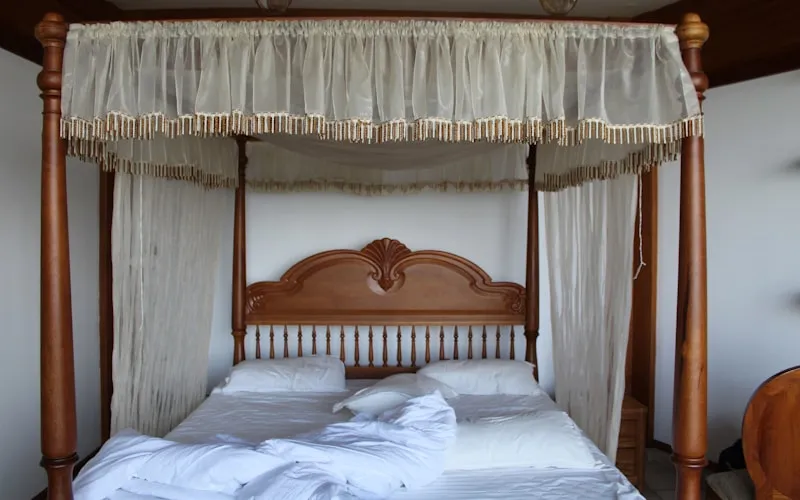
The boho bedroom should feel like a cocoon - warm, soft, and deeply personal. This is the room where layered textiles reach their peak expression, and where the bohemian love of comfort truly shines.
The bed as focal point: Start with the bed, which should be the most lavishly dressed element in the room. Layer a linen duvet in a natural tone with a patterned throw at the foot. Stack pillows in varying sizes - sleeping pillows in white linen, decorative cushions in earthy patterns, and a long bolster for texture. A canopy or draped fabric over the headboard adds drama and romance.
Headboard alternatives: Instead of a traditional headboard, consider a large macrame wall hanging, a collection of woven baskets mounted on the wall, or a piece of reclaimed wood with natural edges. These alternatives add bohemian character that a standard upholstered headboard cannot match.
Bedside styling: Mismatched bedside tables are perfectly boho - a wooden stool on one side, a small rattan table on the other. Top each with a lamp (ceramic or rattan), a small plant, and a few personal items. Avoid clutter but do not strip them bare either.
Lighting: Soft, warm lighting is essential. Woven pendant lamps or rattan table lamps cast beautiful patterned shadows that add to the room's ambiance. String lights draped around a mirror or along a shelf bring a magical quality to evening hours.
Floor and seating: Add a layered rug beside the bed for warmth underfoot in the morning. If space allows, include a reading nook - a rattan chair with a throw and cushion, positioned near a window with a small side table for tea and books.
Personal touches: The boho bedroom is where your most personal accessories live. A collection of crystals on the windowsill, framed photographs of travels, a tray of favorite perfumes and candles on the dresser, dried flowers in a ceramic vase. These objects make the space unmistakably yours.
Sustainable Bohemian Style: Ethical & Eco-Friendly Sourcing
Bohemian style and sustainability are natural partners. The boho emphasis on handcrafted goods, natural materials, and collected-over-time aesthetics aligns perfectly with eco-conscious living. Here is how to build a bohemian home that is as kind to the planet as it is beautiful.
Choose handcrafted over mass-produced: Every handcrafted rattan chair, hand-woven basket, and artisan-made ceramic represents a human story and a sustainable production model. Small-batch artisan production typically uses less energy, generates less waste, and supports traditional communities compared to industrial manufacturing.
Prioritize natural, renewable materials: Rattan, bamboo, jute, cotton, linen, and wood are all renewable resources that biodegrade at end of life. When shopping for boho furniture and decor, choose these materials over synthetic alternatives like plastic wicker or polyester textiles.
Embrace secondhand and vintage: Nothing is more boho than a well-loved vintage piece. Thrift stores, estate sales, flea markets, and online vintage shops are goldmines for bohemian decor. Buying secondhand keeps items out of landfills and gives them new life - the ultimate sustainable choice.
Invest in quality pieces that last: The fast-furniture cycle - buying cheap, disposable items that end up in landfills within a year - is the opposite of bohemian philosophy. Instead, invest in well-crafted pieces from makers who use quality materials. A solid wood stool that lasts 20 years is infinitely more sustainable than five particle-board replacements.
Support ethical artisans: When purchasing handcrafted items, seek out brands and makers who ensure fair wages and safe working conditions. At Pitta.lv, our baskets, textiles, and furniture are sourced from artisan communities where traditional craftsmanship is valued and fairly compensated.
Building a boho home sustainably is not about perfection - it is about making thoughtful choices over time. Each handcrafted, natural, or secondhand piece you bring into your home is a step toward a more ethical and beautiful way of living.
Boho interior design invites you to create a home that is unapologetically personal - a space layered with meaning, texture, and warmth. It is a style that grows and evolves with you, welcoming new treasures alongside beloved old ones, and finding beauty in the eclectic mix that makes your home unlike any other.
Start with the foundation: natural materials, warm earth tones, and a few key rattan or woven pieces. Layer in textiles and patterns gradually, mix in plants for life and color, and do not be afraid to trust your instincts. The best boho interiors are built over time, not overnight.
Ready to begin your bohemian journey? Explore our handcrafted collections of woven baskets, rattan furniture, and natural accessories - each piece made with care by skilled artisans using sustainable materials.
Frequently Asked Questions
Enjoyed this guide?
Share it with someone who'd find it useful