Warm interior design is about creating spaces that embrace you the moment you walk in. It is the feeling of soft light pooling on a wooden table, the texture of a linen throw against your skin, the rich tones of terra cotta and amber that make a room feel like a hug. In a world that increasingly moves toward screens and sterile surfaces, warm interiors offer something essential - a sense of home.
Warmth in design is not about a single element. It is the cumulative effect of color, texture, lighting, and materials working together to create a space that feels comfortable, grounded, and deeply human. This guide breaks down every layer so you can build warmth into any room, from a minimalist studio to a sprawling family home.
What Makes a Space Feel Warm?
Warmth in interior design operates on both a physical and psychological level. Understanding what triggers the feeling of coziness helps you design it intentionally rather than by accident.
The four pillars of warm design:
- Color temperature - warm-toned colors (reds, oranges, yellows, warm browns) register as inviting and comforting, while cool tones (blue, gray, stark white) can feel clinical or detached
- Tactile texture - surfaces you want to touch - plush fabrics, rough wood, woven fibers - create physical comfort and visual richness
- Light quality - warm, diffused, layered light mimics firelight and sunset, triggering a relaxation response in the brain
- Natural materials - wood, stone, wool, linen, and clay carry inherent warmth because our brains associate them with shelter, comfort, and the natural world
A room can have beautiful furniture and perfect proportions but still feel cold if it lacks these elements. Conversely, even a modest room with warm light, textured textiles, and natural wood will feel inviting. Warmth is democratic - it does not require a large budget, only intentional choices.
The Warm Color Palette: Beyond Beige
Color is the most immediate way to add warmth to a room, but warm design does not mean painting everything orange. The most sophisticated warm palettes layer subtle tones with strategic depth.
Warm neutrals (the foundation):
- Warm white - choose whites with yellow, peach, or pink undertones rather than blue-based cool whites
- Cream and ivory - softer than white, these tones make walls feel like they are glowing from within
- Sand and camel - the natural tones of desert and dune, perfect for larger furniture and floors
- Mushroom and taupe - warm grays that avoid the coldness of pure gray
Warm accents (the character):
- Terracotta and rust - earthy reds that add depth without overwhelming, perfect in ceramics and textiles
- Amber and honey - golden tones that catch and amplify warm light
- Olive and moss green - warm greens that bring nature indoors while maintaining coziness
- Cinnamon and chocolate - rich, dark warm tones for grounding elements like bookshelves and accent pieces
How to layer warm colors: Start with the lightest warm neutral on walls and ceilings. Choose mid-toned warm neutrals for large furniture. Then layer accent tones through textiles, accessories, and art. The progression from light to dark creates depth, and keeping everything within the warm spectrum ensures cohesion.
Layering Textures for Maximum Coziness
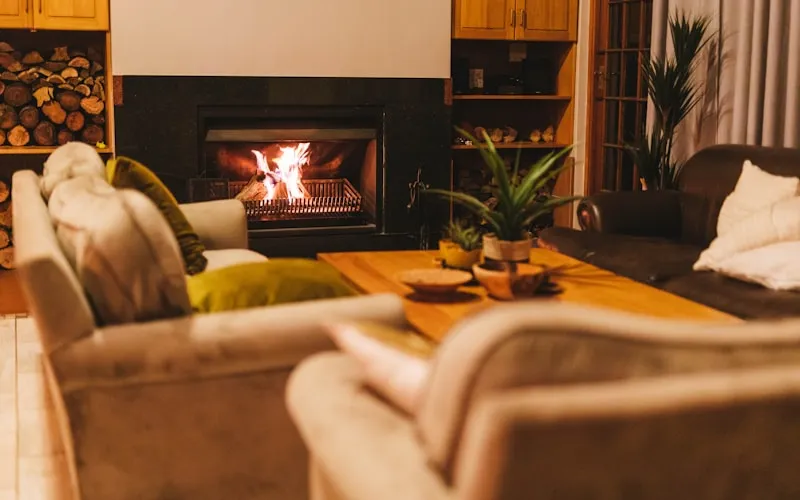
Texture is what transforms a warm color scheme from flat to three-dimensional. In warm interior design, the goal is to create a room so tactilely rich that you want to run your hand over every surface.
Soft textures (comfort and envelopment):
- Chunky knit throws and blankets over sofas and chairs
- Linen and cotton cushion covers in varying weaves
- Plush area rugs - wool, jute, or woven cotton - over hard floors
- Velvet or brushed cotton upholstery on accent chairs
Rough textures (grounding and character):
- Exposed wood grain on furniture and beams
- Rattan and wicker furniture with visible woven patterns
- Woven storage baskets in natural fibers
- Handmade ceramics with unglazed or matte surfaces
- Natural stone surfaces with visible texture
The mixing principle: Place contrasting textures next to each other for maximum impact. A smooth leather cushion on a rough linen sofa. A polished ceramic vase on a raw wood shelf. A soft throw draped over a rattan chair. These juxtapositions make each texture feel more alive and create the layered, collected feeling that warm interiors are known for.
Avoid uniformity of texture - a room where everything is smooth and polished feels cold, and a room where everything is rough and rustic can feel harsh. The magic is in the mix.
Warm Lighting: The Most Powerful Tool
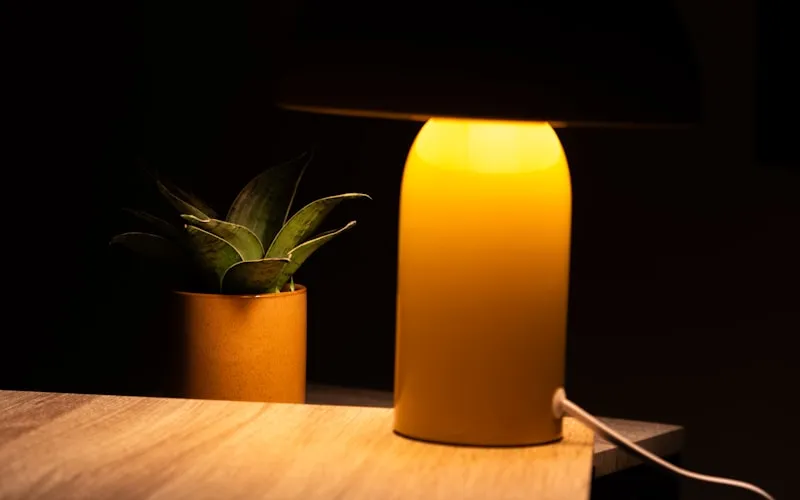
If you could change only one thing to make a room feel warmer, change the lighting. Nothing transforms a space more dramatically than the quality and placement of light.
Color temperature matters enormously. Use bulbs rated at 2700K (warm white) for living spaces. Avoid anything above 3500K - even 4000K "neutral" bulbs will make a room feel like an office. For the warmest, most intimate glow, candlelight (approximately 1800K) is unbeatable.
The layered lighting approach for warm rooms:
- Ambient layer - a central pendant lamp or ceiling fixture on a dimmer provides the overall glow. Choose fixtures in warm materials like rattan, wood, or amber glass.
- Task layer - table lamps and floor lamps positioned where you read, work, or gather. Place them lower than eye level to create pools of warm light rather than harsh overhead illumination.
- Accent layer - candles (real or high-quality LED), string lights in a bookshelf, or a backlit shelf add sparkle and intimacy.
The key principle is: more sources at lower intensity beats fewer sources at high intensity. Five lamps on dimmers, each casting a gentle pool of light, creates infinitely more warmth than a single overhead fixture blazing at full power.
Handcrafted lamps in natural materials double as sculptural objects during the day and warm light sources at night. A woven rattan pendant lamp, for example, casts beautiful patterned shadows that add another dimension of texture to the room.
Natural Materials That Radiate Warmth
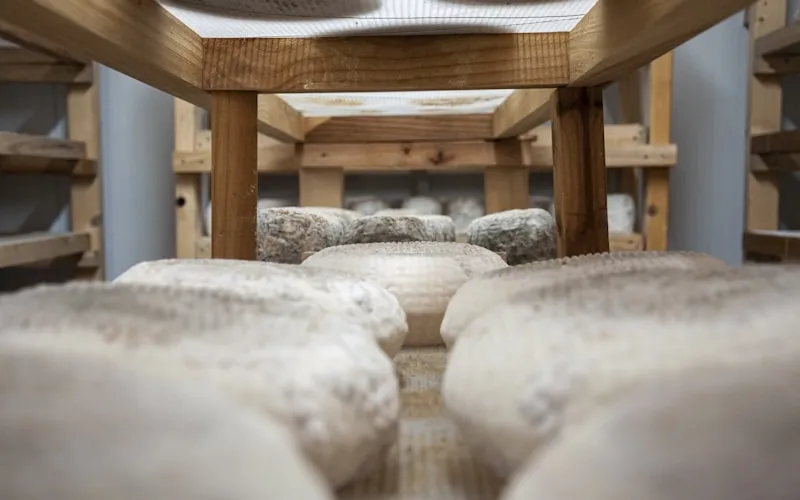
Natural materials carry warmth that synthetic alternatives simply cannot replicate. Our brains are wired to find comfort in organic textures and tones - wood, stone, wool, clay - because for most of human history, these materials meant shelter and safety.
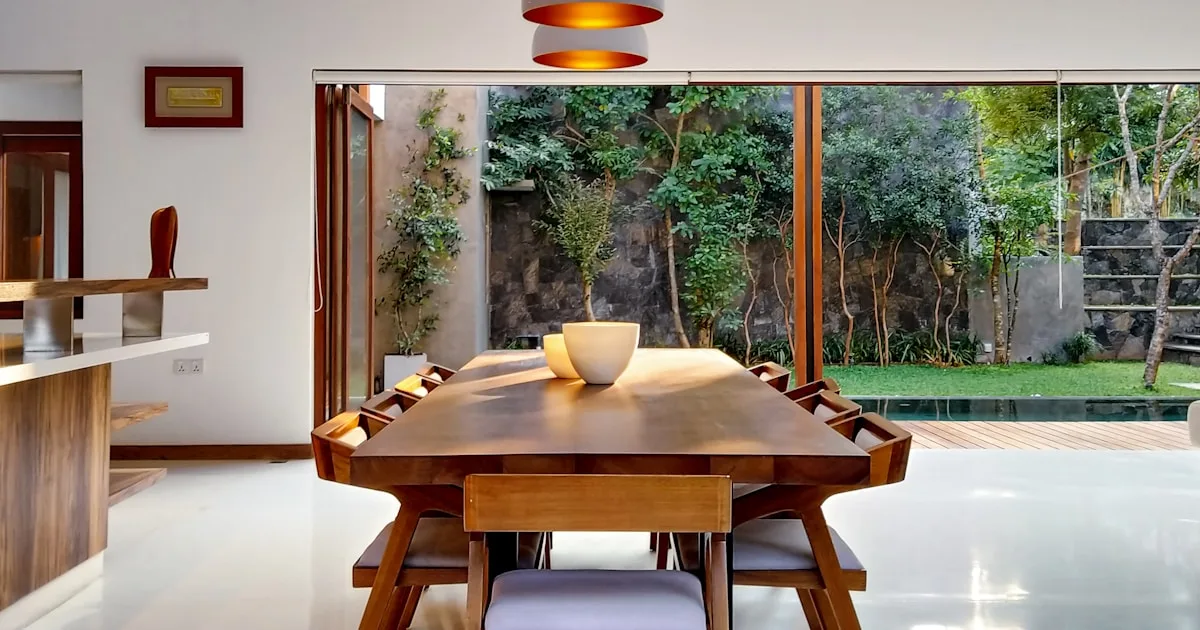
Wood is the ultimate warm material. Its grain, color, and organic imperfections add character to any surface. In warm interiors, wood appears everywhere - furniture, flooring, shelving, cutting boards, trays, and decorative objects. Mix wood tones rather than matching them perfectly: a walnut dining table, oak shelves, and a teak tray create a richer, more collected feeling.
Rattan, wicker, and woven fibers add handcrafted warmth and texture. Rattan chairs, side tables, and headboards introduce the organic, imperfect quality that makes warm rooms feel human rather than curated. Woven baskets serve double duty as storage and decor.
Linen and cotton in their natural, undyed states (oatmeal, flax, cream) are the textiles of warm design. Their subtle color variation and soft hand make them far more inviting than uniform synthetic fabrics. Layer them generously through curtains, cushions, throws, and table linens.
Clay and ceramic bring the warmth of earth into the home. Handmade pottery - with its visible fingerprints, uneven glazes, and organic forms - adds soul that factory-made objects cannot. Display them as functional art throughout the space.
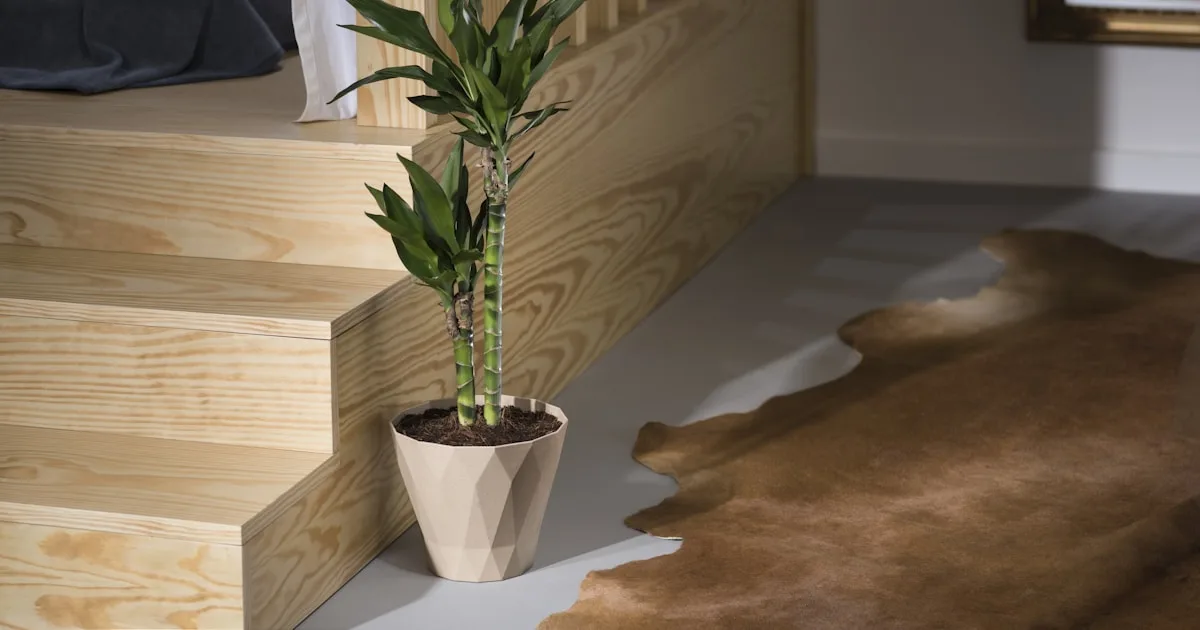
Wool and sheepskin are the ultimate comfort materials. A wool throw on a sofa, a sheepskin on a wooden chair, or a wool rug underfoot adds immediate, visceral warmth.
Warm Design Room by Room
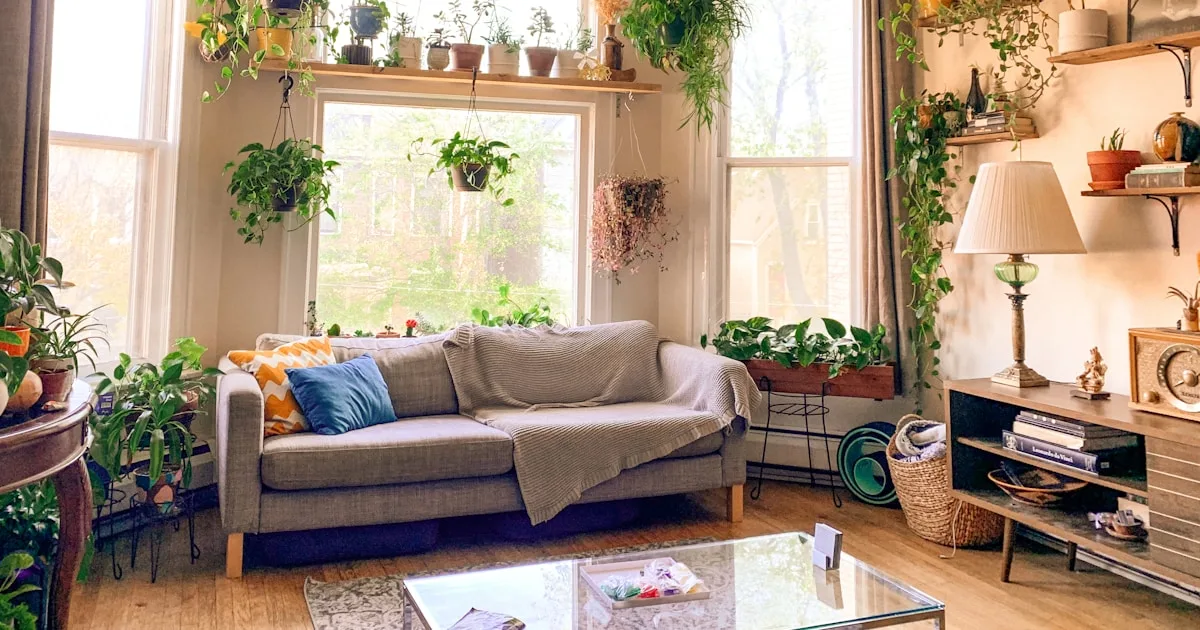
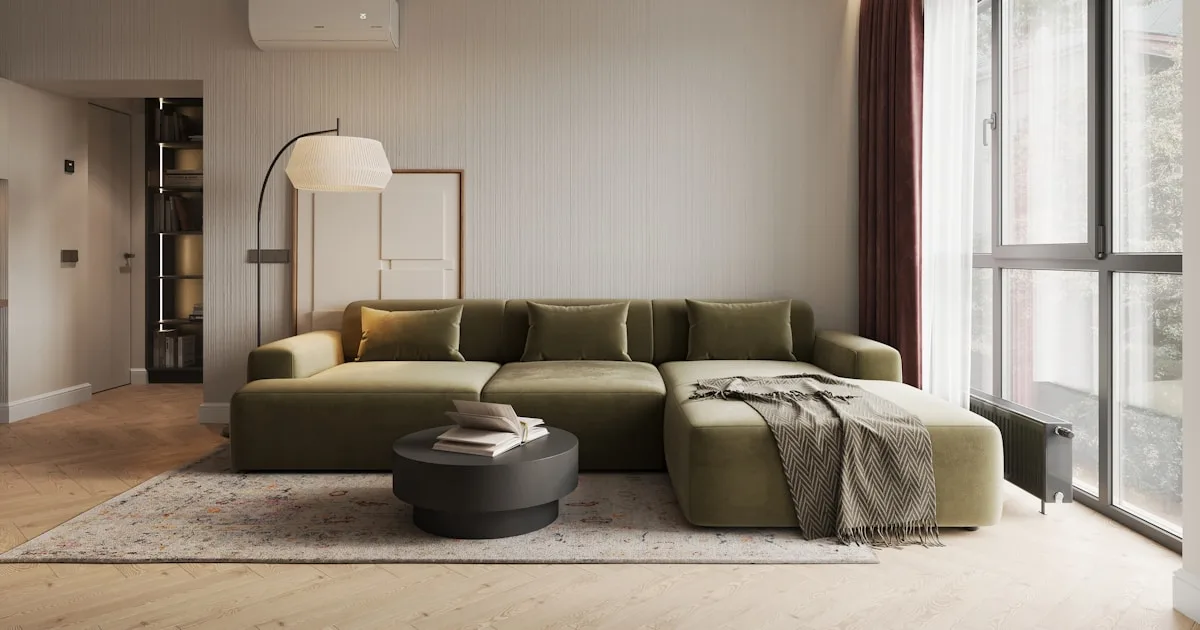
Living Room: This is where warmth matters most. Start with a deep, comfortable sofa in a warm neutral fabric. Layer it with cushions in varying textures - linen, knit, velvet - in tonal warm shades. Add a rattan accent chair for organic texture. Use at least three light sources: a pendant, a floor lamp, and a table lamp, all on dimmers. A large wool or jute rug anchors the seating area. Display a few meaningful objects - books, candles, a ceramic bowl - on the coffee table.
Bedroom: Warmth in the bedroom means sleep-inducing coziness. Choose linen bedding in warm white or oatmeal. Layer a textured throw at the foot of the bed. Flanking bedside lamps with warm bulbs create the intimate glow essential for a warm bedroom. A wooden headboard, a soft rug beside the bed, and curtains in a heavier natural fabric complete the cocoon.
Kitchen: Warm kitchens feel like the heart of the home. Open wooden shelving displaying handmade ceramics, a wooden cutting board always on the counter, a bowl of fruit, warm pendant lighting over the island or dining area, and linen dish towels hung from hooks all contribute warmth to a space often dominated by cold appliances and hard surfaces.
Bathroom: Even bathrooms can feel warm. Wooden bath trays, woven baskets for towel storage, warm-toned tiles, a plush bath mat, and candlelight transform the most utilitarian room into a spa-like retreat.
Home Office: Warmth in a workspace prevents fatigue and promotes creativity. A solid wood desk, a comfortable upholstered chair, a warm-toned desk lamp, and personal objects - a ceramic mug, a plant, a framed photo - humanize the space. Handcrafted accessories keep the desk feeling curated rather than corporate.
Common Mistakes That Make Rooms Feel Cold
Understanding what kills warmth is just as important as knowing how to create it. Here are the most common mistakes that make otherwise well-designed rooms feel uninviting:
1. Cool-toned LED lighting. This is the number-one warmth killer. Even the most beautifully furnished room will feel like a hospital under 5000K daylight bulbs. Always choose 2700K warm white and install dimmers.
2. Too much gray. Gray became the default "sophisticated neutral" in the 2010s, but an all-gray room - gray walls, gray sofa, gray rug - feels fundamentally cold. If you love gray, balance it with plenty of warm wood, warm metals (brass, copper), and warm-toned textiles.
3. All hard surfaces, no textiles. A room with tile floors, leather furniture, glass tables, and no rugs, throws, or cushions reflects sound and light harshly. Textiles absorb sound and diffuse light, both of which contribute to the perception of warmth.
4. A single overhead light source. A lone ceiling fixture casts flat, even light with harsh shadows - the opposite of warm ambiance. Layer multiple lower light sources for depth and intimacy.
5. Neglecting scent and sound. Warmth is multisensory. A room that looks warm but smells sterile or echoes with hard-surface acoustics will never feel fully cozy. Add candles, natural scents, and sound-absorbing textiles.
6. Too much matching. A perfectly coordinated room from a single retailer looks assembled, not lived-in. Warmth comes from the collected, layered quality of rooms that evolve over time. Mix periods, styles, and sources for an authentic warm aesthetic.
Warm interior design is not a single style - it is a quality that can be woven into any aesthetic, from minimalist to maximalist, modern to traditional. The ingredients are always the same: warm color tones, layered textures, ambient lighting, and natural materials that connect us to the physical world.
Start with what you have. Swap cool bulbs for warm ones. Add a linen throw to your sofa. Place a rattan basket by the fireplace. Light a candle. These small changes have an outsized impact on how a room feels.
Then build gradually - a handcrafted lamp here, a set of artisan accessories there. Over time, your home will become a place that does what the best warm interiors do: make everyone who enters feel welcome, comfortable, and at ease.
Frequently Asked Questions
Enjoyed this guide?
Share it with someone who'd find it useful