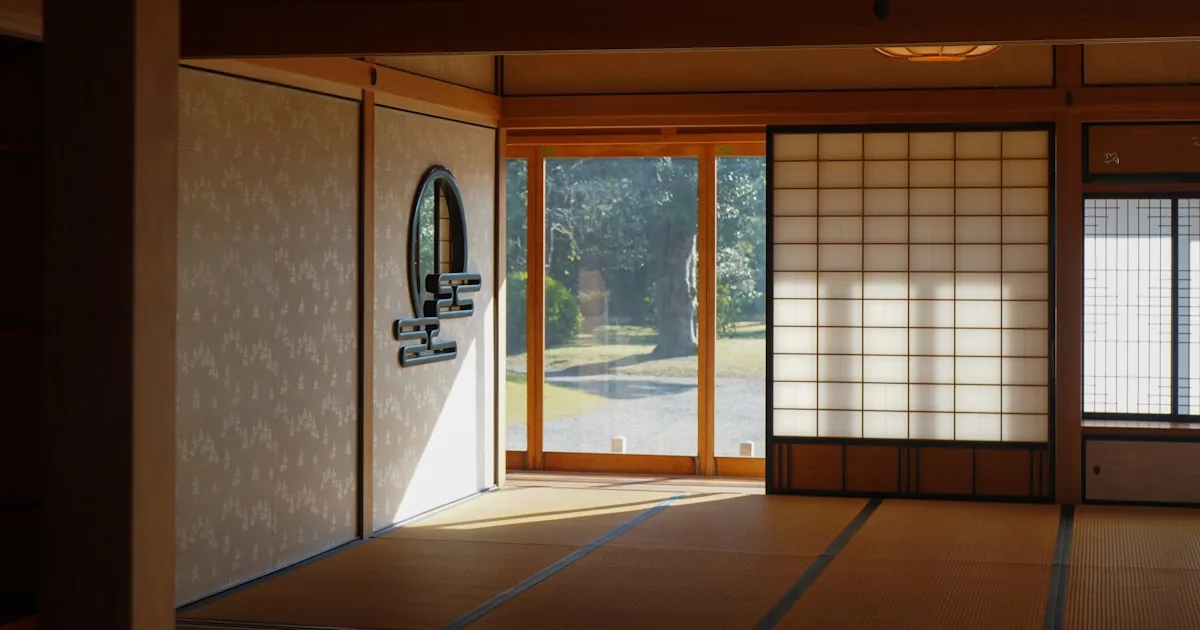
Japandi interior design is the harmonious fusion of two beloved aesthetics: the clean simplicity of Japanese minimalism and the cozy warmth of Scandinavian design. The style has grown popular for a simple reason: it creates spaces that are both calm and practical.
At its core, Japandi celebrates natural materials, clean lines, and intentional living. Whether you're redesigning your living room or looking for japandi decor inspiration for a complete home makeover, this guide covers everything you need to know about achieving the perfect Japanese-Scandinavian balance in your home.
What Is Japandi Interior Design?
Japandi is a design philosophy that marries the Japanese concept of wabi-sabi - finding beauty in imperfection - with the Scandinavian principle of hygge - creating warm, comfortable spaces. The result is an aesthetic that values simplicity without feeling cold, and warmth without becoming cluttered.
Unlike pure minimalism, Japandi allows for personality and texture. The Japanese influence brings a sense of Zen tranquility and reverence for craftsmanship, while Scandinavian design contributes functionality and a light, airy feeling. Together, they create interiors that feel both grounded and uplifting.
Key characteristics of Japandi style include:
- Neutral, earthy color palettes - warm beiges, soft grays, muted greens
- Natural materials - wood, rattan, linen, stone, and ceramic
- Handcrafted elements - pieces that show the maker's hand, like our artisan wooden stools
- Functional simplicity - every piece serves a purpose
- Asymmetrical balance - organic arrangements rather than rigid symmetry
The Japandi Color Palette: Warm Neutrals & Earth Tones
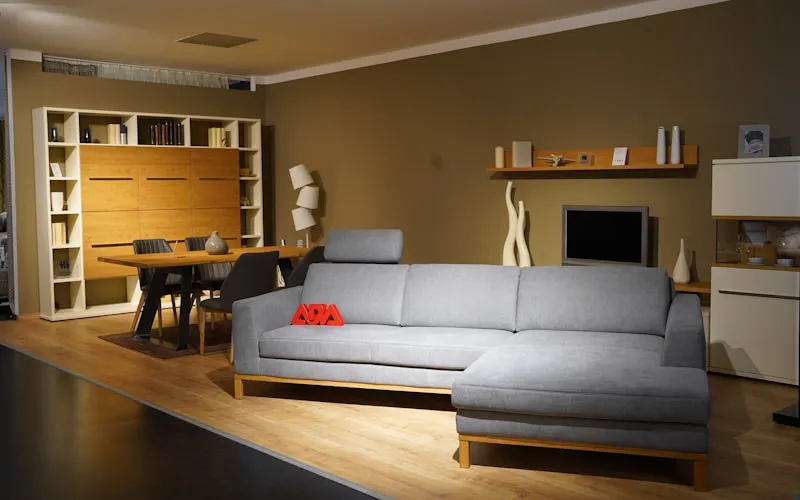
The Japandi color palette centers on warm, muted tones drawn from nature. Unlike the stark whites of pure Scandinavian design, Japandi embraces warmer neutrals that create a sense of calm and connection to the natural world.
Primary colors to use:
- Warm whites and cream - the base of most Japandi interiors, creating brightness without harshness
- Soft beige and sand - adds warmth and earthiness to walls and larger furniture pieces
- Muted gray - a cooler neutral that balances the warmer tones, perfect for textiles
- Charcoal and dark brown - used sparingly for contrast and grounding
Accent colors:
- Sage green - brings a touch of nature indoors
- Terracotta - a warm, earthy accent that works beautifully in ceramics and handcrafted vases
- Indigo - a nod to traditional Japanese textiles, used in cushions and artwork
The key is layering these tones to create depth without visual noise. Pair lighter walls with darker wood furniture, and add texture through natural linen textiles in complementary shades.
Natural Materials & Textures in Japandi Design
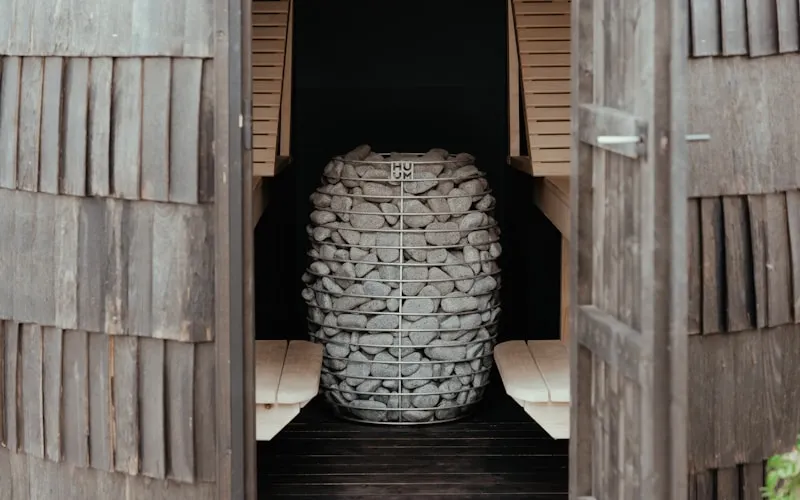
Materials are where Japandi truly shines. Both Japanese and Scandinavian design traditions share a deep reverence for natural materials, and in Japandi interiors, these take center stage.
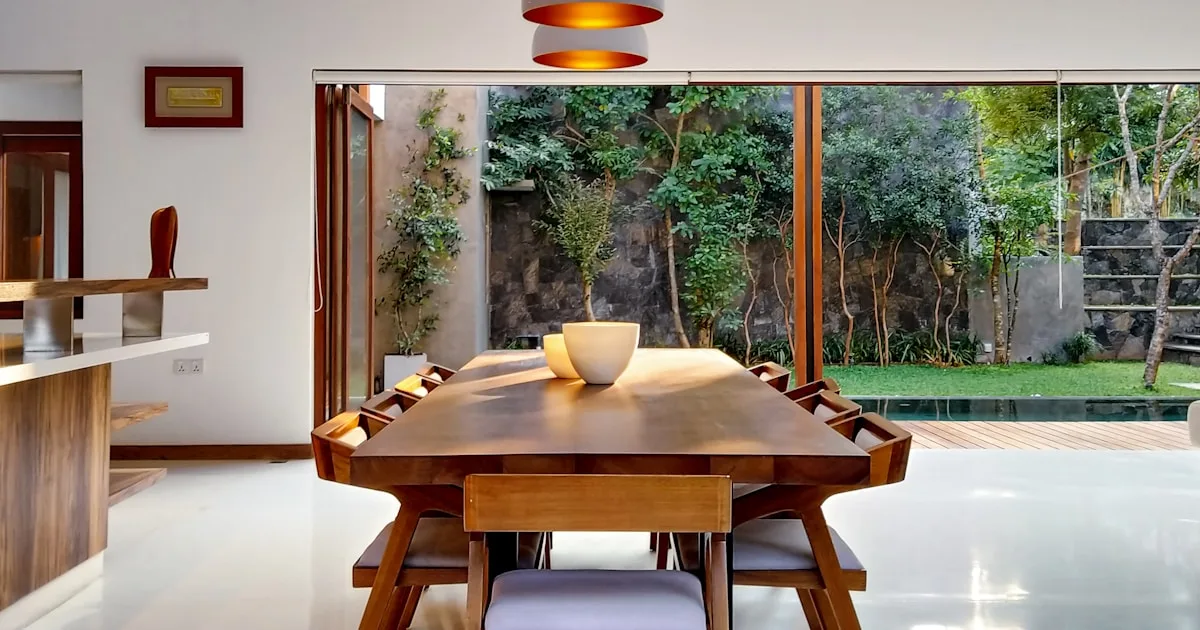
Wood is the foundation of Japandi design. Light woods like oak, ash, and maple bring Scandinavian warmth, while darker woods like walnut add Japanese sophistication. Look for pieces with visible grain - the natural patterns in wood are celebrated, not hidden.
Rattan and bamboo add texture and an organic, handcrafted quality. Rattan furniture is perfect for Japandi interiors - it's lightweight, sustainable, and beautifully natural. Think rattan chairs, pendant lights, and storage baskets.
Stone and ceramic bring an earthen quality. Handmade ceramic bowls, stoneware vases, and natural stone surfaces add the wabi-sabi imperfection that defines Japanese aesthetics.
Linen and cotton are the go-to textiles. They're natural, breathable, and develop a beautiful patina over time. Use linen curtains, cotton throws, and natural-fiber rugs to add softness without overpowering the space.
The interplay of these materials creates the layered, tactile quality that makes Japandi interiors so inviting. Each material brings its own character while harmonizing with the others.
Choosing Japandi Furniture: Form Meets Function
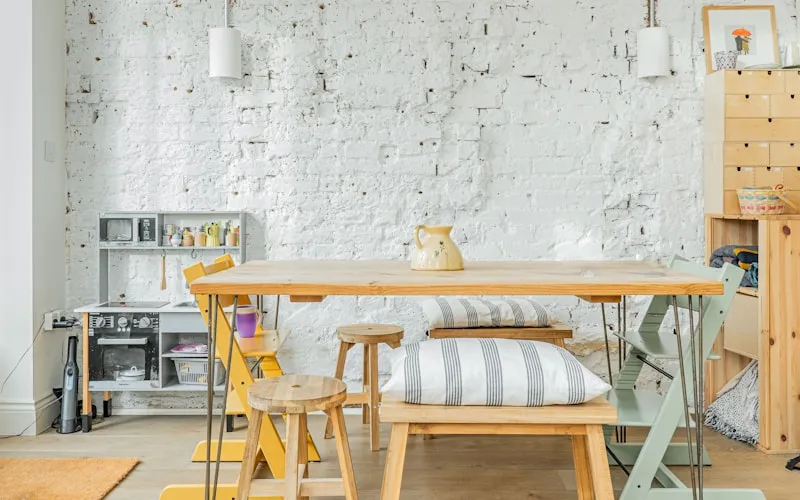
Japandi furniture is defined by clean lines, quality craftsmanship, and functional beauty. Every piece should earn its place in the room - there's no room for furniture that's purely decorative without serving a practical purpose.
Key principles for selecting Japandi furniture:
- Low profiles - Japanese design favors lower furniture. Low coffee tables, platform beds, and floor-level seating create a grounded, peaceful atmosphere.
- Visible construction - joinery and craftsmanship should be visible, not hidden. This celebrates the maker's skill and aligns with wabi-sabi principles.
- Mixed materials - combine wood with rattan, metal with stone, fabric with leather for visual interest.
- Multipurpose pieces - a wooden stool that serves as both seating and a side table embodies Japandi thinking.
When arranging furniture, embrace negative space. Not every wall needs something against it, and not every corner needs to be filled. The empty space between pieces is just as important as the furniture itself - it allows the room to breathe and creates a sense of calm.
For the tea ritual enthusiast, a low wooden table paired with floor cushions creates the perfect Japandi-inspired tea corner - a fusion of Japanese ceremony and Scandinavian coziness.
Japandi Design Room by Room
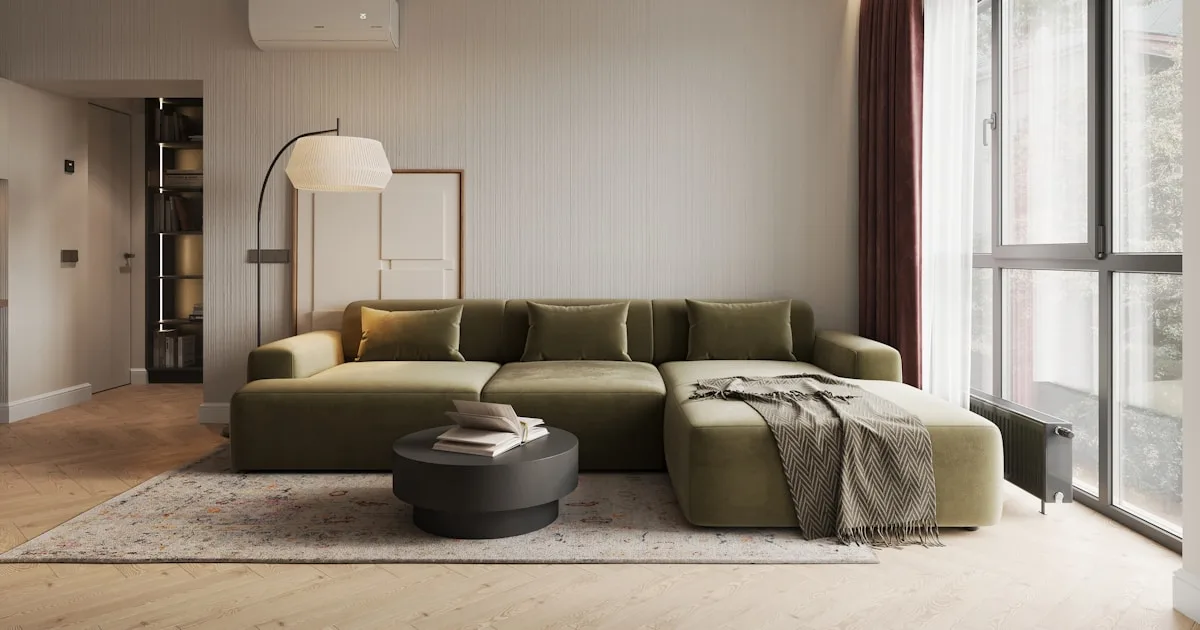
Living Room: Start with a neutral sofa in a clean silhouette. Add a low wooden coffee table, rattan accent chairs, and a natural-fiber rug. Keep accessories minimal - a single ceramic vase, a stack of books, a handwoven basket for throw blankets.
Bedroom: The Japandi bedroom is a sanctuary. Choose a low platform bed with a simple wooden headboard. Use linen bedding in muted tones, and keep bedside tables uncluttered. A single pendant light or artisan lamp provides warm, ambient lighting.
Kitchen: Open shelving in natural wood replaces upper cabinets, displaying handmade ceramics and simple dishware. Countertops in stone or concrete, cabinet fronts in light wood, and handwoven textile accents create the perfect Japandi kitchen.
Bathroom: Think spa-like simplicity. Natural stone tiles, a wooden vanity, linen towels, and minimal accessories. A single green plant adds life without clutter.
Home Office: A solid wood desk with clean lines, an ergonomic chair in a neutral fabric, and a wooden stool as a secondary seat. Organize with woven baskets and ceramic desk accessories.
Essential Japandi Decor Tips & Styling Ideas
Getting japandi decor right is about restraint and intentionality. Here are practical styling tips to nail the look:
1. Practice the "one in, one out" rule. Before adding a new decorative piece, ask if it truly adds value. Japandi spaces feel curated, not accumulated.
2. Embrace imperfection. A handmade ceramic vase with a slight asymmetry, a wooden bowl with visible grain patterns, a rattan piece with natural variations - these imperfections add soul and character.
3. Layer textures, not colors. Instead of adding visual interest through color, layer different textures: smooth wood against rough linen, polished stone beside woven rattan, matte ceramic next to glossy lacquer.
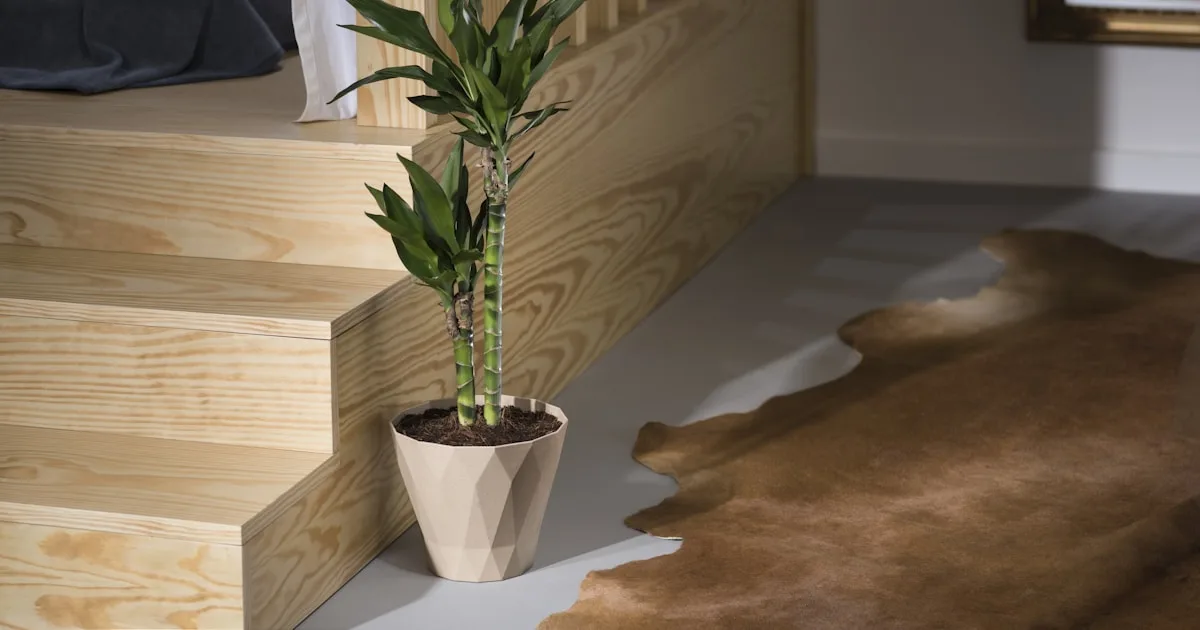
4. Bring nature inside. A few well-chosen plants - a bonsai, a monstera, dried pampas grass - connect the interior to the natural world. Display them in simple, handcrafted pots.
5. Use lighting to create atmosphere. Japandi lighting favors warm, diffused light. Paper lanterns, wooden pendant lamps, and candles create the soft glow that makes these spaces feel so inviting.
6. Display with intention. Rather than scattering accessories everywhere, create small vignettes: a stack of books with a ceramic object on top, a single branch in a handcrafted vase, or a tea set arranged on a wooden tray.
Sustainability in Japandi Design
One of the most appealing aspects of Japandi interior design is its inherent sustainability. Both Japanese and Scandinavian cultures value quality over quantity, longevity over trends, and natural materials over synthetic ones.
This aligns perfectly with modern eco-conscious living. Here's how Japandi supports sustainability:
- Buy less, buy better - investing in well-made pieces you keep for years means less waste over time
- Natural materials - wood, rattan, linen, and stone are renewable and biodegradable, unlike plastic-based alternatives
- Design that lasts - Japandi sits outside fast trends, so you won't feel the need to redecorate when styles shift
- Handcrafted items - supporting artisan-made furniture and decor often means smaller carbon footprints and fairer working conditions
At Pitta.lv, our commitment to sustainable design mirrors Japandi values. Our handcrafted furniture uses responsibly sourced natural materials - rattan, sustainable wood, and natural textiles - designed to last for years, not seasons.
Japandi interior design is a calm, lasting way to build beautiful, functional living spaces. By blending Japanese minimalism with Scandinavian warmth, you can create a home that feels both serene and inviting - a place where every object has a purpose and natural materials, like wood and rattan, show their grain and texture.
Start small: swap out a few accessories for handcrafted alternatives, introduce natural textures, and embrace the power of negative space. The beauty of Japandi is that it grows with you - each intentional choice brings you closer to a space that truly supports your wellbeing.
Ready to start your Japandi transformation? Browse our collections of sustainable, handcrafted furniture and decor built around the Japandi approach.
Frequently Asked Questions
Enjoyed this guide?
Share it with someone who'd find it useful