French country decor captures the unhurried elegance of rural France - a style born in the farmhouses and manor houses of Provence, Normandy, and the Loire Valley. It is a design philosophy that prizes warmth over formality, character over perfection, and the gentle patina of well-loved objects over the gleam of the brand new.
What makes French country style so enduringly appealing is its comfortable sophistication. It blends rustic, hardworking materials - rough-hewn wood, wrought iron, stone, and linen - with refined touches like toile fabrics, graceful curves, and carefully arranged collections of ceramics and flowers. The result is a home that feels both elegant and deeply livable.
This guide explores every facet of French country decor, from its historical roots and signature color palettes to practical room-by-room advice for creating your own provincial retreat.
What Is French Country Decor? History & Defining Characteristics
French country decor emerged from the rural regions of France, where homeowners combined locally available materials with the refined aesthetic sensibility that France is known for. Unlike the ornate grandeur of Parisian interiors, French country style was shaped by practicality - stone floors because they were durable, linen curtains because flax grew in the fields, wooden furniture because local craftsmen carved it by hand.
Over centuries, this practical approach developed into a distinctive aesthetic that balances rustic simplicity with understated elegance. French country decor is not about displaying wealth - it is about creating beauty from honest materials and thoughtful arrangement.
The defining characteristics of French country decor:
- Rustic elegance - Nothing is too precious or too rough. A weathered farm table might be set with fine linen napkins. A rough stone wall might frame delicate botanical prints. This contrast between rustic and refined is the heart of the style.
- Natural materials - Stone, wood, iron, linen, cotton, and clay dominate. Synthetic materials are absent. Every surface has a natural origin and a tactile quality.
- Soft, sun-faded colors - The French country palette is drawn from the Provencal landscape: lavender fields, sunlit wheat, olive groves, and sun-bleached stone. Colors feel as though the sun has gently softened them over time.
- Handcrafted details - Hand-forged ironwork, hand-carved furniture, hand-thrown pottery, and hand-sewn textiles. The human touch is visible and valued.
- Collected over time - French country homes feel accumulated, not decorated in a single shopping trip. Inherited pieces sit alongside flea market finds and a few carefully chosen new items.
- Flowers and greenery - Fresh and dried flowers are essential, displayed in simple ceramic vases and pitchers. Lavender, roses, hydrangeas, and wildflowers are the classic choices.
The French Country Color Palette: Sun-Faded & Softly Layered
The French country color palette is one of its most recognizable features. These are not bold, saturated colors but rather soft, chalky, sun-kissed tones that feel as though they have been gently aged by decades of Provencal sunlight.
Foundation colors:
- Warm white and antique cream - The base of most French country rooms. Walls, linens, and larger furniture pieces in soft, warm whites create brightness while maintaining warmth. Avoid stark, cool whites which feel too modern and clinical for this style.
- Stone gray and putty - Warm, muted grays that echo the limestone and plaster of French country buildings. These neutral mid-tones ground a room beautifully.
- Soft linen and wheat - Natural, undyed fabric colors that appear throughout French country textiles and furniture.
Signature accent colors:
- Provencal blue - A soft, slightly dusty blue inspired by the shutters and doorways of southern France. This is perhaps the most iconic French country color - calming, versatile, and timelessly elegant.
- Lavender and soft purple - Direct references to the lavender fields of Provence. Used in textiles, pottery, and dried flower arrangements.
- Sage and olive green - The greens of herb gardens and olive groves. These muted greens work beautifully on cabinetry, accent walls, and decorative accessories.
- Butter yellow and golden ochre - Warm, sunny tones that bring the feeling of southern French light indoors. Often used on walls or in printed textiles.
- Soft terracotta and rose - Earthy pinks and terra cotta tones that appear in tile floors, pottery, and fabric patterns.
The secret to the French country palette is layering these muted tones together. A room might combine cream walls, a stone-gray fireplace, a sofa in faded blue linen, cushions in lavender and soft yellow, and ceramic vases in sage green. Each color is quiet on its own, but together they create a rich, harmonious warmth that feels both sophisticated and completely relaxed.
French Country Furniture: Rustic Craftsmanship & Graceful Forms
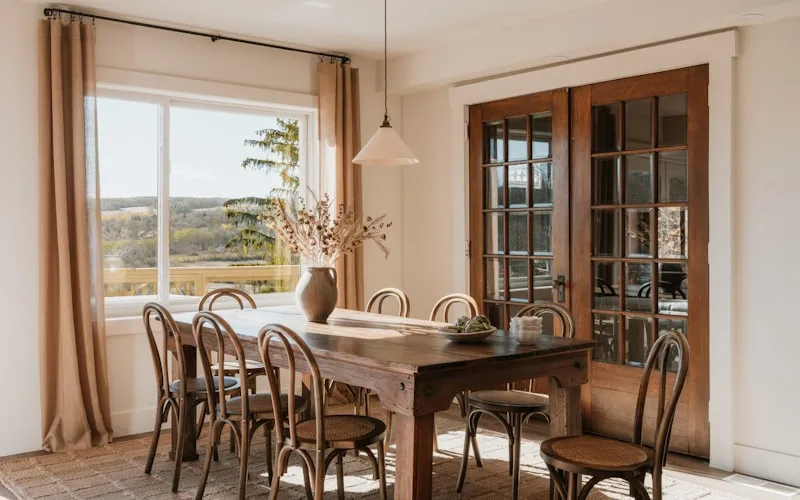
French country furniture strikes a distinctive balance between rustic solidity and elegant line. These are not crude farmhouse pieces - they are thoughtfully crafted with gentle curves, carved details, and quality joinery, but made from honest materials that show their age and use with grace.
Key furniture characteristics:
- Cabriole legs and gentle curves - French country furniture softens the straight lines of pure rustic style with curved legs, arched aprons, and rounded edges. A dining chair might have a solid wood seat but gracefully curved legs.
- Distressed and weathered finishes - Paint that shows layers of previous coats, wood that has been bleached by sun and smoothed by use, and metal that has developed a natural patina. These signs of age are considered beautiful, not flawed.
- Carved details - Wheat sheaves, flowers, shells, and scrollwork are common carved motifs. These details are subtle, adding visual interest without overwhelming.
- Natural, unfussy construction - Despite their elegance, French country pieces feel sturdy and practical. They were built to be used daily, not just admired.
Essential French country furniture pieces:
The farmhouse table is the centerpiece of French country living - a long, solid wood table around which family and friends gather. Look for tables with turned legs, a scrubbed or lightly waxed finish, and enough character to suggest decades of shared meals.
A buffet or sideboard provides both storage and display space. French country buffets often feature paneled doors, carved details, and a gently aged painted or natural wood finish.
Upholstered seating in French country style combines comfort with elegance. A generously stuffed armchair in faded linen, a settee with a curved wood frame, or dining chairs with rush seats and curved backs all embody the style.
Wooden stools and benches serve as versatile accents. A rustic wooden stool works beside a bathtub, as a plant stand, or as extra seating at the kitchen table. Their simplicity grounds the more elegant pieces around them.
An armoire - the quintessential French storage piece - often serves as the statement furniture in a bedroom or living room, with its tall proportions and paneled doors creating architectural presence in the room.
French Country Textiles: Toile, Linen & Provincial Prints
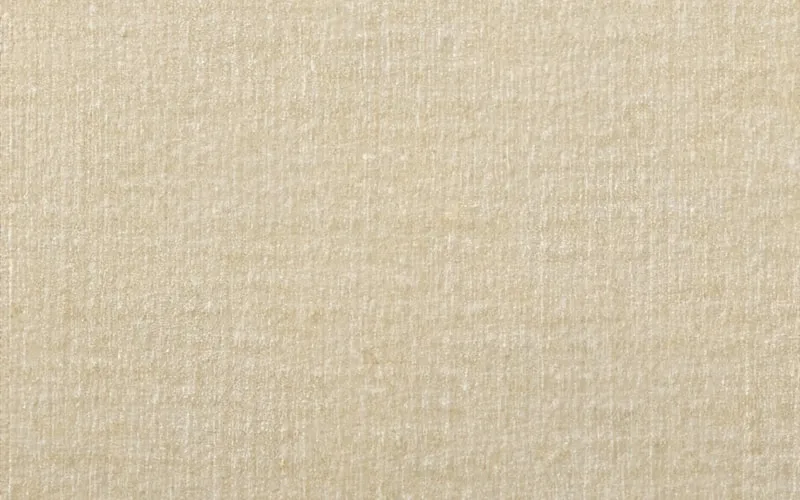
Textiles are the soul of French country decor. They bring color, pattern, softness, and authenticity to every room - and the fabric choices in French country style are as distinctive as the furniture.
Linen - the foundation fabric:
No material is more French country than linen. Derived from flax that has been cultivated in France for centuries, linen is the backbone of provincial style. Use linen for curtains (relaxed, unlined, puddling gently on the floor), table runners, napkins, bedding, and upholstery. The natural wrinkle of linen is not a flaw - it is part of its charm, conveying the relaxed elegance that defines French country living.
Toile de Jouy:
Toile is the signature French country pattern - a single-color scenic print on a white or cream background, depicting pastoral scenes, landscapes, or classical figures. Traditionally printed in blue, red, or black on white, toile adds undeniable French character to cushions, curtains, upholstery, and bedding. Use it selectively - a toile cushion or two, or toile curtains in a bedroom - rather than covering every surface.
Provincial prints:
Small-scale, repeating patterns inspired by the flora of Provence - tiny flowers, olives, lavender sprigs, and geometric motifs in the classic French country palette. These prints appear on table linens, cushion covers, and lightweight curtains, adding charm without visual weight.
Gingham and checks:
Simple checked patterns in soft colors - blue and white, red and white, yellow and cream - are classic French country textiles. Use them for kitchen curtains, cushion covers, or tablecloths. Their simplicity provides a rustic counterpoint to more elaborate toile or floral prints.
Ticking stripes:
Originally used for mattress covers, ticking stripes (narrow stripes in blue, red, or black on a natural ground) have become a beloved French country textile. They work beautifully for cushions, bolsters, and upholstery, adding a crisp, casual quality.
How to layer French country textiles:
The key is mixing scales and patterns while keeping the color palette cohesive. Combine a large-scale toile curtain with medium-scale floral cushions and small-scale check or stripe accents. Anchor everything with solid linen in cream or natural tones. The result should feel layered and collected, as though the textiles have been gathered over years of visits to French markets.
French Country Accessories: Pottery, Flowers & Collected Objects
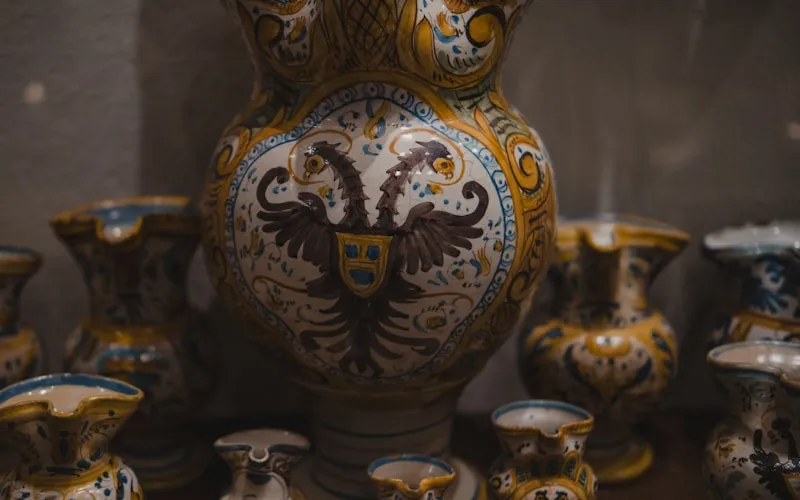
Accessories in French country decor serve as the finishing touches that transform a well-furnished room into an authentically Provincial space. These are not generic decorative objects - they are functional, beautiful items that tell the story of a life lived with attention to simple pleasures.
Pottery and ceramics:
Handmade pottery is essential to French country style. Glazed ceramic pitchers, rustic terracotta planters, hand-thrown bowls, and decorative plates displayed on walls or plate racks all contribute to the artisanal character of the space. Look for pieces with slightly imperfect glazes and organic shapes - handcrafted vases and ceramics that celebrate the maker's hand rather than machine precision.
Flowers and botanicals:
Fresh flowers are a daily necessity in French country homes, not a special-occasion luxury. Simple arrangements of garden flowers - roses, peonies, lavender, hydrangeas - displayed in ceramic pitchers, stone vases, or even old glass bottles bring life and fragrance to every room. Dried lavender bundles, pressed flower art, and botanical prints extend the floral theme year-round.
Wrought iron and metalwork:
Hand-forged ironwork - curtain rods, candle holders, pot racks, wall brackets, and lamp bases - adds the dark, structural contrast that grounds French country softness. Iron chandeliers and candelabras are particularly iconic, casting warm, flickering light that flatters the muted color palette.
Woven baskets:
Market baskets, bread baskets, and harvest baskets are both decorative and functional. Use them to store fruit, bread, firewood, linens, or magazines. Hang them on walls as art, or cluster them in kitchen corners for authentic Provincial texture.
Collected objects and vignettes:
French country style thrives on small, curated groupings of objects that suggest a life of quiet pleasures: a stack of vintage books topped with a small ceramic vase and a sprig of lavender, a wooden cutting board propped against the backsplash with olive oil bottles and a mortar and pestle, or a windowsill lined with small potted herbs in terracotta pots.
French country lighting favors warmth and character. Linen-shaded table lamps, wrought iron chandeliers, candle sconces, and simple pendant lights in natural materials create the soft, layered illumination that makes these spaces feel so inviting. Avoid harsh overhead lighting - French country rooms should glow rather than glare.
French Country Style Room by Room
The Kitchen - the heart of French country living:
The French country kitchen is the most important room in the house - a warm, working space where cooking, eating, and gathering happen naturally. Open shelving displays stacked plates and ceramic bowls. A large farmhouse sink sits below a window overlooking a garden. Copper pots hang from an iron pot rack. The floor is stone or terracotta tile. A sturdy wooden table in the center serves for both food preparation and casual meals, with mismatched wooden chairs or stools pulled up around it.
The Living Room - relaxed elegance:
A generously sized sofa in faded linen faces a stone or plaster fireplace. Armchairs with carved wooden frames and soft cushions provide additional seating. A weathered wooden coffee table holds a ceramic bowl of flowers and a stack of books. Linen curtains puddle gently on a stone or wooden floor. A large armoire or bookcase displays pottery, books, and collected treasures. The overall feeling is welcoming and unstudied - a room where you can kick off your shoes and curl up with a glass of wine.
The Bedroom - a Provincial retreat:
An iron or carved wood bed frame dressed in layers of linen bedding - sheets, duvet, and a folded coverlet at the foot. A toile or floral quilt adds pattern. Bedside tables might be small painted commodes or simple wooden stools. A vase of fresh flowers on the dresser, a vintage mirror on the wall, and soft lamp light on each bedside table complete the scene.
The Dining Room - gathering around the table:
The farmhouse dining table is the star, flanked by a mix of chairs - perhaps a set of rush-seated Provincial chairs with two upholstered host chairs at the heads. A buffet against the wall displays pottery and serves as a staging area for meals. A simple iron chandelier hangs above the table. Linen table runner and napkins, ceramic water pitchers, and candles in iron holders set the tone for long, leisurely meals.
The Bathroom - rustic spa:
Stone tile floors, a freestanding bathtub if space allows, and a wooden vanity with a stone countertop. Linen towels in natural tones hang from iron hooks. A small wooden stool beside the bath holds soap and a candle. Simple, functional, and quietly beautiful.
French country decor endures because it speaks to something deeply human - the desire for a home that is both beautiful and comfortable, elegant and unpretentious. It is a style that welcomes imperfection, values craftsmanship, and finds luxury in simple pleasures: fresh flowers on the table, good linen on the bed, and a well-worn wooden table around which to share a meal.
Building a French country home is a process, not a project. Collect pieces gradually - a handcrafted vase from an artisan, linen textiles in natural tones, a wooden stool with beautiful simplicity. Let your space evolve over time, gaining the layered character that defines the most authentic Provincial interiors.
Explore our collections of natural textiles, artisan vases, and handcrafted lamps - each piece crafted with the kind of care and attention to material that French country style demands.
Frequently Asked Questions
Enjoyed this guide?
Share it with someone who'd find it useful