Classic home design is the art of creating spaces that feel as elegant and relevant decades from now as they do today. Unlike trend-driven interiors that look dated within a few years, classic design draws on centuries of proven principles - balanced proportions, quality craftsmanship, and refined simplicity - to build rooms that stand the test of time.
This doesn't mean your home needs to look like a museum. The best classic interiors feel warm, lived-in, and personal. They layer timeless foundations with meaningful objects, artisan-crafted pieces, and natural materials that develop character with age. Whether you're furnishing a new home or refreshing a tired room, this guide walks you through every principle you need to achieve classic home design that is both sophisticated and inviting.
What Defines Classic Home Design?
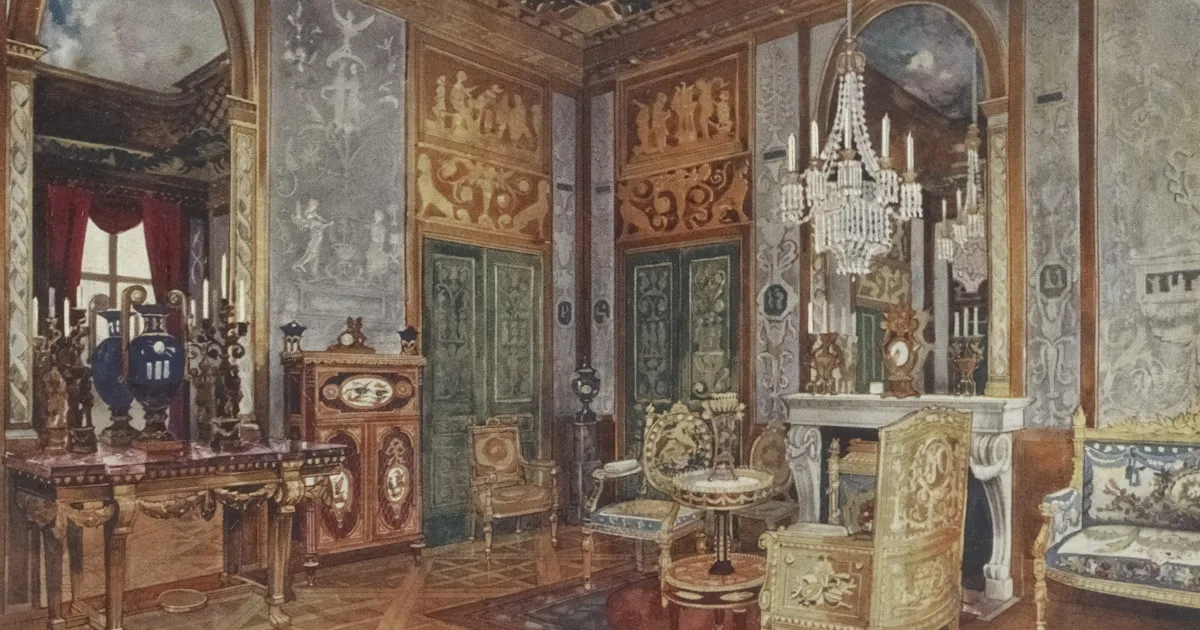
Classic home design is rooted in the idea that beauty comes from order, proportion, and quality. It borrows from historical styles - Georgian, Federal, French Provincial, English Country - but distills them into universal principles that work in any era or setting.
At its heart, classic design is governed by a few enduring ideas:
- Symmetry and balance - matching pairs of lamps, evenly placed furniture, centered focal points that create a sense of calm and order
- Proportion - furniture scaled to the room, artwork hung at the right height, spaces that feel neither cramped nor cavernous
- Quality materials - solid wood, natural stone, linen, wool, and ceramic that age beautifully rather than deteriorate
- Neutral foundations with layered accents - walls and large pieces in timeless hues, with personality added through accessories and textiles
- Craftsmanship - visible joinery, hand-thrown pottery, handwoven textiles, and artisan details that mass production cannot replicate
Classic design is not about recreating a period room. It is about understanding why certain arrangements feel right and applying those principles with modern sensibility. A hand-thrown ceramic vase on a clean-lined console table can feel just as classic as a gilded urn on a marble mantle - the principle of a well-placed focal object is the same.
The Classic Color Palette: Depth Without Drama
Color in classic home design serves the architecture and the furnishings rather than dominating them. The palette starts with a strong neutral base and introduces color with restraint and intention.
Foundation tones:
- Warm whites and ivory - not stark, clinical white but soft whites with a hint of warmth that complement natural materials
- Greige and taupe - the sophisticated middle ground between gray and beige, these tones work with both cool and warm accents
- Navy and charcoal - used for grounding elements like bookshelves, accent walls, or upholstered pieces to add depth
Accent tones:
- Sage and olive green - the most enduring accent in classic interiors, connecting indoor spaces to the natural world
- Burgundy and terracotta - warm, rich tones that add life without feeling trendy
- Soft gold and brass - metallics that bring warmth and a subtle glow to hardware, lamp bases, and frames
The secret to a classic palette is layering tonal values rather than contrasting bold colors. A room in varying shades of warm cream, soft linen, walnut wood, and brass accents achieves richness through depth, not shock value. When you introduce a stronger color - a deep green cushion, a rust-toned throw - it reads as intentional, not chaotic.
Natural linen and cotton textiles in undyed or naturally dyed shades are invaluable here. Their subtle variation in tone adds dimension that solid-colored synthetics simply cannot match.
Choosing Furniture That Lasts a Lifetime
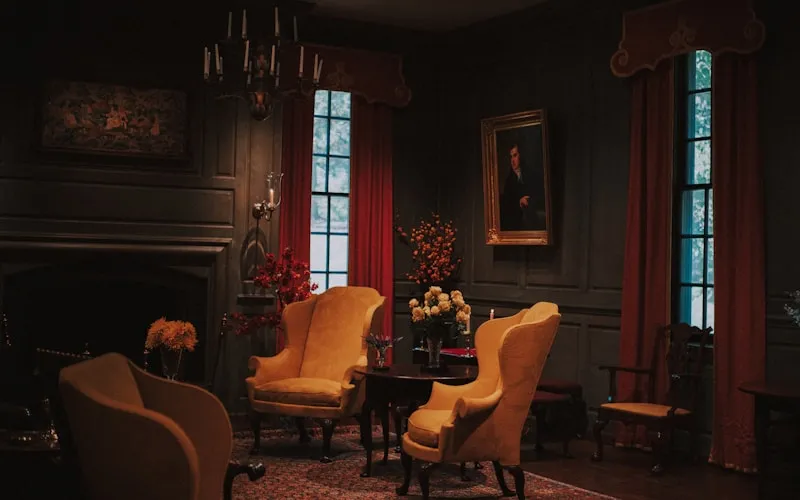
In classic home design, furniture is an investment, not a disposable commodity. The goal is to select pieces you will want to keep - and even pass down - for decades.
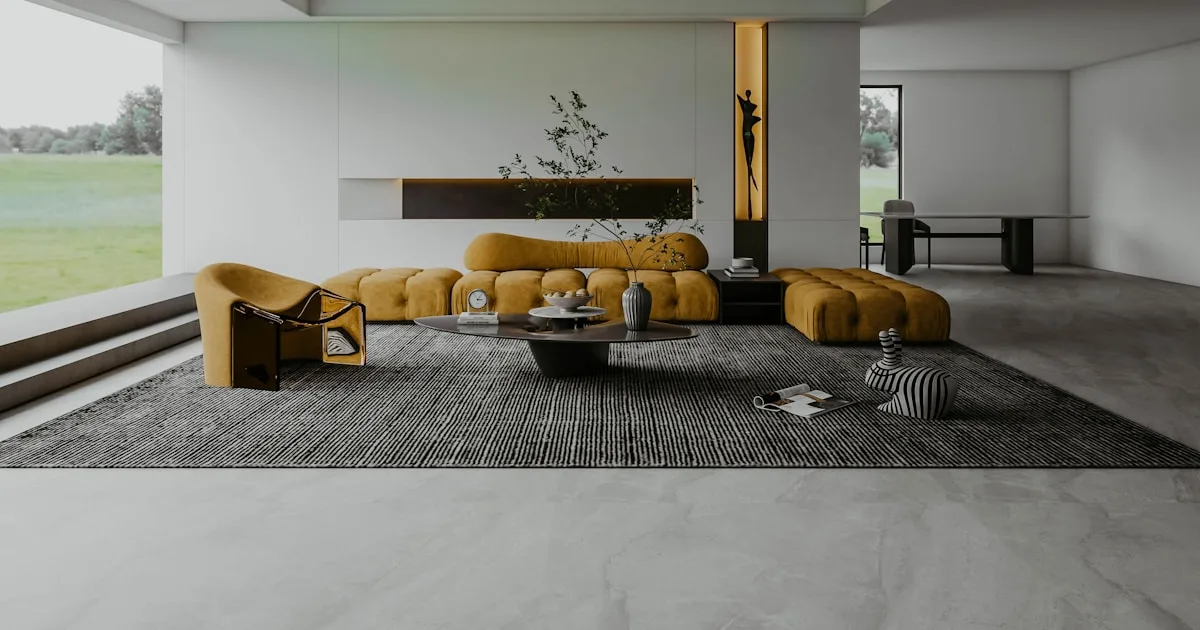
Silhouette matters most. Classic furniture silhouettes are characterized by clean, defined shapes with gentle curves. Think rolled-arm sofas, tapered table legs, and chairs with a discernible but not overwrought frame. Avoid anything extreme - overly boxy, aggressively angular, or excessively ornate - as extremes are the first things to feel dated.
Material quality is non-negotiable. Solid wood frames, kiln-dried hardwood construction, natural upholstery fabrics, and hand-finished details are the markers of furniture that endures. A well-made wooden stool can serve as seating, a side table, or a plant stand for a lifetime. Explore pieces like our artisan wooden stools that embody this philosophy.
Mix eras intentionally. The most successful classic interiors are not frozen in one period. They combine a vintage sideboard with a contemporary sofa, or pair an antique mirror with a modern pendant lamp. This layering of eras is what gives classic rooms their depth and prevents them from feeling like a showroom.
Invest in anchor pieces first. Prioritize the items you use most - the sofa, the dining table, the bed frame - and choose the best quality you can afford. Accessories and accent pieces can be updated more easily and affordably over time.
Lighting: The Hidden Foundation of Classic Interiors
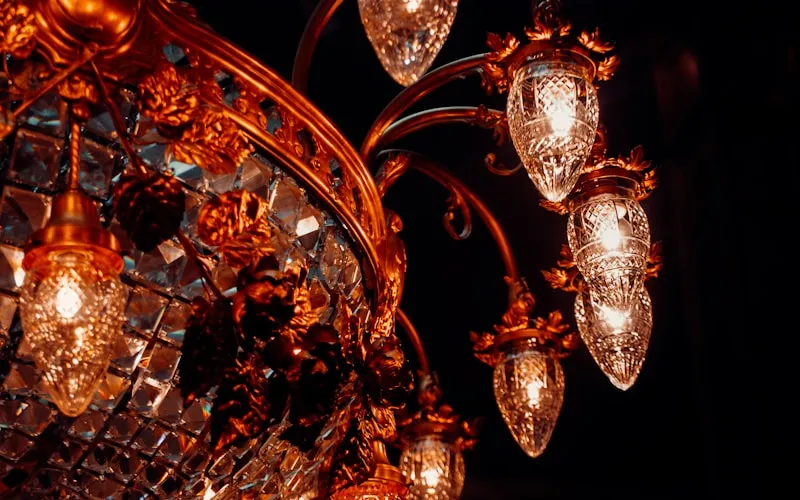
No element shapes the mood of a classic room more than lighting. Well-designed lighting makes average furniture look beautiful, while poor lighting can make even the finest pieces fall flat.
The layered lighting approach is essential in classic design:
- Ambient lighting - the general, overhead illumination that fills the room. In classic interiors, this is often a central pendant or chandelier, chosen for its form as much as its function.
- Task lighting - focused light for reading, cooking, or working. Table lamps, desk lamps, and under-cabinet lighting fall into this category.
- Accent lighting - directional light that highlights artwork, architectural details, or display objects. Picture lights, sconces, and recessed spots serve this purpose.
Classic design favors warm-toned light (2700K–3000K) that flatters both skin tones and natural materials. Cool, bluish light makes wooden furniture look lifeless and neutrals look gray.
The fixtures themselves are an opportunity to express character. A handcrafted pendant lamp in natural materials - rattan, ceramic, woven fiber - becomes a sculptural element as well as a light source. Paired table lamps flanking a sofa or console create the symmetry that classic rooms thrive on.
Always install dimmer switches. The ability to adjust light levels throughout the day is transformative - bright and energizing for morning tasks, soft and warm for evening relaxation.
The Art of Classic Accessorizing
Accessories are where classic design becomes personal. The right objects, placed with intention, transform a well-furnished room into a home with character and soul.
The rule of curated restraint: Classic interiors avoid both the barren look of extreme minimalism and the cluttered feel of maximalism. Every surface should have some breathing room, and every displayed object should earn its place through beauty, function, or meaning.
Key accessories for classic interiors:
- Ceramic and pottery - handmade vases and bowls add organic warmth. Group them in odd numbers (three or five) for visual interest.
- Books - stacked horizontally or arranged vertically, books add color, texture, and intellectual character. They also serve as risers to display smaller objects.
- Textiles - layered cushions, throws, and table linens in natural fibers soften hard surfaces and add seasonal variation without requiring a room redesign.
- Botanical elements - fresh flowers, dried branches, or a well-placed potted plant bring life to any arrangement.
- Mirrors - strategically placed mirrors amplify light and create a sense of expanded space, a trick used in classic interiors for centuries.
When arranging accessories, create vignettes - small, composed groupings of three to five objects at varying heights. A tall vase, a small bowl, and a candle on a tray, for example, creates a pleasing still life that draws the eye without overwhelming it.
Classic Design Room by Room
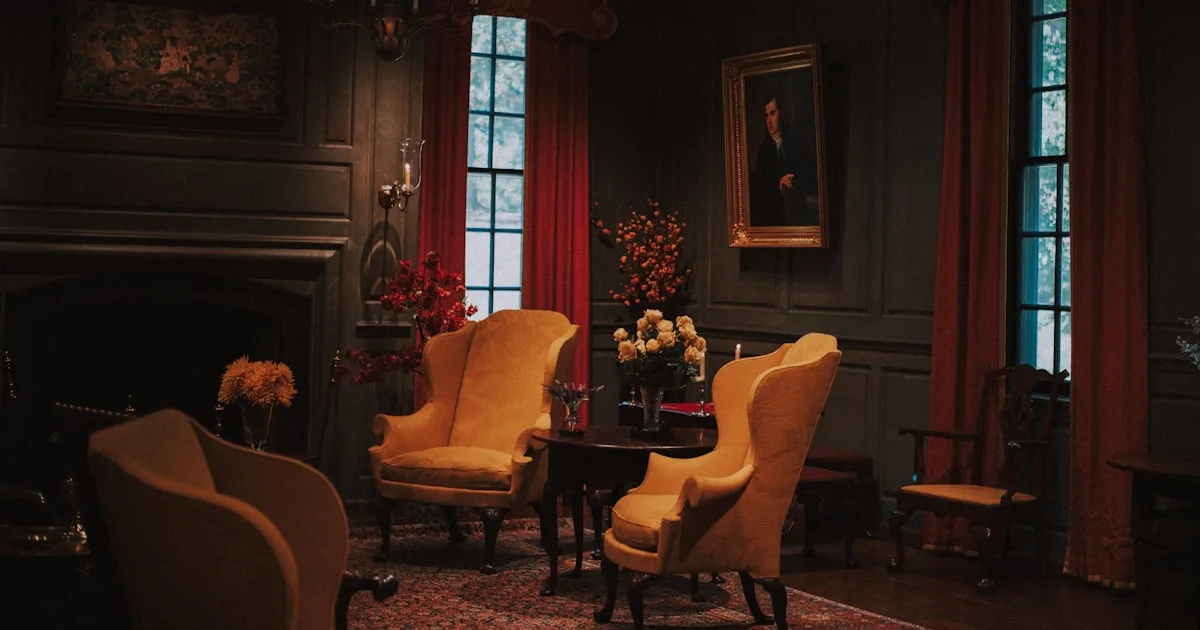
Living Room: The living room is the showcase of classic design. Start with a well-proportioned sofa in a neutral, durable fabric. Flank it with matching side tables and table lamps for symmetry. A solid wood or natural stone coffee table anchors the seating area. Add depth with a layered rug, linen cushions, and a curated selection of ceramic pieces on the mantel or bookshelf.
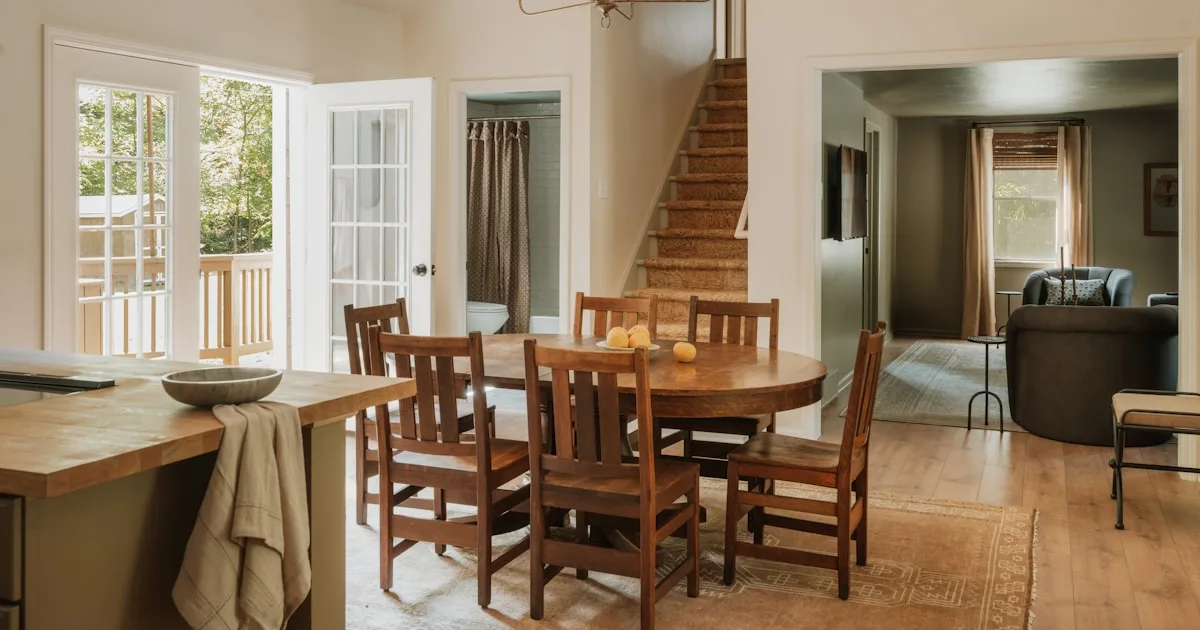
Dining Room: A solid wood dining table is the centerpiece - oval or rectangular shapes are the most enduring. Matching chairs or a mix of upholstered end chairs with wooden side chairs create a refined but approachable look. A statement pendant light overhead, a simple table runner, and a low centerpiece of candles or greenery complete the scene.
Bedroom: Keep the bedroom serene. A quality bed frame in wood or upholstered fabric, crisp linen bedding in whites or soft neutrals, and symmetrical bedside tables with matching lamps establish the classic foundation. A bench at the foot of the bed and a single piece of meaningful artwork above the headboard add character without clutter.
Entryway: First impressions matter. A console table with a mirror above it, a ceramic bowl for keys, and a pair of lamps or a single statement light fixture create a welcoming, composed entry. A natural-fiber runner underfoot adds warmth.
Home Office: A substantial wooden desk, a comfortable upholstered chair, and good task lighting form the core. Open shelving with a mix of books, boxes, and decorative objects keeps the space functional and visually balanced. Natural textiles - a wool throw over the chair, a linen window treatment - prevent the office from feeling sterile.
How to Tell Timeless from Trendy
One of the greatest skills in classic home design is the ability to distinguish between pieces that will endure and pieces that are riding a temporary wave of popularity. Here are practical guidelines:
Signs a piece is timeless:
- It has been produced in some form for decades or centuries (wingback chairs, pedestal tables, ceramic vases)
- Its beauty comes from material and proportion rather than novelty
- It works in multiple room settings and styles
- It is made from natural materials that age gracefully
- You can imagine it in your home ten years from now without cringing
Signs a piece is trend-driven:
- It is identical to something you have seen repeatedly on social media in the past year
- Its appeal relies on a specific color or finish that is currently popular
- It is made from materials that will not age well (certain plastics, low-quality veneers)
- Its shape is highly unusual or exaggerated
This does not mean you should avoid all trends - it means you should apply trends to easily changeable elements (cushion covers, small accessories, wall paint) and keep permanent elements classic (flooring, large furniture, architectural details). A trendy throw pillow on a classic sofa is smart design. A trendy sofa under a classic ceiling is a future regret.
Classic home design is not about following rigid rules or replicating historical interiors. It is about understanding the timeless principles - proportion, quality, balance, and restraint - that have made certain spaces feel beautiful for centuries, and applying them with your own personal touch.
Start with the fundamentals: invest in quality anchor furniture in neutral, durable materials. Layer warm, natural textiles for softness. Light your rooms thoughtfully with handcrafted lamps at multiple levels. Accessorize with intention, choosing handmade ceramics and meaningful objects over mass-produced fillers.
The reward is a home that never needs a complete overhaul - only gentle evolution. And that, in an age of disposable everything, is the most elegant statement of all.
Frequently Asked Questions
Enjoyed this guide?
Share it with someone who'd find it useful