Modern classic interior design is the art of balance - the careful fusion of traditional elegance and contemporary restraint that creates spaces both timeless and thoroughly modern. It takes the best of classical design - proportioned rooms, quality materials, refined details - and strips away the fussiness, replacing ornate excess with clean lines and sophisticated simplicity.
The appeal of modern classic design is its longevity. Unlike trend-driven styles that feel dated within a few years, modern classic interiors are designed to endure. They rely on principles that have governed beautiful spaces for centuries - symmetry, proportion, quality materials, and craftsmanship - while applying them with a contemporary eye that keeps the look fresh and relevant.
This guide covers every aspect of modern classic interior design, from its foundational principles and color palettes to furniture selection, accessory styling, and the role of natural, handcrafted elements in creating spaces of lasting beauty.
What Is Modern Classic Interior Design?
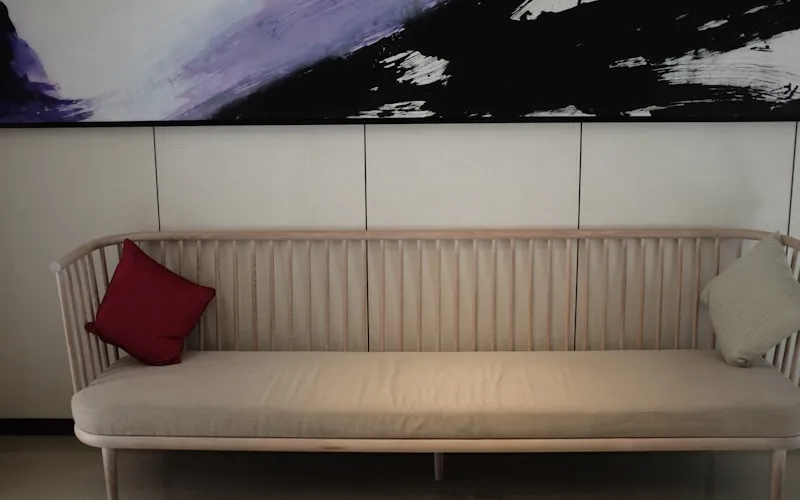
Modern classic interior design sits at the intersection of two approaches: the classical tradition - with its emphasis on symmetry, proportion, rich materials, and decorative refinement - and the modern movement - with its commitment to clean lines, functional design, and visual simplicity. The result is a style that feels elevated without being pretentious, comfortable without being casual, and sophisticated without being cold.
The distinguishing characteristics of modern classic style:
- Architectural awareness - Modern classic design respects and enhances the architecture of the room. Crown moldings, paneled walls, and elegant proportions are celebrated, but treated with restraint rather than excess. The architecture provides a refined backdrop rather than competing with the furnishings.
- Symmetry with softness - Classical symmetry organizes the space - matching lamps flanking a sofa, paired chairs facing each other, a centered artwork above a fireplace - but the execution is softer and more relaxed than strict classical formality.
- Quality materials over ornament - Where traditional design might rely on carved details and gilded surfaces for visual interest, modern classic lets the inherent beauty of quality materials speak. Fine wood grain, natural stone, handcrafted ceramic, and beautiful linen provide richness without ornamental excess.
- Refined neutral palette - The color scheme centers on sophisticated neutrals - warm whites, soft grays, creamy taupes - accented with muted tones that add depth without drama.
- Curated simplicity - Every object in a modern classic room is chosen with care. There is less than in a traditional room but more than in a minimalist one. The balance creates spaces that feel both edited and complete.
- Comfort as priority - Despite its elegance, modern classic design is fundamentally about comfortable living. Sofas are generously proportioned and deeply cushioned, textiles are soft and inviting, and rooms are designed for daily use, not just admiration.
Think of modern classic as traditional design that has been thoughtfully edited for contemporary life - keeping everything that makes classical spaces beautiful and removing everything that makes them impractical or stuffy.
The Modern Classic Color Palette: Sophisticated Neutrals & Soft Accents
Color in modern classic design is restrained, sophisticated, and carefully calibrated. The palette avoids both the stark minimalism of all-white spaces and the heavy richness of traditional deep colors, landing instead on a nuanced middle ground of warm, livable neutrals with moments of subtle accent color.
The foundation - layered neutrals:
- Warm white - The primary wall color in most modern classic spaces. Not a cold, blue-tinged white but a warm, creamy white that flatters both natural and artificial light. This shade makes rooms feel spacious and bright while remaining warm and inviting.
- Soft gray - A versatile secondary neutral that adds depth when used on accent walls, cabinetry, or upholstery. Modern classic grays lean warm - with beige or taupe undertones - to maintain the style's characteristic warmth.
- Warm taupe and greige - These gray-beige tones are the backbone of modern classic neutrals. They provide more visual weight than white but remain neutral enough to anchor any accent color. Use them for larger furniture pieces, curtains, and rugs.
- Rich chocolate and espresso - Dark neutral tones that appear in wood furniture, leather accents, and dark-stained floors. These deep tones provide the grounding weight that prevents lighter neutrals from feeling insubstantial.
Accent colors (used sparingly and softly):
- Soft navy - The most classic accent color, adding quiet depth to cushions, artwork, or a statement chair. Navy reads as almost neutral while providing sophisticated contrast.
- Muted sage green - A nature-inspired accent that brings freshness without disrupting the refined palette. Sage works beautifully in ceramic vases, textiles, and botanical art.
- Dusty blush - A very soft, muted pink that adds subtle warmth. Best used in small doses - a throw pillow, a ceramic object, or a floral arrangement.
- Warm gold and brass - Metallic warmth through lamp bases, hardware, picture frames, and decorative objects. Gold and brass provide the touch of luxury that elevates modern classic from merely neutral to truly elegant.
The art of the modern classic palette is tonal layering. Rather than using a few flat colors, layer multiple shades of the same tonal family - a cream wall, an oatmeal sofa, a taupe rug, ivory curtains, and a linen throw in natural - creating a subtle, sophisticated depth that makes the room feel rich and considered without being colorful.
Modern Classic Furniture: Timeless Forms & Quality Craftsmanship
Furniture selection is where modern classic design reveals its true character. The pieces should feel like they could belong in any era - neither aggressively contemporary nor obviously period - with proportions, lines, and materials that transcend passing fashion.
Sofa and seating:
The modern classic sofa is generously proportioned with a clean silhouette. Think straight or gently curved arms, a tailored skirt or elegant turned legs, and deep, comfortable cushions in a quality fabric - linen, velvet, or a fine wool blend. Avoid both the boxy stiffness of ultra-modern sofas and the heavily tufted opulence of traditional ones. The ideal modern classic sofa looks like it has always been there and always will be.
Accent chairs should complement the sofa without matching it exactly. A pair of elegant armchairs in a different but coordinating fabric, or two handcrafted rattan chairs that add natural warmth to the refined setting, creates the curated-over-time quality that defines modern classic spaces.
Tables:
Coffee tables, side tables, and dining tables in modern classic style favor simple, elegant forms in quality materials. A round marble-topped side table, a rectangular wooden coffee table with tapered legs, or a solid wood dining table with refined proportions. The craftsmanship should be impeccable - smooth finishes, precise joinery, and honest materials.
Storage and display:
Built-in cabinetry and bookshelves with classical proportions - symmetrical, well-proportioned, and painted in the same tone as the walls - provide storage without visual clutter. Freestanding pieces like a simple console table or a refined sideboard in dark wood or painted finish serve as both storage and styling surfaces.
Accent pieces:
This is where handcrafted, natural elements add soul to the refined setting. Artisan wooden stools as side tables or extra seating bring organic warmth. A rattan accent piece introduces texture. These handcrafted items prevent modern classic rooms from feeling too polished or showroom-like - they add the humanity and imperfection that make a house a home.
The investment mindset:
Modern classic design demands a buy-once, buy-well approach. Each piece of furniture should be chosen for lasting quality and timeless design. A well-made sofa, a solid wood table, and quality linen upholstery may cost more initially but will serve beautifully for decades, saving money over the long term and creating interiors with genuine character.
Textiles & Materials: The Quiet Luxury of Modern Classic Interiors
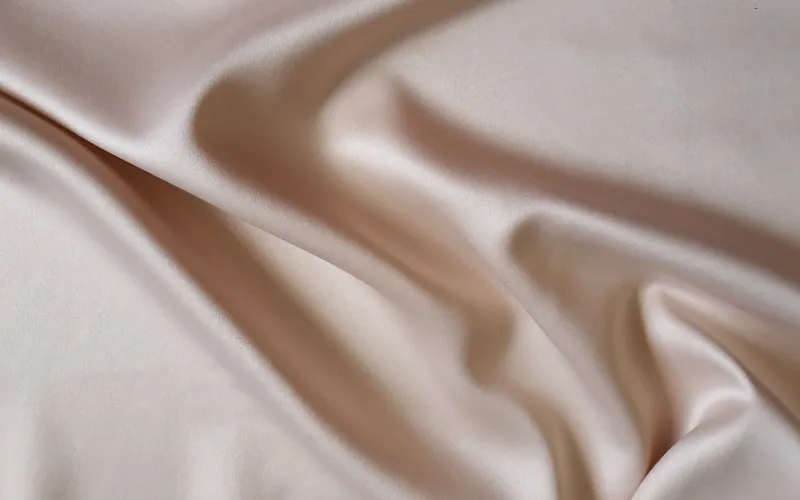
In modern classic design, materials communicate quality without shouting. The emphasis is on tactile luxury - fabrics that feel extraordinary, surfaces that invite touch, and finishes that reward close inspection. This is the design equivalent of quiet luxury in fashion - understated, impeccable, and deeply satisfying.
Linen - the modern classic essential:
Linen is perhaps the single most modern classic fabric. Its natural texture, soft hand, and relaxed elegance strike the perfect balance between formal and casual. Use linen for curtains (unlined or light-lined, puddling slightly on the floor), sofa upholstery, cushion covers, bedding, and table linens. The natural wrinkle of linen is not a flaw in modern classic style - it is evidence of natural quality.
Velvet - for depth and richness:
Velvet appears in modern classic interiors as a controlled accent - a pair of dining chairs, a statement armchair, or a set of cushions. Its light-catching depth adds the richness that prevents all-neutral spaces from feeling flat. Muted tones - charcoal, navy, sage, or dusty rose - keep velvet feeling contemporary rather than opulent.
Wool and cashmere - for tactile warmth:
Fine wool throws, cashmere cushions, and wool-blend rugs add warmth and texture to the neutral palette. These natural fibers develop beautiful patina with use and last for years - the kind of investment in comfort that defines modern classic living.
Natural wood:
Wood in modern classic interiors is refined but not overly polished. Medium-toned oak, walnut, and ash in smooth, natural finishes provide warmth and grain interest. The wood should look cared for - oiled or lightly waxed - rather than heavily lacquered. Handcrafted wooden pieces add artisanal character within the refined framework.
Natural stone:
Marble, travertine, and limestone appear in countertops, fireplace surrounds, and tabletops. In modern classic design, stone is used sparingly and elegantly - a marble side table, a travertine tray for styling, or a stone fireplace surround that serves as the room's architectural focal point.
Metals:
Warm metals - brushed brass, antique gold, and warm bronze - dominate over cool silver and chrome. They appear in lamp bases, hardware, picture frames, and decorative objects. The warmth of these metals ties the material palette together and adds the subtle luxury that elevates modern classic above basic contemporary.
Lighting & Accessories: The Finishing Touches of Modern Classic Style
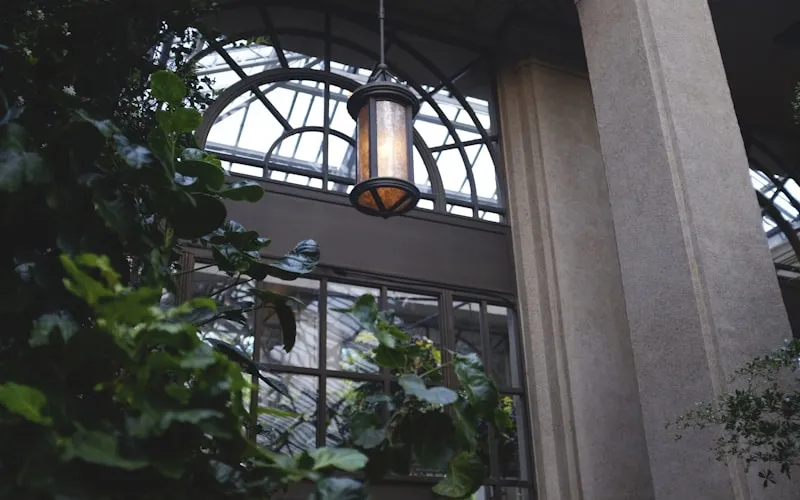
In modern classic interiors, lighting and accessories are what elevate a well-furnished room into something truly refined. These finishing touches should feel considered, purposeful, and beautiful in their own right.
Lighting design:
Modern classic lighting follows the principle of layered illumination - ambient, task, and accent light working together to create a warm, flattering atmosphere.
- Statement pendant or chandelier - A single elegant fixture above the dining table or in the entryway provides a focal point. Modern classic chandeliers are simpler than traditional crystal ones but still have presence - perhaps a clean geometric form in brass, or a sculptural design in natural materials.
- Table lamps - Artisan table lamps on side tables, consoles, and bedside tables provide the warm, intimate light that makes rooms feel welcoming in the evening. Choose lamps with interesting bases - ceramic, turned wood, or metal - and natural fabric shades that diffuse light softly.
- Floor lamps - A elegant floor lamp beside a reading chair or sofa adds a vertical element and warm directional light. Arc floor lamps and slim, tapered designs suit the modern classic aesthetic.
- Sconces - Wall-mounted lights flanking a mirror, fireplace, or bed create symmetry and architectural interest. Simple, elegant sconces in brass or a natural finish are quintessentially modern classic.
Art and wall decor:
Art in modern classic interiors is sophisticated but accessible. Abstract paintings in muted tones, elegant botanical prints, fine photography, and simple line drawings all work. Framing should be consistent and refined - slim wooden or brass frames that complement without competing. Arrange art symmetrically for a more classical effect or in an organic gallery wall for a more contemporary feel.
Ceramic and decorative objects:
Handcrafted vases and ceramic objects are essential modern classic accessories. Their organic forms and artisanal character add warmth to the refined setting. Display them on mantels, bookshelves, coffee tables, and console tables - either individually as sculptural statements or in small, curated groupings.
Books and styling objects:
Coffee table books, decorative boxes, and small sculptural objects create the styled but unstudied vignettes that define modern classic surfaces. The goal is "considered casual" - groupings that look naturally arranged but have been thoughtfully composed.
Flowers and greenery:
Fresh flowers are a hallmark of modern classic interiors. Simple, elegant arrangements - white roses, hydrangeas, or branches of greenery - displayed in ceramic vases bring life and fragrance. Keep arrangements refined and unfussy, matching the understated elegance of the space.
Modern Classic Design Room by Room
Modern classic living room:
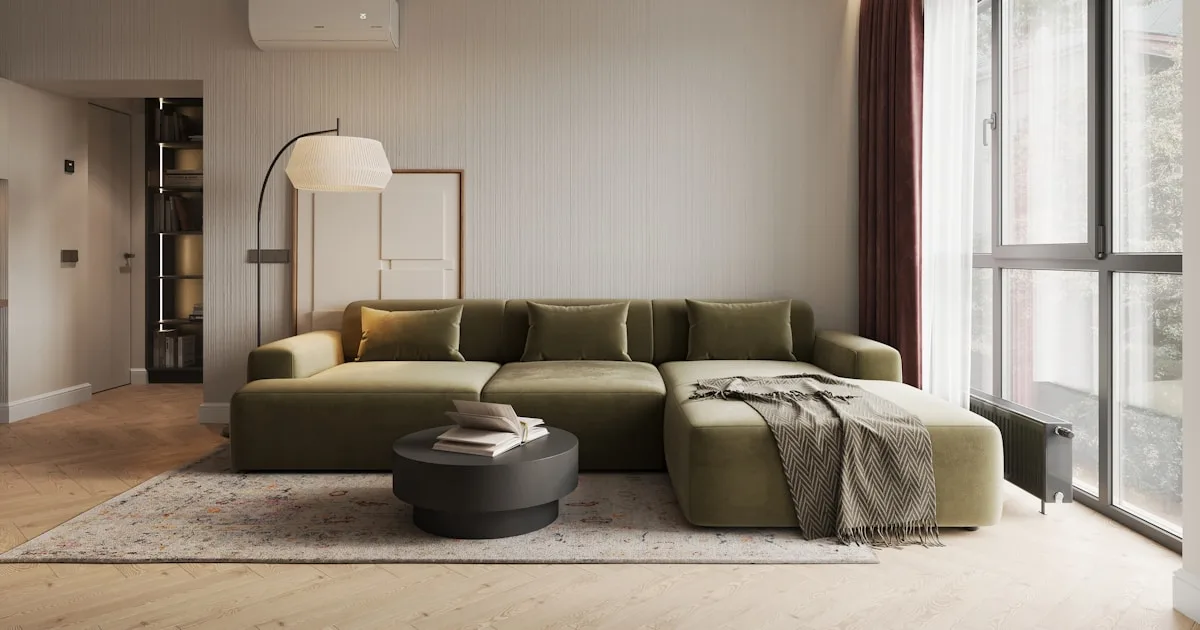
Symmetry anchors the space - a sofa flanked by matching side tables with matching lamps, a pair of accent chairs opposite. A coffee table centered on the rug completes the conversation area. Walls in warm white with elegant moldings or paneling. A curated bookshelf or styled console table provides a focal point. Linen curtains in natural tones frame windows. A quality rug in a subtle pattern or solid neutral grounds the seating area. Accessories are few but refined: ceramic vases, a brass tray, a stack of books, and fresh flowers.
Modern classic dining room:
A substantial dining table seats eight comfortably - oval or rectangular in rich wood or with a marble top. Upholstered dining chairs in linen or velvet add comfort and elegance. A statement pendant light or chandelier centers the table. A sideboard against one wall displays ceramics and serves as a buffet surface. The table is styled simply - a low floral arrangement, linen napkins, and perhaps a pair of candlesticks.
Modern classic bedroom:
The bed is the room's focal point - an upholstered headboard in linen or velvet, dressed in layers of white and neutral bedding with a subtle throw or quilt. Matching bedside tables with matching lamps create classical symmetry. A bench or pair of stools at the foot of the bed adds function and visual weight. Curtains in a soft, flowing fabric frame the windows. The palette is calm and restful - soft whites, warm grays, and muted accent tones.
Modern classic entryway:
First impressions matter in modern classic homes. A console table centered on the wall with a mirror above creates an immediate sense of order and elegance. A pair of lamps or a single statement piece - a large vase with branches, a beautiful ceramic bowl for keys - completes the arrangement. The floor might be natural stone or polished wood, with a quality rug defining the entry area.
Modern classic bathroom:
Clean lines with classical touches. A vanity with refined hardware, a large mirror with an elegant frame, and quality stone or ceramic tile. Warm metal fixtures in brass or gold add luxury. Linen or cotton towels in white or soft cream, a small stool or shelf for products, and a ceramic vase with a single stem bring the modern classic sensibility into the most functional room in the house.
Avoiding Common Modern Classic Design Mistakes
Modern classic design is a style of nuance - getting the balance right between traditional and contemporary requires attention and restraint. Here are the most common mistakes and how to avoid them.
Mistake 1: Too traditional. Loading a room with ornate moldings, gilded frames, heavy drapery, and formal furniture tips the balance toward full traditional or even Victorian style. Modern classic requires editing - choose the most beautiful classical elements and present them in a simpler, cleaner context. A room with elegant paneling needs simple, modern furniture. Ornate furniture needs plain walls.
Mistake 2: Too modern. Stripping out all classical references creates a contemporary space, not a modern classic one. Maintain some classical DNA - symmetrical arrangements, elegant proportions, subtle moldings, and the warmth of traditional materials like wood, stone, and natural fabrics.
Mistake 3: Everything matching. A room where every piece comes from the same collection feels like a showroom, not a home. Mix sources, mix eras, and mix materials. Pair a classic sofa with handcrafted wooden accent pieces. Combine formal furniture with natural rattan. The slight eclecticism makes the space feel collected and personal.
Mistake 4: Over-accessorizing. Modern classic walks the line between decorated and cluttered. Every accessory should earn its place. If a vase is beautiful, display it. If it is merely filling space, remove it. The edited quality of modern classic comes from showing restraint - leaving some surfaces empty, some walls unadorned, and some shelves with breathing room.
Mistake 5: Ignoring texture. A neutral palette can look flat and boring if all surfaces have the same texture. Layer different textures - smooth marble against rough linen, polished wood against matte ceramic, soft velvet against crisp cotton. Textural variety gives a neutral room the depth and interest that color provides in other styles.
Mistake 6: Forgetting the handmade. Modern classic rooms can tip into hotel-lobby perfection if every piece is too polished. Handcrafted elements - artisan ceramics, hand-turned stools, handmade accessories - add the warmth, imperfection, and personality that make a classic space feel like a home rather than a showroom.
Modern classic interior design endures because it is rooted in timeless principles - proportion, quality, and the beauty of well-chosen materials - rather than fleeting trends. It creates spaces that are elegant without being precious, comfortable without being casual, and sophisticated without being cold.
The secret to achieving modern classic style is balance and quality. Invest in well-crafted furniture that will serve you for decades. Choose natural materials - linen, wood, stone, and ceramic - that age gracefully. Add handcrafted elements - artisan lamps, ceramic vases, wooden stools - that bring warmth and humanity to refined spaces. Then edit thoughtfully, trusting that less, when it is beautiful, is always enough.
Discover pieces that embody modern classic elegance in our collections of handcrafted lamps, artisan vases, natural textiles, and decorative accessories.
Frequently Asked Questions
Enjoyed this guide?
Share it with someone who'd find it useful