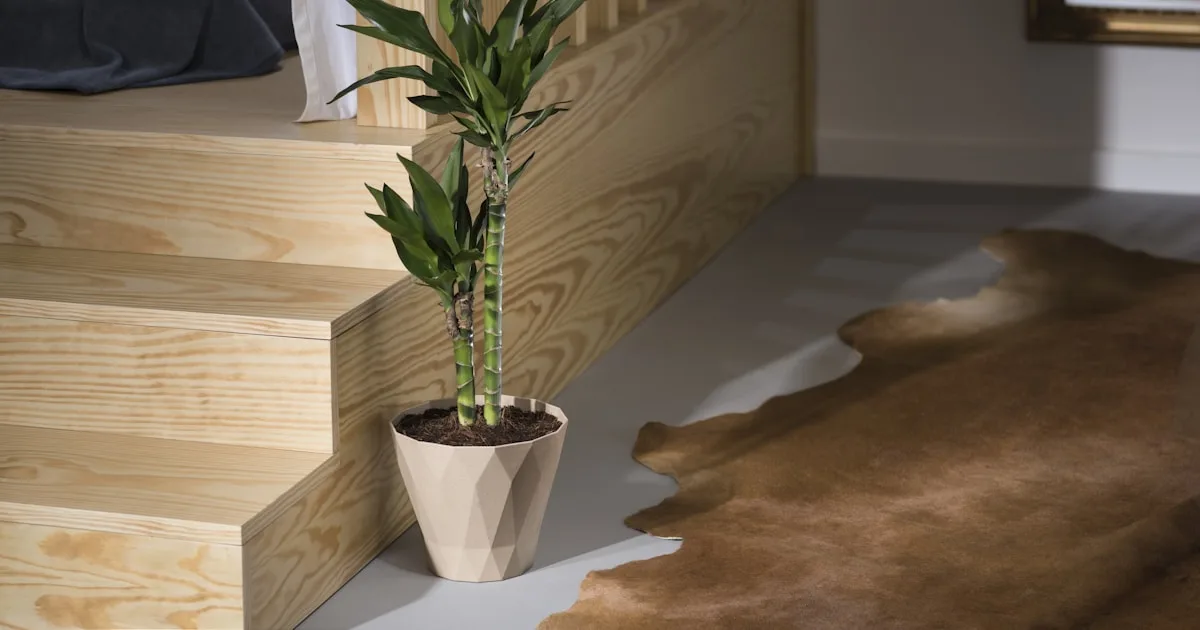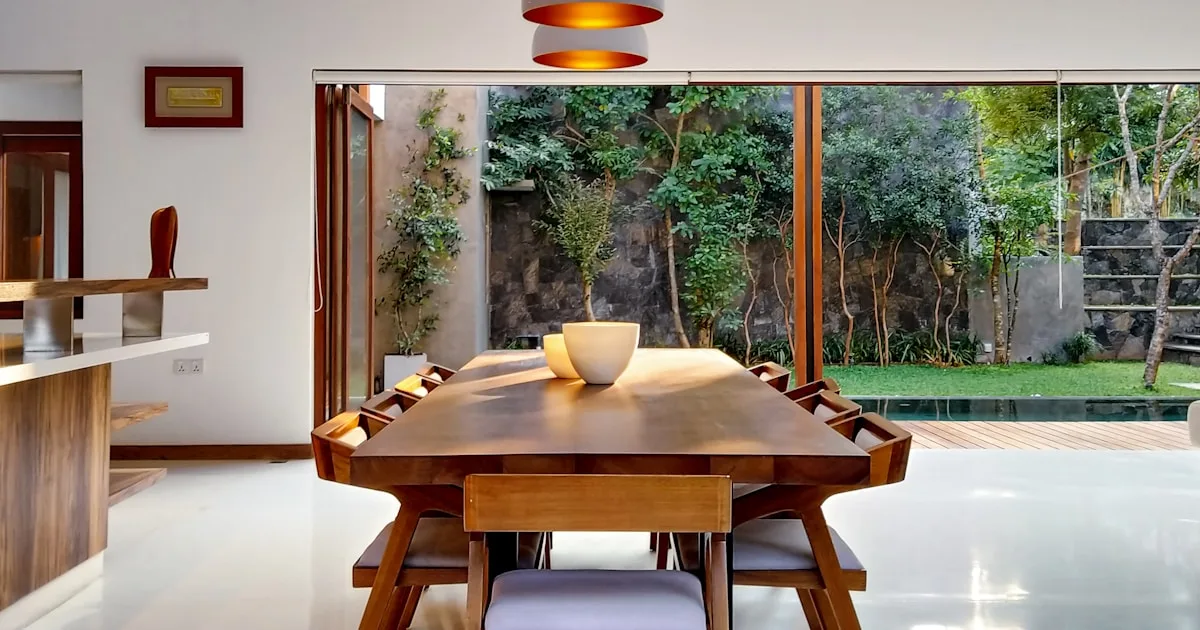
Sustainable interior design is not a trend - it is a fundamental shift in how we think about our homes and their impact on the world. Every piece of furniture we buy, every textile we choose, and every decorative object we bring into our spaces carries an environmental and human cost. Sustainable design asks us to consider those costs honestly and make choices that are kinder to the planet and the people who make the things we live with.
At Pitta.lv, sustainability is not an add-on - it is the foundation of everything we do. Our handcrafted rattan furniture, wooden stools, natural textiles, and woven baskets are sourced from artisan communities that use traditional, low-impact techniques and renewable natural materials. We believe that the most beautiful objects are those made with care - for the craft, for the maker, and for the earth.
This guide is a comprehensive resource for anyone who wants to build a home that is both beautiful and responsible. From understanding materials and certifications to practical room-by-room guidance, we cover every aspect of sustainable interior design.
What Is Sustainable Interior Design? Principles & Philosophy
Sustainable interior design is the practice of creating functional, beautiful living spaces while minimizing negative environmental impact and supporting ethical human practices. It considers the entire lifecycle of every element in the home - from raw material extraction and manufacturing through use, maintenance, and eventual disposal.
The core principles of sustainable interior design:
- Material consciousness - Choosing materials that are renewable, recycled, recyclable, or biodegradable. Avoiding materials that deplete finite resources, require excessive energy to produce, or release harmful chemicals. Natural materials like wood, rattan, linen, jute, and clay are inherently more sustainable than synthetics derived from petrochemicals.
- Longevity over disposability - Investing in well-crafted pieces that last decades rather than cheap, disposable items that end up in landfills within years. A solid wood stool that serves you for 20 years has a fraction of the environmental impact of five particle-board replacements.
- Ethical sourcing - Ensuring that the people who make your furniture and decor are paid fairly, work in safe conditions, and practice their craft sustainably. Supporting artisan communities and traditional crafts over exploitative factory production.
- Low-impact manufacturing - Favoring handcrafted or small-batch production over energy-intensive industrial manufacturing. Hand-woven baskets require human skill and natural materials - no factory, no electricity, no chemical processes.
- Circular thinking - Choosing items that can be repaired, repurposed, or composted at end of life. Avoiding materials that will sit in landfills for centuries. Natural fibers biodegrade; plastic does not.
- Indoor environmental quality - Selecting materials and finishes that do not off-gas volatile organic compounds (VOCs) or release harmful chemicals into your home. Natural materials inherently contribute to healthier indoor air quality.
Sustainable design does not mean sacrificing beauty or comfort. In fact, the most sustainable choices - handcrafted furniture, natural textiles, artisan ceramics - are often the most beautiful, precisely because they are made with care, skill, and respect for materials.
Sustainable Materials: What to Choose and What to Avoid
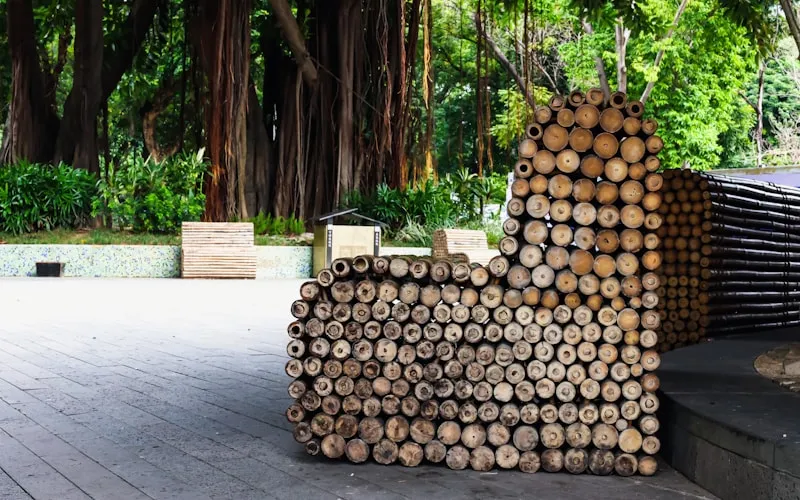
The materials you bring into your home are the single most impactful sustainability decision in interior design. Here is a comprehensive guide to the most and least sustainable material choices.
Highly sustainable materials:
Rattan and bamboo: These are among the most sustainable furniture materials available. Rattan is a palm that grows rapidly in tropical forests without requiring replanting - harvesters cut the vine, and it regrows naturally. Bamboo grows even faster, reaching maturity in three to five years compared to 20 to 50 years for hardwood trees. Both materials are lightweight, strong, and beautiful. Our rattan furniture collection exemplifies how sustainable materials can produce stunning, durable pieces.
Reclaimed and FSC-certified wood: Reclaimed wood - salvaged from old buildings, boats, and furniture - gives existing materials a new life and prevents them from becoming waste. When buying new wood furniture, look for FSC (Forest Stewardship Council) certification, which ensures responsible forest management. Our solid wood furniture and wooden stools are crafted from sustainably sourced timber.
Linen: Made from flax, linen requires significantly less water and fewer pesticides than cotton. It is naturally durable, biodegradable, and becomes softer and more beautiful with use and washing. Linen textiles - for bedding, curtains, and upholstery - are one of the most sustainable fabric choices you can make.
Organic cotton: Conventional cotton is one of the most pesticide-intensive crops, but organic cotton uses no synthetic chemicals and far less water. For cushion covers, throws, and lighter textiles, organic cotton is an excellent sustainable option.
Natural clay and ceramic: Handmade pottery and ceramics use abundant natural materials and traditional firing techniques. Artisan vases and ceramic objects are durable, beautiful, and fully recyclable or compostable.
Jute and sisal: These natural plant fibers make excellent rugs, baskets, and rope. They are fast-growing, require minimal processing, and biodegrade completely.
Materials to avoid or minimize:
- Virgin plastic - Derived from fossil fuels, non-biodegradable, and often releases microplastics. Avoid plastic furniture, synthetic rugs, and polyester textiles where natural alternatives exist.
- MDF and particle board - Made from wood chips bonded with formaldehyde-based resins that off-gas harmful VOCs. Choose solid wood or reclaimed timber instead.
- Fast furniture - Cheaply made items designed for short-term use generate enormous waste. The furniture industry's equivalent of fast fashion.
- Synthetic fabrics - Polyester, acrylic, and nylon are plastic-derived fabrics that shed microplastics with every wash and do not biodegrade.
- Tropical hardwoods without certification - Teak, mahogany, and other tropical hardwoods sourced from illegal logging destroy irreplaceable old-growth forests.
Ethical Sourcing: Supporting Artisans & Fair Trade Practices
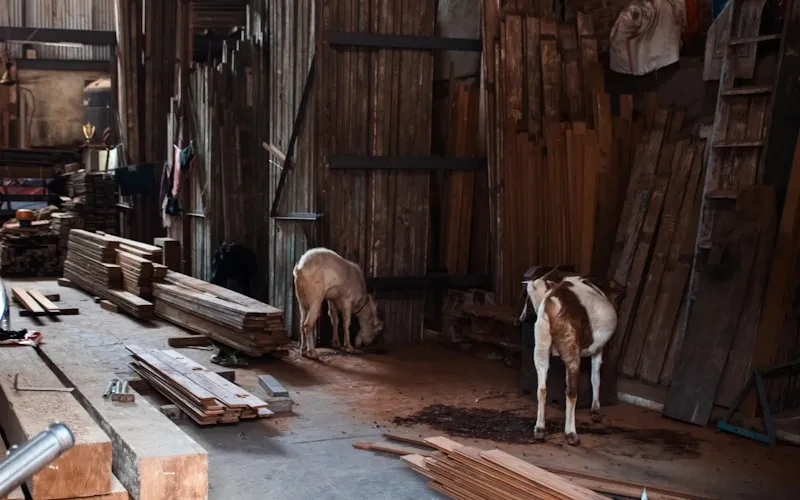
Sustainability is not just about materials - it is about people. The human story behind every piece of furniture and decor is just as important as its environmental impact. Ethical sourcing ensures that the craftspeople who create beautiful objects are treated with dignity, paid fairly, and supported in preserving their traditional skills.
Why artisan-made matters:
When you buy a hand-woven basket, a rattan chair shaped by an experienced craftsperson, or a wooden stool turned on a traditional lathe, you are supporting a human being and their community. Artisan production typically involves:
- Traditional skills - Craft techniques passed down through generations that would otherwise be lost to industrial production
- Local materials - Artisans usually work with materials sourced from their immediate environment, reducing transportation emissions
- Low energy consumption - Handcrafting uses human skill rather than factory machinery, dramatically reducing energy use
- Community economic impact - Artisan wages circulate within local communities, supporting families, schools, and local economies
- Cultural preservation - Supporting traditional crafts helps preserve cultural heritage and indigenous knowledge systems
How to identify ethically sourced products:
- Transparency - Ethical brands are transparent about where and how their products are made. They name their artisan communities, describe their production processes, and share their sourcing practices.
- Fair Trade certification - Products certified by Fair Trade organizations meet strict standards for fair wages, safe working conditions, and community development.
- Direct artisan relationships - Brands that work directly with artisan workshops - rather than through multiple intermediaries - can better ensure fair treatment and quality craftsmanship.
- Small-batch production - Handcrafted items produced in small quantities are more likely to come from ethical, human-scale workshops than mass-produced alternatives.
At Pitta.lv, our commitment to ethical sourcing is central to our mission. Every piece in our rattan, basket, textile, and accessories collections comes from artisan communities where traditional craftsmanship is valued, fairly compensated, and actively preserved for future generations.
Practical Strategies for a Sustainable Home
Creating a sustainable home is a process of many small, thoughtful decisions rather than a single dramatic overhaul. Here are practical strategies that make a real difference.
1. Buy less, buy better:
This is the single most impactful sustainable design strategy. Instead of filling your home quickly with inexpensive items, invest gradually in fewer, higher-quality pieces that will last. A well-crafted rattan chair that serves you for 15 years is dramatically more sustainable than three cheap chairs replaced every five years - even if the initial cost is higher.
2. Choose secondhand first:
Before buying anything new, check if you can find what you need secondhand. Vintage furniture, thrift store finds, and reclaimed materials keep existing items out of landfills and require zero new manufacturing resources. Secondhand pieces also bring character and history to your home.
3. Prioritize multipurpose pieces:
Furniture that serves multiple functions reduces the total number of items you need. Wooden stools that work as seating, side tables, and plant stands. Baskets that serve as storage, planters, and decorative objects. Multipurpose design is inherently sustainable because it satisfies more needs with fewer items.
4. Repair and maintain:
Extend the life of your furniture through proper care and timely repair. Oil wooden surfaces, tighten loose joints, mend textiles, and reupholster rather than replace. Natural materials like solid wood, rattan, and linen are particularly well-suited to repair and maintenance - they age gracefully and respond well to simple care.
5. Choose natural finishes:
Opt for furniture finished with natural oils, waxes, and water-based stains rather than synthetic lacquers and varnishes that release VOCs. Natural finishes are healthier for your indoor air quality and can be easily refreshed and maintained over time.
6. Maximize natural light:
Use sheer linen curtains rather than heavy blackout drapes to maximize natural light during the day, reducing electricity consumption. Position furniture and workspaces near windows to take advantage of daylight.
7. Invest in energy-efficient lighting:
When artificial light is needed, choose LED bulbs in warm tones paired with beautiful lamp fixtures. A well-designed lamp that you love and use for years is more sustainable than frequently replacing trendy light fixtures.
8. Embrace plants:
Houseplants improve indoor air quality by filtering pollutants and increasing oxygen. They also reduce the perceived need for other decorative objects, and they are endlessly renewable - propagate new plants from cuttings of existing ones.
Sustainable Design Room by Room

Sustainable living room:
Anchor the room with a quality sofa upholstered in natural fabric - organic cotton, linen, or responsibly sourced leather - on a solid wood or metal frame that can be reupholstered when the fabric wears. Add rattan accent seating, a reclaimed or FSC-certified wood coffee table, and natural-fiber rugs. Use handwoven baskets for storage, and style surfaces with artisan ceramics, natural home decor, and plants rather than plastic-based pieces. Layer lighting with energy-efficient lamps.
Sustainable bedroom:
Invest in a solid wood bed frame that will last a lifetime, paired with an organic mattress (look for GOTS or GOLS certifications). Dress the bed in organic linen or cotton bedding - linen is particularly sustainable and becomes more comfortable with every wash. Choose wooden bedside stools or tables, and keep decor minimal - a single ceramic vase with flowers, a plant, and a good reading lamp.
Sustainable kitchen:
The most sustainable kitchen prioritizes durable, repairable materials: solid wood or recycled-content cabinets, natural stone countertops, and quality hardware. Replace plastic storage with glass jars, ceramic containers, and woven baskets. Choose energy-efficient appliances and maximize natural light. Display your most beautiful everyday items - ceramic bowls, wooden cutting boards, linen tea towels - on open shelving.
Sustainable bathroom:
Choose water-saving fixtures, natural stone or recycled tile, and a solid wood vanity. Replace plastic accessories with ceramic soap dishes, wooden brushes, and linen towels. Install a low-flow showerhead that reduces water consumption without sacrificing comfort. A wooden bath stool is both beautiful and endlessly functional.
Sustainable home office:
A solid wood desk, an ergonomic chair with natural upholstery, and good natural lighting form the foundation. Use baskets and wooden organizers instead of plastic desk accessories. Choose a quality desk lamp with an LED bulb. Invest in technology that is energy-efficient and repairable rather than disposable.
Avoiding Greenwashing: How to Identify Truly Sustainable Products
As consumer demand for sustainability grows, so does greenwashing - the practice of making misleading environmental claims to sell products. Learning to distinguish genuine sustainability from marketing spin is an essential skill for the eco-conscious consumer.
Common greenwashing tactics to watch for:
- Vague claims - Terms like "eco-friendly," "green," or "natural" without specific evidence or certification. What does "eco-friendly" actually mean? If the brand does not explain the specific environmental benefit, the claim may be empty.
- Irrelevant claims - Highlighting one positive attribute while ignoring larger problems. A plastic-framed chair advertised as "using recycled packaging" is still fundamentally a plastic chair.
- Hidden trade-offs - A product may be sustainable in one respect (made from organic cotton) while problematic in others (dyed with toxic chemicals, produced in exploitative conditions, shipped halfway around the world by air freight).
- No proof - Sustainable claims without third-party certification or transparent supply chain information. Genuine sustainable brands welcome scrutiny and provide evidence.
- Lesser of two evils - Making an unsustainable product slightly less bad and calling it "sustainable." A slightly less polluting industrial process is not the same as a genuinely low-impact production method.
How to verify sustainable claims:
- Look for recognized certifications: FSC (wood), GOTS (textiles), Fair Trade, B Corp, Cradle to Cradle
- Research the brand's supply chain - do they name their makers and material sources?
- Check what the product is actually made from - natural materials or synthetic?
- Consider the product's entire lifecycle - production, use, and end of life
- Ask yourself: could this product be repaired, repurposed, or composted when it reaches end of life?
The simplest test of sustainability is often the most reliable: Is the product made from natural materials by skilled people using traditional or low-impact methods? If yes, it is likely genuinely sustainable. The rattan furniture, hand-woven baskets, linen textiles, and artisan accessories that form the core of sustainable interior design all pass this test.
Our Commitment: Sustainability at the Heart of Pitta.lv
At Pitta.lv, sustainability is not a marketing claim - it is the reason we exist. Every product in our collections is chosen based on three non-negotiable criteria: the quality of the material, the ethics of its production, and the skill of its maker.
Our materials:
We work exclusively with natural, renewable materials. Our rattan furniture is made from sustainably harvested rattan palm that regenerates naturally in tropical forests. Our wooden pieces use responsibly sourced timber. Our textiles are natural fibers - linen, cotton, and jute - that biodegrade harmlessly at end of life. Our baskets are woven from natural grasses and plant fibers using techniques unchanged for generations.
Our makers:
Every piece in our collection is handcrafted by skilled artisans. We work directly with artisan communities, ensuring fair wages, safe working conditions, and the preservation of traditional craftsmanship. When you buy from Pitta.lv, your purchase directly supports the livelihood and cultural heritage of real people.
Our philosophy:
We believe the most sustainable design is also the most beautiful. Handcrafted furniture from natural materials - a rattan chair with visible weaving, a wooden stool showing natural grain, a ceramic vase with the maker's fingerprints - carries a warmth and authenticity that no factory-made product can replicate. These pieces do not go out of style because their beauty is inherent to their material and making, not dependent on passing trends.
We encourage our customers to buy thoughtfully, care for their pieces, and build their homes gradually with objects that bring lasting joy. Browse our complete collections:
- Rattan Furniture - Handcrafted chairs, tables, and accent pieces
- Wooden Stools - Artisan-turned stools and wooden accents
- Textiles - Natural linen and cotton for every room
- Baskets - Hand-woven storage and decor
- Vases - Artisan ceramic and stoneware pieces
- Lamps - Handcrafted lighting in natural materials
- Accessories - Curated natural decor objects
- For Tea Lovers - Handcrafted tea ceremony essentials
- The Raw Aesthetic - Bold, unfinished natural pieces
Sustainable interior design is the most meaningful investment you can make in your home - and in the future. Every choice to favor handcrafted over mass-produced, natural over synthetic, and lasting over disposable is a vote for the kind of world we want to live in.
The beautiful thing is that sustainable choices almost always lead to more beautiful spaces. Rooms filled with handcrafted rattan, natural wood, linen textiles, and artisan ceramics have a warmth, character, and authenticity that no amount of factory-made decor can achieve.
Start where you are. You do not need to replace everything at once. As items need replacing, choose the sustainable option. As you add new pieces, choose the handcrafted one. Over time, your home will become a reflection of values that matter - beauty, quality, responsibility, and care for the world that provides us with such extraordinary materials to work with.
Frequently Asked Questions
Enjoyed this guide?
Share it with someone who'd find it useful