Living in a small space doesn't mean living without style. In fact, some of the most beautifully designed living rooms in the world are compact ones - spaces where every piece of furniture earns its place and every design decision is intentional.
The secret to a great small living room isn't buying less furniture - it's buying the right furniture. Pieces that serve multiple purposes, fit the scale of your room, and create visual flow rather than visual clutter. The right furniture choices can make a 150-square-foot room feel twice its size, while the wrong ones can make a 300-square-foot room feel cramped.
This guide covers 15 proven small living room furniture ideas - from choosing the right sofa to smart storage solutions, layout strategies, and the styling tricks designers use to create the illusion of space. Whether you're furnishing a studio apartment, a city condo, or simply working with a smaller-than-average living area, these ideas will help you create a room that's both functional and beautiful.
1. Choose Furniture That Fits Your Room's Scale
The single biggest mistake people make in small living rooms is buying furniture that's too large. A full-size three-seater sofa designed for a spacious family room will overwhelm a compact space, making the entire room feel cramped before you've added anything else.
The golden rule: Measure your room first, then shop. Leave at least 30-36 inches for walkways and 14-18 inches between your sofa and coffee table. In a small living room, even a few inches of difference in furniture dimensions can dramatically change how the room feels.
Scale-appropriate options include:
- Apartment-sized sofas (70-80 inches instead of 84-96 inches) - these shave 6-12 inches off a standard sofa while still comfortably seating two to three people
- Slim-profile armchairs - look for chairs with narrow arms or armless designs that take up less visual and physical space
- Compact accent chairs - a single well-chosen accent chair provides flexible seating without the footprint of a loveseat
- Low-profile pieces - furniture with a lower seat height (under 17 inches) creates more visual space between the furniture and the ceiling, making the room feel taller
When selecting seating, consider artisan wooden stools as versatile alternatives - they work as extra seating when guests visit, side tables for daily use, and can be easily tucked away when not needed.
2. Invest in Multifunctional Furniture
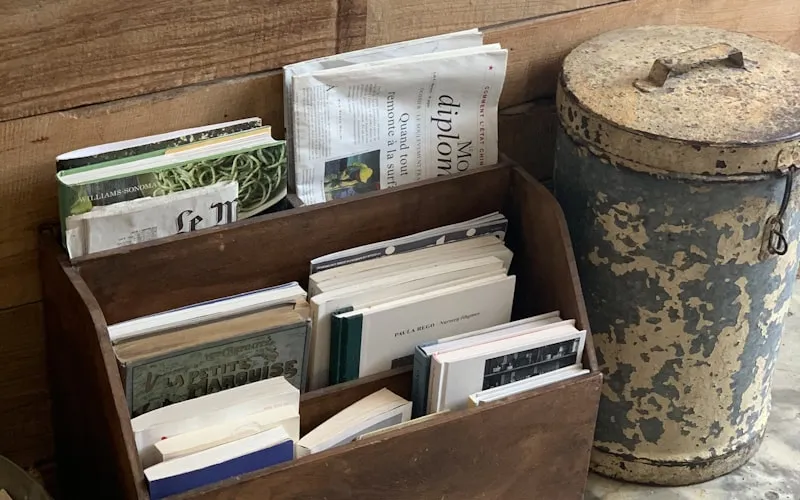
In a small living room, every piece of furniture should ideally serve at least two purposes. This is the single most effective strategy for maximizing a compact space - you get the functionality of a larger room with half the furniture count.
Top multifunctional furniture ideas for small living rooms:
- Storage ottomans - use them as a coffee table, extra seating, and hidden storage for blankets, remotes, and magazines all at once
- Nesting tables - a set of two or three tables that stack together when not in use, then spread out when you need them for entertaining
- Sofa beds or futons - essential if your living room doubles as a guest room, modern designs look nothing like the uncomfortable futons of the past
- Console tables that convert to dining - slim behind-the-sofa consoles that extend into a full dining surface
- Stools as side tables - handcrafted wooden stools are perfect dual-purpose pieces: pull them up for seating when friends visit, use them as plant stands or side tables day-to-day
- Storage baskets - woven baskets serve as both decor and storage, hiding clutter while adding texture and warmth to your space
The key is choosing pieces that transition seamlessly between functions without looking like obvious "space-saving" furniture. Quality craftsmanship and natural materials make multifunctional pieces feel intentional rather than compromised.
3. Pick the Perfect Small Living Room Sofa
Your sofa is likely the largest piece of furniture in your living room, so getting this choice right is critical. The wrong sofa can eat up your entire floor plan; the right one anchors the room beautifully while leaving space for everything else.
Best sofa styles for small living rooms:
- Loveseats (54-70 inches) - perfect for rooms under 150 square feet, they seat two comfortably and leave room for accent chairs
- Apartment sofas (72-80 inches) - the sweet spot for most small living rooms, slightly smaller than standard without feeling cramped
- Armless sofas or benches - removing arms can save 8-12 inches of total width, and the clean lines create a more open, modern look
- Settees - these elegant, smaller-scale pieces work brilliantly in very tight spaces and bring a sophisticated aesthetic
What to avoid:
- Deep-seated sofas (over 36 inches deep) - they eat into your walkway space
- Bulky reclining sections - the mechanism adds significant depth even when not reclined
- Dark, heavy upholstery in an already dim room - opt for lighter tones to keep things airy
- Oversized rolled arms - they add width without adding seating capacity
Pro tip: Choose a sofa with visible legs (at least 5-6 inches of clearance underneath). Seeing the floor beneath furniture creates a visual sense of openness - a trick designers consistently use in small spaces. This also makes vacuuming much easier.
4. Smart Layout Strategies for Small Living Rooms
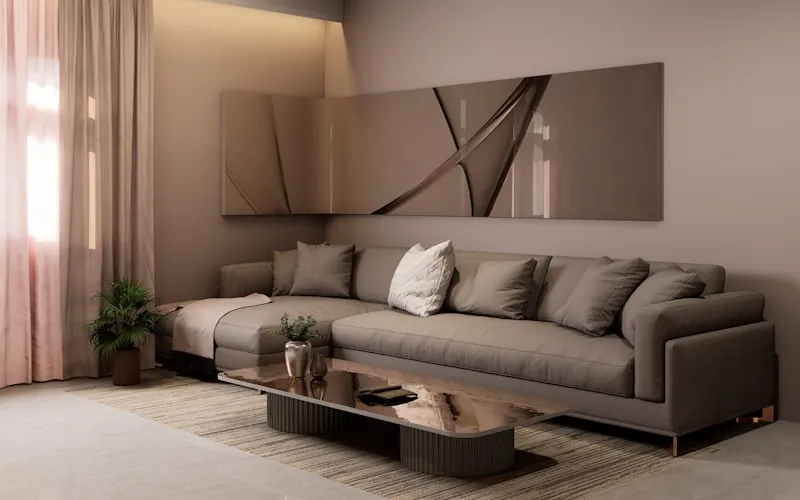
How you arrange your furniture matters just as much as what furniture you choose. A smart layout can make a small room feel functional and flowing, while a poor one creates bottlenecks and dead zones.
Proven layouts for small living rooms:
The Floating Layout: Pull furniture away from the walls by even 3-6 inches. Counterintuitively, this makes the room feel larger because it creates a sense of depth and breathing room. A sofa floating in the middle of a small room defines the seating area without touching every wall.
The L-Shape: Place your sofa along one wall and an accent chair or pair of stools at a 90-degree angle. This creates a conversational grouping that feels intentional and leaves one side of the room completely open for flow.
The Diagonal: In a square room, angling your sofa diagonally across a corner can create surprising visual interest and make the space feel larger by drawing the eye along the longest dimension of the room.
The Symmetrical: Two matching chairs facing each other with a small table between them can replace a sofa entirely in very small rooms. This creates a formal, elegant look that's also highly flexible - chairs are easy to reposition for different activities.
Critical layout rules:
- Maintain at least 30 inches for primary walkways (the path from the door to the seating area)
- Leave 14-18 inches between seating and the coffee table - close enough to reach a drink, far enough to cross your legs
- Don't block windows with tall furniture - natural light is your best tool for making a room feel bigger
- Create a clear sight line from the entrance into the room - an unobstructed view into the space makes it feel more open from the moment you walk in
5. Smart Coffee & Side Table Choices
The coffee table is often the second-largest footprint in a living room, so choosing the right one (or skipping it entirely) can dramatically affect how spacious your room feels.
Best coffee table options for small living rooms:
- Round tables - they take up less visual space than rectangular ones and eliminate sharp corners you'd bump into in a tight layout. A 30-36 inch round table is the sweet spot for small rooms
- Nesting tables - a set that tucks together gives you surface area when needed and a minimal footprint when not
- Glass or acrylic tables - transparent materials let light pass through and the floor remain visible, creating the illusion of more open space
- Wooden stools as side tables - a handcrafted wooden stool beside your sofa does the job of a side table with a much smaller footprint, and it can be moved around or used as seating when needed
- Skip it entirely - in very small rooms, consider replacing the coffee table with a small side table and a couple of decorative baskets for storage. You gain back the entire center of the room
Side tables for small spaces: Look for tables no wider than 18 inches. C-shaped or slide-under tables that tuck partially under the sofa arm are brilliant space savers - they give you a surface for your drink without taking up dedicated floor space.
6. Go Vertical: Storage That Doesn't Eat Floor Space
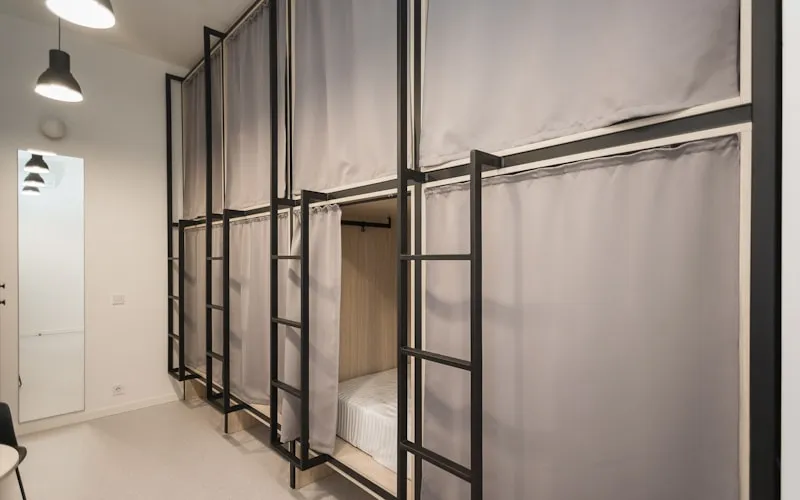
In a small living room, your walls are your best friend. Every inch of vertical space you use for storage is floor space you free up for furniture and movement.
Vertical storage ideas:
- Floating shelves - install them above the sofa, around windows, or in any unused wall space. They hold books, plants, and decor without any floor footprint
- Tall, slim bookcases - a narrow bookcase (8-12 inches deep) provides massive storage in a minimal footprint. Go floor-to-ceiling to draw the eye upward and make the room feel taller
- Wall-mounted TV - freeing up the space a TV stand would occupy is one of the biggest wins in a small living room. Use the freed-up floor area for a slim console or additional seating
- Ladder shelves - their tapered profile takes up less visual space than a traditional bookcase while still providing 4-5 shelves of storage
- Hanging planters - bring greenery in without sacrificing table or floor space by using ceiling hooks or wall-mounted planters
For items that do need to live at ground level, handwoven storage baskets are both functional and beautiful. They tuck beside sofas, under console tables, or in corners to hold blankets, magazines, toys, or anything else that would otherwise create visual clutter. The natural woven texture also adds warmth and character that plastic storage bins never could.
7. Choose Furniture with Legs and Visual Lightness
One of the most powerful tricks in small-space design is choosing furniture that reveals the floor beneath it. When you can see the floor extending under and behind furniture, your brain perceives the room as larger than it actually is.
What this means in practice:
- Sofas with exposed legs - 5-6 inch clearance underneath is ideal. Avoid skirted sofas that touch the floor
- Open-frame chairs - rattan and woven chairs are perfect for small rooms because their open weave lets light pass through, making them feel visually lighter than solid upholstered pieces
- Glass or acrylic coffee tables - these almost disappear visually, keeping the center of your room feeling open
- Slim metal or wood frames - furniture with thin legs and minimal frames takes up less visual weight than chunky, solid bases
Rattan furniture is particularly effective in small living rooms for exactly this reason. The natural woven material has an inherent lightness and transparency that solid wood or upholstered pieces can't match. A rattan armchair takes up the same physical space as an upholstered one, but it feels dramatically lighter because light passes through the weave. Pair it with a cushion in natural linen from our textiles collection for comfort without heaviness.
8. Use Color and Light to Expand the Space
Furniture color and finish play a huge role in how spacious your living room feels. The right choices amplify light and create depth; the wrong ones absorb light and make walls feel closer.
Furniture color strategies:
- Light-toned upholstery - cream, oatmeal, soft gray, and warm white fabrics reflect light and recede visually, making furniture feel less dominant in the room
- Natural wood tones - light to medium wood (oak, ash, birch, rattan) keeps things warm without the visual weight of dark walnut or mahogany
- Match your furniture tone to your walls - a sofa that's a similar tone to the wall behind it creates a seamless, unbroken visual line that makes the room feel larger
- One dark accent piece - a single dark element (a chair, a side table, a statement lamp) creates depth and visual interest without overwhelming the space
Lighting for small living rooms:
- Layer multiple light sources (floor lamp, table lamp, overhead) instead of relying on one harsh ceiling fixture
- Place lamps in corners to push light outward and eliminate dark shadows that make rooms feel smaller
- Use warm-toned bulbs (2700-3000K) - warm light feels inviting and expansive while cool fluorescent light can feel harsh in tight spaces
- Mirrors opposite windows double the natural light in your room - one of the oldest and most effective small-space tricks
9. Furniture with Built-In Storage
Clutter is the enemy of a small living room. Even the best-designed compact space will feel cramped if every surface is covered with stuff. The solution? Furniture that hides your belongings inside itself.
Storage furniture ideas for small living rooms:
- Storage ottomans - the MVP of small living room furniture. Use it as a coffee table (add a tray on top), extra seating, footrest, and hidden storage for blankets, board games, or anything else
- Sofas with under-seat storage - some apartment-sized sofas include lift-up seats or pull-out drawers beneath the cushions
- Console tables with drawers or shelves - place one behind your sofa or against a wall for a slim storage surface that holds keys, remotes, chargers, and miscellaneous items
- TV units with closed cabinets - if you use a TV stand rather than wall-mounting, choose one with doors or drawers to hide electronics, cables, and media
- Baskets, baskets, baskets - woven storage baskets are the easiest way to keep a small room tidy. Place one beside the sofa for throws, one near the TV for remotes and controllers, and one by the door for daily essentials. They look intentional and beautiful while hiding everything messy
The goal is to give every item in your living room a "home" - a specific place it belongs when not in use. When everything has a place, surfaces stay clear, and the room feels calm and spacious rather than chaotic.
10. Mirrors and Visual Tricks That Double Your Space
Designers have used visual tricks to make small rooms feel larger for centuries. These techniques don't change the physical dimensions of your room, but they dramatically change how it feels.
The most effective visual tricks:
- Large mirror on one wall - a floor-to-ceiling or oversized mirror reflects the entire room back, effectively doubling the visual depth. Place it opposite a window to maximize natural light
- Mirrored or metallic accent furniture - a mirrored side table or metallic accessories catch and bounce light around the room
- Vertical lines - vertical stripes on curtains, tall narrow artwork, or floor-to-ceiling shelving draws the eye upward and makes ceilings feel higher
- Clear sight lines to windows - keep the path between your entry and windows unobstructed. When you can see straight through to natural light, the room feels more open
- Rugs that extend under furniture - a rug that's large enough to go under your sofa's front legs (at minimum) makes the seating area feel unified and larger. A too-small rug floating in the center does the opposite - it visually shrinks the space
- Consistent flooring - avoid breaking up the floor with multiple rugs or transitions. One continuous floor surface reads as one continuous space
These tricks work because our brains use visual cues - light, depth, unbroken lines - to estimate the size of a space. By manipulating these cues, you can make your small living room feel significantly more generous than its actual measurements.
11. Natural Materials: The Small Room Advantage
Natural materials have a unique advantage in small spaces: they add warmth and character without the visual weight of heavily manufactured or overly polished furniture. There's a reason why the most beautiful small apartments in Copenhagen, Tokyo, and Paris all rely heavily on wood, rattan, linen, and natural fibers.
Why natural materials work so well in small rooms:
- Rattan and wicker - rattan furniture is inherently lightweight and open-weave, letting light pass through. A rattan chair, side table, or shelf unit adds enormous texture and warmth while feeling visually light
- Natural wood - warm-toned wood in lighter finishes (oak, ash, bamboo) brings organic beauty without darkness. Artisan wooden stools are particularly versatile in small spaces
- Linen and cotton textiles - natural fabric throws and cushions add layers of comfort and texture in light, breathable materials that never feel heavy or overwhelming
- Woven baskets - handwoven baskets provide storage with warmth and texture. They soften the hard edges of a small room while keeping clutter hidden
- Ceramic and pottery - a handmade vase or ceramic accessory adds personality in a small footprint. One beautiful object can do more for a room than ten mass-produced ones
The beauty of natural materials is that they age gracefully. A rattan chair develops character over years of use. A wooden stool gets richer. Linen softens. In a small room where you'll see and touch every piece every day, this living quality matters enormously.
12. The Art of Editing: What NOT to Put in a Small Living Room
Knowing what to leave out is just as important as knowing what to include. In a small living room, every piece you remove gives the remaining pieces more breathing room and impact.
Common items to reconsider:
- The traditional coffee table - consider whether you actually need one, or whether a pair of side tables or stools would serve better with a smaller footprint
- Matching furniture sets - a sofa-loveseat-chair set is designed for large rooms. In a small space, a sofa plus one or two accent pieces gives you more flexibility and visual interest
- Large entertainment centers - wall-mount your TV and use a slim console or floating shelf instead
- Oversized rugs - counterintuitively, a too-small rug is worse than no rug, but a huge, overpowering patterned rug can also shrink a room visually. Choose a simple, lightly-textured rug in a neutral tone
- Too many throw pillows - in a small room, 2-4 pillows on the sofa is plenty. A mountain of cushions eats into your actual seating space
- Floor-standing decor - large floor vases, statues, or plant stands take up precious floor space. Move decor to walls, shelves, and surfaces instead
The "one in, one out" rule: For every new item that enters your small living room, one should leave. This keeps the room from gradually accumulating clutter and maintains the spacious feeling you've worked to create.
13. Create Zones Without Walls
If your small living room needs to serve multiple functions - lounging, working, dining, reading - you can define zones without physical dividers that eat into your space.
Zoning strategies that work in small rooms:
- Rug placement - a rug under your seating area visually separates it from the rest of the room without any physical barrier
- Furniture arrangement - position the back of your sofa to subtly divide the living area from a small dining nook or workspace behind it
- Lighting changes - a pendant lamp over a dining area and a floor lamp by the sofa naturally suggests two different zones through light alone
- Open shelving - a slim, open bookcase (not a solid wall unit) can divide spaces while still allowing light and sight lines to pass through
- Level changes - even a low platform or a change in flooring material can signal a transition between zones
The key is subtlety. In a small room, heavy-handed dividers (solid bookshelves, folding screens, curtains) create claustrophobic box-like feelings. Light, suggestion-based zoning keeps the room feeling like one open space while allowing different activities to coexist comfortably.
14. Styling and Finishing Touches
Once your furniture is in place, the finishing touches bring your small living room to life. In a compact space, styling is about restraint and intention - every item should earn its place.
Styling rules for small living rooms:
- Odd numbers - group decor in clusters of 3 or 5. Three items on a shelf, a trio of items on your coffee table. Odd-numbered groupings look more natural and intentional than even ones
- Varying heights - a tall vase, a medium candle, and a small plant create dynamic visual interest. This draws the eye vertically and adds depth
- One statement piece per zone - in a small room, one bold artwork, one eye-catching lamp, or one unique accent is enough. Multiple competing statement pieces create visual chaos
- Textiles for warmth - a single linen throw draped over the sofa arm and two or three cushions add softness without clutter
- Plants - one or two well-placed plants (hanging or on a shelf, not on the floor) bring life and color to any room. A trailing plant on a high shelf is particularly effective in small rooms
- Clear surfaces - leave at least 30% of every surface empty. A coffee table with a tray, a plant, and one book looks curated. A coffee table covered in remote controls, coasters, magazines, and candles looks cluttered
Remember: in a small room, empty space IS a design element. The breathing room between objects is what makes the room feel considered rather than cramped.
15. Where to Invest and Where to Save
Furnishing a small living room has a silver lining: you need fewer pieces, which means you can invest more in each one. Here's where your money makes the biggest impact.
Invest in:
- Your sofa - it's the centerpiece and the piece you'll use most. A well-made, comfortable sofa in the right size will last years and make or break the room
- Lighting - one beautiful statement lamp does more for a small room's atmosphere than five cheap fixtures. Good lighting transforms the feeling of any space
- Quality natural materials - a handcrafted rattan chair or wooden stool develops character over time and becomes more beautiful with use. Mass-produced furniture in a small room where you see and touch everything daily will show its cheapness quickly
Save on:
- Throw pillows and cushions - swap these seasonally from affordable sources for a fresh look without breaking the bank
- Wall art and decor - personal photos in simple frames, found objects, or affordable prints can be just as impactful as expensive art in a small space
- Storage solutions - woven baskets are affordable, beautiful, and functional. You don't need built-in cabinetry for effective small-room storage
The beauty of a small living room is that it rewards quality over quantity. Three thoughtfully chosen, well-made pieces will always look better than ten mediocre ones competing for attention in a tight space.
A small living room isn't a design limitation - it's an opportunity to create something considered, intentional, and genuinely beautiful. The best small rooms feel curated rather than compromised, because every piece was chosen with care and purpose.
Start with the fundamentals: a right-sized sofa, one or two versatile wooden stools that serve as both seating and side tables, woven baskets for effortless storage, and a quality lamp that transforms the atmosphere. Add rattan pieces for their visual lightness, natural textiles for warmth, and a few carefully chosen accessories for personality.
Then edit ruthlessly. Remove everything that doesn't earn its place. The space you leave empty is just as important as the pieces you choose to fill it with. Your small living room may have fewer square feet than you'd like, but with the right furniture ideas, it can have all the style, comfort, and functionality you need.
Frequently Asked Questions
Enjoyed this guide?
Share it with someone who'd find it useful