Small space interior design is both an art and a science. Whether you are furnishing a 1 BHK apartment, decorating a compact condo, or making the most of a studio, the principles are the same: every piece must earn its place, every surface must work harder, and smart planning beats big budgets every time.
The good news? Small spaces, when designed well, often feel more intentional, more personal, and more elegant than their larger counterparts. Constraints breed creativity. This guide gives you everything you need - from layout strategies and multifunctional furniture ideas to realistic cost breakdowns - to transform a compact home into a space that feels open, organized, and genuinely comfortable.
Core Principles of Small Space Design
Before choosing a single piece of furniture, internalize these principles. They govern every successful small space:
- Function first, always - in a small home, you cannot afford decorative-only pieces. Everything must serve a practical purpose, and ideally more than one purpose.
- Vertical thinking - when floor space is limited, look up. Walls, the backs of doors, the tops of cabinets, and ceiling-mounted solutions multiply your usable area.
- Visual lightness - transparent, leggy, and slim-profiled furniture lets the eye travel through the room, making it feel larger. Bulky, floor-hugging pieces block sight lines and shrink a room visually.
- Declutter ruthlessly - a small space with too many things feels chaotic. A small space with carefully chosen things feels intentional. Editing is the most powerful design tool in a compact home.
- Light is your best friend - maximize natural light and use warm, well-placed artificial light to open up dim corners and create depth.
These principles apply whether your budget is tight or generous. The beauty of small space design is that success depends more on smart decisions than on expensive purchases.
Layout Strategies for 1 BHK and Small Apartments
A 1 BHK (one bedroom, hall, and kitchen) apartment typically ranges from 30 to 55 square meters. In this footprint, layout is everything - a few centimeters in the wrong direction can make or break a room.
Living room layout for small spaces:
- Float furniture away from walls - paradoxically, pushing a sofa to the center of a small room (or at least slightly off the wall) can make it feel larger by creating a sense of depth behind the furniture.
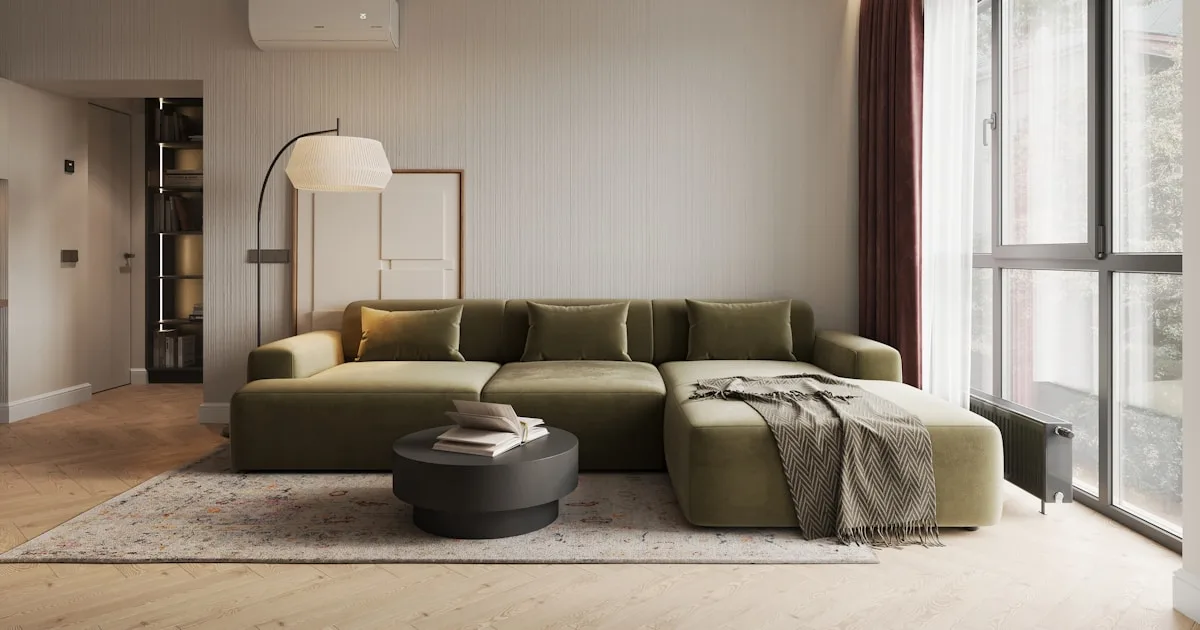
- Use a corner sofa or L-shape - these maximize seating capacity while occupying only two walls, leaving the opposite corner open.
- Replace the coffee table with nesting tables or a wooden stool - these can be moved aside when floor space is needed and used individually throughout the room.
- Create zones with rugs and lighting - a rug under the seating area and a different rug or mat in the dining zone creates separation without walls.
Kitchen layout:
In compact kitchens, wall-mounted open shelving saves depth compared to upper cabinets. Use the inside of cabinet doors for hanging storage. A narrow rolling cart or butcher block provides extra counter space and can be moved when not needed.
Bedroom layout:
Place the bed against the longest wall. If possible, use a bed with built-in storage underneath. Keep bedside tables minimal - a wall-mounted shelf or a small stool takes up far less space than a traditional nightstand. Use the space behind the bedroom door for hooks and over-door organizers.
Multifunctional Furniture: The Small Space Essential
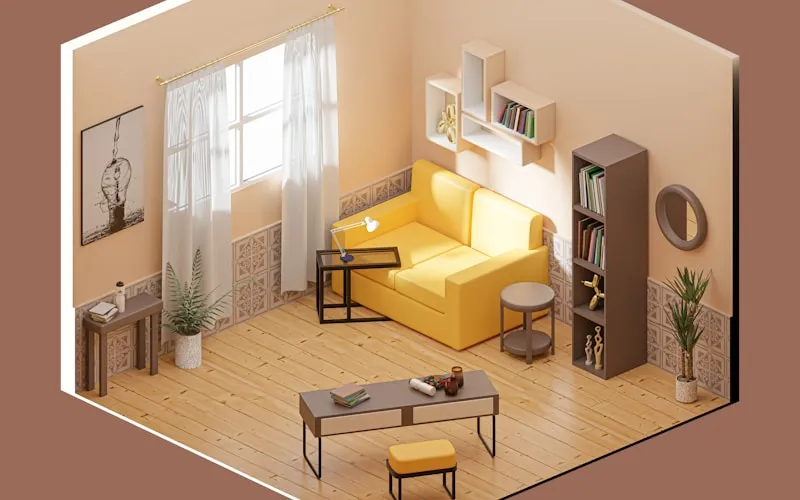
In a compact home, the best furniture does at least two jobs. This is where thoughtful design pays off enormously - a well-chosen multifunctional piece can replace two or three single-purpose items, saving both space and money.
Top multifunctional furniture choices:
- Stools as side tables, seating, and plant stands - an artisan wooden stool is perhaps the most versatile object in a small home. Use it beside the sofa as a drink perch, at the desk as seating, in the bedroom as a nightstand, or in the bathroom as a towel holder. Stack two or three for a sculptural shelving alternative.
- Storage baskets as decor - woven baskets eliminate visual clutter by hiding everyday items while adding natural texture. Use them for throw blankets, magazines, toys, laundry, pantry items, and bathroom supplies. They are storage and decoration simultaneously.
- Expandable dining tables - a small table that extends for guests saves floor space 90% of the time while still accommodating dinner parties.
- Sofa beds and daybeds - essential for studios and 1 BHK apartments where the living room doubles as a guest room.
- Wall-mounted desks - fold-down or floating desks provide a workspace without permanently occupying floor area.
- Ottoman storage - an ottoman with internal storage serves as seating, a footrest, a coffee table (with a tray on top), and a place to hide blankets.
When choosing multifunctional pieces, prioritize quality and durability. A cheap multifunctional item that breaks or looks poor after a year wastes money. A well-crafted piece that serves multiple purposes for a decade is a genuine investment.
Smart Storage That Creates Space
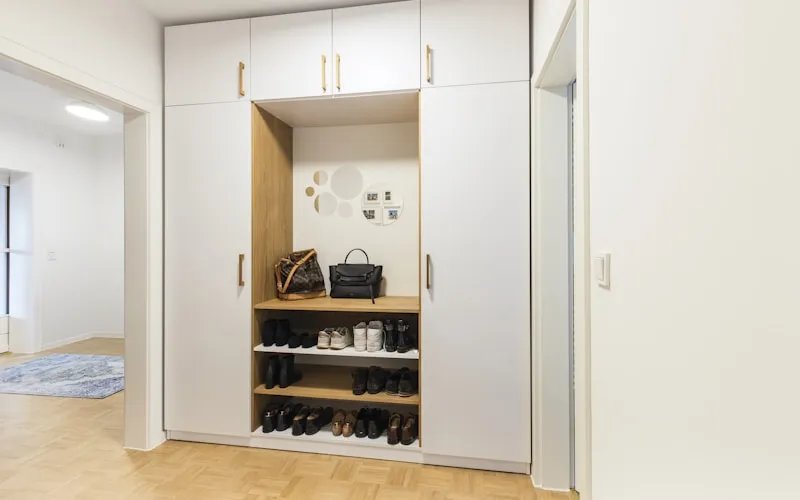
In small homes, the difference between "cluttered chaos" and "organized calm" is almost always storage. Every item needs a home, and that home needs to be easy to access and maintain.
Vertical storage:
- Floor-to-ceiling shelving uses wall height that is otherwise wasted
- Hooks behind doors for bags, scarves, and jackets
- Wall-mounted magnetic strips in the kitchen for knives and spice jars
- High shelves above doorways for infrequently used items
- Ceiling-mounted pot racks in kitchens
Hidden storage:
- Beds with drawer storage or lift-up bases
- Seating with interior compartments (benches, ottomans, window seats)
- Console tables with drawers at entryways
- Hollow side tables or stools
Decorative storage:
This is where handwoven baskets excel. Open shelving stacked with beautiful baskets looks intentional and warm, not cluttered. Use different sizes: large floor baskets for blankets and laundry, medium shelf baskets for books and supplies, small desk baskets for stationery and cables. The natural texture of woven fibers adds warmth while concealing everyday mess.
The one-in-one-out rule: In a small home, maintaining storage balance is ongoing. For every new item that enters, one should leave. This is not deprivation - it is curation. A small home with 50 well-chosen, beautiful objects will always feel better than one with 200 random purchases competing for space.
Making Small Spaces Look and Feel Larger
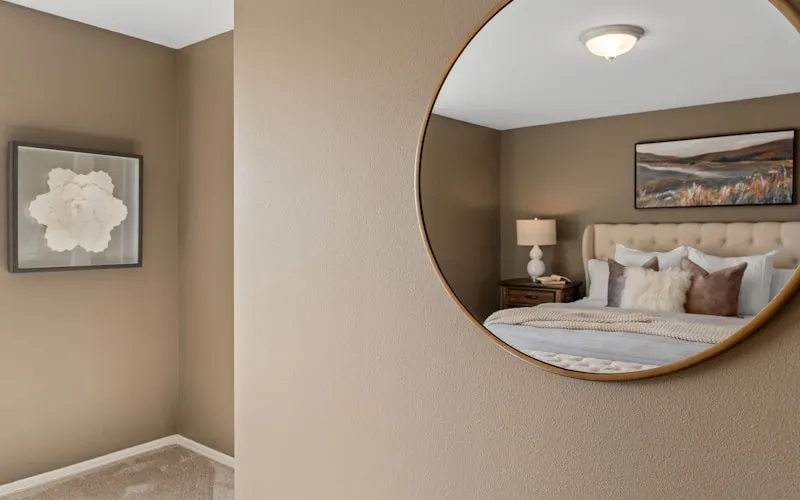
Beyond practical layout and storage, there are visual strategies that trick the eye into perceiving more space than physically exists.
Color and light:
- Light, warm neutrals on walls - warm white, soft cream, and pale sand reflect light and make walls recede, visually expanding the room
- Monochromatic color flow - using tonal variations of the same color family throughout (rather than contrasting colors in each room) makes the apartment feel like one continuous space
- Strategic mirrors - a large mirror on the wall opposite a window doubles the perceived depth of the room and amplifies natural light
- Sheer window treatments - heavy, dark curtains shrink a room. Light linen curtains that filter rather than block light maintain privacy while preserving the sense of space
Furniture choices:
- Leggy furniture - sofas, chairs, and tables with visible legs allow the eye to see the floor beneath, making the room feel more open than solid, floor-sitting pieces
- Transparent and reflective surfaces - glass or acrylic coffee tables, mirrors, and metallic accents take up physical space without blocking sight lines
- Consistent flooring - the same floor material throughout, without transition strips, makes small apartments feel dramatically larger
Scale awareness:
A common mistake is filling small rooms with lots of small furniture. Counterintuitively, a few well-scaled, larger pieces (one substantial sofa instead of three small chairs) often makes a room feel bigger because there are fewer objects for the eye to navigate. One large piece of art also outperforms a scattered collection of small frames in making a wall feel expansive.
1 BHK Interior Design Cost: Realistic Budget Guide
One of the most-searched questions about small space design is cost. Here is a realistic breakdown for furnishing and designing a 1 BHK apartment at three budget levels.
Budget-friendly (essential comfort):
- Focus spending on the bed and sofa - these are used daily and affect sleep and comfort most
- Use open shelving instead of expensive closed cabinetry
- Source secondhand furniture and refinish it
- Use woven baskets for storage instead of built-in systems
- Paint walls yourself in warm white
- Add warmth with affordable natural textiles - a linen throw, cotton cushion covers
Mid-range (quality and character):
- Invest in quality anchor pieces - a solid wood dining table, a well-made sofa bed
- Add artisan accents - handcrafted wooden stools, a few handmade accessories
- Professional paint job or feature wall
- Good quality linen bedding and curtains
- A mix of built-in and freestanding storage
Higher-end (design-led):
- Custom built-in storage maximized for the exact space
- Quality flooring (solid wood or quality tile)
- Designer or artisan lighting
- Premium natural textiles throughout
- Professional design consultation for layout optimization
Where to save vs. where to invest:
Save on: wall art (thrift or print your own), shelving (simple wooden brackets are elegant), storage containers (baskets are beautiful and affordable). Invest in: the mattress (you spend a third of your life on it), the sofa (it anchors the living space), lighting (warm, well-placed light transforms any room), and a few handcrafted pieces that bring soul and character.
Small Condo Design Ideas: Studio to One-Bedroom
Condos present specific design challenges - fixed layouts, limited renovation options, and shared walls that limit structural changes. Here are targeted ideas for common small condo scenarios.
Studio condo (one open room):
The biggest challenge is creating functional zones in a single space. Use a bookshelf, a curtain, or a rattan screen to visually separate the sleeping and living areas. Position the bed away from the entrance so the living zone greets visitors first. A small dining area near the kitchen counter - even just a wall-mounted fold-down table with two stools - defines mealtime as a separate activity from lounging.
One-bedroom condo:
With a separate bedroom, the living area can be fully dedicated to daytime activities. Make the bedroom a true retreat - invest in good bedding, blackout shades for sleep, and minimal furniture. This frees you to be more creative in the living area. A compact desk in the corner creates a work zone. Baskets under the coffee table hold remote controls, books, and blankets out of sight.
Common condo design upgrades:
- Replace builder-grade lighting with warm, characterful fixtures - this single change dramatically elevates a standard condo
- Add a feature wall - a single wall in a warm accent color or textured finish (lime wash, wood paneling) adds depth to a box-shaped room
- Upgrade hardware - replacing generic cabinet handles, door knobs, and hooks with quality brass or matte black hardware is affordable and transformative
- Layer textiles - condos with standard finishes come alive with natural textiles: linen curtains replacing vinyl blinds, a wool rug over builder-grade flooring, cotton cushions on a basic sofa
Small space interior design is proof that size does not determine quality of life. A thoughtfully designed compact home - where every piece is chosen with purpose, storage is smart and beautiful, and natural materials bring warmth - can be more comfortable, more personal, and more elegant than a large home filled with thoughtless excess.
Start with the biggest impact, smallest effort moves: declutter one room at a time. Replace harsh overhead lighting with warm lamps. Add woven baskets to corral everyday clutter. Swap in a versatile wooden stool that can move from room to room. Layer a natural linen throw over the sofa.
Then build gradually. Each intentional upgrade makes your small space feel less like a compromise and more like a choice - because a small home, well-designed, is one of the most satisfying places to live.
Frequently Asked Questions
Enjoyed this guide?
Share it with someone who'd find it useful