The design of your workspace directly shapes the quality of your work. This isn't opinion - it's backed by decades of research linking office interior design to productivity, creativity, focus, and even physical health. Yet most offices, whether at home or in a corporate setting, are afterthoughts - thrown together with whatever furniture was available, in whatever room was left over.
Office cabin interior design is about being intentional with every element of your workspace: the light that falls on your desk, the chair that supports your body, the materials that surround you, and the atmosphere that either energizes or drains you. Whether you're designing a home office in a spare bedroom, a private executive cabin, or a creative studio, the principles are the same - and the payoff is enormous.
In this guide, we cover everything from spatial layout and ergonomics to lighting, acoustics, and the finishing touches that transform a functional workspace into an inspiring one. Let's build a workspace worthy of your best ideas.
The Psychology of Workspace Design
Understanding how our environment affects our cognitive performance is the foundation of effective office interior design. Here's what the research tells us.
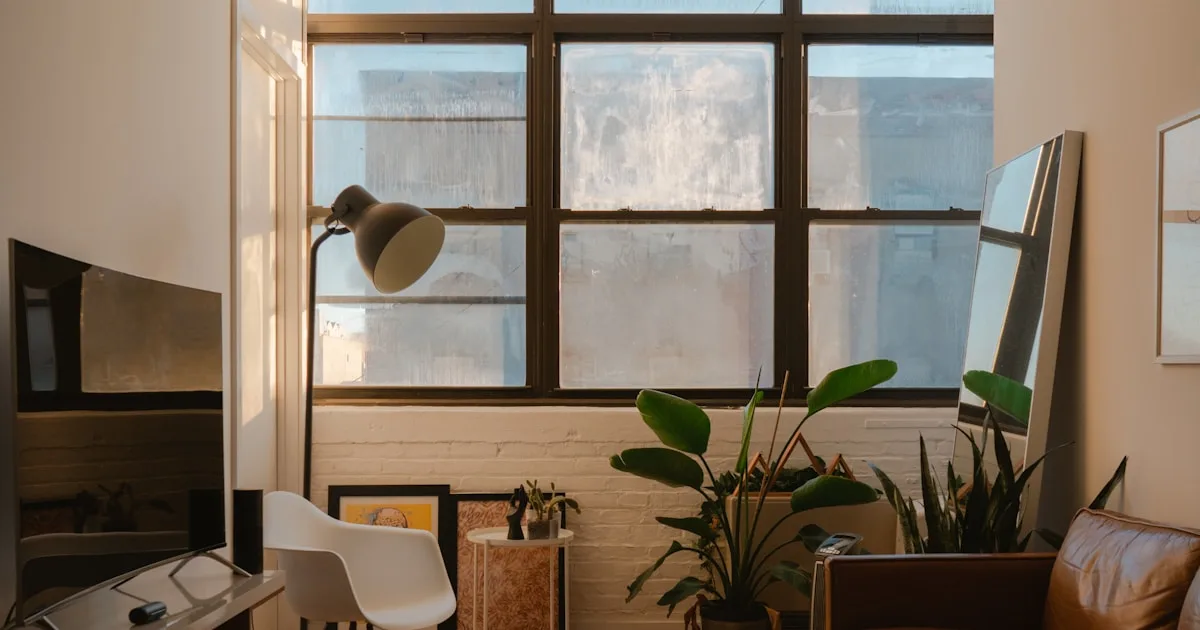
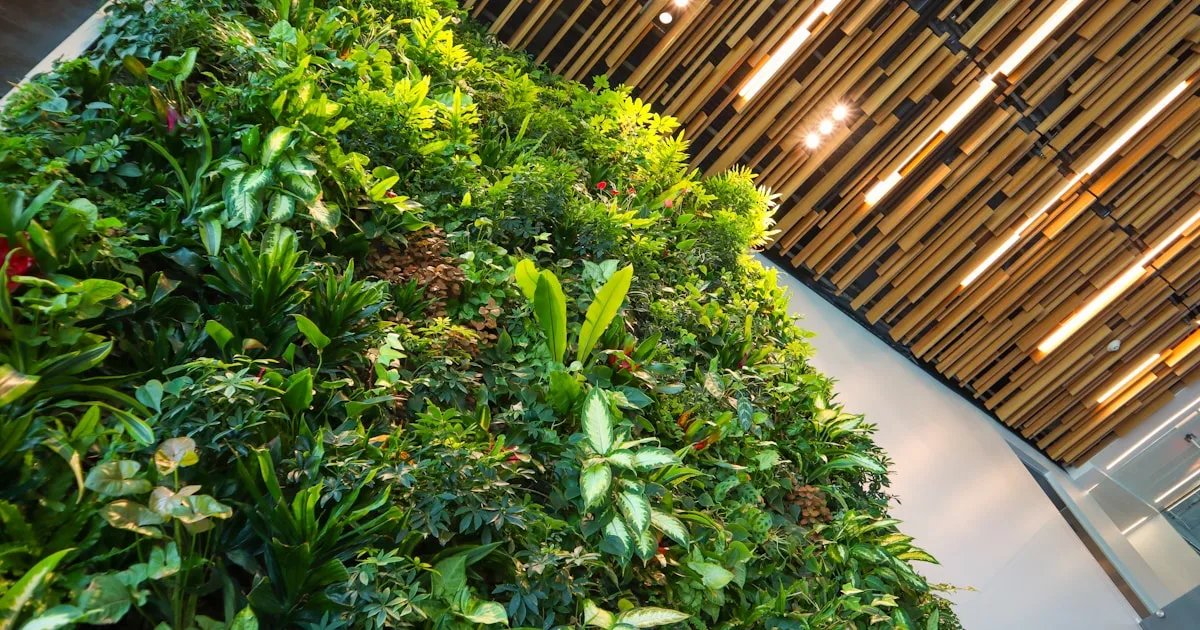
Natural elements boost performance. Studies consistently show that exposure to natural materials, daylight, and views of nature improves focus, reduces stress, and increases creative thinking. This principle, known as biophilic design, is one of the most impactful strategies you can employ. A wooden desk, a plant on your shelf, and a window with a view of greenery aren't luxuries - they're cognitive performance tools.
Clutter impairs focus. Visual clutter competes for your attention, consuming cognitive resources that should be directed at your work. A clean, organized workspace with designated storage for everything reduces this cognitive load. This doesn't mean your office needs to be sterile - it means every visible object should be either functional or genuinely inspiring, not just accumulated debris.
Color affects mood and energy. Blue and green tones promote calm focus and are ideal for tasks requiring sustained concentration. Yellow stimulates creativity and optimism. Red increases energy and urgency. Neutral, warm tones (like natural wood and earth colors) create a grounded, calm atmosphere that supports long work sessions without fatigue. The best office designs use a neutral base with strategic color accents.
Temperature and air quality matter more than you think. Cognitive performance drops measurably when temperature rises above 25C (77F) or falls below 20C (68F). Poor air quality has similar effects. Invest in good ventilation, temperature control, and air-purifying plants. A comfortable body supports an active mind.
Sound shapes focus. Complete silence can be as distracting as noise for some people. The ideal acoustic environment depends on the work being done: deep analytical work requires near-silence, while creative brainstorming often benefits from moderate ambient sound. Design your space with acoustic control in mind - the ability to modulate noise levels is a powerful productivity tool.
Office Layout: Positioning for Productivity
The layout of your office cabin determines how you move through your workday. A thoughtful layout supports your workflow; a poor one creates friction and distraction every time you need something.
The desk position is everything. In a home office or private cabin, position your desk to face the door (or room entrance) without being directly in front of it. This "command position" - borrowed from feng shui but validated by psychology - reduces the subconscious anxiety of having your back to the entrance and gives you a sense of control over your space. If possible, position the desk perpendicular to the window to benefit from natural light without screen glare.
Create distinct zones. Even in a small office cabin, divide the space into functional zones: a primary work zone (desk and chair), a secondary work zone (reading chair or standing desk area), a storage zone (shelving and files), and if space allows, a meeting zone (a small table with guest seating). Physical separation between these zones helps your brain shift between different work modes.
The 90-degree principle. Arrange your most-used items within a 90-degree swivel from your seated position. Printer, reference materials, phone charger, filing - anything you reach for frequently should be within arm's reach or a single turn. This reduces the micro-interruptions of standing up and crossing the room, keeping you in a state of flow for longer.
Guest seating matters. If your office cabin hosts meetings or conversations, provide comfortable, inviting guest seating. Handcrafted wooden stools or accent chairs positioned across from your desk create a natural meeting arrangement. The seating should be comfortable enough for a 30-minute conversation but not so comfortable that visitors settle in indefinitely.
Leave breathing room. Don't fill every square foot with furniture. Empty space in an office feels intentional and calm - the visual equivalent of silence. A crowded office feels chaotic and stressful even when it's perfectly organized. If you're choosing between a bigger desk and more open floor space, choose the space.
Choosing the Right Desk & Chair
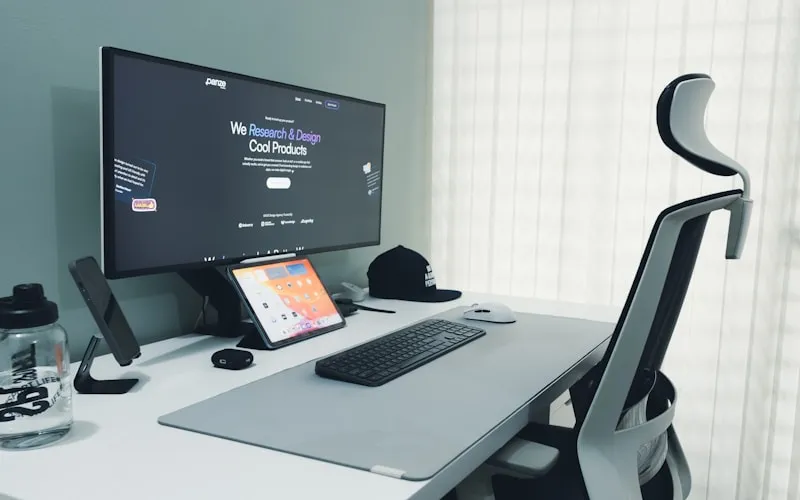
Your desk and chair are the most important purchases in office cabin interior design. You'll spend more time with these two pieces of furniture than with any other objects in your life. Choose wisely.
Desk selection principles:
- Size: Your desk should be large enough to accommodate your work style. For computer-based work, a surface of at least 120cm x 60cm (48" x 24") is the minimum; 150cm x 75cm (60" x 30") is more comfortable. If you work with physical materials (drawings, documents, samples), go larger.
- Material: Natural wood desks are warmer, more visually interesting, and more pleasant to touch than laminate or glass alternatives. Solid hardwood develops a patina over time that adds character. The grain, texture, and warmth of real wood make your workspace feel human rather than institutional.
- Height: Standard desk height is 73-76cm (29-30"). If you're significantly taller or shorter, an adjustable-height desk is worth the investment. Sit-stand desks that move between sitting and standing positions offer the ultimate flexibility and health benefit.
- Cable management: Choose a desk with integrated cable routing - grommets, cable trays, or built-in channels. Visible cable clutter is one of the fastest ways to undermine an otherwise beautiful office design.
Chair selection principles:
- Ergonomics first: Adjustable seat height, lumbar support, armrest height, and seat depth are non-negotiable. Your chair should fit your body, not the other way around. Test before buying whenever possible.
- Material: Breathable mesh backs prevent overheating during long sessions. Fabric seats are more comfortable in warm climates than leather. High-quality upholstery in a neutral color integrates with any office design.
- Aesthetic integration: A good office chair doesn't have to look like it belongs in a corporate cubicle. Many ergonomic chairs now come in natural materials and warm colors that complement handcrafted, natural office design.
For secondary seating and short tasks, a handcrafted wooden stool at a side table or standing desk provides a beautiful change of position and adds artisan warmth to the space.
Office Lighting: The Productivity Multiplier
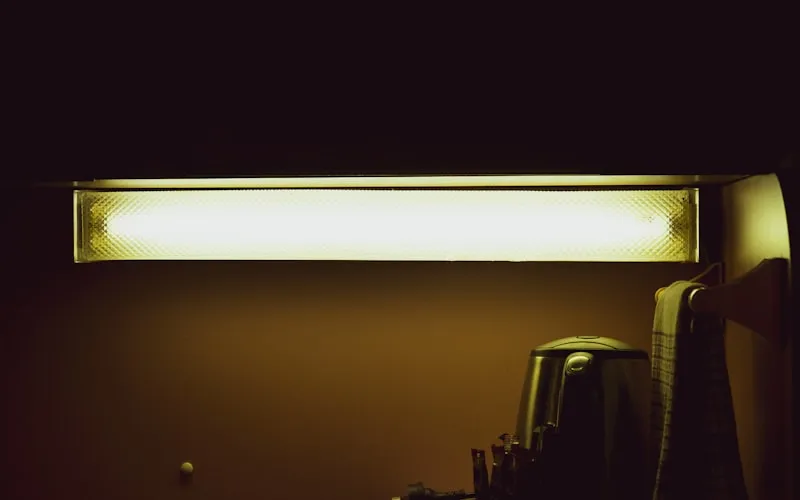
Poor lighting is the silent productivity killer in most offices. Eye strain, headaches, fatigue, and reduced focus are all symptoms of inadequate or poorly designed lighting. Here's how to get it right.
Maximize natural light. Daylight is the best light for working. It provides full-spectrum illumination that artificial light cannot match, regulates your circadian rhythm, and has been shown to improve mood, alertness, and sleep quality. Position your desk to receive natural light from the side (not directly in front of or behind you) to minimize screen glare while maximizing daylight exposure.
Layer your artificial lighting. No single light source can properly illuminate an office. You need:
- Ambient lighting: General room illumination from ceiling fixtures, providing an even base of light throughout the space. Aim for 300-500 lux at desk level for general office work.
- Task lighting: A dedicated desk lamp that illuminates your immediate work surface. This is essential for focused tasks like reading, writing, and detailed screen work. Artisan desk lamps with adjustable arms and warm LED bulbs combine function with the aesthetic warmth of handcrafted design.
- Accent lighting: Shelf lighting, wall sconces, or a floor lamp in the reading corner. These soften the room's overall atmosphere and reduce the contrast between brightly lit and dark areas, which reduces eye strain.
Color temperature throughout the day. Research shows that cooler, blue-white light (4000K-5000K) promotes alertness and focus - ideal for morning and midday work. Warmer light (2700K-3000K) promotes relaxation and winding down - better for late afternoon and evening. If possible, use tunable LED lighting that shifts color temperature throughout the day, mimicking natural daylight patterns.
Eliminate glare. Screen glare from windows or overhead lights is one of the most common lighting problems in offices. Use blinds or curtains to control window glare, position your monitor perpendicular to windows, and use indirect or diffused overhead lighting rather than direct downlights that reflect off screens.
Storage & Organization: The Foundation of Focus
An organized office isn't just aesthetically pleasing - it's functionally essential. Studies show that the average office worker wastes 4.3 hours per week searching for documents and items. Effective storage design eliminates this waste and keeps your mind clear for actual work.
The three-zone storage system:
- Active zone (arm's reach): Items you use multiple times daily - pens, current project files, phone, headphones. These live on your desk or in an immediately adjacent drawer.
- Reference zone (within the room): Items you use weekly - reference books, printer supplies, archived project files. Open shelving or a bookcase within your office cabin provides visible, accessible storage.
- Archive zone (outside the workspace): Items you use rarely - tax records, old project files, seasonal supplies. These should be stored outside your office cabin to keep the active workspace clear.
Open shelving as design. Bookshelves and open storage don't have to be utilitarian eyesores. Curated open shelving - with a mix of books, plants, handcrafted accessories, and storage baskets - becomes a design feature that adds warmth and personality to your office. The key is editing: not everything needs to be displayed. Keep it curated, with intentional negative space between groups of objects.
Hidden storage for the rest. Desk drawers, filing cabinets, and closed credenzas handle the practical storage that doesn't need to be visible. Choose storage furniture in materials that match your desk - natural wood, warm metals - so it integrates cohesively into the design.
Go paperless where possible. Digital storage is the most space-efficient storage. Scan documents, use digital note-taking, and reduce the physical paper flowing into your office. The less physical clutter to manage, the more your beautiful office design can shine through.
Daily reset ritual. The best office organization system only works if you maintain it. Build a 5-minute end-of-day ritual: clear your desk surface, return items to their zones, file or recycle papers, and prepare tomorrow's essentials. Starting each day with a clean workspace is like starting with a clear mind.
Home Office Design: Working Where You Live
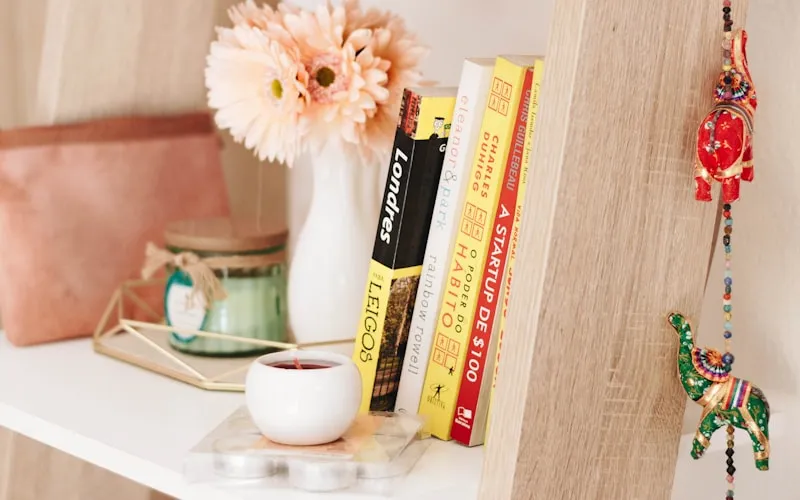
Designing a home office carries unique challenges that corporate office design doesn't face. You're working in a space that also needs to function as a home, surrounded by domestic distractions and personal comfort that can either support or undermine your productivity.
Physical separation is critical. If possible, dedicate a room with a door to your home office. The ability to close a door between "work" and "home" is the single most impactful design decision for remote work success. If a dedicated room isn't available, create the strongest possible visual separation - a screen, a bookshelf divider, or even a distinct rug that marks the boundary of your workspace.
Design for video calls. Your background on video calls is now part of your professional identity. Ensure the wall behind your desk is presentable - a bookshelf with curated objects, a simple piece of art, or a clean painted wall. Good lighting on your face (from in front, slightly above) is essential. A ring light or well-positioned desk lamp eliminates the unflattering shadows and backlight issues that plague most home video setups.
Acoustic treatment. Home offices often suffer from household noise - kitchens, children, appliances, neighbors. Thick curtains, upholstered furniture, bookshelves full of books, and soft floor coverings all absorb sound. If you're in an open-plan home, a white noise machine or noise-canceling headphones become essential tools.
Ergonomic investment. When your commute is 20 steps from the bedroom, it's tempting to work from the couch or dining table. Resist this. A dedicated desk at the right height and an ergonomic chair are non-negotiable for long-term health. Your home office furniture should be as good as (or better than) what you'd have in a corporate office - you'll be spending more time in it.
Personal touches that inspire. Unlike a corporate office, your home workspace can be deeply personal. Family photos, meaningful artwork, objects from travels, plants you care for - these personal elements make your workspace a place you genuinely want to be, not just a place you have to be. A handcrafted lamp, an artisan desk accessory, or a beautiful vase with a fresh cutting adds warmth that a corporate cubicle could never match.
Set boundaries with design. When your office is in your home, "leaving work" requires deliberate action. Design rituals around the physical space: opening the office door means work begins; closing it means work ends. Turning off the desk lamp signals the day is done. These design-embedded rituals help maintain the work-life boundary that disappears when your office is also your living room.
Corporate Office Cabin Design
An executive office cabin or private corporate workspace serves multiple functions: it's a place for focused individual work, a setting for one-on-one meetings, and a physical expression of professional identity. The design must serve all three.
First impressions matter. When someone enters your office cabin, the design speaks before you do. A well-designed cabin communicates competence, taste, and intention. Key elements: a clean, organized desk; quality furniture in natural materials; thoughtful lighting; and a few carefully chosen personal objects that reveal character without clutter.
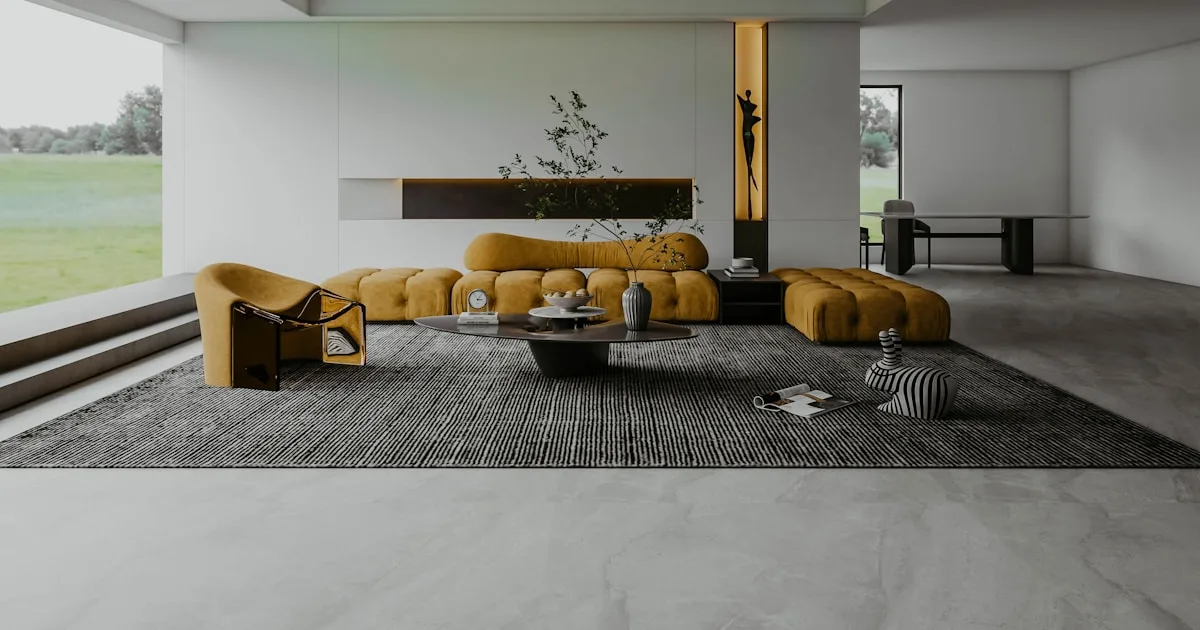
Meeting configuration. Beyond your desk, include a small meeting area - a round table with two to four chairs, or a sofa and coffee table arrangement. This secondary zone allows for more relaxed, collaborative conversations away from the authority dynamic of speaking across a desk. Artisan wooden stools or accent chairs add warmth and distinguish your space from generic corporate interiors.
Credential and achievement display. Diplomas, awards, and certifications have their place, but the most impressive offices display them subtly - as part of a broader shelf arrangement rather than a dedicated "ego wall." Mix credentials with books, plants, and design objects for a more sophisticated, confident presentation.
Brand alignment. If your company has a visual identity (colors, materials, philosophy), your office cabin should reflect it - subtly, not overtly. A sustainable company should use natural, eco-friendly materials. A creative agency should have bold art and unusual furniture. A law firm should project stability and tradition through substantial wood furniture and classic design. Let the space align with what you represent.
Technology integration. Modern corporate cabins need seamless technology: wireless charging pads, integrated video conferencing equipment, smart lighting controls, and clean cable management. The best designs make technology available but invisible - hidden behind beautiful furniture and clean surfaces until it's needed.
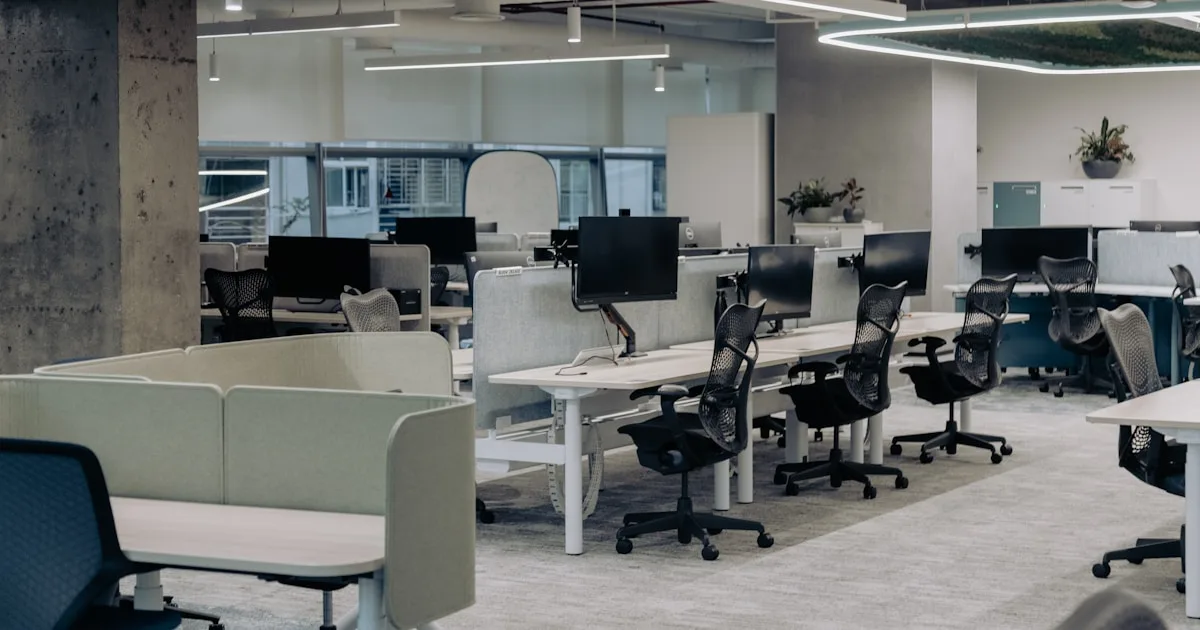
Acoustic privacy. Corporate cabin design must address sound leakage - confidential conversations should stay inside, and corridor noise should stay outside. Solid-core doors, acoustic ceiling panels, sound-absorbing wall treatments, and thick carpet or rugs all contribute to the acoustic privacy expected of a private office.
The Finishing Touches: Accessories & Atmosphere
The details that complete an office cabin design are what separate a merely functional workspace from an inspiring one. These finishing touches are where personality enters the picture.
Plants improve everything. Office plants reduce stress, improve air quality, dampen noise, and add visual life to any workspace. Choose low-maintenance varieties for offices - pothos, snake plants, ZZ plants, and succulents thrive with minimal attention. Display them in natural pots, ceramic planters, or woven baskets that complement your design palette.
Desk accessories as design elements. The objects on your desk are seen more often than any artwork on the walls. Choose them deliberately: a beautiful pen holder in brass or ceramic, a leather desk pad, a handcrafted paperweight, a thoughtfully designed desk organizer. These small objects set the tone for the entire space.
Art and imagery. Hang artwork that inspires and energizes you without distracting from focused work. Abstract or landscape art works well - it provides visual interest during breaks without demanding active attention. Position art where you'll see it when you look up from your screen - above the door, on the wall opposite your desk, beside the window.
Scent. Subtle fragrance can improve focus and create a pleasant working atmosphere. Peppermint and citrus scents promote alertness. Lavender reduces anxiety. Cedarwood and sandalwood create a warm, grounding atmosphere. Use a simple diffuser or a scented candle (unlit for fragrance alone, or lit during breaks) rather than synthetic air fresheners.
Temperature control. A small space heater, a desk fan, or a personal thermostat control - the ability to fine-tune your immediate temperature is a productivity advantage that's often overlooked in office design. Thermal comfort varies significantly between individuals; give yourself control over yours.
A beautiful lamp is perhaps the single most impactful accessory in an office. It provides essential task lighting, creates warm atmosphere, and serves as a sculptural design element that defines the character of your workspace. Choose one that you love looking at - you'll see it for thousands of hours.
Office cabin interior design is ultimately about creating an environment that supports your best work while honoring your need for comfort, beauty, and wellbeing. The most productive workspaces aren't sterile, minimalist cells - they're warm, well-lit, thoughtfully organized spaces that make you genuinely want to sit down and work.
Start with the fundamentals: a properly positioned desk, an ergonomic chair, and layered lighting that supports your eyes and energy throughout the day. Then build outward: organized storage that keeps clutter invisible, natural materials that warm the space and connect you to the physical world, and personal touches that make the office unmistakably yours.
Whether you're designing a home office, a corporate cabin, or a creative studio, the investment in good design pays dividends in productivity, health, and daily satisfaction. You spend a third of your waking life at work - make the space worthy of that time.
Explore our handcrafted wooden stools, artisan lamps, and desk accessories to add warmth and character to your workspace.
Frequently Asked Questions
Enjoyed this guide?
Share it with someone who'd find it useful