Designing a duplex - a two-story home or apartment - presents unique opportunities and challenges that single-level spaces simply do not have. The vertical dimension adds drama, spatial complexity, and the chance to create distinct zones for living, sleeping, and working, all connected by one of a home's most powerful architectural elements: the staircase.
Whether you are designing a duplex house interior from scratch or renovating an existing two-story space, this guide covers everything you need to know: how to plan open-plan layouts, design staircases that become focal points, light double-height spaces effectively, and create visual flow between floors - all while keeping the interiors warm, livable, and grounded in quality materials.
Duplex Layout Planning: Zoning Your Two Floors
The fundamental advantage of a duplex is natural zoning: the two floors create a built-in separation between public and private life. How you divide activities between floors shapes everything that follows.
The classic duplex layout:
- Ground floor - public and social spaces: living room, dining room, kitchen, guest bathroom, and potentially a home office
- Upper floor - private and rest spaces: bedrooms, main bathroom, dressing area, and perhaps a study or reading nook
Alternative layouts to consider:
- Inverted duplex - bedrooms on the ground floor, living spaces upstairs. This works well when the upper floor has better views or more natural light, or in hillside locations where the upper floor connects to a terrace or garden.
- Home-office duplex - one floor dedicated entirely to work, the other to living. This provides the ultimate separation between professional and personal life.
- Multi-generational duplex - each floor as a semi-independent unit with its own kitchen area and bathroom, connected by a shared staircase.
Key planning principles:
Place the noisiest activities (kitchen, living room, children's play area) on the floor farthest from bedrooms. Position the staircase centrally to minimize hallway space. Plan storage on both floors to avoid constantly carrying items up and down. Consider sight lines - what will you see from the top of the stairs, and what view greets you from the bottom?
Staircase Design: The Heart of the Duplex
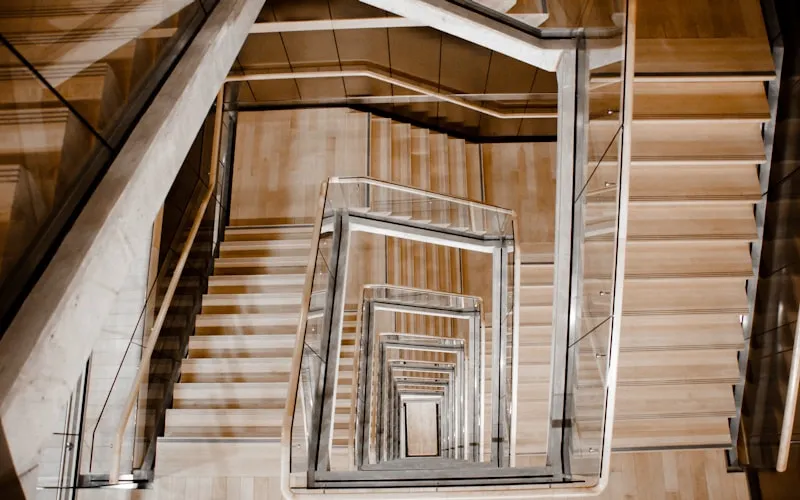
In a single-level home, the hallway is merely functional. In a duplex, the staircase is both a circulation route and a sculptural centerpiece - the element that defines the character of the entire home. Getting the staircase right is the single most important decision in duplex interior design.
Staircase styles and their impact:
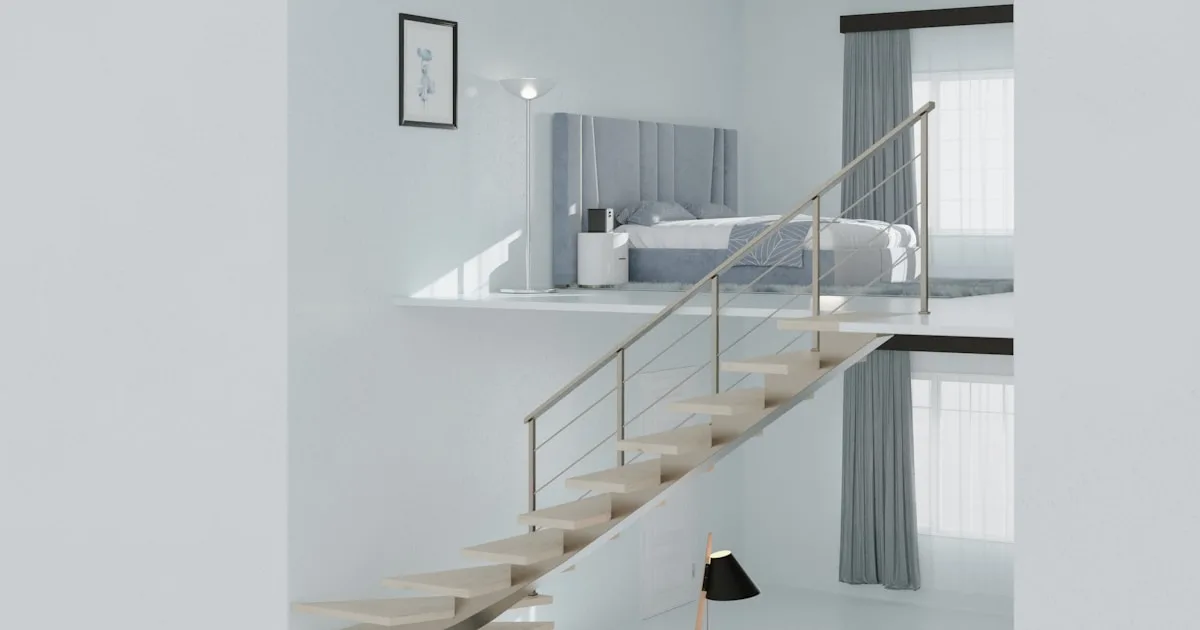
- Open-tread floating stairs - treads mounted to a wall or central spine with no risers, allowing light to pass through. This creates an airy, modern feeling and keeps the duplex feeling open. Best for contemporary and minimalist duplexes.
- Solid wood staircase - a traditional, warm choice with closed risers and wooden handrails. Suits classic, warm, and natural interior styles. The wood becomes a material that connects both floors visually.
- Metal and wood combination - steel stringers with wooden treads combine industrial structure with organic warmth. A very versatile pairing that works with many styles.
- Spiral staircase - a space-saving option that creates a dramatic vertical sculpture. Best for smaller duplexes where floor space is at a premium.
The staircase wall: The wall alongside the staircase is prime real estate for design expression. A gallery wall of framed artwork creates visual interest during the climb. Alternatively, leave it as a single, beautifully finished surface - textured plaster, wooden paneling, or even a living wall of plants - for a more serene effect.
Under-stair space: Never waste the area beneath the staircase. It can house built-in shelving, a reading nook, a compact home office, coat and shoe storage, or display niches for decorative objects and handcrafted vases. This space often becomes one of the most characterful zones in the home.
Open-Plan Duplex Living: Flow and Definition
Many duplexes feature open-plan ground floors where the kitchen, dining, and living areas share one continuous space. This layout maximizes the sense of space and light, but it needs careful design to avoid feeling like one shapeless room.
Defining zones without walls:
- Flooring changes - tile in the kitchen transitioning to wood in the living area, or a rug defining the seating zone. This signals different functions without physical barriers.
- Furniture placement - the back of a sofa, a bookshelf, or a console table can act as a room divider. A rattan screen or tall plant creates separation while maintaining visual connection.
- Ceiling treatment - a change in ceiling height, a beam, or a shift in paint color overhead can define zones from above.
- Lighting zones - different lighting types for different areas: a pendant lamp over the dining table, recessed lights in the kitchen, and table lamps in the living area. Each zone gets its own light character.
The double-height space: Some duplexes feature a double-height living area - a room that spans both floors with no ceiling separation. This creates extraordinary drama but can feel cold and echo-prone if not handled well. Fill the vertical space with a large piece of wall art, floor-to-ceiling curtains, tall bookshelves, or a statement pendant light that drops from the upper ceiling. Use plenty of textiles - rugs, cushions, throws - to absorb sound and add warmth at the human scale.
Creating Visual Continuity Between Floors
One of the biggest mistakes in duplex design is treating each floor as a completely separate entity. Without visual connection, the home feels disjointed - like two apartments stacked on top of each other rather than one cohesive home.
Strategies for visual flow:
- Consistent color palette - use the same base wall color on both floors and draw from the same accent palette. This does not mean identical rooms, but rather variations on a shared theme.
- Repeating materials - if the ground floor features oak and rattan, carry these materials to the upper floor as well. The staircase material (wood, metal, or a combination) should relate to both floors.
- Consistent flooring - ideally, use the same flooring throughout, or at least complementary materials. If the ground floor is stone and the upper floor is wood, choose warm-toned stone and warm-toned wood that feel related.
- Sight lines - if the staircase is open, what you see from one floor looking to the other matters. A beautiful console with a handcrafted vase visible from the staircase creates a visual anchor. A piece of art on the upper landing visible from below draws the eye upward.
- Lighting consistency - use the same color temperature and fixture style family throughout. Mixing warm brass fixtures downstairs with cool chrome upstairs creates a subtle but persistent sense of disconnection.
Think of your duplex as a single composition experienced in sequence: the ground floor is one movement, the staircase is a transition, and the upper floor is a quieter resolution. Each part should feel like a continuation of the same story.
Lighting Design for Duplex Spaces
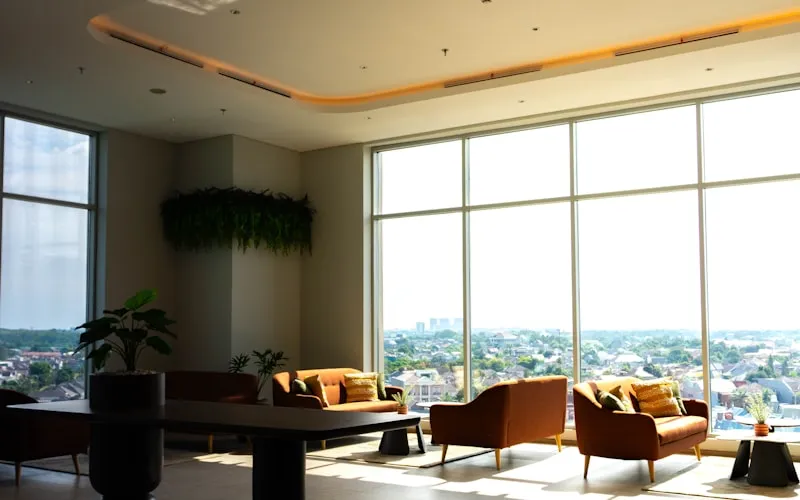
Lighting a duplex is more complex than a single-level home because you are working with vertical space, stairwells, and rooms that may borrow light from each other across floors.
Double-height spaces: These need lighting at multiple levels. A large pendant lamp or chandelier hanging into the double-height void creates a dramatic focal point and provides ambient light. Supplement with wall sconces at the upper level and table or floor lamps at the lower level. The combination of high, mid, and low light sources fills the vertical space without creating harsh shadows.
Staircase lighting: The staircase needs both functional safety lighting and atmospheric design lighting. Recessed step lights or LED strips under treads ensure safe navigation. A pendant dropping through the stairwell, or wall sconces at landing turns, add character. If the staircase runs alongside a wall, picture lights or directional spots highlighting artwork serve double duty.
Balcony and mezzanine areas: If the upper floor overlooks the lower (a common duplex feature), the railing area becomes a display opportunity. Floor lamps, table lamps on the railing ledge, or pendant lights at mezzanine level create the impression of a separate, intimate space while contributing to the overall lighting composition.
Natural light management: Duplexes often have windows at multiple heights. Upper-floor windows can bring light deep into the ground floor if the staircase is open and positioned wisely. Consider the path of sunlight through both floors when choosing window treatments - sheer linen curtains filter light beautifully while maintaining privacy on the upper level.
Furnishing Your Duplex: Scale and Proportion
Duplex spaces - especially those with double-height areas or open staircases - require careful attention to furniture scale. Pieces that work in a standard-height room may feel lost in a taller space.
For double-height living areas:
- Choose larger-scale furniture - deeper sofas, substantial coffee tables, and taller bookcases - to match the room's proportions
- Use tall elements to fill the vertical space: floor-to-ceiling shelving, tall plants, standing floor lamps, and large-format artwork
- Anchor the seating area with a generously sized rug to define the human-scale zone within the larger volume
For upper-floor rooms:
Upper bedrooms and private spaces often have standard ceiling heights, which calls for more normally proportioned furniture. This contrast actually helps the zoning - the ground floor feels expansive and social, while the upper floor feels intimate and sheltered.
The staircase area as display space:
Landings, niches under stairs, and the visual path along the staircase are ideal spots for curated objects. A wooden stool on a landing holding a plant or a stack of books. A collection of handcrafted ceramics in an under-stair niche. A single large vase on a console table at the base of the stairs. These moments of beauty make the vertical journey through your home a pleasure rather than a mere commute.
Storage strategy: Plan built-in storage on both floors to minimize the need to carry items between levels. Under-stair storage, built-in wardrobes on the upper floor, and open shelving in the living area keep the home organized and clutter-free.
Practical Considerations for Duplex Living
Beyond aesthetics, duplex design involves practical decisions that significantly affect daily comfort and functionality.
Acoustics: Sound travels between floors - footsteps, music, conversation. Address this with soft flooring (rugs, carpet, or cork) on the upper level, especially in hallways and above the main living area. Textiles throughout both floors - curtains, cushions, upholstered furniture - absorb sound and reduce echo, particularly in double-height spaces.
Heating and cooling: Warm air rises, making upper floors hotter and ground floors cooler. Consider this when choosing materials: rugs and textiles on the ground floor for warmth, lighter materials upstairs. Ceiling fans in double-height spaces help circulate air evenly.
Accessibility: A duplex requires navigating stairs, which is a consideration for families with young children, elderly residents, or anyone with mobility limitations. If possible, include a bedroom and full bathroom on the ground floor for flexibility. Ensure stair railings are sturdy and at the correct height. Use step lighting for nighttime safety.
Wi-Fi and utilities: Two floors require thoughtful placement of routers, electrical outlets, and HVAC vents. Plan these during the design phase rather than as an afterthought. A router near the staircase often provides the best coverage across both levels.
Natural materials for longevity: Stairs are high-traffic zones that show wear quickly. Choose durable, natural materials that age gracefully: solid hardwood treads, stone landings, and quality metal hardware. These materials develop a beautiful patina over time rather than looking worn. The same principle applies to ground-floor flooring in open-plan areas - invest in materials that will look better with age, not worse.
Duplex interior design is about embracing the vertical dimension as a design advantage rather than a complication. The staircase is not just a way to get between floors - it is a sculptural element, a display space, and the thread that connects your home's story from ground to upper level.
Focus on the fundamentals: plan your zones purposefully, design the staircase as a centerpiece, create visual continuity with consistent materials and colors, and light the vertical spaces with thoughtful, layered lighting. Furnish with quality, naturally crafted pieces - handmade accessories on landings, natural textiles softening hard surfaces, and carefully placed objects that make every level of your home feel intentional and inviting.
A well-designed duplex offers something no single-level home can: the daily experience of moving through a space that unfolds vertically, revealing different moods, functions, and views at every turn of the stair.
Frequently Asked Questions
Enjoyed this guide?
Share it with someone who'd find it useful