When planning a renovation, new build, or significant home transformation, one of the first questions that arises is whether you need an architect, an interior designer, or both. The roles of architect and interior designer overlap in some areas but diverge significantly in others - and understanding these differences can save you time, money, and frustration.
This guide provides a clear, honest comparison of both professions. We'll explain what each professional does, where their expertise lies, when you need one versus the other, and how they work together on projects that require both structural vision and interior refinement.
What Does an Architect Do?
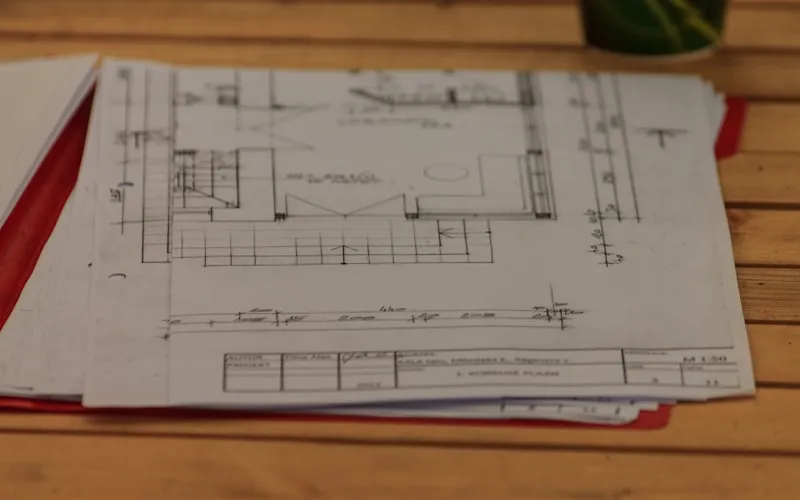
An architect designs the structure, form, and spatial organization of buildings. Their work begins with the building's relationship to its site and environment and extends through every structural decision - from the roof line to the foundation, from window placement to load-bearing walls.
Core responsibilities of an architect include:
- Building design - creating the overall form, structure, and floor plan of new buildings or significant additions
- Structural planning - ensuring the building is structurally sound, working with structural engineers to determine how loads are distributed
- Building code compliance - navigating complex building regulations, zoning laws, and safety requirements
- Construction documentation - producing detailed technical drawings and specifications that contractors use to build
- Construction oversight - monitoring the building process to ensure the design is executed correctly
- Environmental considerations - designing for energy efficiency, natural light, ventilation, and sustainability
Architects think about how a building sits in its landscape, how natural light moves through interior spaces, how people flow from room to room, and how the structure will perform over decades. Their training is extensive - typically a five-year degree followed by years of supervised practice and licensing examinations. In most jurisdictions, the title "architect" is legally protected and requires formal registration.
When an architect designs a home, they're making decisions that determine the fundamental quality of the spaces within it. The ceiling height, window proportions, room relationships, and material palette of the building shell all establish the canvas upon which interior design happens. The best residential architecture creates spaces that feel naturally beautiful even before a single piece of furniture enters the room.
What Does an Interior Designer Do?

An interior designer creates functional, aesthetically compelling environments within existing spaces. While architects focus on the building shell, interior designers focus on how people experience and interact with the spaces inside that shell.
Core responsibilities of an interior designer include:
- Space planning - determining how furniture, fixtures, and functions are arranged within a given space
- Material and finish selection - choosing flooring, wall treatments, cabinetry, countertops, and other interior surfaces
- Furniture specification - selecting furniture that fits the space, style, and functional requirements
- Color design - developing palettes that create the desired mood and visual coherence
- Lighting design - planning both natural and artificial lighting to serve function and atmosphere
- Decorative elements - curating accessories, artwork, textiles, ceramics, and objects that complete a space
- Client lifestyle integration - designing spaces that genuinely support how the client lives, works, and entertains
Interior designers work across a spectrum of complexity. At one end, they might advise on color selections and furniture purchases. At the other, they manage complete interior renovations - specifying every surface, fixture, and furnishing, and coordinating with contractors to bring the vision to life. Some interior designers specialize further, focusing on kitchens and bathrooms, hospitality interiors, or workplace design.
The best interior designers understand both the technical and emotional dimensions of space. They know building materials, construction methods, and spatial proportions - but they also understand how a rattan chair's texture changes a room's feeling, how the right pendant lamp creates a gathering point, and how the arrangement of objects on a shelf can make a space feel curated or cluttered.
Key Differences Between Architects and Interior Designers
While the architect and interior designer share a common goal - creating excellent spaces - their training, focus, and expertise differ in important ways.
Scope of work. Architects work on the building itself: structure, envelope, systems, and overall form. Interior designers work within the building: surfaces, furnishings, lighting, and finishes. The simplest distinction: if it's structural or affects the building's exterior, it's architecture. If it's about how the interior looks, feels, and functions, it's interior design.
Training and licensing. Architects typically complete a five-year professional degree (or equivalent), followed by several years of supervised practice, and must pass rigorous licensing examinations. In most countries, the title "architect" is legally protected. Interior designers' training varies more widely - from four-year degrees in interior design to shorter courses and certifications. Licensing requirements for interior designers vary significantly by jurisdiction.
Technical depth. Architects have deep knowledge of structural systems, building science, fire safety, accessibility compliance, and construction technology. Interior designers have deep knowledge of materials and finishes, furniture construction, color theory, spatial psychology, and decorative arts. There is overlap - both understand space planning, proportion, and material properties - but their specialized depths are different.
Project phase involvement. Architects are most critical in the early phases of a project: concept design, planning approvals, and construction documentation. Interior designers often become most involved during the fit-out and finishing phases, though experienced designers are increasingly engaged from the earliest planning stages - and rightly so, because interior planning should influence architectural decisions.
Cost structure. Architects typically charge 8-15% of construction cost or hourly rates ranging from $150-$400+. Interior designers charge through various models: hourly rates ($75-$350+), flat project fees, percentage of project cost, or cost-plus markups on furniture and materials. For projects involving both professionals, the combined design fees typically represent 15-25% of total project cost.
When to Hire an Architect vs. an Interior Designer
Knowing which professional you need depends entirely on your project's scope. Here's a practical guide to help you decide.
You need an architect when:
- You're building a new home or structure from scratch
- You're adding to your home - extensions, additional floors, or significant structural modifications
- You're removing or modifying load-bearing walls
- You need planning permission or building permits for structural work
- You're converting a building's use (e.g., warehouse to residential)
- Your project involves significant engineering challenges - steep sites, heritage buildings, or unusual structures
You need an interior designer when:
- You're renovating interiors without structural changes - new kitchen, bathroom, or whole-home refresh
- You're selecting finishes, materials, and color palettes for an existing space
- You need help with furniture selection, layout, and procurement
- You want a cohesive design vision across multiple rooms
- You're furnishing a new home and want spaces that feel curated and intentional
- You're styling a property for sale or creating a specific aesthetic - perhaps incorporating raw, natural materials or handcrafted furniture
You need both when:
- You're doing a major renovation that involves structural changes AND interior design
- You're building a new home and want seamless design from structure to furnishing
- You're renovating a commercial space (restaurant, hotel, retail) where the building modifications and interior experience must work as one
- Your project involves heritage or listed buildings where architectural sensitivity and interior functionality must balance
In practice, many significant residential projects benefit from both professionals working in coordination. The architect ensures the space is well-proportioned, structurally sound, and filled with natural light. The interior designer ensures the finished environment is beautiful, functional, and reflects the client's personality and lifestyle.
How Architects and Interior Designers Collaborate
On the best projects, the architect and interior designer work as partners, not in sequence. When both are involved from early planning, the results are significantly better than when an interior designer is brought in after the architecture is fixed.
Early collaboration benefits:
When an interior designer is involved during architectural design, they can influence decisions that profoundly affect the interior experience. The placement of electrical outlets, the height of window sills, the location of plumbing connections, the proportions of rooms - these architectural decisions either support or constrain the interior design. A designer who knows the client wants a large handcrafted timber dining table as their kitchen's focal point can ensure the architect designs the kitchen proportions and lighting to complement it.
The typical collaboration workflow:
Phase 1 - Concept alignment. Both professionals meet with the client to understand their vision, lifestyle, and requirements. The architect focuses on spatial requirements and building form; the interior designer focuses on how spaces will be used, furnished, and experienced. Together, they develop a shared design direction.
Phase 2 - Design development. The architect develops floor plans and building design while consulting the interior designer on room proportions, sight lines, and internal layouts. The interior designer develops material palettes and furniture plans that inform architectural decisions like floor levels, ceiling treatments, and built-in joinery.
Phase 3 - Documentation. The architect produces construction drawings. The interior designer produces finish schedules, furniture specifications, and detailed interior drawings. Coordination between their documents is essential - conflicts between architectural and interior specifications create costly problems during construction.
Phase 4 - Construction and fitout. The architect monitors structural and building work. The interior designer manages interior finishes, furniture delivery, and final styling. The transition from construction to fitout should be seamless, with clear handover points agreed in advance.
Common friction points between architects and interior designers include disagreements over material choices (architects often prioritize material honesty and structural expression; designers may prioritize comfort and decorative impact), built-in versus freestanding furniture decisions, and lighting approaches. Good communication and mutual respect resolve these tensions - the best results come when both professionals value each other's expertise.
How to Choose the Right Architect or Interior Designer
Selecting the right professional is as important as deciding which type of professional you need. Here's how to evaluate and choose wisely.
Review their portfolio - critically. Look beyond pretty pictures. Does their previous work match the style, scale, and complexity of your project? An architect whose portfolio is full of commercial buildings may not be the right choice for your residential renovation. An interior designer who specializes in minimalist modern spaces may struggle with your heritage cottage. Look for evidence of range, problem-solving, and attention to detail.
Check their process, not just their outcomes. Ask potential professionals to describe how they work. How do they handle the initial brief? What does their design process look like? How do they manage budgets and timelines? How do they communicate during a project? A professional with beautiful finished work but a chaotic process will create a stressful experience.
Understand their fee structure before committing. Ask for a clear explanation of how they charge and what's included. Are revisions included? How are additional costs handled? What happens if the project scope changes? Transparency about fees is a strong indicator of professionalism.
Verify credentials. For architects, confirm their registration with the relevant professional body. For interior designers, check for relevant qualifications and professional memberships. Ask for references from previous clients - and actually call them.
Assess chemistry. You'll be working closely with this person for months, possibly years. Do they listen well? Do they respect your ideas while also challenging them constructively? Do they communicate clearly and promptly? The best professional relationship is collaborative - you bring knowledge of your life and needs, they bring design expertise and technical skill.
Consider their material sensibility. The best architects and interior designers have a deep appreciation for material quality. Whether they gravitate toward the warmth of natural timber furniture, the tactile beauty of handwoven textiles, or the organic character of rattan and natural fibers, their material choices should align with your values - especially if sustainability and craftsmanship matter to you.
Cost Comparison: Architect vs. Interior Designer Fees
Understanding fee structures helps you budget accurately and recognize value. Here's a realistic overview of what each professional costs and what you get for your investment.
Architect fees:
- New home design - typically 8-15% of construction cost. For a $500,000 build, expect $40,000-$75,000 in architectural fees
- Renovations and additions - often 10-18% due to the complexity of working with existing structures
- Hourly consulting - $150-$400+ per hour, useful for smaller scope engagements or advisory roles
- What's included - typically concept design, design development, construction documentation, and some level of construction monitoring
Interior designer fees:
- Full-service interior design - $15,000-$100,000+ depending on the home's size and project scope. A typical whole-home design for a three-bedroom residence might range $25,000-$50,000 in design fees, plus furniture and material costs
- Room-by-room design - $3,000-$15,000 per room including design, sourcing, and project management
- Consultation only - $200-$500 for a session where the designer assesses your space and provides recommendations
- Cost-plus procurement - design fee plus 20-35% markup on furniture and accessories purchased on your behalf
Combined projects: When hiring both an architect and interior designer, total design fees typically range from 15-25% of total project cost. While this is significant, well-designed spaces consistently achieve higher property values and greater daily satisfaction than those designed without professional help.
How to maximize your investment: Be clear about your budget from the start. Good professionals will work within your constraints rather than designing beyond your means. Prioritize where professional expertise matters most - structural decisions are expensive to change later, so invest in good architecture early. For interiors, you can phase the work, starting with key rooms and completing others over time.
The relationship between architect and interior designer is complementary, not competitive. Each profession brings specialized expertise that, when combined thoughtfully, creates spaces that are structurally sound, beautifully proportioned, functionally excellent, and aesthetically compelling.
Whether you're planning a new build, a renovation, or simply refreshing your home's interiors, understanding what each professional offers helps you make informed decisions about where to invest. The right professional - or the right combination of professionals - transforms not just your space but your daily experience of living in it.
Whatever your project scope, the finishing details matter. Explore our collections of handcrafted rattan furniture, artisan lighting, ceramic vases, and natural textiles to discover pieces that bring both architectural and interior design visions to life.
Frequently Asked Questions
Enjoyed this guide?
Share it with someone who'd find it useful