A home stylist transforms ordinary spaces into visually compelling environments that tell a story. Whether styling a property for sale, preparing a home for a magazine shoot, or helping homeowners create spaces they love, the home stylist's craft combines an eye for aesthetics with a deep understanding of how people interact with their surroundings.
Property styling, in particular, has become a booming profession. Real estate agents and homeowners increasingly recognize that professionally styled homes sell faster and for higher prices - often returning 3-5 times the styling investment. This guide covers everything you need to know about the home stylist and property stylist profession: what the work involves, how to build the skills, and the practical staging techniques that deliver results.
What Does a Home Stylist Actually Do?
A home stylist curates and arranges furniture, accessories, textiles, and decorative objects to create visually appealing, emotionally resonant interiors. While the term is sometimes used interchangeably with "interior designer," the roles differ significantly. Interior designers focus on permanent design decisions - layouts, materials, fixtures, and finishes. Home stylists work with the layer that sits on top: the moveable, touchable elements that give a space its personality.
Home stylists typically work across several domains:
Property styling (staging). This is the largest segment of the home styling market. Property stylists prepare homes for sale by furnishing and accessorizing them to appeal to the broadest range of buyers. The goal is to help potential buyers envision themselves living in the space. A skilled property stylist understands buyer psychology, current design trends, and the art of creating aspirational yet approachable environments.
Editorial and commercial styling. Stylists working in media prepare spaces for photography - for magazines, catalogs, brand campaigns, and social media. This requires an understanding of how spaces photograph, including lighting, composition, and the camera's tendency to flatten three-dimensional depth.
Personal home styling. Some home stylists work directly with homeowners who want their existing space to look and feel better. This might involve rearranging existing furniture, decluttering, and adding carefully chosen accessories like handcrafted vases, quality textiles, and decorative objects that pull a room together.
Event styling. Styling temporary spaces for events - weddings, corporate functions, product launches - is a related specialty that draws on similar skills but adds the complexity of temporary installations and tight timelines.
Property Styling: How Staging Sells Homes Faster
Property styling has matured from a luxury add-on into a standard practice in competitive real estate markets. The data is compelling: styled properties typically sell 30-50% faster than unstyled equivalents and often achieve sale prices 5-15% above comparable unstyled homes. For a median-priced property, that uplift can represent tens of thousands of dollars - far exceeding the styling cost.
Why does property styling work? The answer lies in buyer psychology. Most home buyers cannot visualize potential. An empty room feels smaller than a furnished one. A cluttered, personalized space makes it hard for buyers to imagine their own life there. A property stylist solves both problems by creating a neutral, aspirational environment that photographs beautifully and makes an emotional impression during inspections.
The property styling process:
- Initial consultation - walk the property with the agent, assess the target buyer demographic, note the home's strengths and weaknesses, and develop a styling plan
- Furniture selection - choose pieces that suit the property's scale, style, and target market. A coastal apartment gets different treatment than a heritage terrace house
- Installation - set up furniture, dress beds, style shelves and surfaces, hang artwork, and add accessories. Most property stylists complete installation in a single day
- Photography preparation - ensure every room is camera-ready, adjusting for the angles the photographer will use
- De-staging - remove all items after the property sells or the agreed styling period ends
Successful property stylists build inventory libraries of furniture and accessories, or work with rental companies. The most sought-after stylists curate inventory that feels current and distinctive - incorporating pieces like linen throws and cushions and unique decorative accessories that elevate a space beyond the generic staging look.
How to Become a Home Stylist: Skills & Pathway
Unlike architecture or some interior design specializations, home styling doesn't require specific certifications in most regions. However, building a successful career demands a genuine combination of creative skill, business sense, and practical know-how.
Essential skills for home stylists:
Visual composition. The ability to arrange objects, furniture, and textiles in ways that create balanced, pleasing environments. This involves understanding scale, proportion, color relationships, and focal points. Study photography composition - the rule of thirds, leading lines, and visual hierarchy all apply to styling three-dimensional spaces.
Color confidence. A home stylist must understand how colors work together, how light affects perception, and how to create cohesive palettes across a space. This includes understanding the undertones in both paint colors and furnishings, and knowing which combinations photograph well.
Market awareness. Particularly for property styling, understanding your local real estate market, buyer demographics, and current design preferences is essential. What appeals to first-home buyers differs significantly from what attracts luxury downsizers.
Product knowledge. The best home stylists have an encyclopedic knowledge of where to find specific types of furniture, accessories, and textiles. They know which pieces photograph well, which withstand repeated use in staging rotations, and where to source unique items that set their work apart.
Steps to build your career:
- Educate yourself - take courses in interior styling, color theory, and visual merchandising. Many are available online
- Practice relentlessly - style your own space, friends' homes, or create styled vignettes to photograph
- Assist established stylists - work as an assistant to learn the business side and build industry connections
- Build a social media presence - Instagram is the primary platform for home stylists. Post consistently with quality images
- Start small - offer styling consultations or single-room packages before taking on full properties
- Network with real estate agents - they're your primary referral source for property styling work
Expert Staging Tips: Living Rooms & Common Areas
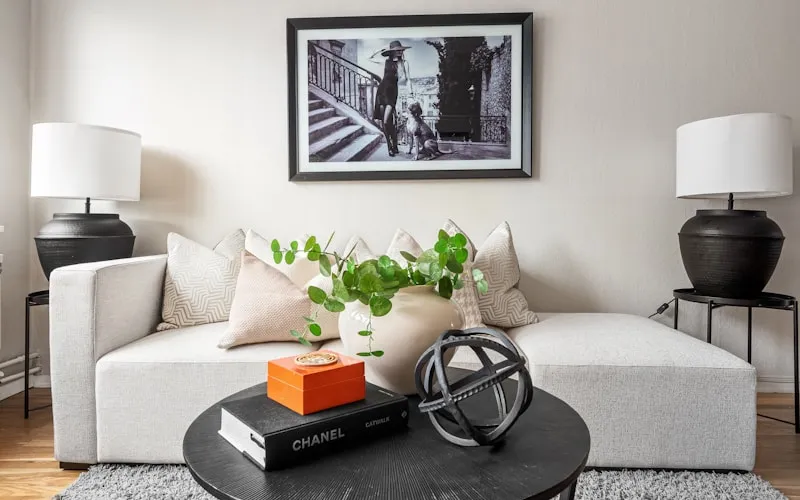
The living room is the most important room to stage - it's where buyers form their emotional connection to a property and where homeowners spend the most conscious design energy. These staging principles apply whether you're a property stylist preparing a home for sale or a homeowner refreshing your own space.
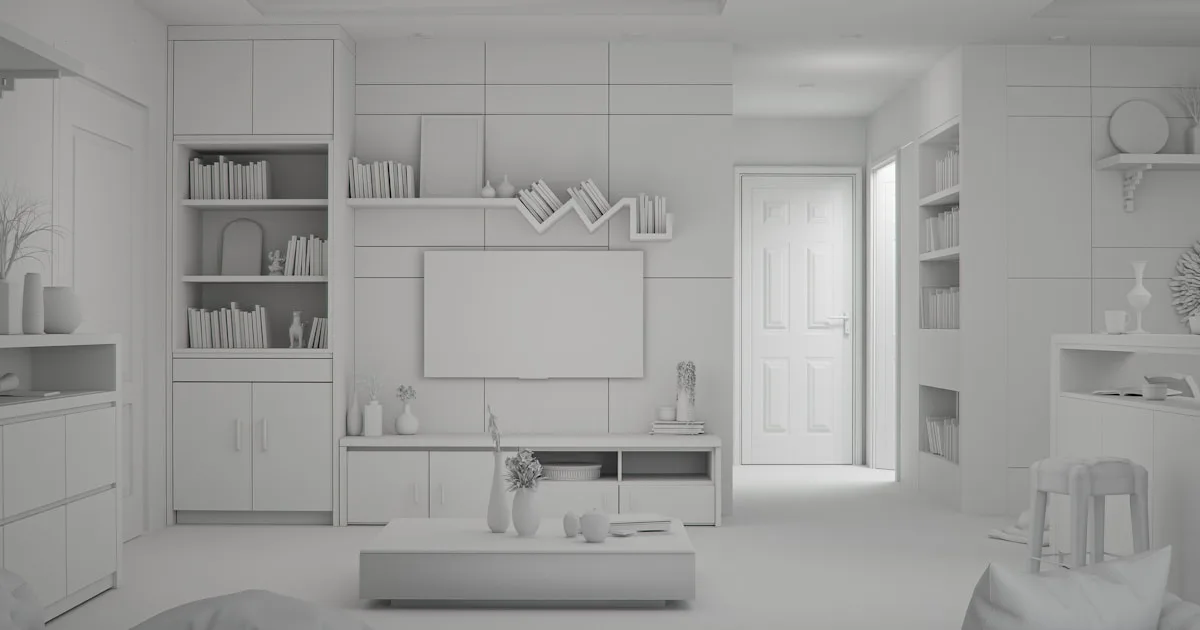
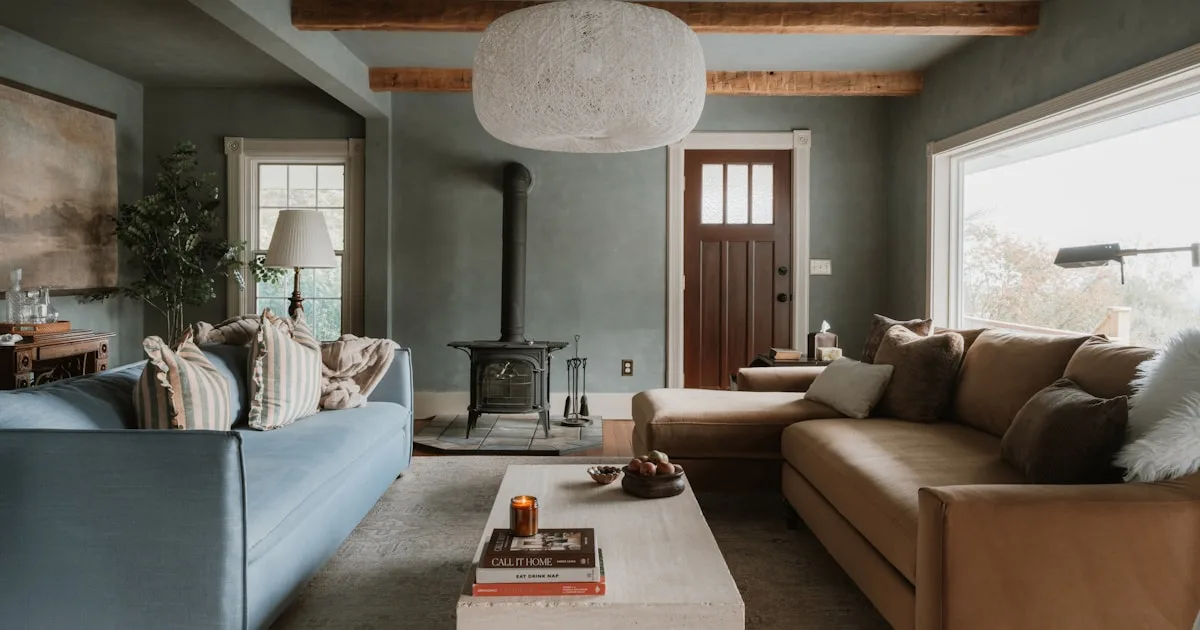
Create a clear focal point. Every well-styled living room has a primary focal point - usually a fireplace, feature wall, or large window. Arrange furniture to face and frame this focal point. If the room lacks an obvious feature, create one with a large piece of artwork or a striking piece of furniture.
Scale furniture to the room. One of the most common styling mistakes is furniture that's wrong for the space. In smaller rooms, use fewer, appropriately scaled pieces rather than cramming in a full suite. In larger rooms, avoid pushing everything against the walls - pull furniture inward to create intimate conversation areas.
Layer textiles for warmth. Bare sofas look cold and uninviting. Add cushions in complementary tones (odd numbers look best - three or five), drape a linen or cotton throw over one arm, and ground the seating area with a rug that's large enough for at least the front legs of all seating to sit on.
Style surfaces with restraint. Coffee tables, side tables, and shelving need styling, but less is more. A coffee table vignette might include a stack of oversized books, a small plant, and a single ceramic vase. Shelves should be no more than 60-70% filled - negative space makes what's displayed look more intentional.
Add organic elements. Fresh flowers, potted plants, or even a simple branch of eucalyptus in a vase brings life and freshness. In property styling, greenery makes spaces feel maintained and welcoming. For longer staging periods, use quality faux greenery or low-maintenance plants.
Consider lighting layers. Good styling includes ambient, task, and accent lighting. A single overhead light creates flat, uninviting atmosphere. Add table lamps, floor lamps, and candles to create warm, layered illumination that makes the space feel inviting at any time of day.
Expert Staging Tips: Bedrooms & Private Spaces
Bedrooms sell aspirational lifestyle - rest, luxury, and personal retreat. Property stylists know that a well-staged master bedroom can significantly influence a buyer's emotional response to a home. For homeowners, these same principles create genuinely restful private spaces.
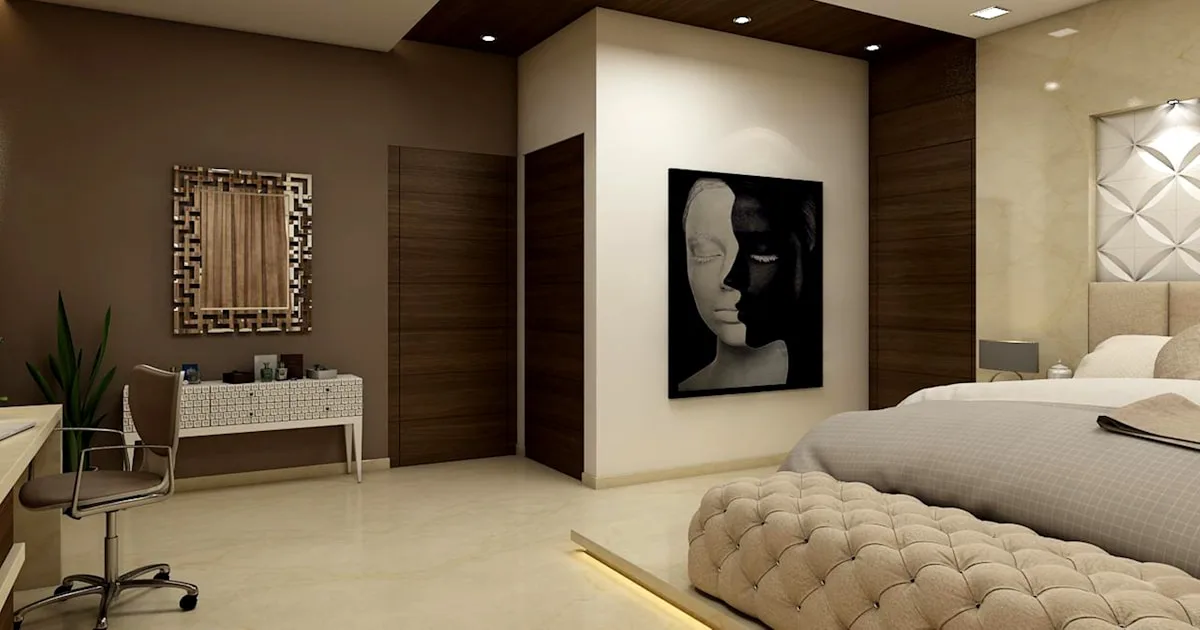
The bed is everything. In bedroom styling, the bed commands at least 70% of the visual attention. Invest your styling effort here. A well-made bed starts with quality linen bedding in neutral tones - white, cream, soft gray, or muted natural colors. Layer a duvet, add European pillows against the headboard, standard sleeping pillows in front, and two or three decorative cushions. Finish with a folded throw across the foot of the bed.
Keep bedside tables symmetrical. Even if the room's architecture is asymmetrical, matching bedside tables with matching lamps create a sense of order and luxury. Each bedside table should have a lamp and one or two small accessories - a small plant, a petite vase, or a decorative object. Avoid clutter.
Clear the floor. Bedrooms feel more spacious and serene when the floor is mostly visible. Remove excess furniture, keep wardrobes closed, and ensure the path through the room is unobstructed. If the bedroom has a chair, drape it with a beautiful throw and add a cushion - but don't use it as a clothing rack.
Create a spa-like atmosphere. In bathrooms, staging is about suggesting luxury and cleanliness. White, fluffy towels (rolled or neatly folded), a small plant, quality soap dispensers, and a scented candle create a hotel-like impression. Remove all personal products from countertops.
Children's rooms and guest rooms should be styled to suggest function without being too specific. A guest room staged with clean bedding and a simple desk suggests flexibility. A children's room with age-neutral styling appeals to the broadest range of buyers.
The Art of Accessorizing: Details That Make the Difference
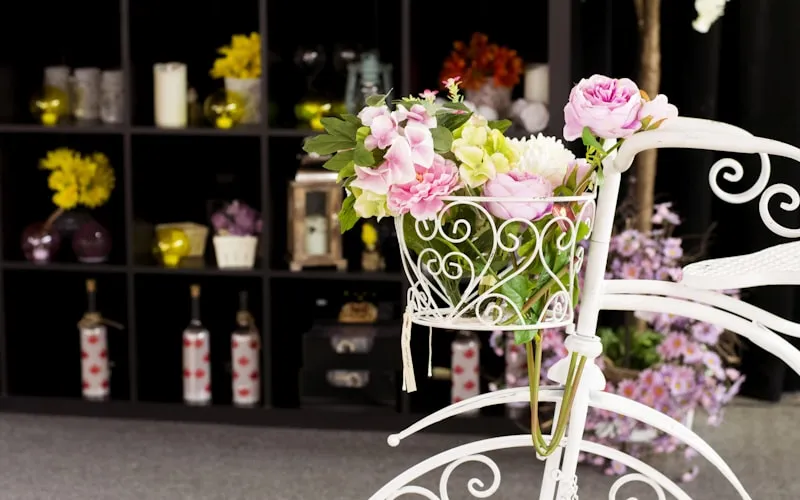
Accessories are where a home stylist's skill becomes most visible. The right accessories transform a well-furnished room into a space with soul - and this is true whether you're staging a property for sale or creating a home that feels genuinely curated.
Follow the "threes and fives" rule. Group decorative objects in odd numbers. Three candles of varying heights on a mantle. Five books stacked on a coffee table. A cluster of three ceramic vases in complementary tones. Odd-numbered groupings create visual interest because the eye can't easily find symmetry, so it keeps exploring.
Vary heights and textures. Every styled vignette should include variation in height and material. A wooden object next to a ceramic one, a tall item beside a low one, a smooth surface against a textured one. This contrast creates visual depth and prevents flatness in photographs.
Use textiles strategically. Cushions, throws, table runners, and rugs are a stylist's most versatile tools. They add color, texture, warmth, and visual interest with minimal investment. Quality natural textiles - linen, cotton, wool - photograph beautifully and feel luxurious to touch during property inspections.
Incorporate handcrafted elements. Mass-produced accessories create a generic feeling. Handmade pieces - a hand-thrown ceramic bowl, a woven decorative object, an artisan-crafted candle holder - add authenticity and character. Property buyers and homeowners alike respond to the warmth and individuality of handcrafted items.
Edit ruthlessly. The most important skill in accessorizing is knowing when to stop. After arranging your accessories, step back and remove one item from each vignette. Restraint is what separates professional styling from cluttered decorating. Every piece should earn its place, either by adding visual balance, introducing texture, or drawing the eye to a feature of the space.
Consider the full sensory experience. For property inspections and in personal homes, styling extends beyond the visual. A subtle scented candle, soft music, appropriate room temperature, and natural light all contribute to how a space is experienced. The best home stylists think about all five senses.
The Business of Home Styling: Pricing & Operations
Turning your styling talent into a sustainable business requires attention to the commercial fundamentals. Many talented stylists struggle financially because they undercharge, lack systems, or don't market consistently.
Pricing models for home stylists:
Property styling packages are typically priced per room or per property. A standard three-bedroom home staging might cost $3,000-$8,000 depending on your market, the quality of your inventory, and the styling duration. Luxury property staging commands significantly more. Most property stylists include installation, de-staging, and a set rental period (typically 4-6 weeks) in the package price.
Personal styling consultations are usually charged hourly ($100-$300/hour) or as flat-rate room packages. Some stylists offer "style sessions" where they spend a full day transforming a client's existing space, rearranging furniture and recommending purchases.
Building your inventory. For property stylists, inventory is your biggest investment and ongoing expense. Start with versatile, neutral pieces that work across different property types. Invest in quality basics - a good sofa, dining setting, bed frames, and key accessories. Build slowly, adding specialty items as your business grows. Pieces that combine quality and distinctiveness - like handcrafted decorative accessories and artisan vases - become signature elements that make your work recognizable.
Storage and logistics. Property styling requires warehouse space for furniture inventory, a van or truck for transport, and a system for tracking where each piece is deployed. Storage costs are a significant overhead - factor them into your pricing. Some stylists start by using self-storage units and a hired truck, then invest in dedicated warehouse space as revenue grows.
Marketing your styling business. Your Instagram portfolio is your primary marketing tool. Post every styled project with quality photography. Build relationships with real estate agents - they're your most consistent referral source. Offer to style an agent's listing at a discount to demonstrate your value. Once they see the results, they'll recommend you to every client.
Home styling and property styling are creative professions with genuine commercial demand. Whether you're drawn to the satisfaction of transforming a tired property into a buyer's dream or the artistry of creating beautiful living environments for homeowners, the styling profession offers both creative fulfillment and a viable business model.
The stylists who stand out are those who develop a distinctive eye - curating spaces that feel considered, warm, and authentic rather than generic and forgettable. This means investing in quality over quantity, understanding the power of handcrafted objects to add character, and continually refining your ability to arrange spaces that photograph beautifully and feel wonderful to inhabit.
Build your styling toolkit with pieces that make a difference. Explore our collections of natural textiles, handcrafted vases, and curated accessories - each one designed to add authenticity and warmth to any styled space.
Frequently Asked Questions
Enjoyed this guide?
Share it with someone who'd find it useful