Virtual interior design - also called e-design or online interior design - has transformed from a pandemic-era necessity into a permanent, mainstream way of working with professional designers. For the first time in the history of interior design, geography is no longer a limitation. You can work with a designer in Copenhagen from your apartment in Chicago, collaborate with a London-based firm from a village in Portugal, or get a New York designer's perspective on your farmhouse in rural France.
But virtual interior design services are more than just "traditional design done over Zoom." They represent a fundamentally different model - one that's typically faster, more affordable, and more accessible than traditional in-person design, while still delivering professional-quality results. The best e-design services combine the convenience of technology with the expertise and taste of experienced designers.
Whether you're considering hiring a virtual designer for the first time or simply curious about how e-design interior design works, this guide covers everything: the process, the costs, the advantages and limitations, how to choose a service, and how to ensure you get the most from the experience.
What Is Virtual Interior Design?
Virtual interior design is a professional design service conducted entirely online - without the designer physically visiting your space. Instead of in-person site visits and in-store shopping trips, the process relies on digital tools: photographs, measurements, video tours, mood boards, 3D renderings, detailed shopping lists, and video consultations.
How it differs from traditional design:
- No in-person visits. The designer works from photos, measurements, and video tours you provide. This eliminates travel time and geographic limitations but requires you to be more active in documenting your space.
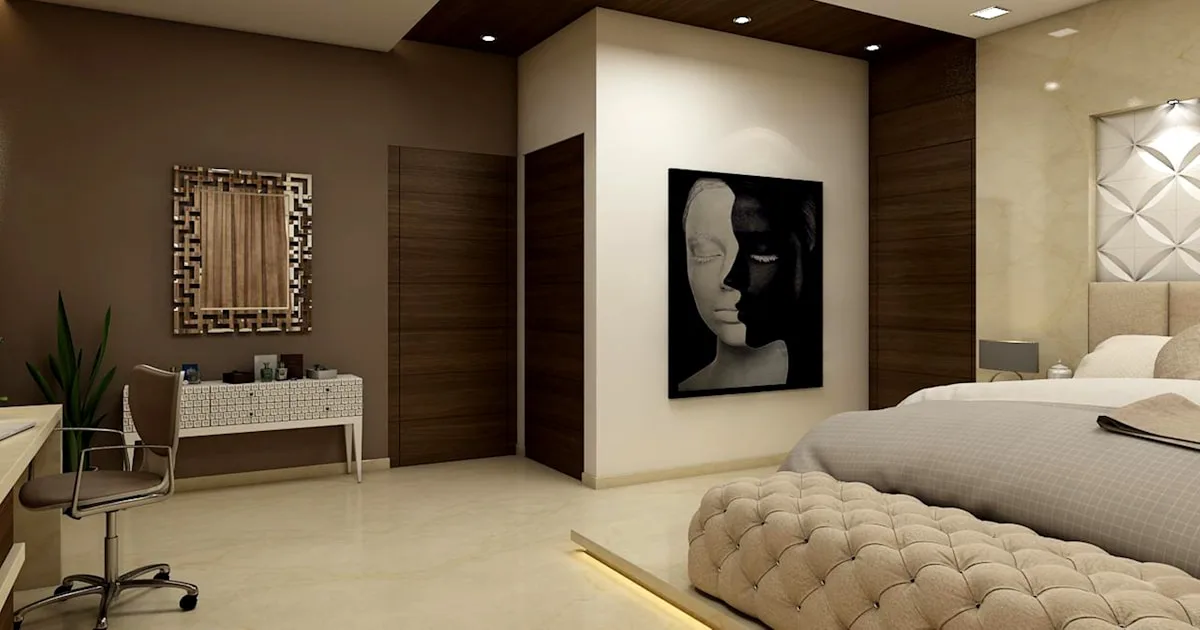
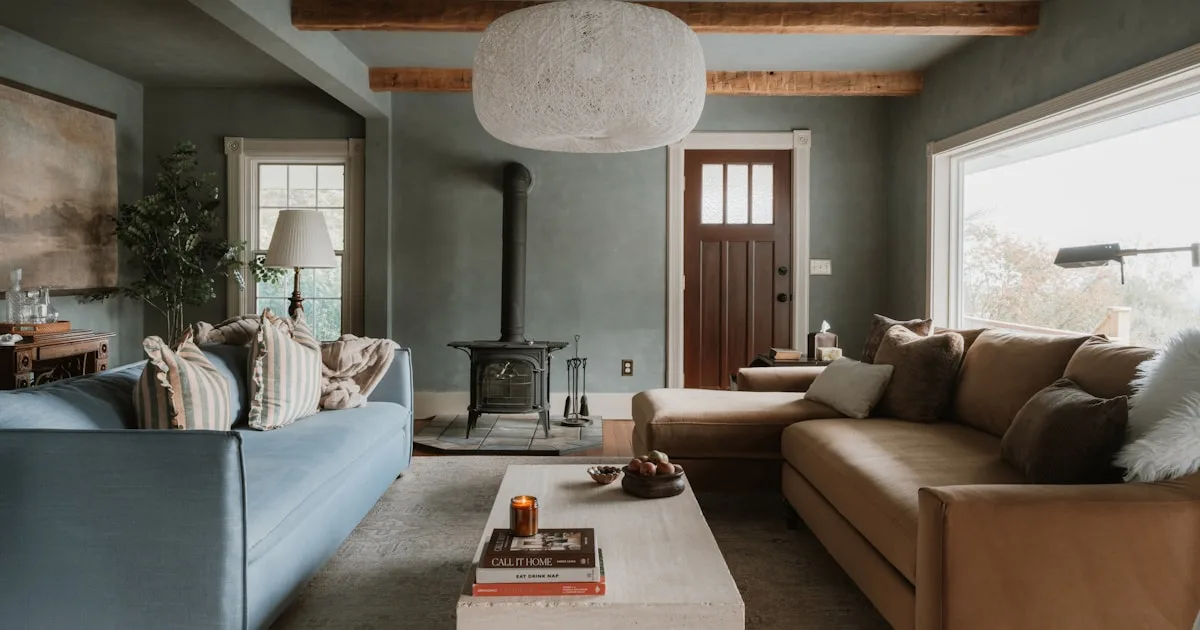
- Digital deliverables. Instead of physically staging furniture or walking you through a showroom, the designer delivers mood boards, 3D room renderings, floor plans, and curated shopping lists - all digitally. You can review, comment, and revise from your phone or computer.
- Self-directed implementation. In traditional design, the designer often manages purchasing, delivery, and installation. In e-design, you typically handle implementation yourself - ordering the recommended items, arranging delivery, and placing furniture according to the plan. Some services offer implementation support for an additional fee.
- Asynchronous communication. Much of the collaboration happens through messaging, email, and shared documents rather than in-person meetings. This allows you to review designs at your convenience rather than scheduling face-to-face appointments.
What virtual design can do: Room layouts, furniture selection, color schemes, material and finish recommendations, lighting plans, accessory styling, and complete room makeovers. Many virtual designers can also work with contractors on your behalf for renovation projects, providing detailed specifications and drawings.
What virtual design cannot easily do: Custom millwork requiring precise on-site measurement, complex architectural modifications, projects requiring extensive material matching (where digital color accuracy is insufficient), and very large-scale renovations where daily on-site oversight is necessary. For these projects, local design support remains essential.
How Virtual Interior Design Services Work
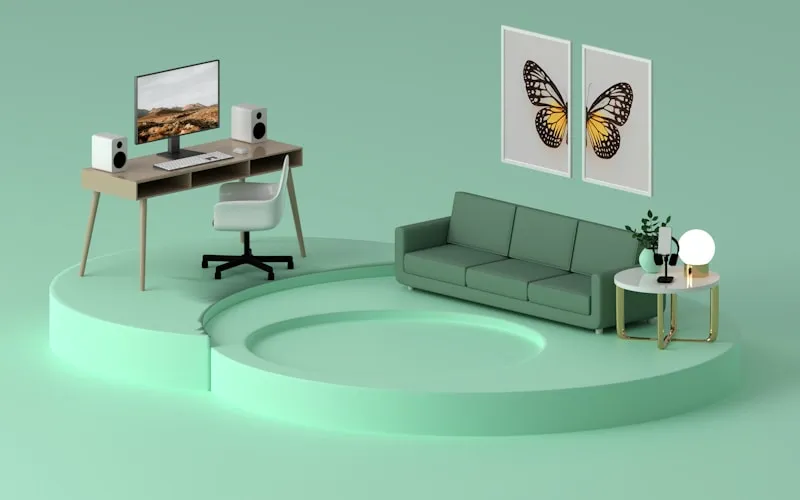
While every e-design service has its own process, the typical virtual interior design experience follows these stages. Understanding the workflow helps you prepare effectively and get the best results.
Stage 1: Intake and discovery. You complete a detailed questionnaire about your project: room dimensions, existing furniture you want to keep, budget, style preferences, lifestyle needs, and inspiration images. Many services also ask for a video tour of the space. This stage is critical - the more information you provide, the better the designer can understand your space and needs without being physically present.
Stage 2: Concept development. The designer creates an initial concept - typically a mood board showing the proposed color palette, materials, textures, and overall aesthetic direction. This is your first opportunity for feedback. Approve the direction, request adjustments, or pivot entirely. Most services include one or two rounds of concept revision.
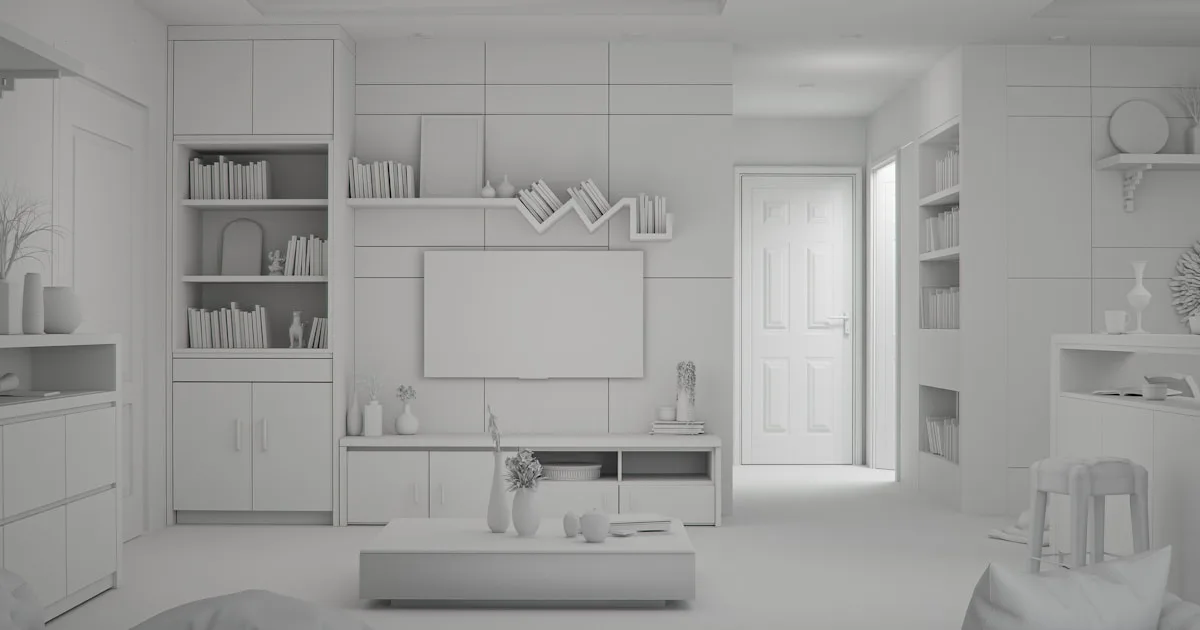
Stage 3: Design presentation. Based on the approved concept, the designer develops the full design: a detailed floor plan showing furniture placement, 3D renderings showing how the room will look (some services provide photorealistic renderings, others use stylized visualizations), and a complete shopping list with links to purchase every recommended item. This stage often includes a video call where the designer walks you through the plan.
Stage 4: Revision. You review the design and request changes. Most e-design packages include two to three rounds of revisions - adjusting furniture selections, swapping colors, or modifying the layout. Clear, specific feedback makes this stage efficient: "I love the rug but the coffee table feels too large" is more actionable than "something doesn't feel right."
Stage 5: Final delivery and implementation. The designer delivers the final design package: approved floor plan, final renderings, a complete shopping list with product links and prices, and often an implementation guide with instructions for placement, hanging artwork, and styling accessories. From here, you order the items and bring the design to life in your space.
Timeline: The typical e-design project takes 2 to 6 weeks from intake to final delivery, depending on the service, the project complexity, and how quickly you provide feedback. Rush services are available from some providers for time-sensitive projects.
The Advantages of Virtual Interior Design
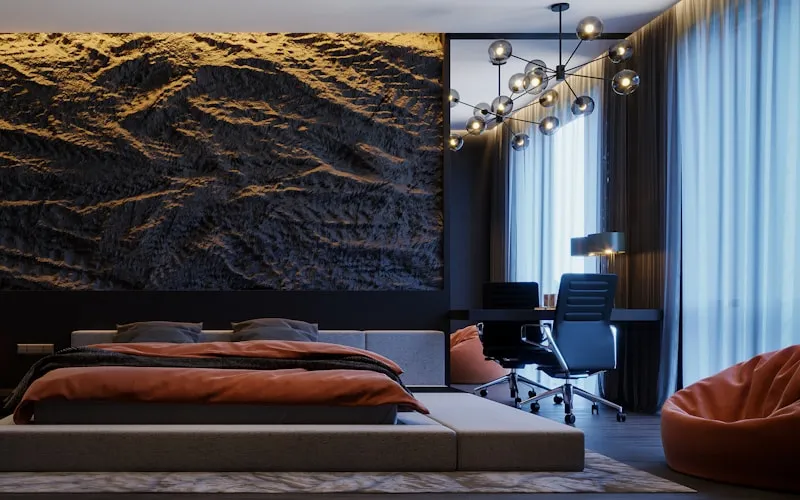
E-design interior design has exploded in popularity for good reasons. For many homeowners, virtual design offers genuine advantages over the traditional in-person model.
Cost. Virtual interior design services typically cost 50-75% less than traditional in-person design for equivalent scope. Without the overhead of travel time, in-person meetings, and showroom visits, designers can offer their expertise at lower price points. This makes professional design accessible to homeowners who couldn't justify the cost of a traditional designer.
Access to talent. Geography no longer limits your options. You can work with a designer whose portfolio excites you regardless of where they - or you - are located. Love a designer's work in Stockholm? A firm's aesthetic in Tokyo? An emerging talent in Buenos Aires? Virtual design makes these collaborations possible. This global access pool means you're far more likely to find a designer who truly matches your vision.
Convenience and flexibility. No need to coordinate schedules for in-person meetings, clear your calendar for showroom visits, or be home for site inspections. Review designs on your commute, discuss options over evening video calls, and provide feedback whenever it's convenient. For busy professionals and families, this flexibility is transformative.
Visual clarity before commitment. 3D renderings let you see exactly how a design will look before you spend a dollar on furniture. In traditional design, you're often making decisions based on fabric swatches, catalog images, and your designer's verbal descriptions. Virtual design's visual deliverables eliminate the "I hope this works" anxiety of major purchases.
Control and transparency. With a complete shopping list including prices and links, you have full transparency into costs and complete control over purchasing decisions. You can adjust the budget by swapping individual items without renegotiating the entire design. You can price-compare, wait for sales, or source alternatives. This level of control is rare in traditional design relationships.
Documentation. Everything is documented digitally - floor plans, mood boards, shopping lists, product specifications. You have a complete record of the design that you can reference during implementation, share with contractors, or revisit for future projects. Nothing is lost to memory or verbal conversation.
Understanding the Limitations
Virtual interior design is powerful, but it's not the right solution for every situation. Understanding its limitations helps you decide whether e-design is appropriate for your project and how to mitigate potential challenges.
No physical material assessment. Designers cannot touch your walls, feel your current fabrics, or assess how light actually falls in your space throughout the day. They rely on your photographs and descriptions, which are inherently limited. To mitigate this: take photos at multiple times of day, provide detailed descriptions of existing textures and finishes, and order material samples before committing to major purchases.
Digital color limitations. Colors appear differently on every screen, and the color in a 3D rendering never perfectly matches the physical product. This matters most for paint colors, large textiles, and coordinating multiple items that need to work together. Mitigation: always order physical paint samples and fabric swatches before purchasing. Never commit to a wall color based solely on a digital rendering.
Self-managed implementation. In traditional design, the designer or a project manager coordinates deliveries, oversees installation, and handles the inevitable issues (damaged items, sizing problems, assembly). In e-design, you're responsible for this yourself. For some homeowners, this is empowering; for others, it's stressful. If implementation management is important to you, look for full-service virtual design packages that include this support.
Less spontaneity. In-person design often benefits from happy accidents - a designer spots a perfect vintage piece at a market, or walking through your space triggers an unexpected idea. Virtual design is more structured and deliberate, which makes it efficient but can limit the organic discovery that sometimes produces the most exciting design moments.
Complex renovations need local presence. If your project involves structural changes, custom millwork, or coordination with multiple trades (electricians, plumbers, carpenters), a virtual designer can create the design vision but may not be able to provide the on-site oversight that complex construction demands. Many homeowners use a hybrid approach: a virtual designer for the overall concept and an on-site project manager for execution.
Requires your active participation. Unlike traditional design where you can hand over the keys and let the designer work, e-design requires your engagement - providing photos and measurements, reviewing designs, giving clear feedback, and managing implementation. If you want a completely hands-off experience, traditional full-service design remains the better option.
How to Choose a Virtual Interior Design Service
The virtual design market has exploded with options, from AI-powered platforms to individual designer freelancers to established firm-based services. Here's how to evaluate and choose the right one for your project.
Types of virtual design services:
- Individual designer e-design: Work directly with a single designer who creates a custom plan for your space. Most personal, highest quality, and typically the most expensive virtual option. Found through designers' own websites, Instagram, or platforms like Decorist and Havenly.
- Platform-based services: Companies like Modsy, Havenly, and Decorist match you with a designer from their roster. They provide standardized processes, technology platforms (often including 3D rendering tools), and customer support infrastructure. Mid-range pricing with consistent quality.
- AI-assisted design tools: Newer platforms use artificial intelligence to generate room layouts and furniture recommendations based on your inputs. The least expensive option but also the least personalized - the designs can feel generic or algorithmically "safe." Best for people who need basic direction rather than distinctive, curated design.
- Hybrid services: Some traditional design firms now offer virtual packages alongside their in-person services, giving you access to their established expertise and vendor relationships at a lower price point than full-service engagement.
Evaluation criteria:
- Portfolio alignment. Does the designer's or service's portfolio include work that resonates with your aesthetic? Don't hire a maximalist designer if you want minimalism, or a contemporary designer if you want rustic warmth. The portfolio tells you everything about what you'll get.
- Scope and deliverables. Exactly what do you receive? Some services include only a mood board and shopping list; others include detailed floor plans, 3D renderings, and multiple revision rounds. Understand the deliverables before committing.
- Revision policy. How many rounds of revisions are included? What does additional revision cost? The initial concept rarely hits perfectly - you'll need at least one or two revision rounds to refine the design. Ensure this is built into the package.
- Sourcing approach. Where does the service source furniture? Some work exclusively with specific retailers (which may limit options). Others source across the market, finding the best pieces regardless of retailer. For lovers of handcrafted, sustainable furniture, ask whether the designer sources from artisan makers and independent brands like Pitta.lv - not just big-box retailers.
- Communication style. Do you communicate primarily through messaging, email, or video calls? How responsive is the designer? What's the expected turnaround time for questions? Choose a communication style that matches your preferences.
What Virtual Interior Design Costs
Virtual interior design services span a wide range of price points, making professional design accessible at almost any budget. Here's what to expect.
Budget tier ($75-$300 per room): AI-assisted platforms and basic e-design services. You'll typically receive a mood board, a basic floor plan or layout suggestion, and a shopping list. Limited personalization and usually no 3D rendering. Best for simple rooms where you need direction rather than a deeply custom design.
Mid-range tier ($300-$1,000 per room): The sweet spot for most homeowners. You'll work with a dedicated human designer, receive concept boards, a detailed floor plan, one or more 3D renderings, a complete shopping list with product links, and 2-3 rounds of revisions. Platforms like Havenly, Decorist, and many independent designers operate in this range.
Premium tier ($1,000-$5,000+ per room): Full-service virtual design from experienced designers or established firms. Includes detailed concept development, photorealistic 3D renderings, comprehensive material specifications, lighting plans, and extensive revision. Some premium services also include implementation coordination, vendor management, and ongoing support. This tier is ideal for complex projects, whole-home designs, or when you want the expertise of a top designer without the cost of a traditional full-service engagement.
Consultation only ($150-$500): Many designers offer virtual consultations - a 60 to 90-minute video call where they review your space, provide direction and recommendations, and answer questions. No deliverables beyond the conversation (and sometimes written notes or a follow-up email). Best for homeowners who want expert guidance but plan to execute independently. This is an excellent starting point if you're unsure whether you need full design services.
What's not included in the design fee: The cost of furniture and decor itself. Your design fee covers the designer's time and expertise; you purchase the recommended items separately, at your own pace, and at retail prices. Some services offer trade discounts on certain brands, which can offset part of the design fee.
Value perspective: Consider the cost of virtual design against the cost of mistakes - a $2,000 sofa that's the wrong size, a $500 paint job in a color you hate, or a room full of furniture that doesn't work together. A $500 e-design service that prevents even one of these mistakes has paid for itself many times over.
How to Get the Best Results from E-Design
The quality of your virtual interior design experience depends significantly on your preparation and participation. Here's how to maximize the value of your investment.
Provide exceptional photos. Since the designer can't visit your space, photographs are their primary source of information. Take photos in natural daylight, from multiple angles, and at multiple times of day. Include: wide shots of each wall, photos of existing furniture you're keeping, close-ups of fixed elements (flooring, countertops, hardware), and views out of windows. Video tours with narration ("This wall gets direct sun in the afternoon" or "This corner always feels dark") are invaluable.
Measure accurately. Accurate measurements are non-negotiable for virtual design. Measure room dimensions, window sizes and heights from floor, door locations and widths, ceiling height, and any architectural features (columns, beams, niches). Double-check every measurement. A furniture piece selected based on incorrect dimensions will be the wrong scale for your room.
Be honest about budget. Your designer needs to know your real budget - not your aspirational budget or your embarrassed-to-admit budget. If you can spend $5,000 on a living room makeover, say so. If you can spend $15,000, say that. A designer who knows your true budget can optimize every dollar. A designer working with incorrect budget information will deliver a plan that either disappoints or overshoots.
Curate your inspiration thoughtfully. Save 15-25 inspiration images that represent what you're drawn to. But also include 3-5 images of what you don't like - knowing your "anti-style" is just as useful as knowing your style. Be specific about what draws you to each image: "I love the warmth of the wood tones here" is more useful than "I like this room." Pinterest boards, Instagram saves, and screenshots from our collections are all valid inspiration sources.
Give clear, constructive feedback. When reviewing designs, be specific. Rather than "I don't like it," try "the sofa feels too large for the room" or "I'd prefer warmer wood tones" or "the rug pattern is too busy for my taste." Specific feedback lets the designer make targeted adjustments. Vague feedback leads to guesswork and wasted revision rounds.
Order samples before committing. For paint colors, large textiles, and major upholstery decisions, order physical samples before purchasing. View them in your actual space, in your actual light, at different times of day. This extra step - which a virtual designer will recommend - prevents the color and material surprises that are the most common pitfall of remote design.
Trust the process. The initial concept may not match your vision perfectly - that's what revision rounds are for. Give feedback, let the designer iterate, and trust that the process will converge on a result you love. The best e-design relationships are collaborative conversations, not one-shot transactions.
The Future of Virtual Interior Design
Virtual interior design is evolving rapidly, driven by advances in technology and changing consumer expectations. Here's where the industry is heading.
Augmented reality (AR) visualization. AR tools are becoming increasingly sophisticated, allowing you to see virtual furniture placed in your actual room through your phone or tablet camera. This bridges the gap between digital design and physical reality, letting you experience proposed changes in real-time, in your actual space, before purchasing anything. Several platforms already offer basic AR preview; the next generation will be photorealistic and spatially accurate.
AI-powered design assistance. Artificial intelligence is being integrated into the design process - not to replace human designers, but to accelerate routine tasks. AI can generate initial layout options, identify furniture that matches a style profile, and flag potential issues (like a rug that's too small for the seating arrangement). This frees human designers to focus on the creative, nuanced decisions where their expertise is irreplaceable.
Virtual reality (VR) walkthroughs. As VR headsets become more common, virtual designers will be able to create immersive walkthroughs of proposed designs. Rather than viewing a flat rendering on a screen, you'll be able to "stand" in your redesigned room, look around, and experience the space before any physical changes are made. This technology is already used in commercial and high-end residential design and will become more accessible.
Integrated shopping experiences. The line between design and purchasing is blurring. Future platforms will let you view a design rendering and purchase every item directly from the image - clicking on the rattan chair in the rendering takes you to the product page; clicking on the pendant lamp adds it to your cart. Design and shopping become a single, seamless experience.
Hybrid models becoming standard. Rather than purely virtual or purely in-person, the future of design is hybrid. Initial concept development and refinement happen virtually (faster, more convenient), with targeted in-person visits for critical decisions like material matching, site measurement for custom elements, and installation oversight. This hybrid approach combines the efficiency of e-design with the irreplaceable value of physical presence where it matters most.
Sustainability integration. Future virtual design platforms will increasingly incorporate sustainability metrics - showing the carbon footprint, material sourcing, and end-of-life recyclability of every recommended product. This transparency will empower clients to make environmentally conscious choices and support the growing movement toward sustainable, handcrafted, and ethically made furniture and decor.
Democratization of great design. The fundamental trajectory is clear: professional interior design is becoming accessible to more people, at more price points, in more locations, than ever before. Virtual interior design services are at the forefront of this democratization - ensuring that great design is no longer the exclusive province of the wealthy or the geographically fortunate.
Virtual interior design services have fundamentally expanded who can access professional design expertise and how design collaboration works. Whether you're refreshing a single room or reimagining your entire home, e-design offers a faster, more affordable, and more flexible path to a professionally designed space than traditional methods.
The keys to a successful virtual design experience are thoughtful preparation (excellent photos, accurate measurements, honest budgets, and clear inspiration), active participation (specific feedback, timely responses, and willingness to order samples), and choosing the right service for your project's scope and your design ambitions.
As you begin to implement your virtual design plan, remember that the most impactful pieces in any room are those with genuine quality and character. A well-designed room deserves furniture and accessories that are crafted with care - pieces made from natural materials by skilled artisans, built to last and designed to inspire.
Explore our complete collection of handcrafted, sustainable furniture and decor - from rattan furniture and wooden stools to natural textiles and artisan vases - and bring your virtual design vision to life with pieces that matter.
Frequently Asked Questions
Enjoyed this guide?
Share it with someone who'd find it useful