Barndominiums - hybrid structures that combine the utilitarian shell of a metal building or barn with the warmth of a residential interior - have become one of the most exciting trends in modern homebuilding. What was once an unconventional choice is now a sought-after lifestyle, offering vast open floor plans, soaring ceilings, and a blank canvas for creative design.
The challenge? Making all that raw, industrial space feel like a genuine home. A barndominium interior needs careful attention to materials, scale, and atmosphere to avoid feeling cold or cavernous. The good news is that the rustic-industrial DNA of a barndo pairs beautifully with natural materials, handcrafted furniture, and thoughtful layering - exactly the kind of design philosophy that turns a structure into a sanctuary.
In this guide, we walk through the most impactful barndominium interior ideas - from taming those soaring ceilings to choosing the right furniture, lighting, and textures that bring soul to steel.
What Is a Barndominium and Why the Interior Matters
A barndominium (often shortened to "barndo") is typically a metal or steel-frame building - sometimes a converted agricultural barn - that has been finished as a residential dwelling. They range from modest rural homes to sprawling estates with workshops, garages, and multi-story living quarters all under one roof.
The interior design of a barndominium matters more than in a conventional home for several reasons:
- Scale and volume: Barndominiums often feature ceilings that soar 16 to 30 feet high, with open spans of 40 feet or more. Without thoughtful furnishing, these spaces can feel like warehouses rather than living rooms.
- Material contrast: The raw shell - corrugated metal walls, exposed steel trusses, concrete slab floors - needs warming layers of wood, textile, and organic material to feel inviting.
- Acoustic challenges: Hard, reflective surfaces amplify sound. Soft furnishings, rugs, and textile accents are functional necessities, not just decorative choices.
- Zoning open space: Without conventional walls, you need to define living areas through furniture arrangement, lighting zones, and visual anchors.
The best barndominium interiors embrace the building's industrial bones rather than hiding them, using them as a dramatic backdrop for warm, lived-in design. Think of the metal structure as a frame and the interior furnishings as the art within it.
Mastering the Open Floor Plan: Zoning Your Barndo
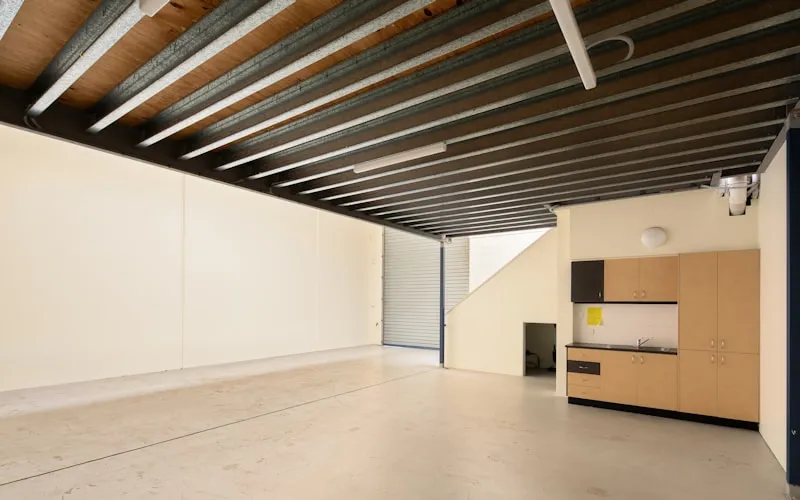
The open floor plan is both the greatest asset and the biggest challenge of barndominium interior design. A single, undivided space of 1,500 to 3,000 square feet demands intentional zoning to feel functional rather than overwhelming.
Use furniture as architecture. In a conventional home, walls define rooms. In a barndo, your furniture does that work. A large sectional sofa with its back to the dining area creates a clear boundary between living and eating zones. A row of tall wooden stools at a kitchen island serves as both seating and a visual divider between the kitchen and the great room.
Create intimate islands within the open sea. Rather than pushing all furniture against the walls (a common mistake that makes large spaces feel even larger and emptier), pull seating arrangements toward the center of the room. A conversation area anchored by a rug, flanked by accent chairs and a low coffee table, creates a cozy pocket within the vast space.
Vary the ceiling experience. If your barndo allows, use loft spaces, dropped soffits, or exposed beam structures to create areas that feel lower and more intimate. A reading nook beneath a lofted bedroom, for instance, benefits from the compressed ceiling height that makes it feel cocoon-like.
Use lighting to define zones. A pendant light cluster over the dining table, a floor lamp beside the reading chair, and recessed lighting in the kitchen - each creates a pool of warm light that psychologically defines a room within the open space. The unlit areas between become the "walls."
Area rugs are essential. On concrete or wood slab floors, area rugs do double duty: they define zones visually and absorb the sound that would otherwise bounce off hard surfaces. Use generously sized rugs - large enough that all furniture in a grouping sits at least partially on the rug.
The Rustic-Industrial Material Palette
The magic of barndominium design lies in the tension between raw and refined, industrial and organic. Your material palette should honor both sides of this equation.
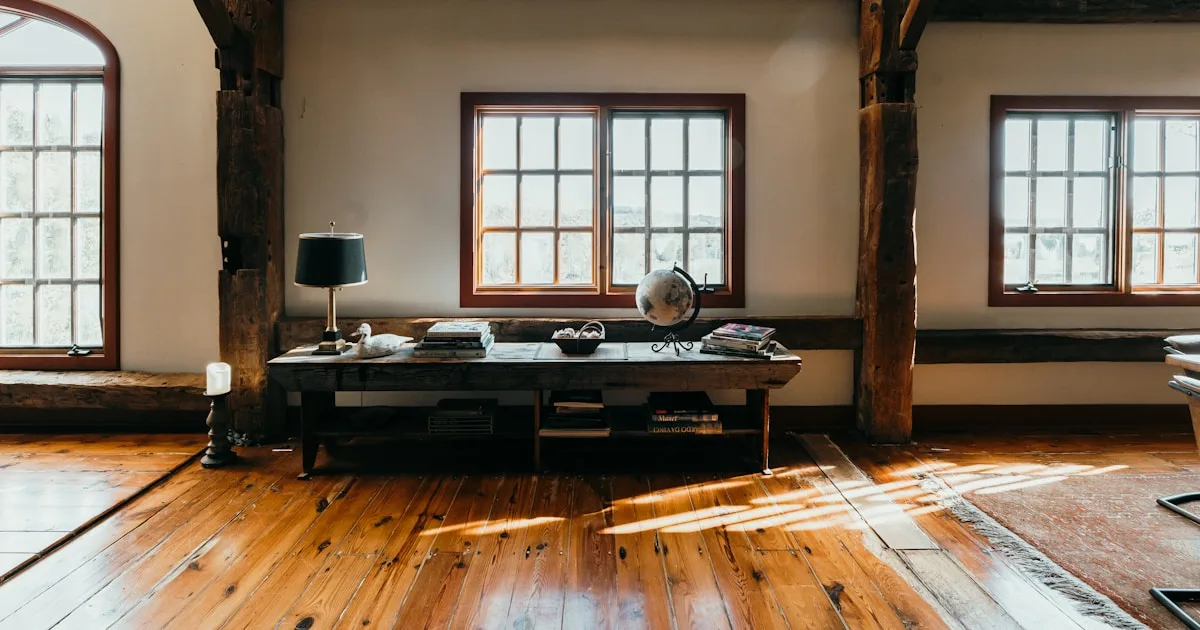
Reclaimed and natural wood is the single most important material for warming a barndominium interior. Use it generously - as accent walls, ceiling treatments, open shelving, mantels, and furniture. The natural grain and warm tones of wood counterbalance the cool, hard surfaces of metal and concrete. Our Raw Aesthetic collection features pieces that celebrate this exact philosophy: wood in its most honest, unrefined form, perfect for barndo interiors that embrace character over perfection.
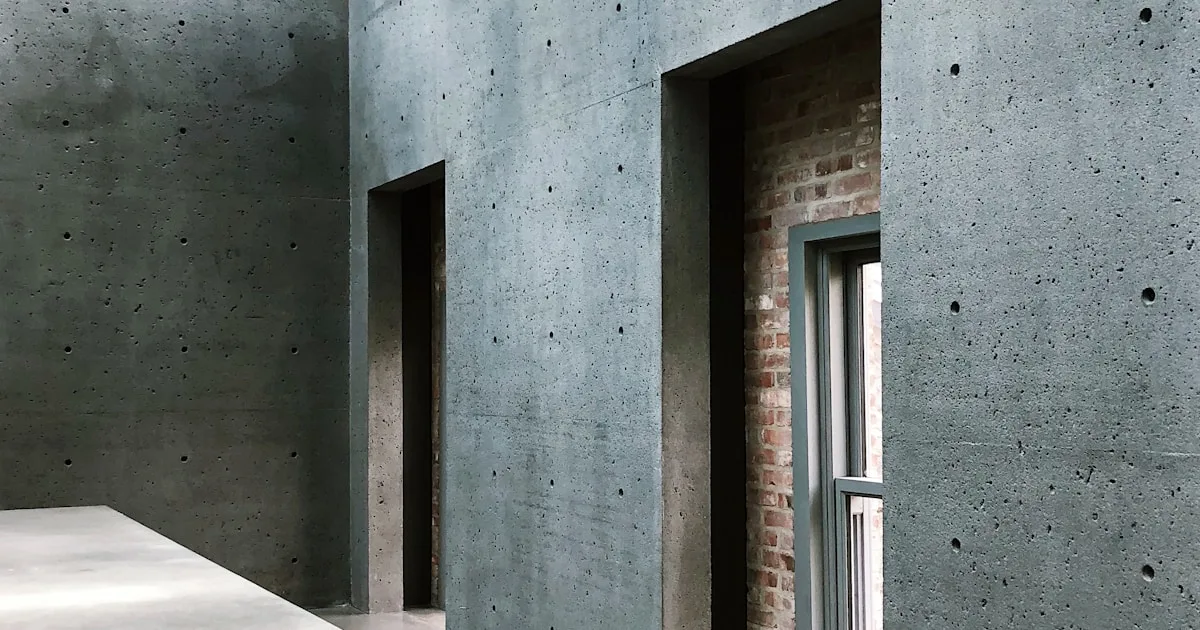
Concrete doesn't have to be cold. Polished concrete floors with a warm-toned stain or sealant become a beautiful, low-maintenance foundation. Add radiant floor heating if possible - it transforms concrete from a cold liability into a warm luxury.
Metal accents should complement, not compete with, the structural steel. Choose matte black iron, brushed brass, or aged copper for lighting fixtures, hardware, and furniture legs. These finishes feel intentional and refined against the building's utilitarian metal shell.
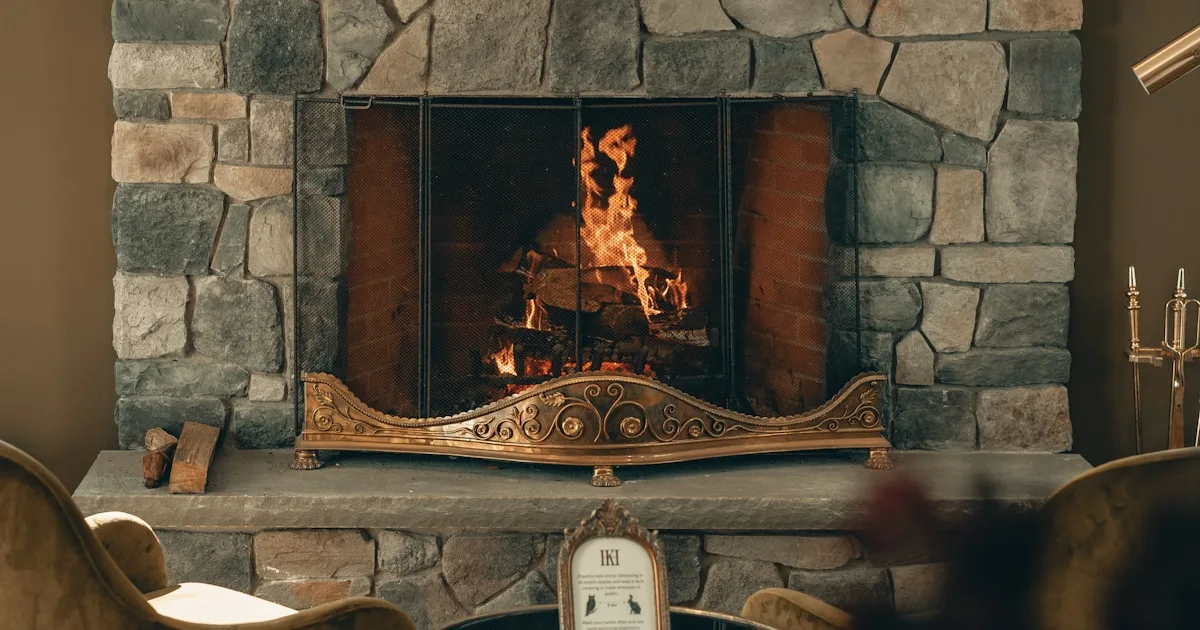
Stone and brick add visual weight and texture. A stone fireplace surround or a brick accent wall provides a natural focal point and further bridges the gap between industrial and rustic. These materials also have excellent thermal mass, helping regulate temperature in the large, open space.
Natural textiles are your secret weapon. Linen curtains, wool throws, cotton slipcovers, and woven baskets introduce softness that the building desperately needs. Layer them liberally - a barndominium can absorb more textile than a conventional home without feeling overdone.
Choosing Furniture for Barndominium Spaces
Furniture selection for a barndominium requires a different mindset than shopping for a conventional home. The scale, the aesthetic, and the functional demands are all amplified.
Scale up. In a room with 20-foot ceilings and 40-foot spans, a standard 7-foot sofa looks like dollhouse furniture. Choose oversized sectionals, large-format dining tables (8 feet or longer), and statement pieces that can hold their own against the architectural scale. A delicate side table that works perfectly in a cozy apartment will vanish in a barndo.
Mix rustic and industrial. The barndominium aesthetic thrives on contrast. Pair a raw-edge wood dining table with sleek metal chairs. Set a plush linen sofa against an exposed steel beam. Use handcrafted wooden stools at a concrete-topped kitchen island. Each pairing creates visual interest by playing rough against smooth, warm against cool.
Choose pieces with character. Mass-produced furniture feels anonymous in a barndo's expressive space. Seek out handcrafted, artisan-made pieces with visible joinery, natural imperfections, and honest materials. A hand-turned wooden stool, a hand-woven basket, a pottery lamp - these items carry the human touch that transforms an industrial shell into a home. Our Raw Aesthetic pieces are designed with exactly this spirit.
Don't forget vertical furniture. Tall bookcases, floor-to-ceiling shelving units, and large-scale art help fill the vertical void. In a room with soaring ceilings, horizontal furniture alone leaves the upper half of the room feeling empty and disconnected from the living space below.
Invest in the anchor pieces first. The dining table, the main sofa, and the bed frame set the tone for everything else. Get these right - in material, scale, and style - and the rest of the design will follow naturally.
Lighting a Barndominium: From Cavernous to Cozy
Lighting is arguably the most critical element in barndominium interior design. The wrong lighting makes a barndo feel like a commercial warehouse. The right lighting makes it feel like a grand lodge or a chic industrial loft.
Layer your lighting relentlessly. A single overhead fixture - no matter how impressive - cannot light a barndominium properly. You need at least three layers:
- Ambient lighting: Recessed cans, track lighting along beams, or cove lighting that washes walls and ceilings with general illumination.
- Task lighting: Pendant lights over kitchen islands and dining tables, desk lamps in workspaces, reading lamps beside seating areas.
- Accent lighting: Wall sconces that highlight architectural features, picture lights over artwork, LED strips under shelving or along stair treads.
Go big with statement fixtures. Those soaring ceilings are the perfect stage for oversized pendant lights, chandeliers, or industrial-style light clusters. A large woven or rattan pendant dropped on a long cord from a 20-foot ceiling creates a dramatic visual anchor while pulling the perceived ceiling height down to a more human scale.
Embrace warm color temperatures. Choose bulbs in the 2700K to 3000K range for living areas. The warm glow counteracts the cool tones of metal and concrete. Avoid the stark, blue-white light of higher color temperatures - it amplifies the industrial coldness rather than taming it.
Use dimmers everywhere. The ability to adjust light intensity throughout the day transforms how a barndominium feels. Bright, energizing light for morning routines; soft, warm light for evening relaxation. In an open floor plan, dimmers let you "turn off" certain zones while keeping others illuminated, reinforcing the sense of separate rooms within the open space.
Barndominium Living Room & Great Room Ideas
The great room - that vast, central living space - is the heart of every barndominium. It's where the design either comes together beautifully or falls flat. Here are the barndominium interior ideas that make the biggest impact in this critical space.
Anchor with a fireplace. Nothing transforms a metal building into a home faster than a fireplace. Whether it's a floor-to-ceiling stone surround, a sleek wall-mounted unit, or a freestanding wood stove, a fireplace provides a natural focal point and gathering spot. Position your main seating arrangement to face it.
Create a media wall that integrates, not dominates. In a conventional living room, the TV often competes with the fireplace. In a barndo with ample wall space, you can dedicate an entire wall to a media center built into reclaimed wood shelving, with the screen flanked by books, plants, and decorative objects that keep it from feeling like a showroom.
Use the vertical space for display. Install floating shelves or a gallery wall that extends upward, drawing the eye through the full height of the room. Mix artwork, mounted plants, woven wall hangings, and found objects to create a curated vertical landscape that makes the high walls feel intentional rather than empty.
Bring in substantial plants. Tall plants - fiddle leaf figs, olive trees, large ferns - thrive in the bright, open conditions of a barndominium and add life, color, and softness that no amount of furniture can replicate. Group them in natural pots and woven baskets to reinforce the organic aesthetic.
Layer textures on every surface. A wool rug underfoot, linen cushions on the sofa, a chunky knit throw draped over the arm, a raw wood coffee table with a ceramic tray - each layer of texture makes the space feel warmer, more intimate, and more human. In a barndo, there's no such thing as too much texture.
Kitchen & Dining Design in a Barndominium
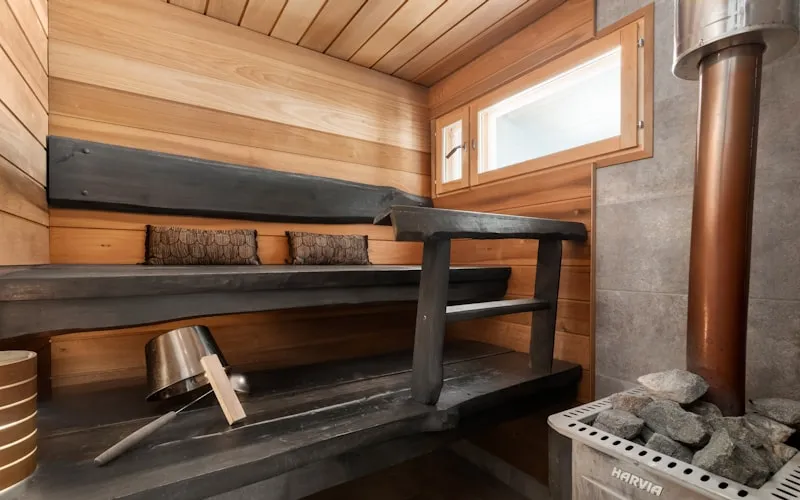
The kitchen and dining area in a barndominium benefit enormously from the open floor plan - you can create a truly generous cooking and entertaining space that would be impossible in a traditional home.
The kitchen island is king. In a barndo, the kitchen island often serves as the primary divider between cooking and living zones. Go large - 10 to 12 feet is not unreasonable - and include seating on the living-room side. Handcrafted wooden counter stools add warmth and character while providing casual dining seating for daily use.
Open shelving over upper cabinets. Closed upper cabinets can feel heavy and boxy in a space with soaring ceilings. Open shelving in natural wood allows you to display beautiful dishware, pottery, and plants while maintaining the airy, loft-like feel. Mix functional items (plates, glasses) with decorative pieces (ceramics, small plants) for a curated look.
Dining table as gathering point. Choose a dining table that matches the scale of your space - a long, solid wood table with bench seating on one side and individual chairs on the other creates a generous, inviting setup. The table should feel substantial enough to hold its own in the room.
Material choices that work: Concrete or butcher-block countertops feel authentic in a barndo. Subway tile backsplashes bridge the gap between rustic and modern. Matte black or brushed brass hardware on simple shaker or slab-front cabinets keeps things clean. For flooring, stained concrete with large area rugs in the dining zone works beautifully.
Don't forget the pantry. Barndominiums often have the space for a generous walk-in pantry. Use open shelving, woven baskets, glass jars, and wooden crates for storage that doubles as display - functional organization that looks as good as it works.
Bedrooms & Bathrooms: Creating Intimacy in Big Spaces
While the great room celebrates the barndominium's scale, bedrooms and bathrooms need the opposite approach: intimacy, enclosure, and calm. These are the spaces where you retreat from the grandeur, and they should feel like sanctuaries.
Bedroom strategies:
- Use the loft. Many barndominiums position bedrooms in a mezzanine or loft level overlooking the great room. This takes advantage of the vertical space and creates natural separation. Use railings of metal and wood that complement the industrial aesthetic.
- Create a canopy effect. In a bedroom with high ceilings, a four-poster bed or a fabric canopy dropped from ceiling-mounted hardware creates a room-within-a-room that feels intimate despite the soaring space above.
- Warm the walls. If the bedroom has exposed metal walls, consider adding wood paneling, shiplap, or a large textile wall hanging behind the bed. The visual and tactile warmth of these materials transforms the sleeping area.
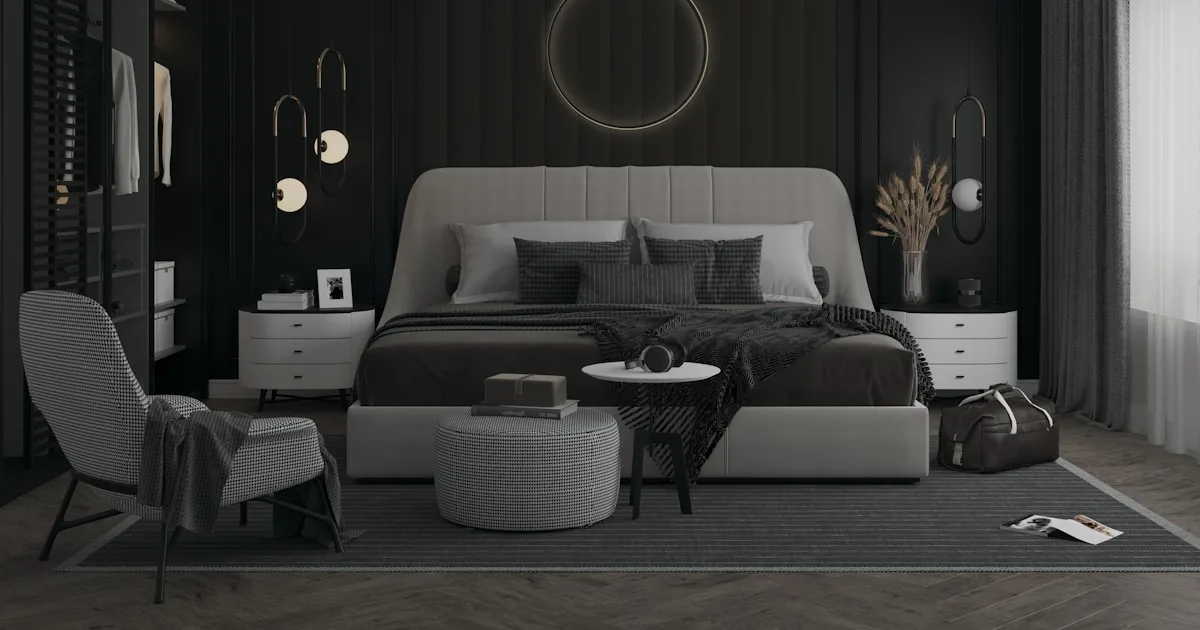
- Layered bedding is essential. Multiple layers of linen, cotton, and wool in neutral, earthy tones make the bed the softest, most inviting element in the room - a deliberate counterpoint to the hard surfaces surrounding it.
Bathroom design:
- Freestanding tubs are a barndominium classic - they serve as sculptural focal points and feel luxurious against the raw industrial backdrop.
- Mix materials: Concrete vanities with wood shelving, matte black fixtures against white tile, natural stone floors - the material interplay continues the barndo's rustic-industrial theme.
- Add warmth with wood. A live-edge wood vanity counter, a teak shower bench, or wood-framed mirrors bring organic warmth to what can otherwise feel like the most clinical room in the home.
Finishing Touches: Decor & Accessories for Your Barndo
The finishing touches are what elevate a barndominium from "construction project" to "dream home." These details are where your personality enters the design.
Art at scale. Small, delicate artwork disappears on a barndominium wall. Choose large-format pieces - oversized photographs, big canvas paintings, metal wall sculptures, or woven textile art. A single large piece has far more impact than a cluster of small frames.
Natural objects as decor. Driftwood, antlers, stone sculptures, dried grasses, large branches in tall handcrafted vases - these natural elements feel completely at home in a barndominium and reinforce the connection between the building and its (often rural) surroundings.
Handcrafted over mass-produced. Every handmade object in a barndominium tells a story and adds warmth that factory-made items simply cannot. A hand-thrown pottery lamp, a hand-woven throw, a hand-stitched leather pillow - these pieces carry human energy that animates the industrial shell. Browse our Raw Aesthetic collection for pieces that embody this philosophy.
Books as design elements. Stacks of books on coffee tables, loaded bookshelves climbing the walls, even a dedicated library nook - books add color, texture, intellectual warmth, and the message that this is a home where people live and think, not just a showpiece.
Practical beauty. In a barndominium, your tools, equipment, and outdoor gear can become part of the aesthetic. A wall-mounted bike, a row of leather boots on a hand-built rack, cast iron cookware on open shelving - when these items are well-made and well-displayed, they become decor in their own right.
Plants, plants, plants. We cannot overstate the importance of greenery in a barndominium. Large potted plants soften hard edges, add life and color, improve air quality, and fill vertical space. Use woven baskets and ceramic pots as planters to integrate them into your natural material palette.
A barndominium is not just a building - it's a canvas. The industrial shell provides drama, scale, and a uniquely modern character that conventional homes can only envy. Your job as designer is to fill that canvas with warmth, texture, and personality.
The most successful barndominium interiors don't fight the building's industrial nature. They embrace it, using the contrast between raw steel and warm wood, hard concrete and soft linen, vast openness and intimate corners to create spaces that feel simultaneously grand and cozy.
Start with the fundamentals - zone your open floor plan, establish a layered lighting scheme, and invest in anchor furniture pieces that match the building's scale. Then layer in natural materials, handcrafted accessories, and personal touches that make the space unmistakably yours.
Ready to add artisan-crafted pieces to your barndominium? Explore our Raw Aesthetic collection for furniture and decor that celebrates natural materials in their most honest form - the perfect complement to your barndo's industrial soul.
Frequently Asked Questions
Enjoyed this guide?
Share it with someone who'd find it useful