Modern rustic interior design is the art of tension - the deliberate collision of raw, untamed natural materials with the clean precision of contemporary design. It takes the warmth and authenticity of rustic style and strips away the kitschy cabin cliches, replacing them with sophisticated restraint and modern comfort.
This is a style that celebrates the beauty of raw, unfinished materials - exposed wood grain, natural stone, rough-hewn beams, and handcrafted textures - while presenting them in clean, uncluttered spaces with contemporary furniture and modern proportions. The result is an interior that feels both anchored to the earth and thoroughly of its time.
Whether you are designing a rustic decor living room, updating a country home, or bringing natural warmth into a city apartment, this guide covers everything you need to master the modern rustic balance.
What Is Modern Rustic Interior Design?
Modern rustic design emerged as a response to two extremes. On one side, ultra-modern minimalism - all white walls, steel, and glass - had become cold and impersonal. On the other, traditional rustic style - log cabin aesthetics, country kitsch, and themed decor - felt dated and heavy-handed. Modern rustic sits at the intersection, taking the best of both worlds.
The defining philosophy: Use natural, raw materials for warmth and authenticity, but present them with the restraint and clean lines of modern design. Let the beauty of the material speak for itself without over-decorating or over-styling.
Key principles of modern rustic design:
- Material honesty - Every material is celebrated in its natural state. Wood shows its grain, knots, and imperfections. Stone reveals its texture and variation. Metal shows its patina. Nothing is disguised or made to look like something else.
- Clean lines with organic forms - Furniture and architecture use clean, contemporary lines, but organic, hand-shaped elements - a live-edge table, a hand-thrown pot, a hand-turned wooden stool - add warmth and human touch.
- Edited simplicity - Unlike traditional rustic interiors that can feel cluttered with country motifs, modern rustic spaces are edited and intentional. Each piece earns its place through quality, beauty, or function.
- Textural contrast - The style relies on contrasting textures rather than colors or patterns. Smooth concrete against rough wood, soft linen against hard stone, woven rattan against polished metal.
- Connection to place - Modern rustic design draws from the local landscape. A mountain home uses stone and timber; a coastal home uses driftwood and rope; a prairie home uses reclaimed barn wood and natural grasses.
The raw aesthetic that defines modern rustic is not about looking unfinished - it is about finding beauty in the authentic, unadorned qualities of natural materials.
Essential Materials & Textures for Modern Rustic Style
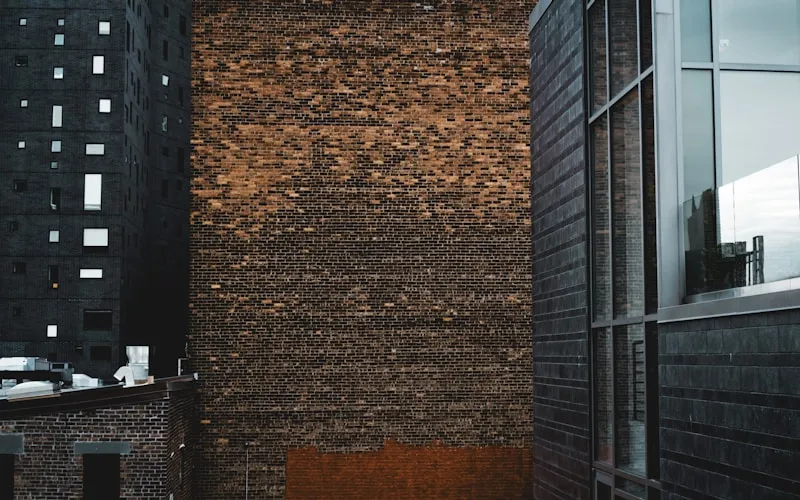
Materials are the foundation of modern rustic design. Every material choice should prioritize authenticity, natural origin, and tactile richness. Here are the essential materials and how to use them effectively.
Reclaimed and raw wood:
Wood is the single most important material in modern rustic interiors. Reclaimed timber - salvaged from old barns, factories, or demolished buildings - brings history and character that new wood simply cannot replicate. Use reclaimed wood for ceiling beams, feature walls, shelving, and dining tables. For smaller pieces, look for furniture that celebrates natural wood grain and organic shapes: hand-turned stools, live-edge coffee tables, and rough-hewn shelves.
Natural stone:
Stone - whether as floor tiles, fireplace surrounds, countertops, or accent walls - brings geological drama and grounding weight. Slate, limestone, travertine, and river stone all work in modern rustic settings. The stone should look and feel natural, not polished to a mirror finish. Honed or tumbled finishes maintain the raw quality the style demands.
Raw metals:
Iron, steel, copper, and brass in their natural or patinated states add industrial edge to rustic warmth. Matte black iron shelving brackets, a copper pendant light, or raw steel table legs create the "modern" counterpoint to rustic materials. Avoid highly polished chrome - the metals should look honest and slightly aged.
Concrete:
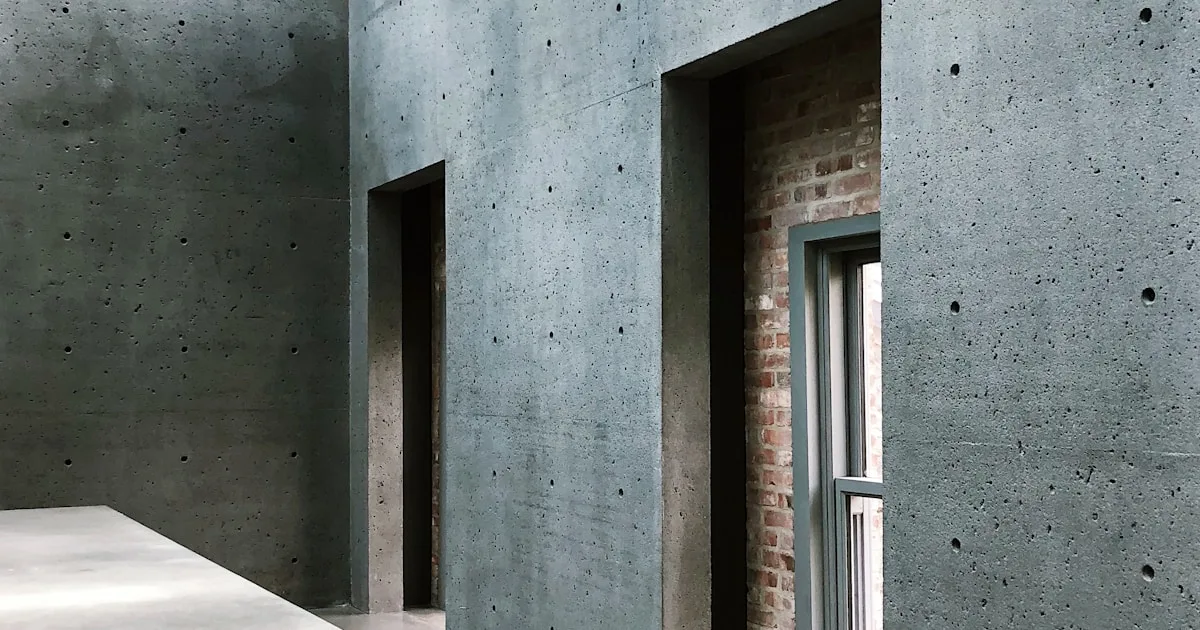
Poured or polished concrete floors, countertops, and feature walls bring a brutalist modernity that contrasts beautifully with warm wood and soft textiles. Concrete's cool, smooth surface is the perfect foil for the rough warmth of the rustic materials around it.
Natural fibers and textiles:
Linen, wool, leather, jute, and cotton in natural, undyed tones provide softness and warmth. Linen throws and cushion covers in oatmeal, charcoal, and cream soften hard surfaces without introducing fussy patterns. Leather ages beautifully and adds warm, lived-in character.
Woven and handcrafted elements:
Rattan furniture and woven baskets introduce handcrafted texture that bridges the rustic and modern elements. Their organic shapes and natural materials ground the modern elements while their clean forms complement contemporary design.
Rustic Decor Living Room: Creating the Perfect Modern Rustic Space
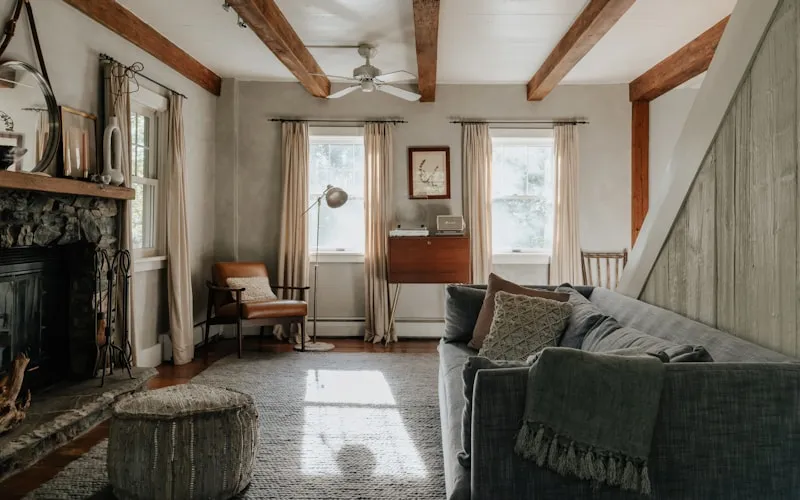
The living room is where modern rustic interior design makes its most powerful statement. This is the room where the raw-meets-refined philosophy comes together most naturally, creating a space that invites both quiet contemplation and warm gathering.
The architectural bones:
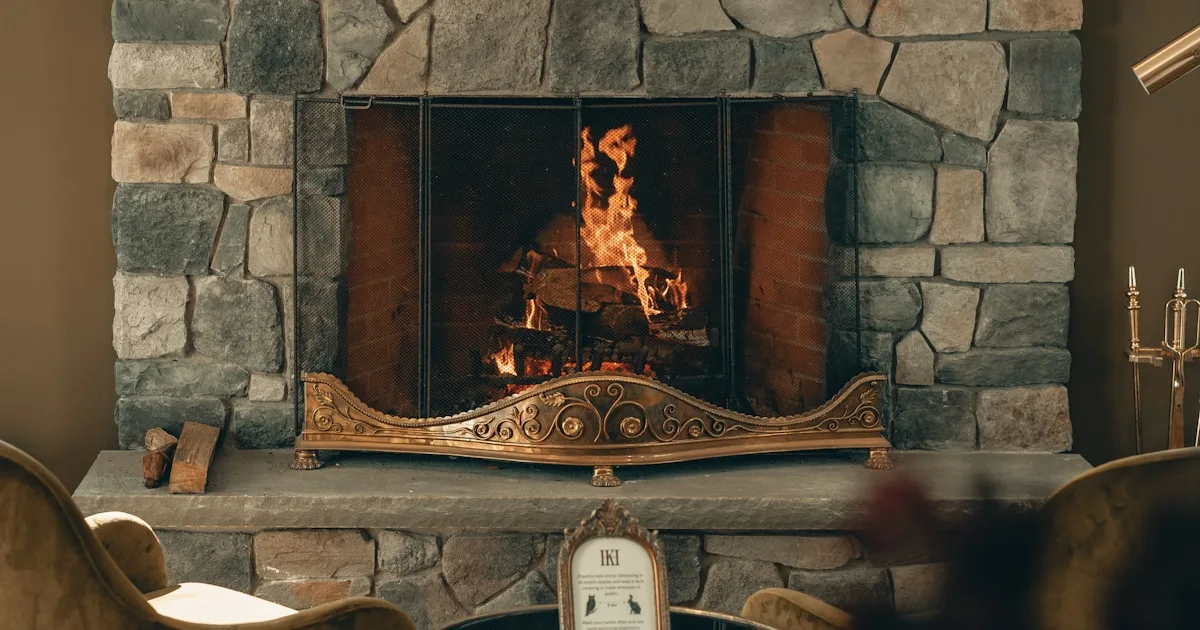
If you have exposed beams, stone walls, or a wood-burning fireplace, these architectural elements become the room's defining features. Let them be the heroes - do not cover them up or compete with them. If you do not have these features, create modern rustic architecture through a reclaimed wood feature wall, a stone-clad fireplace surround, or exposed structural elements painted in matte black.
Seating:
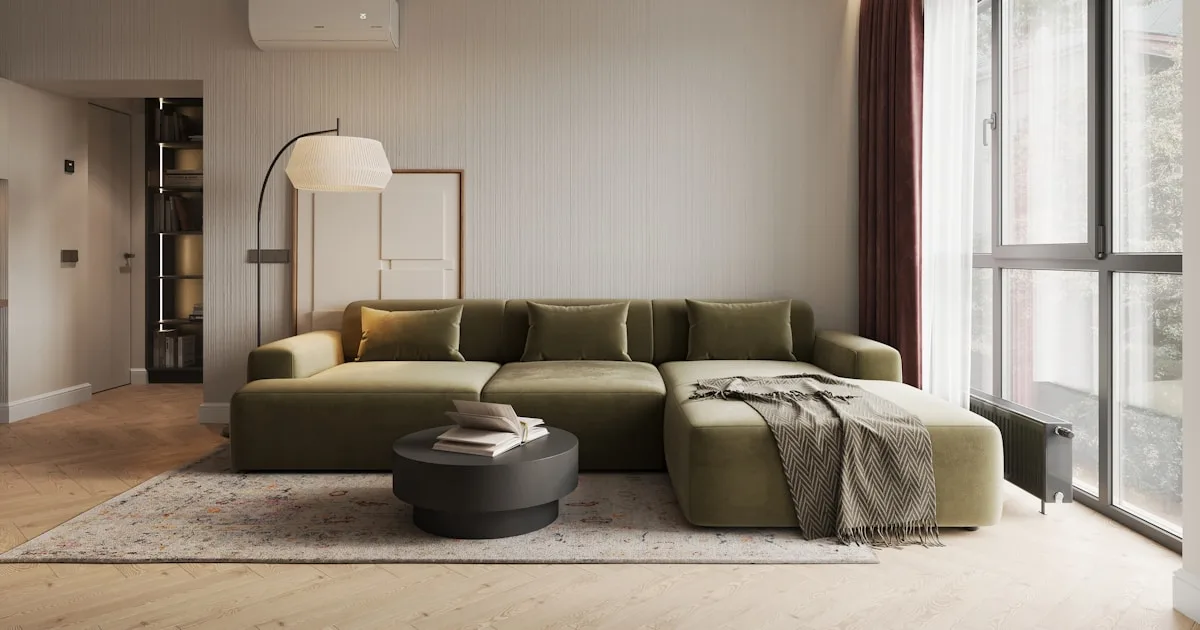
Choose a contemporary sofa with clean lines in a natural fabric - linen in oatmeal or charcoal, or leather that will develop a beautiful patina over time. Pair it with a rattan accent chair for organic texture, and consider a couple of wooden stools as flexible extra seating or side tables. The seating should feel comfortable and modern in form but rich in natural materials.
The coffee table:
A live-edge or reclaimed wood coffee table is the quintessential modern rustic centerpiece. The organic shape of the wood - with its natural edges, visible grain, and unique imperfections - embodies the style's philosophy. Pair it with a simple iron or black steel base for the modern component.
Lighting:
Layer warm lighting with character. Industrial-style pendant lamps in iron or woven materials provide overhead light. Table lamps with natural bases - ceramic, turned wood, or stone - add ambient warmth at eye level. Avoid recessed spotlights as the primary light source; they are too cold and clinical for modern rustic spaces.
Accessories with restraint:
This is where modern rustic diverges from traditional rustic: accessories are few but impactful. A large ceramic vase with dried grasses, a stack of books on the coffee table, a pair of woven baskets for throw blanket storage, and one or two pieces of art. Resist the urge to over-style - negative space is essential to the modern half of the equation.
Texture on the floor:
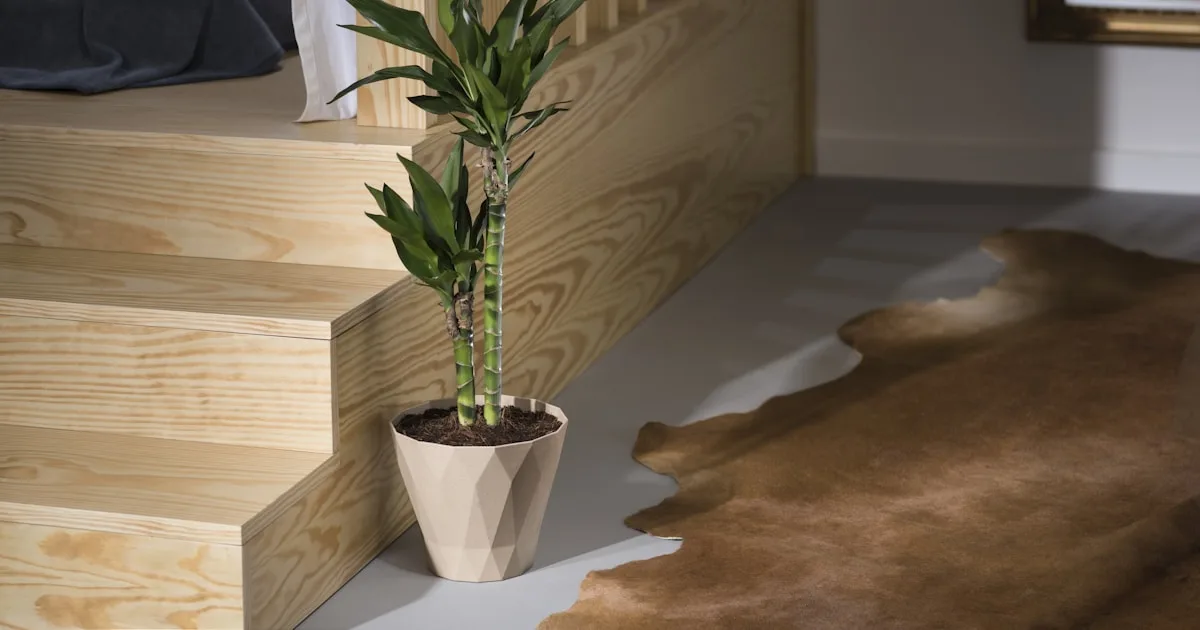
A large natural-fiber rug - jute, sisal, or wool - anchors the seating area and adds warmth underfoot. Layer a smaller sheepskin or woven rug for additional texture. If you have beautiful natural stone or wood floors, let them show around the edges.
The Modern Rustic Color Palette: Earth, Stone & Timber
The modern rustic color palette is drawn directly from the materials themselves - it is the palette of the natural world, unfiltered and unforced. Where other styles define their palette through paint and fabric choices, modern rustic lets the colors of raw materials lead.
The primary palette:
- Warm timber tones - From pale blonde ash to deep, dark walnut, wood tones form the warm backbone. These are not paint colors - they are the actual colors of the natural and reclaimed wood in the space.
- Stone grays - Cool, varied grays from concrete, natural stone, and slate provide the neutral counterpoint to warm wood tones. These grays are never flat - they have depth, variation, and mineral character.
- Warm white and plaster - Walls in modern rustic spaces are typically warm white with a slightly plaster-like quality - not sterile bright white but the soft, warm tone of natural lime plaster or clay. This warmth ensures the raw materials feel embraced rather than displayed against a clinical backdrop.
- Charcoal and matte black - Used for iron fixtures, steel frames, and architectural details. Black provides sharp, modern definition that prevents the natural tones from becoming muddy or overly casual.
Accent tones (used sparingly):
- Sage and forest green - The greens of the natural landscape, introduced through plants and occasional textiles or ceramics.
- Rust and terracotta - Warm earth tones that echo the oxidized metals and clay soils of the natural world. A terracotta vase or rust-toned cushion adds warmth without disrupting the material-driven palette.
- Deep navy or indigo - A single accent of deep blue - perhaps a linen throw or a piece of art - can provide a sophisticated counterpoint to the warm earth tones.
The cardinal rule of modern rustic color: if a color could not plausibly be found in the natural landscape, it does not belong. Electric blue, hot pink, and synthetic-looking turquoise are out. Every color should feel like it was dug from the earth, cut from a tree, or pulled from the sky at dusk.
Modern Rustic Kitchen & Dining Design
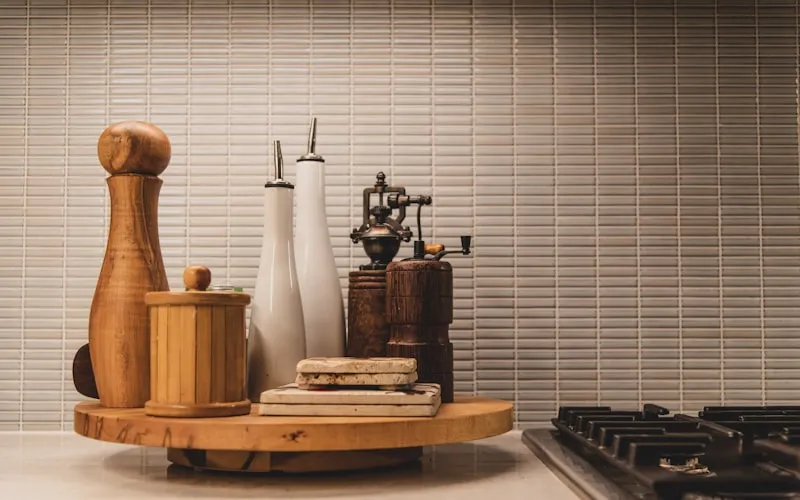
The kitchen and dining area are where modern rustic design feels most at home - literally. These spaces naturally combine function, gathering, and the honest beauty of working materials.
Modern rustic kitchen design:
The modern rustic kitchen balances professional-grade function with handcrafted warmth. Key elements include:
- Cabinetry - Simple, flat-front or shaker-style cabinets in natural wood, matte dark paint (charcoal, deep green), or a combination. The joinery should be visible and the materials natural. Open shelving in reclaimed wood replaces upper cabinets to display everyday ceramics and cooking essentials.
- Countertops - Honed stone, poured concrete, or thick butcher block. These surfaces should look and feel substantial and natural, not thin or synthetic.
- Hardware - Matte black iron, aged brass, or copper pulls and handles provide the modern detail that elevates rustic materials.
- The island - A generous kitchen island with a thick wood or stone top, perhaps with a raw edge, serves as the room's gathering point. Tuck wooden stools or bar stools underneath for casual seating.
The dining space:
A substantial dining table in reclaimed or natural wood is the centerpiece - the kind of table that invites long, lingering meals. Pair it with mismatched seating for a collected feel: wooden dining chairs, a bench on one side, perhaps a rattan chair at the head. Keep the table styling simple - a linen runner, a few candles, and a ceramic vase with greenery.
Storage and display:
Open shelving, iron-framed glass cabinets, and woven baskets for pantry storage bring warmth and function. Display your most beautiful everyday items - handmade ceramics, wooden cutting boards, stone mortar and pestles - and keep the rest neatly stored away. The balance between displayed and hidden is what keeps modern rustic kitchens from tipping into rustic cluttered territory.
Modern Rustic Bedrooms & Bathrooms
The modern rustic bedroom:
The bedroom should feel like a sanctuary - warm, quiet, and materially rich without being visually busy. Start with the bed: a solid wood bed frame with clean lines and visible grain, or an upholstered frame in natural linen or leather. Layer the bed with linen bedding in natural tones - undyed linen in oatmeal, soft white, or warm gray. Add a woolen throw at the foot for texture.
Bedside solutions should be unfussy. A raw wooden shelf mounted to the wall, a wooden stool, or a simple stone slab on iron legs. Top each with a lamp that has a natural base - ceramic, turned wood, or stone - and keep surfaces minimal. A single plant, a book, and perhaps a candle are enough.
The walls should be warm and simple. Plaster-effect paint in warm white, a reclaimed wood headboard wall, or a limewashed finish all create the textured backdrop that modern rustic bedrooms need without competing with the bed for attention.
The modern rustic bathroom:
This is where the tension between raw and refined plays out most dramatically. Concrete or stone sinks paired with warm wood vanities, matte black hardware against pale plaster walls, and natural stone tile floors create a space that feels like a spa carved into a mountain.
Key elements:
- A freestanding bathtub or walk-in shower with natural stone or large-format concrete-effect tiles
- A wooden vanity with a stone vessel sink - the combination of warm wood and cool stone is quintessential modern rustic
- Matte black fixtures and hardware for modern definition
- Natural linen or waffle-weave towels in white or oatmeal
- A wooden stool or bench for towels and bath products
- Open shelving with woven baskets for organized storage
- Plants that thrive in humidity - ferns, pothos, or air plants - for living green texture
The goal in both bedroom and bathroom is material richness with visual calm - spaces that feel luxuriously natural without being decorated in the traditional sense.
Modern rustic interior design offers the best of two worlds - the warmth, authenticity, and grounding presence of natural materials combined with the sophistication, comfort, and clean aesthetics of contemporary design. It is a style that respects the earth it draws from while creating spaces that feel unmistakably modern.
Start with one room - perhaps your living room - and focus on the materials. Choose furniture and decor that celebrate natural materials in their honest state: raw, unfinished, beautifully imperfect. Add handcrafted wooden pieces, natural rattan, and woven baskets for warmth and texture. Then edit ruthlessly - modern rustic is as much about what you leave out as what you include.
Explore our Raw Aesthetic collection for furniture and decor that embodies the modern rustic spirit - handcrafted, sustainably sourced, and beautifully honest.
Frequently Asked Questions
Enjoyed this guide?
Share it with someone who'd find it useful