Brutalist interior design takes the unflinching honesty of brutalist architecture - raw concrete, exposed structural elements, and bold geometric forms - and translates it into a residential aesthetic that is equal parts dramatic, honest, and surprisingly livable. It is design stripped of pretense, where materials are celebrated in their raw state and structure itself becomes decoration.
The brutalist interior is not for the faint-hearted. It demands confidence, an appreciation for material truth, and a willingness to let imperfection be the point. But for those who embrace it, brutalism offers something rare in interior design: spaces that feel genuinely powerful, sculptural, and deeply authentic.
This guide explores how to bring brutalist principles into your home - from the essential materials and color palettes to the art of softening brutalism's hard edges with raw, handcrafted elements and natural textures that make these spaces warm enough to truly live in.
What Is Brutalist Interior Design? Origins & Philosophy
Brutalism emerged in the 1950s and 1960s as an architectural movement - a post-war reaction against the decorative excess and perceived dishonesty of earlier styles. The name derives from the French "beton brut," meaning raw concrete, which was the movement's signature material. Architects like Le Corbusier, Alison and Peter Smithson, and Tadao Ando championed buildings that were honest about their structure and materials - where the concrete bore the marks of the formwork that shaped it, and the building's function was expressed through its form.
Brutalist interior design carries this same philosophy indoors. It is not about making a home look like a bunker - it is about embracing material honesty, celebrating structural elements, and finding beauty in the raw, the unfinished, and the deliberately imperfect.
Core principles of brutalist interior design:
- Material honesty (truth to materials) - Every material appears as itself. Concrete is concrete, not painted to look like something else. Wood shows its grain, knots, and natural irregularities. Metal shows its welds, patina, and industrial character. Nothing is disguised or prettified.
- Structural expression - The bones of the building - beams, columns, ductwork, pipes - are exposed and celebrated rather than hidden behind plasterboard and false ceilings. Structure becomes the primary decorative element.
- Bold geometric forms - Furniture and architectural elements favor strong, confident geometric shapes - massive rectangular tables, cylindrical concrete planters, angular shelving, cubic seating. Curves, when they appear, are deliberate and sculptural.
- Textural richness - While the color palette is restrained, the surface variety is extraordinary. Board-marked concrete, rough-sawn timber, brushed metal, woven textiles, and hand-shaped ceramics create a tactile landscape that rewards close looking and touching.
- Monumental scale - Even in domestic settings, brutalist design favors pieces with presence and weight. A massive wooden table, an oversized pendant light, or a substantial wooden stool with bold proportions.
Essential Brutalist Materials: Concrete, Wood, Steel & Stone
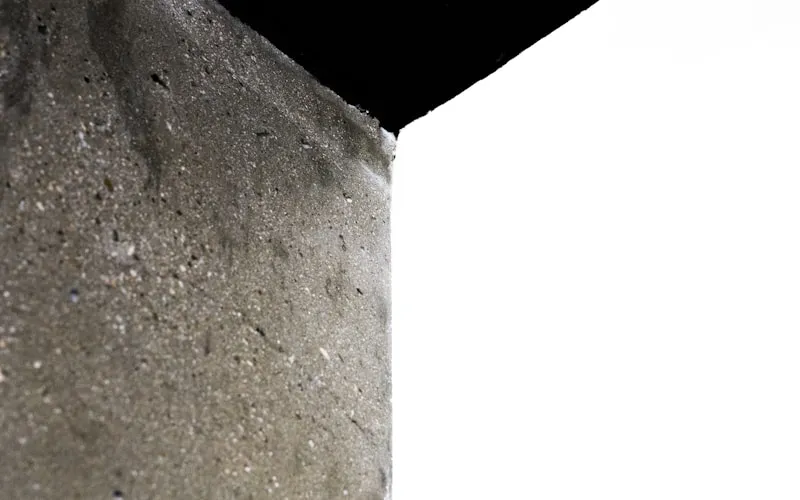
Materials are not just components of brutalist interiors - they are the entire aesthetic. The choice, treatment, and presentation of materials defines the space. Here are the essential brutalist materials and how to use them residentially.
Concrete:
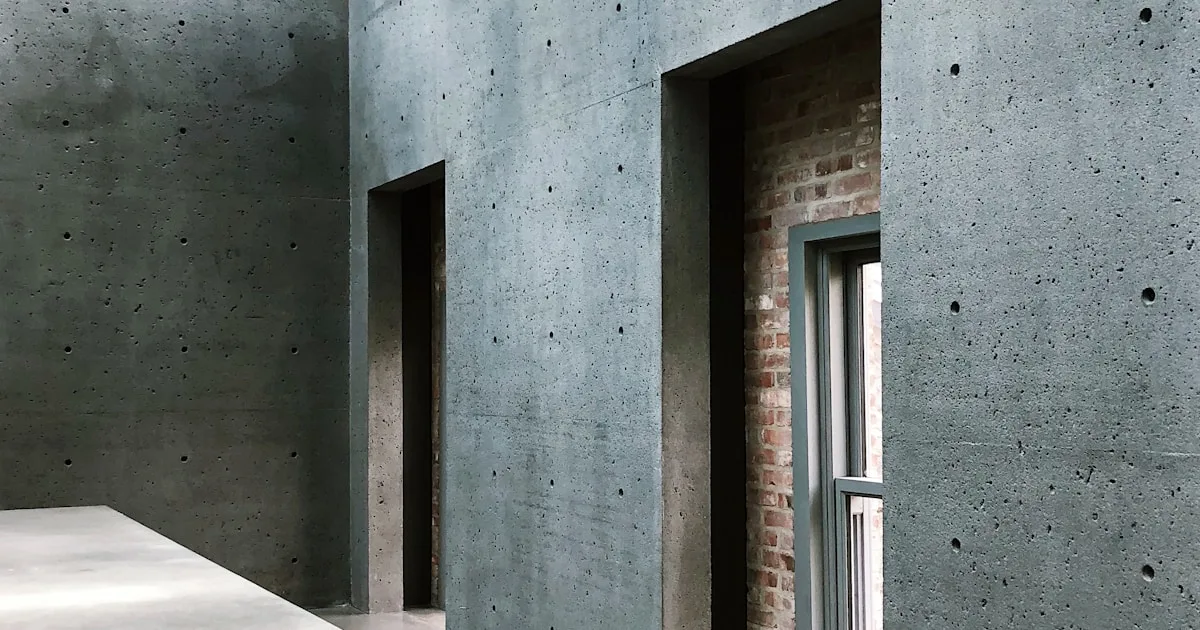
The signature brutalist material. In residential interiors, concrete appears as polished or matte floors, feature walls, countertops, sinks, and even furniture. The beauty of concrete in brutalist design is its imperfection - air bubbles, color variation, and the imprint of the formwork (board marks) are features, not flaws. If you cannot pour concrete walls, concrete-effect plaster, microcement, and high-quality concrete-look tiles can achieve a similar effect.
Raw wood:
Where concrete provides the cool, hard foundation, raw wood brings warmth and organic life. Brutalist interiors favor wood that looks and feels honest - rough-sawn planks, live-edge slabs, and hand-hewn timbers with visible tool marks. Hand-turned wooden stools with their natural grain and organic forms are perfect brutalist accents - each one is unique, shaped by the character of the original timber.
Steel and iron:
Raw, blackened, or Corten steel provides structural accents. Steel shelving, table bases, stair railings, and light fixtures in matte black or rusted finishes add the industrial, structural quality that brutalism demands. Welding marks, bolts, and visible joints are celebrated - this is hardware that does not pretend to be invisible.
Natural stone:
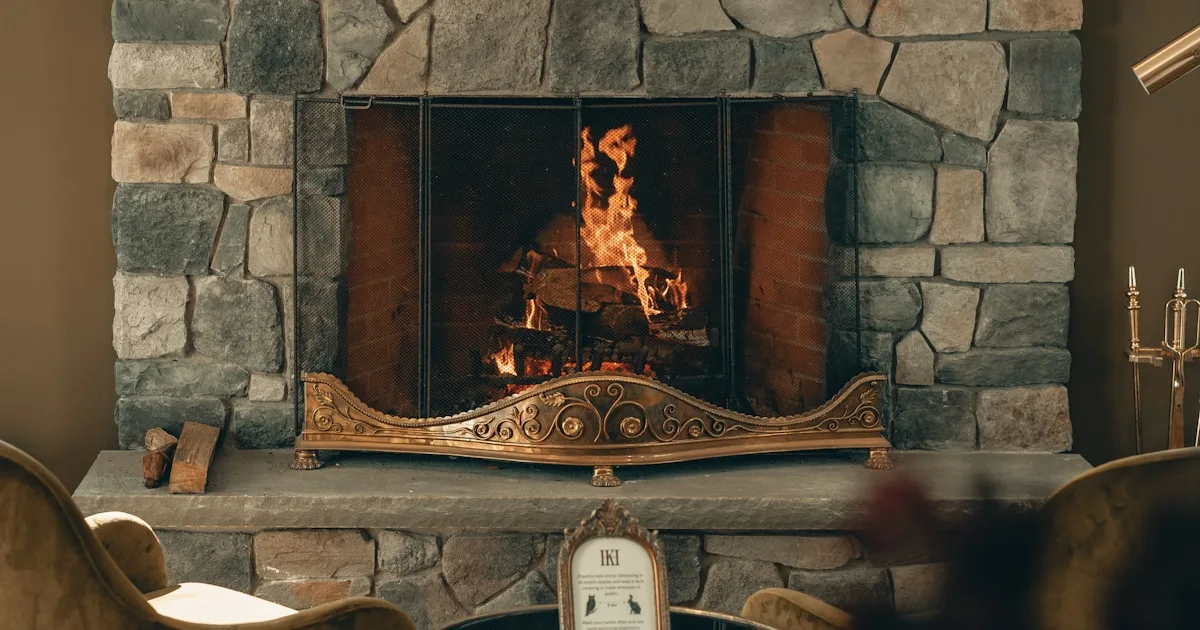
Rough-cut, honed, or split-face stone brings geological drama. Used for floors, feature walls, or fireplace surrounds, natural stone adds the weight and permanence that brutalist spaces require. Basalt, granite, slate, and rough limestone are particularly effective.
Glass:
Large, unframed panes of glass provide contrast to the heavy, opaque materials around them. Floor-to-ceiling windows, glass interior partitions, and frameless glass shower screens introduce light and transparency that prevents brutalist interiors from feeling cave-like.
Handcrafted elements from The Raw Aesthetic:
The beauty of brutalism lies in its celebration of the maker's mark. Handcrafted furniture and objects - where the hand of the artisan is visible in every surface - align perfectly with brutalist philosophy. Pieces from our Raw Aesthetic collection share brutalism's commitment to material honesty and structural expression.
The Brutalist Color Palette: Monochrome, Earth & Shadow
The brutalist color palette is arguably the most restrained of any interior design style. Color is not applied - it emerges naturally from the materials themselves. The palette is a study in the infinite variations of gray, brown, and black, punctuated by the warm glow of natural wood and the occasional bold accent.
The concrete spectrum:
Concrete alone provides a remarkable range of grays - from near-white to dark charcoal, with undertones that can be warm (pinkish, beige) or cool (blue-gray, green-gray) depending on the mix and aggregate. In a brutalist interior, these subtle variations create visual depth that single-color paint cannot achieve.
The core palette:
- Raw concrete gray - The dominant tone, in all its subtle variations. This is the canvas on which everything else is placed.
- Matte black - Steel, iron, and hardware in matte black provide sharp definition and graphic contrast. Black is the punctuation mark of brutalist design.
- Warm timber tones - From pale ash to deep walnut, natural wood provides the warmth that prevents brutalist interiors from feeling cold and institutional. The wood tones are the lifeline of residential brutalism.
- Natural white - Not the bright white of modern minimalism but the warm, slightly yellow-white of natural plaster and limestone. Used sparingly on ceilings or to reflect light into darker areas.
Accent possibilities (use with extreme restraint):
- Rust and oxidized orange - The natural color of weathered Corten steel, aged copper, and terracotta. A few terracotta or rust-toned accessories can add warmth without disrupting the monochrome scheme.
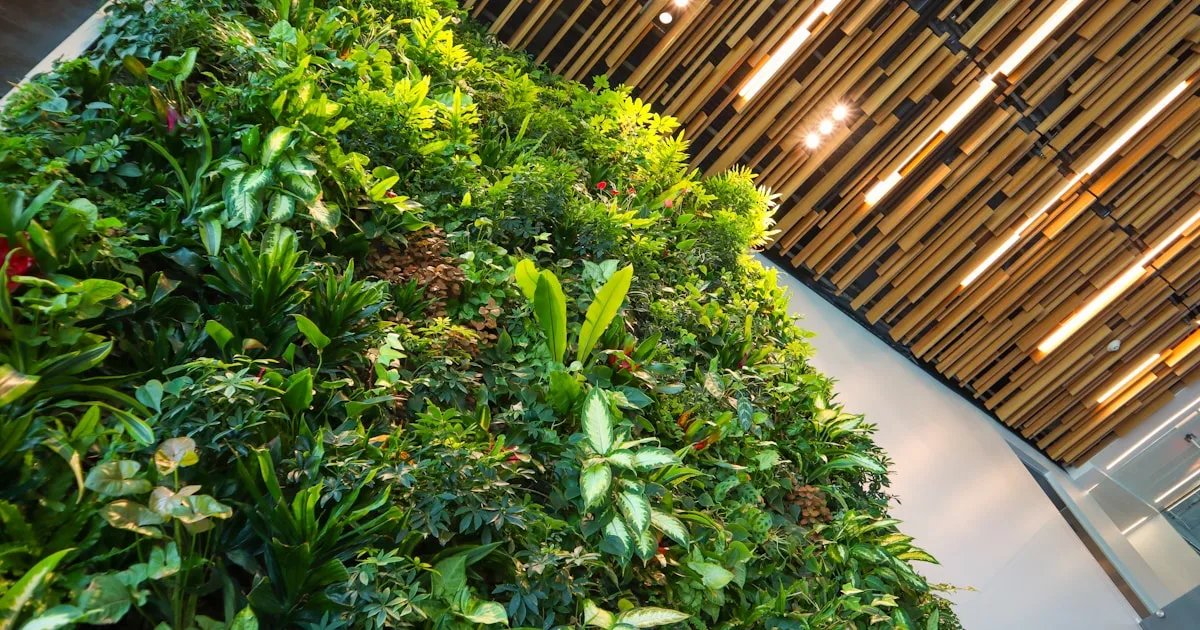
- Deep forest green - Introduced through large-scale plants rather than paint or fabric. A massive monstera or fig tree provides the only "color" some brutalist spaces need.
- Charcoal-toned textiles - Dark, muted fabrics in charcoal, graphite, and dark brown complement rather than compete with the architectural materials.
The discipline of the brutalist palette forces attention onto texture, form, and light - the three elements that truly define these spaces. Without the distraction of color, you notice the play of shadow on a concrete wall, the grain pattern in a wooden surface, or the way light falls through a window and transforms the room throughout the day.
Brutalist Furniture: Sculptural, Weighty & Handcrafted
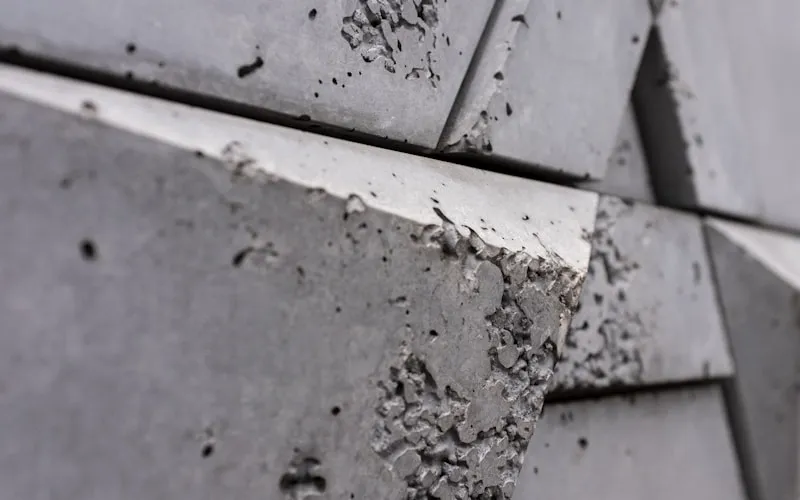
Furniture in brutalist interiors is not merely functional - it is sculptural. Each piece should have the presence and confidence of a small architectural structure, with bold proportions, honest materials, and visible construction.
Characteristics of brutalist furniture:
- Monumental proportions - Brutalist furniture tends toward the substantial. A dining table should feel like it could anchor the room for generations. A bookshelf should have architectural presence. Even smaller pieces like stools should feel weighty and purposeful.
- Geometric confidence - Clean, bold geometric forms define brutalist furniture. Rectangular slabs, cylindrical columns, angular brackets, and cubic forms. The shapes are simple but their execution is precise and deliberate.
- Visible construction - Joints, fasteners, and structural elements are part of the design. A table's steel base shows its welds. A wooden shelf reveals its joinery. A concrete bench displays its casting marks. The making is the decoration.
- Material integrity - Each piece should be made from solid, honest materials - not veneered, not painted to disguise, not laminated to imitate. Solid wood, cast concrete, forged metal, and natural stone are the proper brutalist materials.
Key brutalist furniture pieces:
The statement table: A massive dining or coffee table in raw wood slab, cast concrete, or stone with a steel base. This is often the room's centerpiece - large, heavy, and unmistakably the most important object in the space.
Seating: Brutalist seating ranges from raw concrete benches to solid wooden stools to leather-and-steel chairs with industrial character. The seating should look strong enough to last forever and honest enough that you can see exactly what it is made of.
Shelving and storage: Open steel shelving, concrete or wood box units, and raw wood slabs on industrial brackets. Storage in brutalist spaces is often open and architectural rather than enclosed and hidden.
Handcrafted accent pieces: Paradoxically, brutalism's love of material honesty makes it a natural home for handcrafted objects. An artisan ceramic vase with visible throwing marks, a hand-turned stool with natural timber character, or a woven basket - these handmade pieces share brutalism's commitment to truth and authenticity.
Softening Brutalism: Making Raw Spaces Livable
The greatest challenge of residential brutalist design is warmth. Pure brutalism - all concrete, steel, and glass - can feel institutional and cold. The art of livable brutalist interiors lies in softening the hard edges without betraying the style's core principles.
Natural wood as the primary softener:
Wood is the most effective tool for humanizing brutalist spaces. Its warm color temperature, organic grain patterns, and tactile softness counterbalance concrete's cool, hard presence. Use wood generously - wooden floors (or rugs over concrete), wooden furniture, wooden stools and accent pieces, and exposed timber beams. The key is to keep the wood raw and honest, in keeping with brutalist principles, rather than heavily varnished or painted.
Textiles for physical comfort:
Natural linen and wool textiles add the softness that concrete and steel cannot provide. Heavy linen curtains in natural or charcoal tones, wool throws on seating, and linen cushions in muted earth tones make the space physically comfortable. Keep textiles simple, textured, and natural - no fussy patterns or bright colors that would fight the architecture.
Woven and handcrafted textures:
Woven baskets and handcrafted objects introduce organic irregularity into brutalism's geometric world. The contrast between a perfectly geometric concrete wall and an organically woven basket is dramatic and beautiful - it is a dialogue between the industrial and the handmade that enriches both.
Plants as living architecture:
Large-scale plants are essential to residential brutalist design. A massive fiddle-leaf fig, a tall cactus, or a cascading pothos soften hard surfaces and bring biological life into the mineral world. Use plants architecturally - a single large specimen is more brutalist than a cluster of small pots.
Warm lighting:
Lighting makes or breaks a brutalist interior. Warm-toned ambient light transforms cold concrete into something warm and alive. Use artisan lamps with warm bulbs, floor-standing industrial fixtures, and candles. Avoid cool white light, which emphasizes the institutional quality that residential brutalism must overcome. The interplay of warm light and shadow on textured concrete surfaces is one of the most beautiful effects in interior design.
The 70/30 rule:
For residential brutalism, aim for roughly 70% hard, structural materials (concrete, stone, steel) and 30% soft, organic elements (wood, textiles, plants, handcrafted objects). This ratio maintains the brutalist character while ensuring the space feels like a home rather than a gallery.
Brutalist Design Room by Room
Brutalist living room:
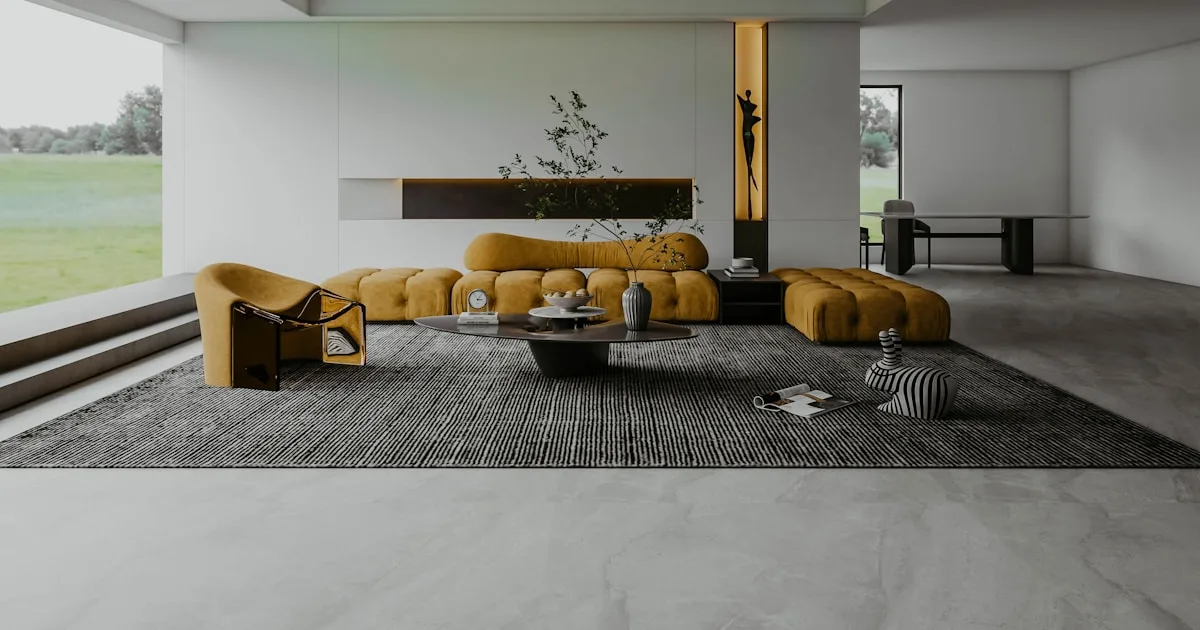
A concrete or lime-plastered feature wall sets the tone. Anchor the space with a substantial sofa in dark linen or leather, paired with a massive coffee table in raw wood or concrete. Add wooden stools for flexible seating, a large-scale industrial bookshelf for display and storage, and warm lighting from multiple sources. Soften with a natural-fiber rug, linen throws, and one or two large plants. Keep accessories minimal but impactful - a single large ceramic vase, a sculptural object, a stack of art books.
Brutalist kitchen:
Concrete countertops and a concrete or stainless steel island are quintessentially brutalist. Dark, handleless cabinetry (or open steel shelving) in matte black or charcoal. Industrial pendant lighting over the island. Soften with a thick wooden chopping board, ceramic bowls, and a few woven baskets for produce storage. The brutalist kitchen is essentially a professional kitchen brought home - functional, honest, and beautiful in its utility.
Brutalist bedroom:
This room needs the most softening. A concrete or dark-plastered accent wall behind the bed creates the brutalist statement, but the bed itself should be generously dressed in warm linen bedding - layers of natural-toned sheets, a heavy wool blanket, and oversized pillows. A wooden bed frame or platform, bedside wooden stools, and warm lamp light create the warmth needed for rest. The contrast between the hard architectural wall and the soft, inviting bed is quintessentially brutalist - tension and comfort coexisting.
Brutalist bathroom:
This is where brutalism feels most natural. A concrete vanity with a stone vessel sink, large-format concrete or stone wall tiles, matte black fixtures, and a frameless glass shower enclosure. Add warmth with a thick wooden bath mat, a wooden stool for towels, and warm lighting. The bathroom's inherent material palette - water, stone, and ceramic - naturally aligns with brutalist principles.
Brutalist entryway:
Make a statement from the moment of entry. A raw concrete or plastered wall, a bold steel coat rack, a substantial wooden bench or console, and a single sculptural object - perhaps a large ceramic vase or a woven basket for keys and small items. Overhead, an industrial pendant light sets the tone for the rest of the home.
Brutalist interior design offers something increasingly rare - spaces of genuine power, honesty, and emotional weight. In a world of homogenized, Instagram-perfect interiors, brutalism dares to be unpolished, uncompromising, and unapologetically raw.
The key to livable brutalism is balance. Let the hard, structural materials make their bold statement, then soften them with warm wood, natural textiles, handcrafted objects, and abundant warm light. The tension between hard and soft, industrial and handcrafted, geometric and organic is where brutalist interiors find their magic.
Explore our Raw Aesthetic collection for furniture and decor that shares brutalism's commitment to material truth. Pair with hand-turned wooden stools and artisan accessories to create brutalist spaces that are as warm as they are powerful.
Frequently Asked Questions
Enjoyed this guide?
Share it with someone who'd find it useful