In a world of mass-produced furniture and algorithm-driven design trends, creating a truly unique interior has become both more difficult and more rewarding. Unique interiors don't happen by accident - they're the result of intentional choices, creative confidence, and a willingness to look beyond what's expected.
This guide is for anyone who feels uninspired by generic showroom spaces and wants something genuinely their own. We'll explore innovative interior design solutions, unconventional material combinations, and creative approaches that transform ordinary rooms into extraordinary environments. Whether you're drawn to bold experimentation or subtle originality, the principles here will help you create spaces that could only belong to you.
What Makes an Interior Truly Unique?
Uniqueness in interior design isn't about being strange or impractical. It's about authenticity - creating spaces that reflect a real person's life, values, and aesthetic sensibility rather than following a predetermined formula.
The most memorable unique interiors share several qualities:
A personal narrative. Every object has a reason for being there - it was collected on a journey, inherited from family, made by an artisan the owner knows, or chosen because it evokes a specific feeling. These connections create layers of meaning that make a space feel lived-in and genuine rather than staged.
Unexpected juxtapositions. Unique interiors often combine elements that "shouldn't" work together - a rough-hewn timber table paired with delicate porcelain, raw, industrial textures alongside soft linen cushions, or mid-century modern furniture in a centuries-old building. These contrasts create visual tension and interest that perfectly matched, catalog-style rooms cannot achieve.
Material authenticity. Rather than choosing materials that imitate something else (laminate pretending to be wood, plastic imitating stone), unique interiors celebrate genuine materials - real wood with its grain and imperfections, actual hand-woven rattan, authentic ceramic with the maker's fingerprints visible. Authentic materials age beautifully, developing patina and character over time.
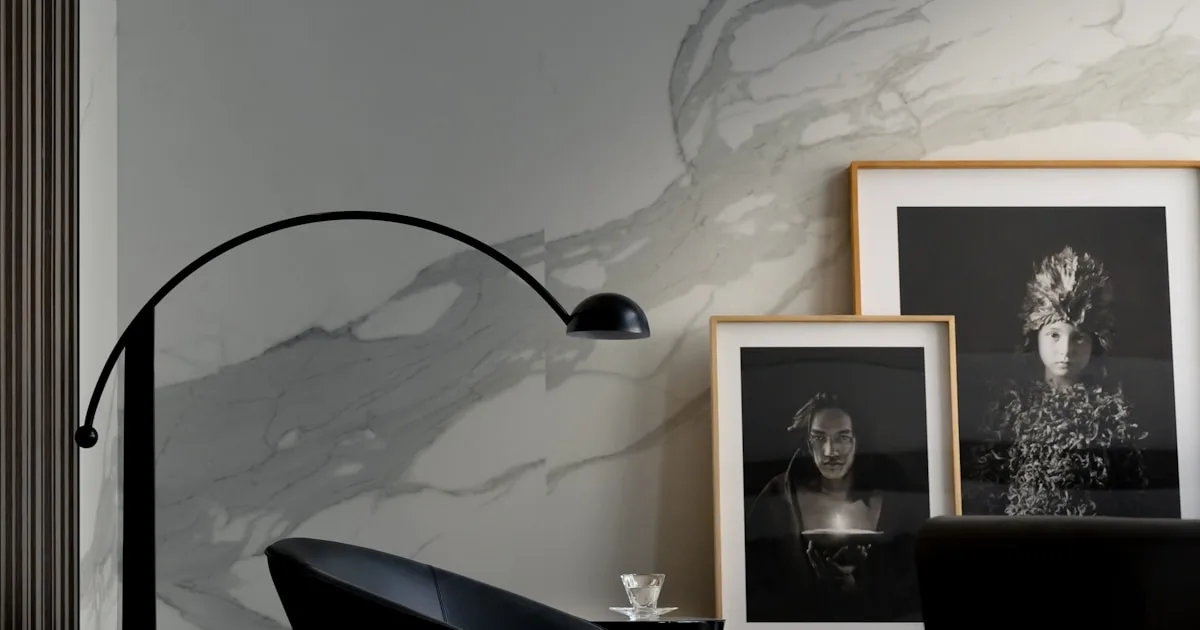
Confident editing. Uniqueness also comes from what you leave out. The courage to have an empty wall when every design blog says to hang gallery art. The restraint to let a single extraordinary piece - a handcrafted chair, an unusual lamp - command a space without competition. Unique interiors have a point of view, and that requires saying no to things that dilute it.
Innovative Material Choices That Transform Spaces
Material selection is perhaps the most powerful lever for creating innovative interiors. While conventional design relies on predictable combinations, unique spaces often emerge from surprising material choices and unexpected applications.
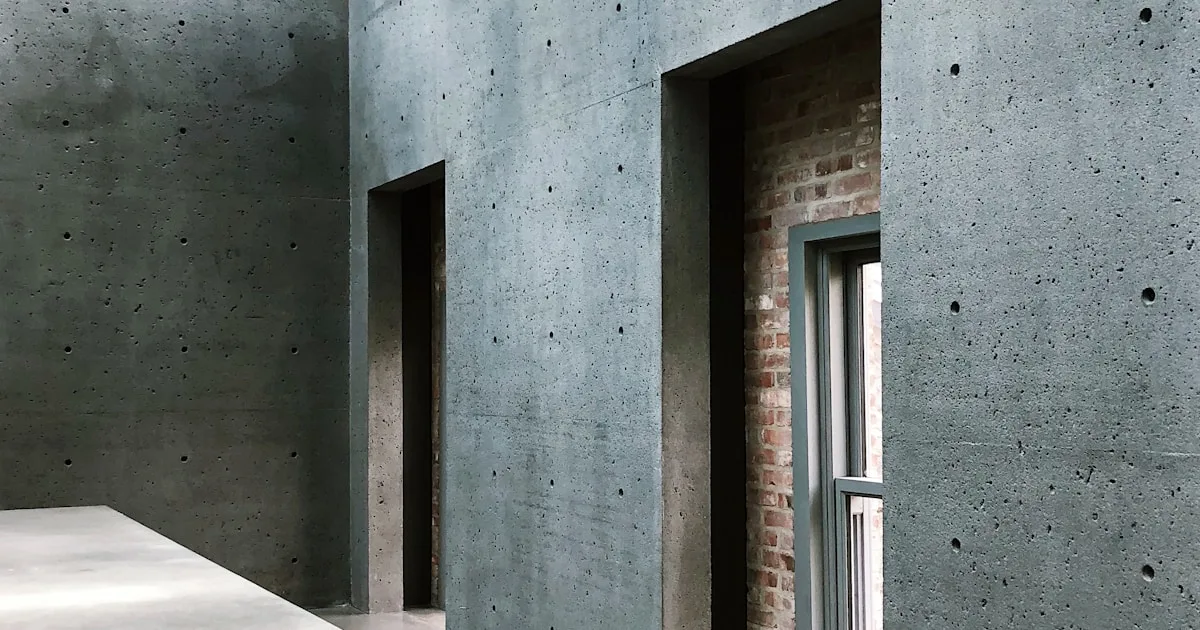
Raw and unfinished materials. There's a growing movement toward celebrating materials in their natural or minimally processed state. Unfired clay walls, raw concrete surfaces, unfinished timber with visible tool marks, and exposed brick create spaces with genuine textural depth. These raw surfaces tell a story about how things are made - a narrative that polished, perfected surfaces cannot offer.
Natural fibers in unexpected roles. Rattan, jute, seagrass, and hemp are traditionally associated with casual or bohemian spaces, but when used intentionally in sophisticated settings, they create striking contrasts. A sculptural rattan chair in a clean, contemporary living room becomes a focal point precisely because of the unexpected pairing. Woven natural fiber wall panels, ceiling treatments, or room dividers add organic texture to any style.
Mixed-era and mixed-origin materials. Combining materials from different periods and places creates visual richness. A modern steel frame supporting reclaimed timber shelving. Hand-thrown ceramic vessels from a local potter displayed alongside sleek contemporary furniture. These combinations feel curated rather than coordinated - each piece valued for its individual character.
Handmade versus machine-made. The contrast between precision-manufactured elements and handcrafted pieces creates one of the most interesting material dialogues in contemporary design. A perfectly calibrated LED light fixture beside a hand-thrown ceramic vase highlights the beauty of both - the engineered perfection and the human imperfection complement each other.
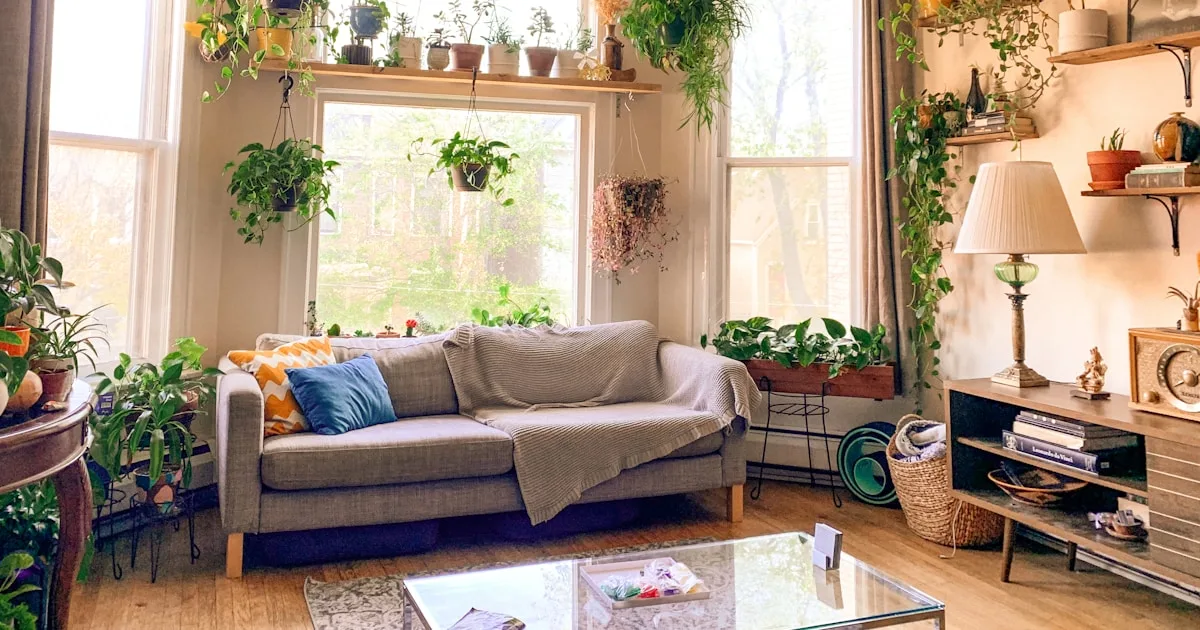
Living materials. Moss walls, indoor climbing plants trained on architectural supports, living herb walls in kitchens, and large-format terrariums introduce biological material that literally changes over time. Spaces with living elements feel dynamic and connected to nature in ways that static materials cannot replicate.
Breaking Layout Conventions: Innovative Spatial Solutions
Convention tells us that sofas face the television, dining tables go in dining rooms, and bedrooms contain beds. Innovative interior design solutions often start by questioning these assumptions.
Rethink room functions. Who decided that every home needs a formal dining room? If you rarely host sit-down dinners, that space might serve you better as a library, studio, or generous entry lounge. Conversely, if cooking is your passion, perhaps the kitchen deserves to be the largest, most beautiful room in the house rather than a utilitarian space hidden from guests.
Create zones, not rooms. Open-plan living doesn't have to mean one undifferentiated space. Use furniture placement, rugs, lighting changes, and subtle level differences to create distinct zones within an open area. A pair of wooden stools at a counter creates a casual breakfast zone. A reading chair with a dedicated lamp carves out a personal retreat within a larger room. These zones provide the benefits of open space while maintaining functional clarity.
Embrace asymmetry. Symmetrical room layouts are safe and easy, but asymmetry creates movement and visual interest. Place the sofa off-center. Use different chairs on either side of a table. Hang a pendant lamp to one side rather than perfectly centered. Asymmetrical arrangements feel natural and dynamic - like spaces that evolved organically rather than being arranged by formula.
Vertical thinking. Most interior design happens at eye level and below. Innovative interiors use the full volume of a room - hanging plants at different heights, artwork placed unexpectedly high or low, shelving that reaches the ceiling, or lighting suspended at varying levels. This three-dimensional thinking makes spaces feel richer and more immersive.
Furniture in unconventional positions. A desk facing the window instead of the room. A sofa floating in the center of a room with its back creating a room divider. A rattan daybed in the living room instead of a conventional sofa. These decisions challenge expectations and create spaces that feel genuinely personal.
Bold Color & Pattern: Adding Visual Personality
Color is the most accessible tool for creating unique interiors. While the dominant trend toward neutrals produces calm, photogenic spaces, it also produces interchangeable ones. Thoughtful use of color - whether bold or subtle - is one of the fastest ways to make a space unmistakably yours.
The power of a single bold choice. You don't need color everywhere to create impact. A single saturated wall in deep terracotta, forest green, or midnight blue transforms a neutral room dramatically. One deeply colored piece of furniture - a mustard velvet chair, a cobalt ceramic table lamp - creates a focal point that energizes the entire space. Pair these bold moments with neutral surroundings for maximum impact.
Color through materials, not just paint. Some of the most interesting color in interiors comes from the natural tones of authentic materials rather than applied color. The warm amber of natural rattan, the rich brown of oiled walnut, the slate gray of raw stone, the creamy white of natural linen - these material colors create sophisticated palettes that feel inherent rather than imposed.
Pattern mixing. Combining patterns is an art that, when done well, creates spaces with extraordinary visual energy. The key is varying the scale of patterns - pair a large-scale geometric with a small-scale organic print, or a bold stripe with a delicate floral. Maintain a consistent color family across patterns to prevent visual chaos. Start with two patterns and add a third only if the first two feel balanced.
Monochromatic depth. Going deeply into a single color family is another form of creative color use. A room explored entirely in shades of blue - from pale sky on the ceiling to deep navy in the furniture to cerulean in the accessories - creates a immersive, gallery-like experience that's far more interesting than a standard multi-color scheme.
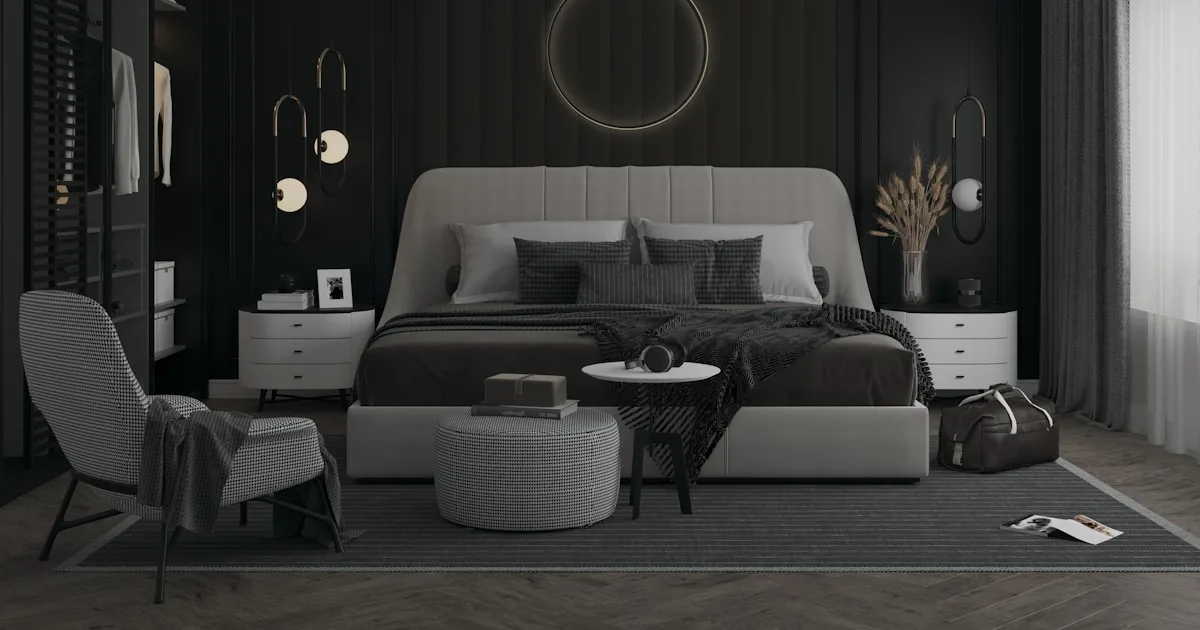
Dark and moody spaces. Dark walls, dark ceilings, and dark furniture create dramatically intimate environments. Contrary to common fear, dark colors don't necessarily make rooms feel smaller - they make boundaries dissolve, creating a cocooning effect that's luxurious and distinctive. Pair dark walls with warm metallics, natural wood, and textural accessories to prevent heaviness.
The Handcrafted Advantage: Why Artisan Pieces Create Unique Spaces
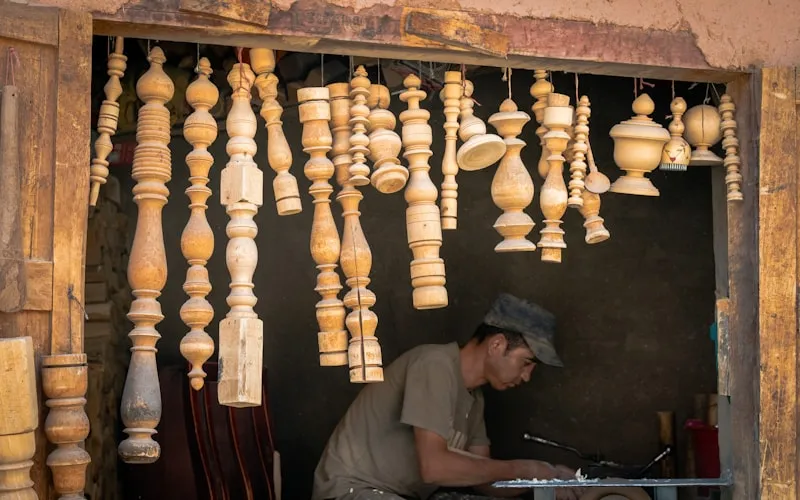
In an era of mass production, handcrafted objects have become the most reliable way to ensure your interior is genuinely unique. A factory-produced item exists in thousands of identical copies. A handmade piece exists as one, carrying the specific decisions and gestures of its maker.
Imperfection as beauty. Handcrafted pieces carry subtle variations - a slightly uneven glaze on a ceramic vase, visible joinery in a wooden stool, irregular weave patterns in a rattan chair. These imperfections aren't flaws; they're evidence of human involvement. They connect you to the maker and to the material in ways that machine-perfected objects cannot. This is the essence of wabi-sabi and is central to creating innovative interiors with soul.
Material stories. Artisan makers often work with materials that have their own histories and characters. A wooden stool carved from a single piece of timber carries the tree's growth patterns. Rattan furniture woven by skilled craftspeople reflects generations of technique. A hand-thrown ceramic vase records the potter's movement. These material stories add narrative depth to your interior that no manufactured product can match.
Conversation starters. Unique, handcrafted pieces naturally become conversation points. Guests notice and ask about them. They have provenance - where they were made, who made them, what material they're crafted from. This social dimension adds richness to your living environment that goes far beyond aesthetics.
Building a collection over time. The most compelling unique interiors aren't created in a single shopping trip. They develop over years as meaningful pieces are discovered, commissioned, or inherited. A handwoven basket found at a market. A lamp chosen after months of searching for exactly the right form. A textile collected during travel. This accumulation of intentional choices creates layers that no instant room makeover can replicate.
Supporting craft traditions. Choosing handcrafted pieces also supports living craft traditions and the communities that maintain them. When you furnish your home with artisan-made objects, you're participating in an economic and cultural ecosystem that values skill, sustainability, and human connection - values that naturally create unique, meaningful spaces.
Creative Lighting: Innovative Solutions That Change Everything
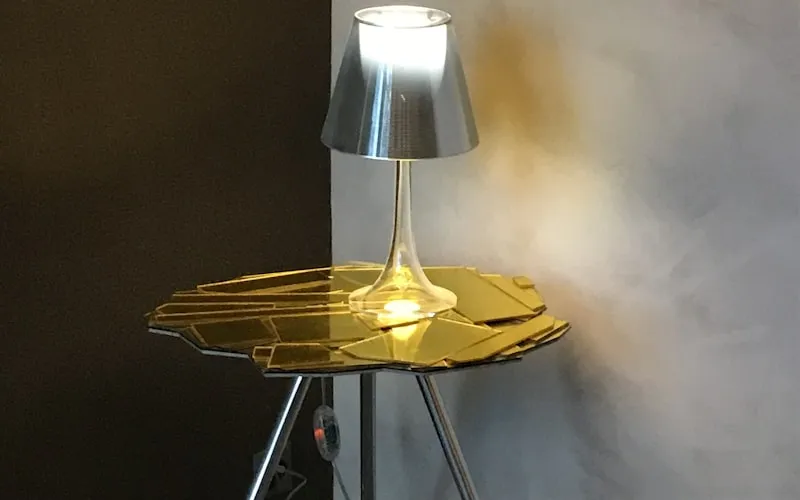
Lighting is perhaps the most underestimated element in creating unique interiors. Most homes default to a single central ceiling fixture per room - and this is exactly why most homes feel generic. Innovative lighting design transforms how a space feels, functions, and is perceived.
Layer your lighting. Professional designers work with four lighting layers: ambient (general illumination), task (focused light for specific activities), accent (highlighting features or objects), and decorative (the fixtures themselves as visual elements). Each layer serves a different purpose, and the combination creates depth and atmosphere that a single overhead light cannot.
Statement fixtures as art. A handcrafted pendant lamp can define a room's character more powerfully than any piece of furniture. Choose lighting fixtures that you'd display as sculpture even if they didn't illuminate. Artisan-made fixtures in natural materials - woven fibers, hand-formed metal, carved wood - add the same handcrafted character we value in furniture and accessories.
Low-level lighting. Moving light sources below eye level creates dramatically different atmospheres. Floor lamps, low table lamps, uplights behind furniture, and candles at table height produce warm, enveloping illumination that overhead lighting cannot achieve. In the evening, turning off ceiling lights and relying on low-level sources transforms a functional daytime room into an intimate evening retreat.
Light as a material. Innovative interiors sometimes treat light itself as a design material. A shaft of sunlight falling across a textured wall becomes a feature. A carefully positioned spotlight that creates a dramatic shadow from a sculptural ceramic vase. Backlit shelving that turns ordinary objects into silhouettes. These intentional light-and-shadow compositions create visual experiences that change throughout the day.
Dimming everything. The ability to control light intensity is one of the simplest yet most impactful interior design solutions. Install dimmers on every light source you can. The same room at full brightness for morning energy, half-brightness for afternoon reading, and quarter-brightness for evening relaxation feels like three different spaces - each uniquely atmospheric.
The Eclectic Mix: How to Combine Styles Without Chaos
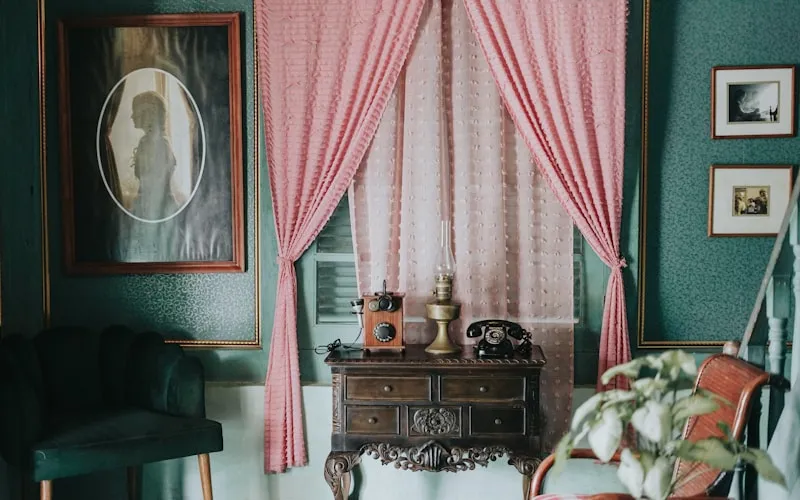
Eclectic interiors - those that mix styles, periods, and origins - are inherently unique. But there's a fine line between a thoughtfully curated eclectic space and a chaotic jumble. Here's how to mix with confidence.
Find your common thread. Every successful eclectic interior has an underlying consistency, even if it's not immediately obvious. It might be a consistent color temperature (all warm tones), a shared material sensibility (natural materials across all styles), a consistent sense of quality, or a unifying mood (everything feels relaxed, or everything feels dramatic). Identify your thread before you start mixing.
Anchor with larger pieces, experiment with smaller ones. Keep your biggest investments - sofa, dining table, bed - in a style you're confident about. Use smaller, more affordable pieces - accent chairs, side tables, decorative accessories - for bolder experimentation. If an experiment doesn't work, replacing a small object is low-stakes; replacing a sofa is not.
Mix eras, not just styles. Combining pieces from different decades creates natural eclecticism. A 1960s desk with a contemporary task chair. A Victorian mirror above a minimalist console. Handcrafted pieces with timeless, era-defying character work beautifully as bridges between different period pieces - their organic quality complements both antique and modern forms.
Use repetition to create coherence. If you're mixing many different elements, repeat at least two things throughout the space. It might be a color that appears in different forms - the same warm wood tone in three different pieces of furniture, or a consistent brass accent across varied lighting fixtures. Repetition creates rhythm within the variety.
Trust the 80/20 rule. Make 80% of your decisions relatively cohesive - consistent colors, compatible materials, harmonious proportions. Use the remaining 20% for bold departures that add surprise and personality. A single wildly unexpected piece in an otherwise coherent room often reads as confident and intentional. Five unexpected pieces in the same room reads as indecisive.
Give each piece space. Eclectic interiors need breathing room. When every object is competing for attention, nothing stands out. Give your most unique pieces enough space to be appreciated individually - a striking artisan lamp deserves a clear sightline, not to be crowded against other attention-seeking objects.
Creating unique interiors is ultimately an act of self-expression. It requires the confidence to make choices that feel right to you rather than safe by consensus, and the patience to build a space that evolves over time rather than arriving fully formed from a furniture showroom.
The most powerful interior design solutions aren't complicated - they're intentional. Choose materials that are authentic. Select objects that have a story. Arrange spaces that reflect how you actually live. Edit with courage. And never be afraid to combine elements that conventional wisdom says don't belong together.
Begin building your unique interior with pieces that carry genuine character. Explore our Raw Aesthetic collection for bold textural statements, our handcrafted rattan furniture for organic beauty, and our artisan accessories for the finishing touches that make a space unmistakably yours.
Frequently Asked Questions
Enjoyed this guide?
Share it with someone who'd find it useful