A pooja room is far more than a decorative space - it is the spiritual heart of a home, a place where daily rituals connect us to something greater than ourselves. Whether you call it a pooja room, prayer room, meditation corner, or sacred space, the design of this area profoundly affects the quality of your spiritual practice.
The latest pooja room designs reflect a beautiful evolution: they honor the timeless traditions of prayer and meditation while embracing modern materials, lighting techniques, and spatial design. Today's pooja rooms can be integrated into apartments as small as 500 square feet or given their own dedicated wing in a larger home, and both can be equally moving and functional.
In this guide, we explore the principles, materials, and design strategies behind the most inspiring pooja room interiors - spaces that invite stillness, reflection, and a deep sense of peace. Whether you're designing a traditional mandir or a contemporary meditation room, these ideas will help you create a space that nourishes your spiritual life.
Core Principles of Pooja Room Design
Before choosing materials, colors, or furniture, it's important to understand the foundational principles that guide sacred space design. These principles transcend any particular aesthetic style and apply whether your pooja room is traditional or contemporary.
Separation from daily life. A pooja room should feel distinct from the rest of the home - a threshold you cross from the mundane into the sacred. This doesn't require a dedicated room; even a well-defined corner with clear visual boundaries can create this sense of crossing over. The key is that the space feels set apart, special, and intentional.
Cleanliness and order. Sacred spaces demand simplicity. Clutter disrupts focus and contradicts the spiritual purpose of the room. Every object should serve a ritual or contemplative function. This principle aligns beautifully with minimalist design approaches, where negative space is valued as much as the objects within it.
Natural elements. Across virtually every spiritual tradition, natural materials - wood, stone, water, earth, fire (through oil lamps and candles) - are central to sacred practice. A pooja room designed with natural materials feels inherently more spiritual than one built from synthetic alternatives. Handcrafted items carry additional significance, as the maker's devotion and attention are embedded in the object itself.
Directional orientation. In Vastu Shastra, the northeast direction is considered most auspicious for a pooja room, as it is associated with divine energy and the rising sun. East-facing is the next best option. While not everyone follows Vastu principles, there's practical wisdom here: northeast and east-facing rooms receive gentle morning light, which creates a naturally peaceful atmosphere for morning prayers.
Sensory engagement. The best sacred spaces engage multiple senses - the sight of a beautiful mandir, the scent of incense or flowers, the sound of a bell or mantra, the warmth of a flame, the texture of natural wood or stone under your hands. Design your pooja room to be a multi-sensory experience, not just a visual one.
Latest Mandir & Pooja Unit Designs
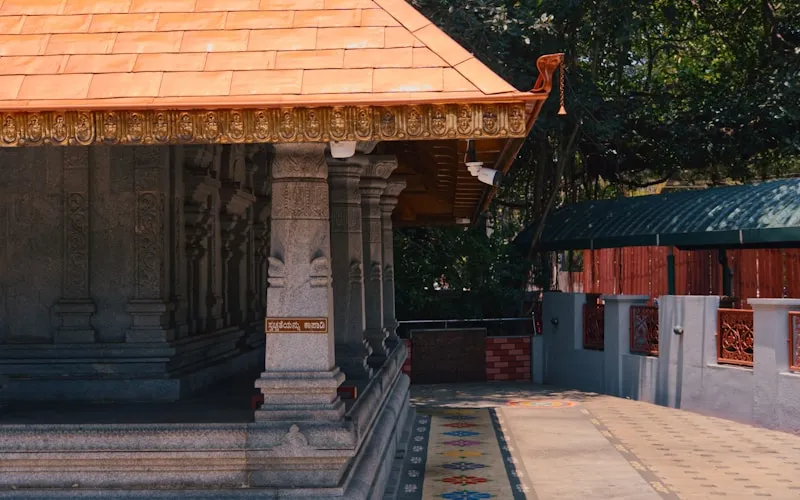
The mandir - the central shrine or altar - is the focal point of every pooja room. The latest designs range from ornately carved traditional mandirs to sleek, contemporary units that integrate seamlessly into modern interiors.
Wall-mounted mandirs are among the most popular latest pooja room designs, especially for apartments and compact homes. These units mount directly to the wall, freeing up floor space while creating a dedicated altar at the perfect height for seated or standing prayer. Modern wall-mounted mandirs often feature clean lines, backlit panels, and integrated storage for prayer items.
Full-room mandirs occupy an entire wall or alcove and create an immersive prayer environment. These larger installations allow for more elaborate design - multiple tiers for deities, integrated lighting, storage cabinets for prayer books and ritual items, and even built-in seating. If you have the space, a full-room mandir transforms your pooja room from a corner into a true sanctuary.
Freestanding mandirs offer flexibility - they can be moved, repositioned, or taken with you when you relocate. Choose handcrafted wooden mandirs that showcase natural grain and artisan joinery. The imperfections inherent in handmade work add spiritual character that factory-produced units lack. A hand-carved wooden mandir on a sturdy wooden stand or stool creates a beautiful, portable sacred center.
Contemporary minimal mandirs strip the form down to its essence - a simple shelf or niche with clean lines, natural wood, and intentional lighting. These designs suit modern interiors where an ornate traditional mandir might feel stylistically incongruous. The simplicity of the form puts the focus squarely on the spiritual objects and practice, not the furniture.
Material trends in modern mandirs: Solid wood (sheesham, teak, mango wood) remains the most beloved material. White marble and Corian are gaining popularity for contemporary designs. Brass and copper accents add traditional warmth. CNC-cut jali (lattice) panels in wood or acrylic create beautiful light patterns. The most enduring choice, however, remains natural wood - it ages gracefully, carries warmth, and connects to the earth in a way that synthetic materials cannot.
Materials & Color Palettes for Sacred Spaces
The materials and colors you choose for a pooja room should create an atmosphere of calm, reverence, and warmth. Here's how to build a material palette that supports spiritual practice.
Wood is the foundational material for pooja room design. Its warmth, natural grain, and connection to the living world make it inherently suitable for sacred spaces. Use wood for the mandir itself, for shelving, for flooring (if possible), and for seating stools used during prayer. Different woods carry different energies: teak is durable and dignified; sheesham (rosewood) has rich, dark tones perfect for traditional mandirs; mango wood offers a lighter, contemporary feel.
Stone and marble convey permanence and purity. A marble floor or countertop in the pooja room feels different from the same material in a kitchen - here, it carries associations with temple architecture and sacred geometry. Natural stone tiles or slabs in white, cream, or soft gray create a serene foundation.
Brass and copper have been associated with spiritual practice for millennia. Brass bells, copper water vessels, brass lamp holders, and decorative metalwork add traditional richness and warm, golden tones. These metals also develop a beautiful patina over time - a quality shared with the wabi-sabi philosophy of embracing age and imperfection.
Color psychology for pooja rooms:
- White and cream: Purity, peace, and clarity. The most versatile base for any pooja room.
- Warm wood tones: Grounding, warmth, and connection to nature. Natural wood finishes are preferred over painted surfaces.
- Saffron and gold: Auspiciousness, divinity, and energy. Use as accents through metalwork, textiles, and decorative elements.
- Soft yellow: Joy, positivity, and spiritual illumination. A beautiful wall color that works in both traditional and modern designs.
- Deep red or maroon: Strength, devotion, and tradition. Use as accents - too much can feel heavy.
- Earth tones: Brown, terracotta, and sand create a grounded, natural atmosphere that supports contemplative practice.
Avoid overly bright or stimulating colors (electric blue, neon green, bright orange) that disrupt the calm, focused atmosphere essential to prayer and meditation.
Lighting Your Pooja Room: Creating the Right Atmosphere
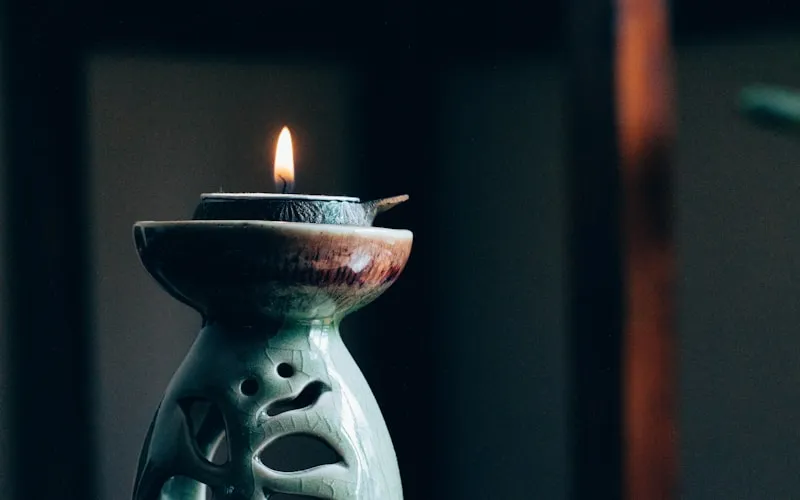
Lighting is perhaps the most transformative element in pooja room design. The right lighting can turn a simple corner into a luminous sanctuary that elevates your daily practice.
Warm ambient light is essential. The base lighting for a pooja room should be warm (2700K-3000K color temperature) and diffused - never harsh or clinical. Recessed downlights, cove lighting hidden behind architectural details, or wall-wash fixtures that bathe the walls in soft light create the right atmosphere. Avoid bright, direct overhead lighting that creates stark shadows and an institutional feel.
Backlit mandirs create drama. One of the most popular latest pooja room designs features LED backlighting behind the mandir unit. This creates a halo of warm light around the shrine, drawing the eye and creating a sense of divine luminosity. Backlit jali (lattice) panels cast beautiful shadow patterns on surrounding walls, adding another layer of visual richness.
Accent lighting for focal points. Use small spotlights or picture lights to illuminate specific deities, sacred images, or important ritual objects. This focused lighting creates visual hierarchy - guiding the eye to the most important elements and creating a sense of the sacred within the sacred.
The role of natural flame. No amount of electric lighting can fully replace the spiritual significance of a natural flame. Oil lamps (diyas), candles, and ghee lamps are central to pooja practice. Design your space to accommodate them safely - with heat-resistant surfaces beneath and adequate ventilation above. The flickering, warm light of a natural flame is meditative in itself.
Dimming capability is important. Different practices call for different light levels - bright and energizing for morning aarti, soft and contemplative for evening meditation. Install dimmers on all electric lighting to give yourself complete control over the atmosphere.
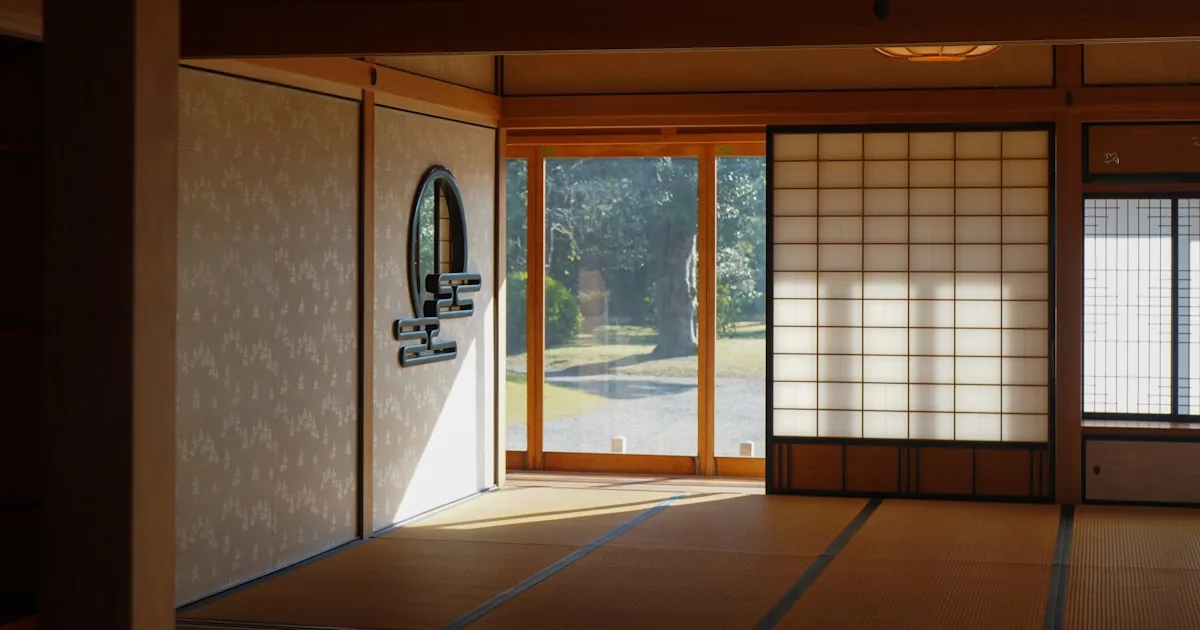
Natural light considerations. If possible, orient your pooja room to receive soft morning light. East-facing windows allow the rising sun to illuminate your morning prayers - a deeply symbolic and practically beautiful design choice. Use translucent curtains or frosted glass to filter the light and prevent harsh direct sun on the mandir.
Pooja Room Ideas for Small Homes & Apartments
Living in a compact apartment doesn't mean compromising on your spiritual space. Some of the most serene pooja rooms we've seen occupy just a few square feet - proof that sacred space is about intention, not size.
The dedicated niche. If your home has an alcove, unused closet, or recessed wall section, it can become a perfect pooja niche. Remove the doors, add a shelf at the right height, install warm lighting, and you have a built-in shrine that feels intentional and permanent without consuming any floor space.
The wall-mounted altar. A simple wooden shelf - beautifully crafted, solidly mounted - can serve as the foundation of a meaningful pooja space. Mount it at a comfortable height for your practice (slightly above eye level when seated for meditation, or at standing height for aarti). Add a small mandir unit, a diya, and your essential prayer items. The wall behind becomes your backdrop - consider a single spiritual image, a sacred symbol, or a simple wash of warm color.
The cabinet pooja room. A dedicated cabinet with doors that open to reveal the mandir and close to conceal it is a practical and elegant solution for multi-purpose rooms. When open, it's a complete prayer space. When closed, it integrates seamlessly with the room's decor. This approach works especially well in bedrooms, living rooms, and studies.
The meditation corner. Not every spiritual space needs a mandir. A simple corner with a comfortable cushion or low wooden stool for seated meditation, a small table with a candle or incense holder, and perhaps a calming image or natural object can be a deeply effective space for contemplative practice. Our tea ceremony collection includes objects that bring the same meditative intentionality to the ritual of making tea - a practice that complements any meditation space.
Vertical thinking. In small spaces, go vertical. A tall, narrow mandir that uses wall height rather than floor space. Floating shelves stacked above the main altar for additional sacred items. A wall-mounted bell above the shrine. Use the vertical dimension to create a complete spiritual environment within a minimal footprint.
Keep it simple. In small pooja rooms, simplicity isn't a compromise - it's an advantage. A few carefully chosen, meaningful objects in a clean, well-lit space can be more spiritually powerful than an elaborate setup that feels crowded and overwhelming. Let each object have room to breathe.
Essential Accessories & Ritual Objects
The accessories in a pooja room serve both functional and spiritual purposes. Choose each one with care - these are the objects you'll touch, see, and use every day in your practice.
Diya and lamp holders. The oil lamp is central to Hindu worship and meditation practice across many traditions. Choose holders in brass, copper, or ceramic that are both beautiful and practical. Multiple diyas arranged on a dedicated tray create a stunning, luminous display during aarti.
Incense holders and dhoop stands. Fragrance is a powerful trigger for spiritual focus. A well-designed incense holder should catch ash cleanly and allow smoke to rise gracefully. Brass, stone, and ceramic holders are traditional and durable choices.
Bells. The sound of a brass bell clears the space and signals the beginning of prayer. Wall-mounted bells save surface space, or choose a handheld bell in polished brass that develops character with use.
Offering plates and bowls. Small plates for prasad (offerings), bowls for flowers and kumkum, and trays for organizing ritual items should be beautiful and functional. Brass, silver, and handmade ceramic are traditional materials. Wooden trays and bowls add natural warmth and are perfect for holding flowers.
Flower arrangements. Fresh flowers are integral to pooja practice. Design your space with a dedicated area for flower offerings - a small vase, a shallow bowl, or a garland hook. Choose containers in natural materials that complement the mandir.
Sacred textiles. A prayer mat, a cloth for the mandir surface, or a simple runner beneath the shrine adds warmth and defines the sacred area. Choose natural fabrics - cotton, silk, or linen - in colors that complement your overall design. These textiles should be kept clean and can be changed seasonally or for special occasions.
Storage solutions. Prayer books, extra wicks, matchboxes, camphor, kumkum, and other supplies need organized storage. Built-in drawers in the mandir, small woven baskets, or a dedicated cabinet keep everything accessible but orderly. Clutter in a pooja room is both practically inconvenient and spiritually counterproductive.
Meditation Room Design: Beyond Traditional Pooja
While traditional pooja rooms center on a mandir and ritual objects, many modern homeowners are creating dedicated meditation spaces that blend elements from multiple contemplative traditions. These rooms prioritize stillness, comfort, and sensory calm above specific religious practice.
The empty center. A meditation room's most important feature may be its emptiness. Unlike a pooja room, which is organized around a mandir focal point, a meditation room benefits from open, uncluttered space that allows the mind to settle. A single cushion or low seat in the center of a cleared area, surrounded by nothing but clean walls and soft light, can be profoundly effective.
Grounding through natural materials. Wood flooring, stone accents, and natural textile rugs connect the meditator to the earth. A meditation stool or cushion placed on a woven mat creates a comfortable, grounded seat. The tactile quality of natural materials - the grain of wood, the texture of woven fiber - becomes an anchor for present-moment awareness.
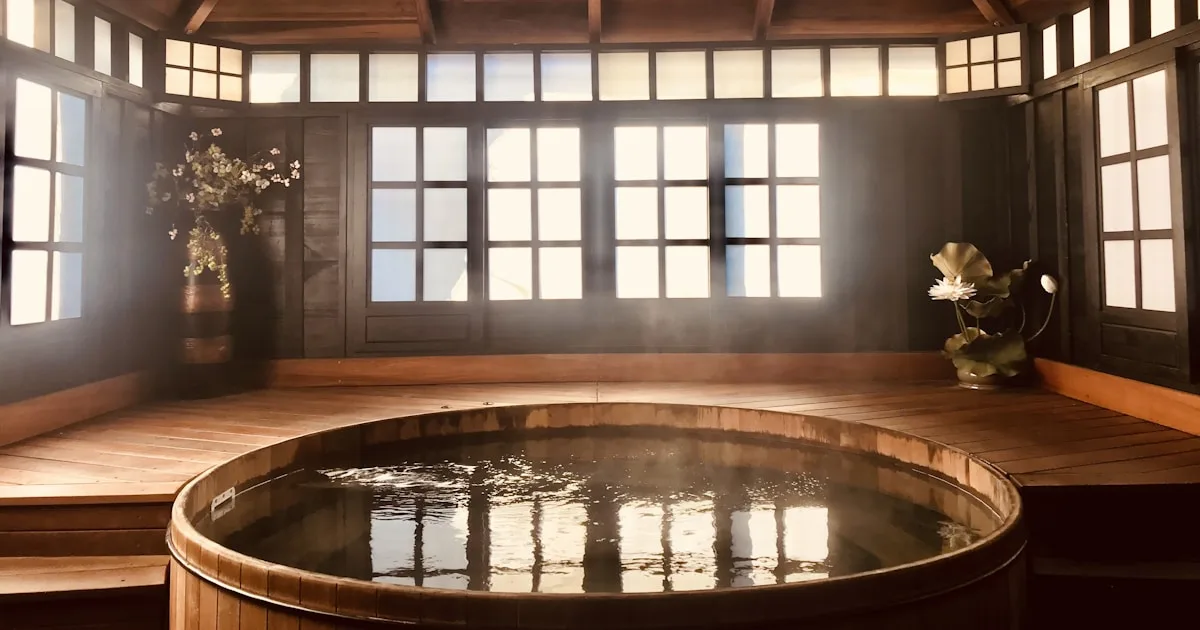
Sound design. A meditation room should be the quietest space in your home. If possible, locate it away from street noise and busy household areas. Add acoustic treatments - thick rugs, upholstered panels, heavy curtains - to dampen sound. If complete silence isn't achievable, a small water feature (a tabletop fountain or a simple bowl with water) creates gentle, masking white noise that supports focus.
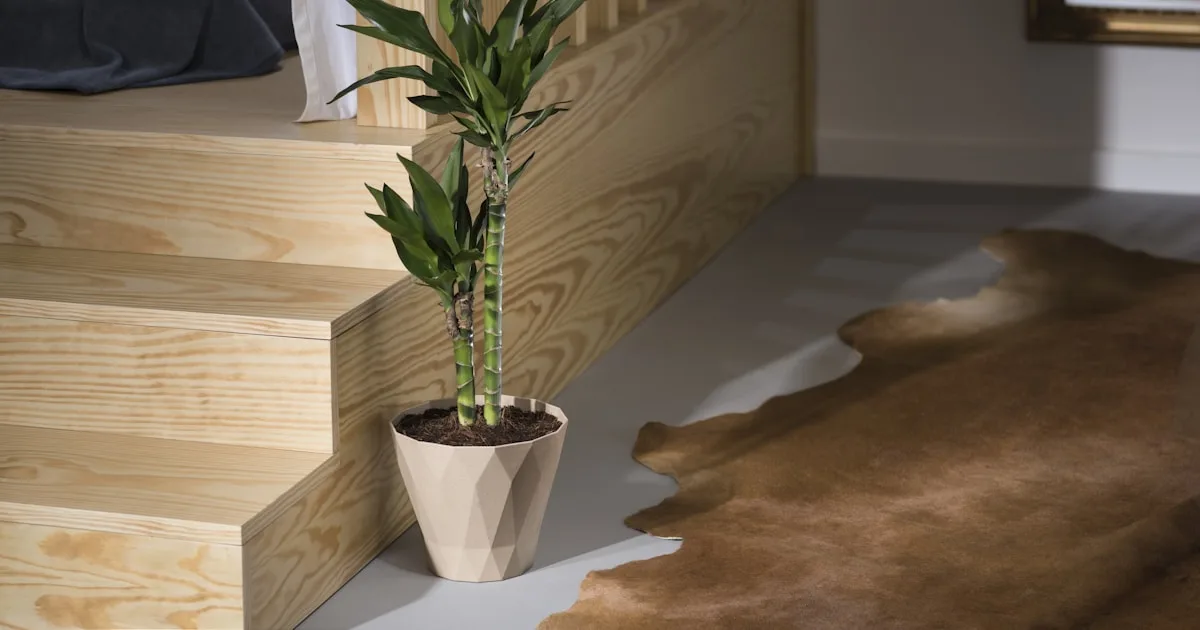
Air quality and ventilation. Fresh, clean air supports deep breathing practice. Ensure good ventilation, use natural air-purifying plants, and avoid synthetic materials that off-gas chemicals. A window that opens to fresh air (even partially) is a genuine asset in a meditation room.
The tea ritual as meditation. In Zen tradition, the preparation and drinking of tea is itself a meditation practice. A small tea corner within your meditation room - with a low table, a simple tea set from our tea lovers collection, and the intentional, mindful process of brewing - creates a beautiful bridge between active meditation and daily life. The warmth of the cup, the aroma of the tea, and the focused attention of preparation are all meditative acts.
Minimal decor with maximum meaning. If you include any decorative elements, choose fewer pieces with deep personal significance rather than many decorative objects. A single image that inspires you, a stone from a meaningful place, a family heirloom - one genuinely meaningful object is worth more in a meditation space than a dozen purely decorative ones.
Designing a pooja room or meditation space is one of the most meaningful interior design projects you can undertake. Unlike a living room or kitchen, where aesthetics and function drive decisions, a sacred space is designed for the soul. Every choice - from the wood of the mandir to the light that bathes it - should support your spiritual practice and deepen your daily connection to the sacred.
The latest pooja room designs show that tradition and modernity can coexist beautifully. A clean, contemporary mandir can hold the same spiritual power as an ornately carved traditional shrine. A simple meditation corner in a small apartment can be as transformative as a dedicated prayer room in a large home. What matters is intention - the care and meaning you invest in creating the space.
Start with the principles: separation from daily life, cleanliness and order, natural materials, appropriate lighting, and sensory engagement. Then let your personal spiritual tradition and aesthetic preferences guide the details. The result will be a space that doesn't just look beautiful - it feels sacred.
Explore our tea ceremony collection, handcrafted wooden stools, and artisan accessories for pieces that bring natural beauty and meditative intentionality to your sacred space.
Frequently Asked Questions
Enjoyed this guide?
Share it with someone who'd find it useful