Luxury interior design is one of the most misunderstood concepts in the design world. Many people equate luxury with expense - marble everything, gold fixtures, and designer logos on every surface. But the most genuinely luxurious spaces in the world are often defined not by how much was spent, but by how thoughtfully everything was chosen.
True luxury interior design is about quality over quantity, craftsmanship over mass production, and timelessness over trend-chasing. It's the feeling you get when you walk into a room where every material has depth, every piece of furniture has presence, and every detail has been considered. It's the difference between a room that impresses on Instagram and a room that moves you when you stand in it.
This guide breaks down what luxury really means in interior design - the principles, materials, techniques, and decisions that elevate a space from ordinary to extraordinary. Whether you're designing a villa or a studio apartment, these principles apply at every scale and every budget. Because luxury, at its core, is about intention.
What Actually Defines Luxury Interior Design?
Before diving into specifics, it's worth understanding what separates genuine luxury from surface-level opulence. The world's best interior designers agree: luxury is not a price point. It's a quality of experience.
The five pillars of luxury interior design:
- Material integrity - every surface, from flooring to furniture to accessories, is made from genuine, quality materials. Natural stone, solid wood, real leather, hand-loomed textiles. Nothing pretends to be something it isn't
- Craftsmanship - luxury pieces show the hand of their maker. The joinery in a wooden table, the weave pattern in a rattan chair, the glaze on a ceramic vase. Mass production cannot replicate the character of handcrafted objects
- Proportion and space - luxury rooms breathe. Furniture isn't crammed together; there's generous negative space. Each piece has room to be appreciated. Proportions feel balanced and harmonious
- Sensory richness - a luxury space engages all senses. The texture of a linen throw against your skin, the warmth of natural wood under your hand, the soft glow of artisan lighting, the subtle scent of natural materials
- Timelessness - truly luxurious interiors don't follow trends. They are built on enduring principles of beauty, quality, and comfort that will look as relevant in twenty years as they do today
Notice that none of these pillars mention a price tag. A handcrafted wooden stool made by a skilled artisan from sustainable materials can be more luxurious than a mass-produced designer chair that costs ten times more. Luxury is about what something is, not what it costs.
Luxury Materials: What to Choose and Why It Matters
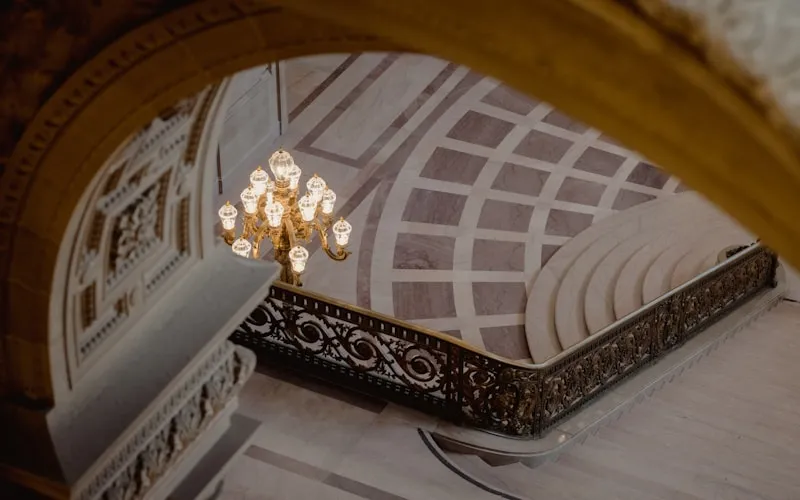
Material selection is where luxury interior design truly begins. In high-end spaces, materials aren't chosen just for appearance - they're chosen for how they feel, how they age, and the story they tell.
Natural stone
Marble, travertine, limestone, and granite are the foundation of luxury interiors. Each piece of natural stone is unique - its veining, color variation, and texture are unrepeatable. Use stone for countertops, flooring, fireplace surrounds, or even a single statement surface. The key is letting the stone speak for itself rather than covering it with competing patterns.
Solid hardwoods
Oak, walnut, teak, and olive wood bring warmth that no synthetic material can replicate. In luxury interiors, wood is used generously - wide-plank flooring, substantial dining tables, handcrafted stools, and statement shelving. The grain, knots, and natural imperfections of real wood add the character that defines luxury. Choose pieces where you can see and feel the woodworking craftsmanship.
Natural textiles
Silk, linen, cashmere, wool, and high-quality cotton are the luxury textile palette. Natural linen in particular has a raw elegance that synthetic fabrics cannot match - it drapes beautifully, softens with every wash, and has a subtle luster that catches light. In luxury bedrooms and living rooms, textile layering creates depth: a linen base, a wool throw, a silk or velvet accent cushion.
Handwoven materials
Rattan, wicker, and handwoven baskets bring artisanal warmth to luxury spaces. Far from being "casual," high-quality woven furniture and accessories add texture and craftsmanship that resonates with the luxury principles of handmade quality and natural materials. The world's most exclusive resorts and design hotels use rattan extensively - it signals refined, understated luxury.
Metals
Brushed brass, antique bronze, blackened steel, and matte gold add luminosity and contrast. In luxury interiors, metals appear in hardware, light fixtures, mirror frames, and furniture details. The key is restraint - a few well-placed metal accents create sophisticated punctuation. Avoid shiny, high-polish finishes that read as flashy rather than refined.
Luxury Color Palettes: Depth, Warmth, and Sophistication
Color in luxury interiors is nuanced and layered. The palette isn't just "neutral" - it's a carefully orchestrated range of tones that create warmth, depth, and visual calm.
The foundations of luxury color:
- Warm neutrals - creamy whites, warm taupes, soft beiges, and sandy tones form the base. These aren't the sterile whites of minimalist design; they're warm, enveloping tones that make a room feel embracing rather than clinical
- Rich accent colors - deep forest green, midnight navy, burgundy, terracotta, and chocolate brown add drama and depth. Use these on a single statement wall, in upholstery, or in art. One deeply saturated element against a warm neutral backdrop creates instant sophistication
- Natural tones - the colors of natural materials - honey wood, gray stone, charcoal iron, ivory bone - are inherently luxurious because they're complex and organic. No two pieces of walnut are the same shade; no two linen textiles drape identically. This natural variation is what makes luxury spaces feel alive
- Metallic accents - brushed gold, aged brass, and antique bronze add warmth and luminosity. These aren't "bling" - they're quiet, warm tones that catch light and add dimension
What to avoid: Avoid overly trendy colors that will date your space within a few years. Luxury is built on a palette that could have looked beautiful in 1920 and will still look beautiful in 2040. This means steering toward natural, earth-derived tones rather than fashion-forward pinks, purples, or artificially vivid hues.
The most luxurious rooms often use fewer colors but with more textural variation within each tone. A "beige" room might include fifteen different textures and materials in the same tonal family - from rough linen to polished travertine to matte plaster to smooth leather - creating richness through depth rather than contrast.
Choosing Luxury Furniture: Quality, Craftsmanship, and Presence
Luxury furniture is distinguished not by logos or brand names, but by how it's made, what it's made from, and how it makes you feel when you use it. Here's what to look for.
Signs of genuine quality:
- Solid construction - hardwood frames (not MDF or particle board), dowel or mortise-and-tenon joinery (not just screws and staples), eight-way hand-tied springs in upholstery
- Natural materials throughout - solid wood, genuine leather or high-quality natural fabrics, real stone or marble tops. Luxury furniture doesn't have a veneer of quality over a cheap core
- Visible craftsmanship - hand-stitched seams, hand-finished wood, hand-woven rattan, hand-applied finishes. The human touch is what separates luxury from premium mass-production
- Comfortable weight - quality furniture has substance. A solid wooden stool has a satisfying heft that tells you it's built from real material. Light, hollow-feeling furniture is a sign of cost-cutting
- Aging potential - the best luxury furniture looks better with time, not worse. Leather develops patina, wood deepens in color, linen softens, brass develops a warm oxidation. If a piece will look tired and worn in five years rather than characterful and beloved, it's not true luxury
Furniture arrangement in luxury spaces:
In luxury rooms, furniture is arranged for conversation and comfort, not to face a television. Seating groups are positioned to encourage interaction, with generous spacing between pieces. Each item has enough space around it to be appreciated as an individual object. This generous spacing - the "breathing room" - is one of the most recognizable markers of luxury design.
Don't overcrowd your rooms. Five exceptional pieces with space to breathe will always feel more luxurious than ten good pieces packed tightly together.
Lighting: The Secret Weapon of Luxury Interiors
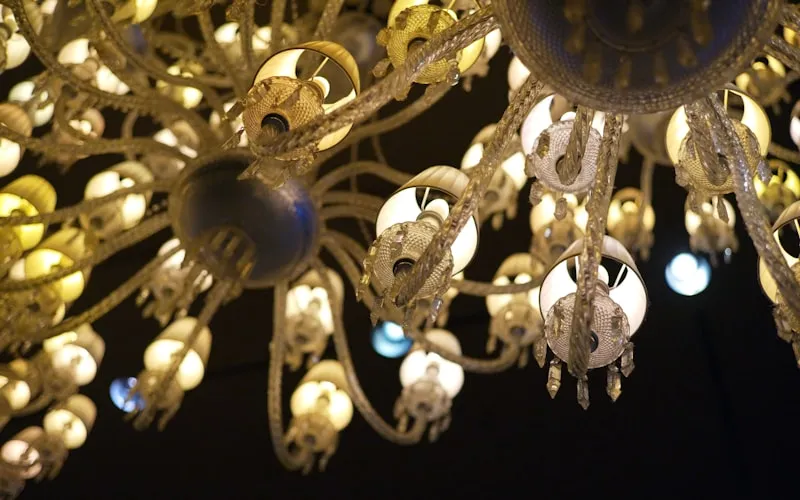
Lighting is arguably the single most important element in luxury interior design, yet it's the one most often overlooked. The same room can feel like a five-star hotel or a doctor's waiting room depending entirely on how it's lit.
The luxury lighting formula:
High-end interiors use layered lighting - multiple sources at different heights and intensities that create warmth, dimension, and atmosphere.
- Ambient lighting - the overall room illumination, ideally from warm-toned sources. Recessed lights on a dimmer, indirect LED cove lighting, or large pendant fixtures. Avoid harsh overhead fluorescents at all costs
- Task lighting - focused light where you need it. Reading lamps beside armchairs, under-cabinet lighting in kitchens, focused desk lamps in studies. Quality task lighting is both functional and sculptural
- Accent lighting - the magic layer. Picture lights illuminating artwork, uplights washing a textured wall, candles on a dining table. Accent lighting creates drama, highlights your best features, and adds the warmth that makes a room feel alive
- Decorative lighting - statement lamps and fixtures that serve as art objects in their own right. A handcrafted pendant, an artisan table lamp, or a sculptural floor lamp becomes a focal point even when switched off
The golden rules:
- Always install dimmers - the ability to adjust lighting intensity throughout the day is one of the simplest luxury upgrades you can make
- Use warm color temperatures (2700-3000K) - cool, bluish light feels institutional, not luxurious
- Light at multiple heights - floor level, table level, eye level, and above. This creates depth and prevents the flat, shadowless feeling of single-source lighting
- Invest in at least one statement lighting piece per room - a beautiful handcrafted lamp announces luxury the moment you enter a space
The Art of Texture Layering
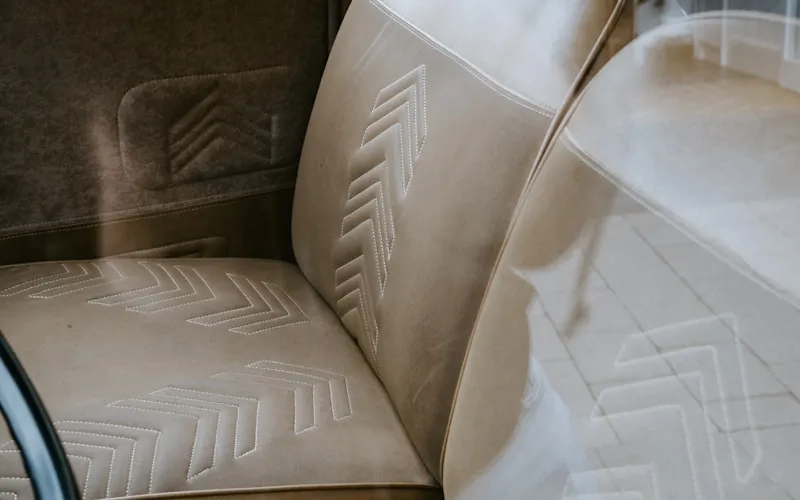
If color is the first dimension of a luxury interior and lighting is the second, texture is the third - and it might be the most important. Texture is what separates a room that looks good in photographs from one that feels extraordinary to inhabit.
How to build texture in a luxury room:
Start with hard textures as your foundation: the cool smoothness of natural stone, the grain of solid wood flooring, the pattern of handmade tile. These are your permanent architectural surfaces.
Add medium textures through furniture: the weave of a rattan armchair, the turned legs of a wooden stool, the leather of a sofa, the curves of a ceramic vase.
Finish with soft textures: linen throws, velvet cushions, wool rugs, silk curtains, cashmere blankets. These are the elements your hands and body contact most, and they're where luxury is most intimately felt.
The texture contrast principle:
The most luxurious rooms create tension between opposing textures: rough against smooth, matte against polished, heavy against light. A rough stone wall with a smooth silk curtain. A matte plaster ceiling above a polished marble floor. A chunky knit throw on a sleek leather sofa. These contrasts create visual and tactile richness that monochromatic texture schemes cannot achieve.
Handwoven baskets are an excellent tool for texture layering - their rough, organic weave contrasts beautifully with smoother surfaces, and they add a warmth and humanity that polished luxury pieces alone can lack. The most sophisticated luxury interiors always include something handmade, something with visible craft, to counterbalance the perfection.
Artisan Details: Where Luxury Lives
In luxury interior design, the difference between "expensive" and "luxurious" often comes down to details that you might not consciously notice but absolutely feel. These are the subtle elements that create a sense of care and quality throughout a space.
Details that elevate a room:
- Hardware - the handles on your cabinets, the pulls on your drawers, the hooks on your walls. Solid brass or bronze hardware with a satisfying weight and smooth action signals quality every time you touch it. It's a small investment with an outsized impact on how a room feels
- Trim and molding - crown molding, baseboard profiles, window casings, and ceiling details add architectural depth. Even simple, clean-lined molding adds a sense of completeness that flat, unfinished transitions lack
- Edge finishing - how a countertop edge is profiled, how a table leg meets the floor, how a shelf is mounted to the wall. In luxury spaces, these transitions are clean, intentional, and beautifully resolved
- Handmade objects - a hand-thrown ceramic bowl, a handcrafted vase, a hand-woven basket, a hand-finished accessory. These objects carry the energy and imperfection of human creation, which is the ultimate luxury in a mass-produced world
- Scent - luxury hotels invest heavily in signature scents for a reason. Natural candles, essential oil diffusers, fresh flowers, or dried herbs add an invisible but powerful dimension to your space
The curation principle:
Luxury interiors feel curated, not decorated. Every object appears to have been selected with intention - chosen for its beauty, its quality, or its meaning. A single extraordinary vase is more luxurious than a shelf full of generic decor. Three perfectly chosen books on a coffee table are more impactful than a dozen random ones. The art of luxury is knowing what to include and - equally important - what to leave out.
Luxury Design Room by Room
The Living Room:
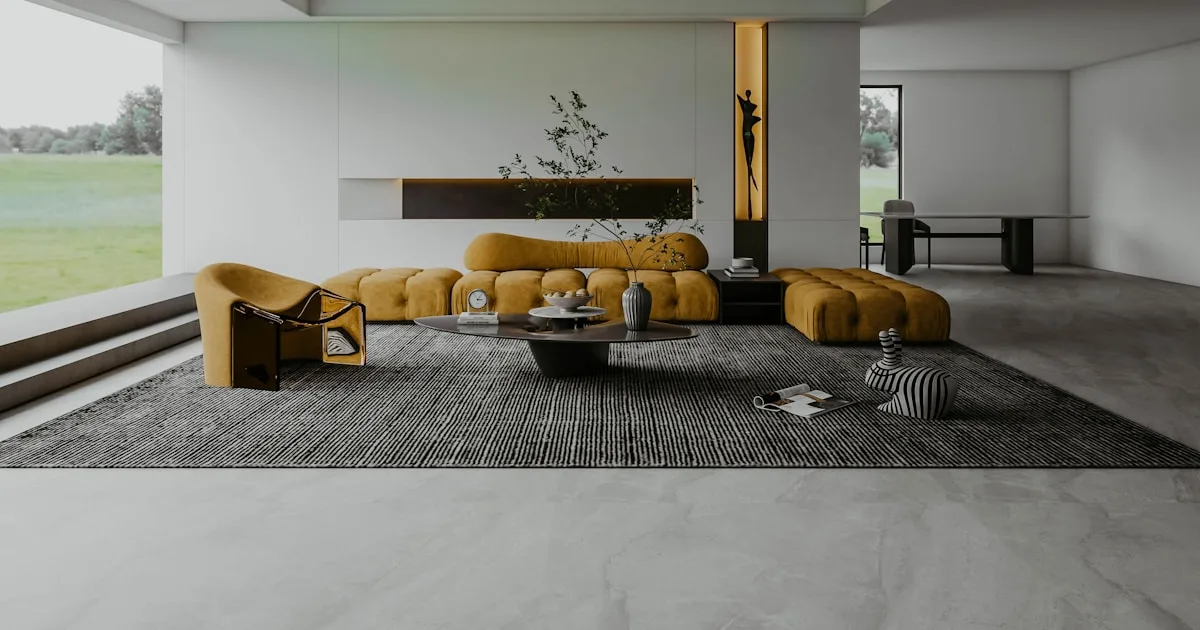
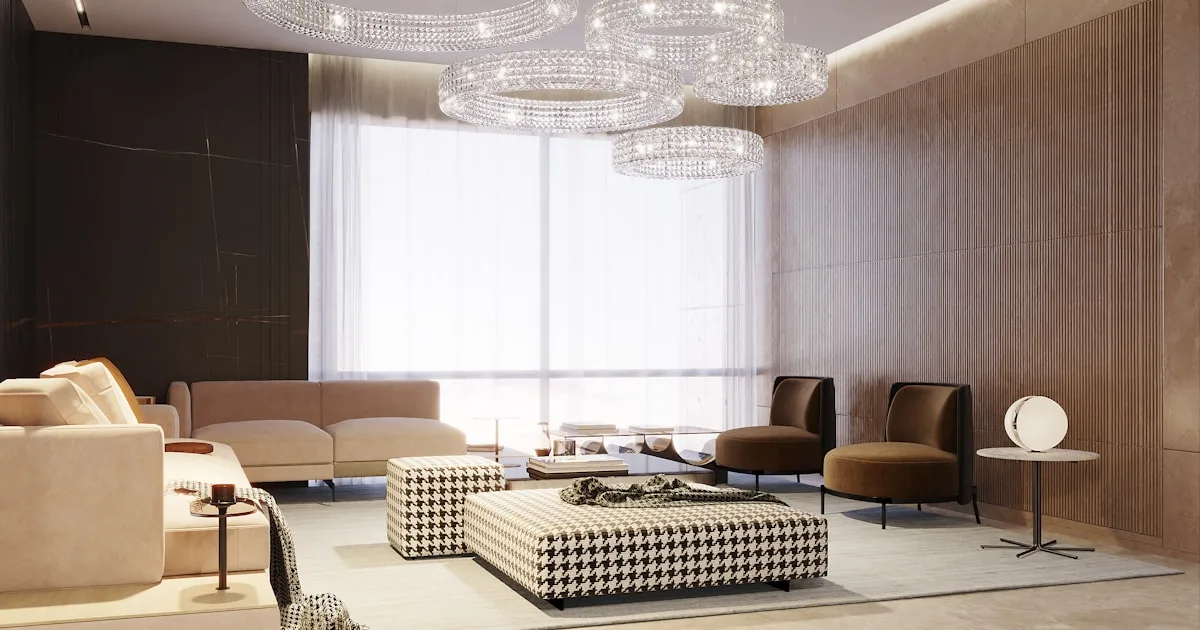
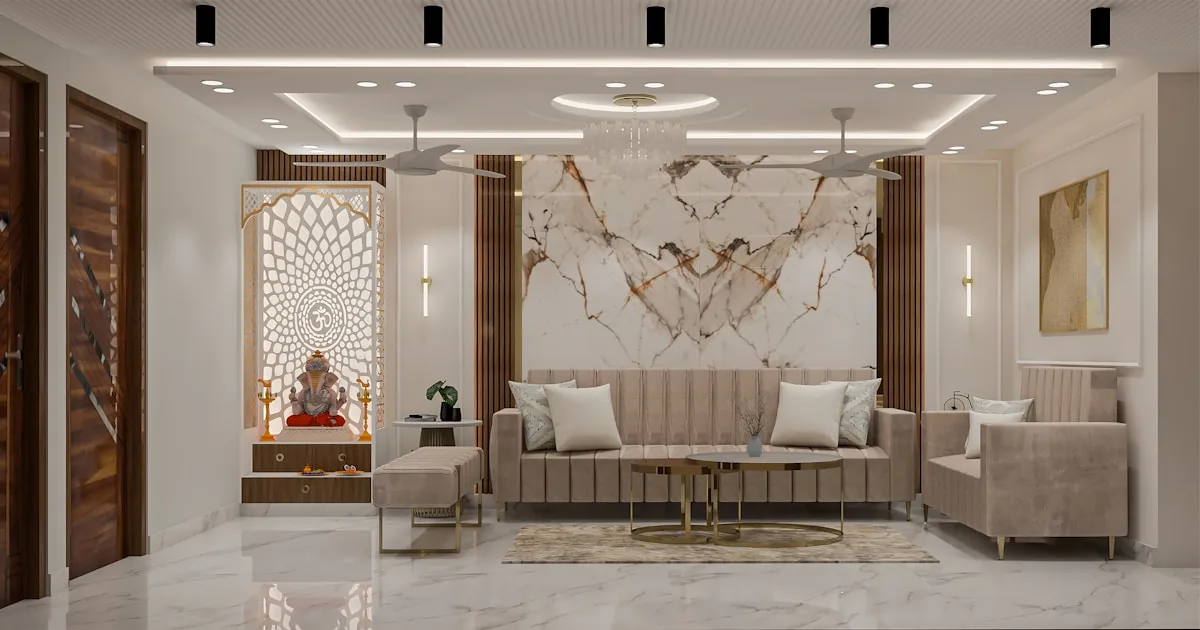
The luxury living room is built around a comfortable, high-quality seating group arranged for conversation. Invest in the best sofa you can afford - it should be deeply comfortable with impeccable upholstery. Add one or two accent chairs in a complementary material (leather and linen, or velvet and rattan). A substantial coffee table in natural stone or solid wood anchors the group. Layer lighting with a statement floor lamp, table lamps, and candles. Finish with a curated selection of objects - a ceramic vase, a stack of art books, a cashmere throw.
The Bedroom:
In luxury bedrooms, the bed is everything. Invest in the finest linen bedding - high-quality sheets and duvet covers that you touch every night make more difference to your daily experience of luxury than almost any other purchase. A substantial headboard (upholstered, carved wood, or rattan), bedside tables with presence, and beautiful bedside lamps complete the essentials. Keep the palette calm and the surfaces clear.
The Dining Room:
A solid wood or stone dining table is the investment piece here. Choose chairs that are both beautiful and comfortable - you want guests to linger for hours. Handcrafted wooden stools or benches along one side add an interesting, less formal element. A statement pendant light above the table and candles at the center create the atmosphere. Beautiful tableware - ceramic plates, linen napkins, handblown glasses - elevates every meal.
The Bathroom:
The luxury bathroom borrows from spa design: natural stone surfaces, warm lighting, generous towels in natural cotton or linen, beautiful accessories (soap dishes, trays, containers) in ceramic or stone rather than plastic. Add a wooden stool for towels, a plant for life, and excellent task lighting at the mirror. Keep products stored away - clear surfaces are essential to a spa-like feeling.
Sustainable Luxury: Why Quality Is the Greenest Choice
There's a powerful convergence happening between luxury and sustainability, and it's not a coincidence. The core principles of luxury interior design - buy less, buy better, choose natural materials, invest in craftsmanship, value timelessness over trends - are also the core principles of sustainable living.
Why luxury and sustainability align:
- Longevity - a handcrafted rattan chair or solid wooden stool lasts decades, potentially generations. A cheap mass-produced alternative might last three to five years before it breaks, warps, or simply looks tired. One luxury piece replaces five to ten disposable ones over a lifetime
- Natural materials - wood, stone, linen, cotton, wool, rattan, and ceramics are all biodegradable, renewable, and beautiful. The luxury material palette is inherently eco-friendly compared to the synthetic materials (polyester, melamine, MDF, plastic) that dominate budget furniture
- Artisan support - buying handcrafted pieces supports skilled artisans and traditional crafts. This is economic sustainability as well as environmental - keeping craft traditions alive ensures they're available for future generations
- Reduced consumption - luxury design encourages buying fewer, better things. A carefully curated room with ten perfect pieces generates far less waste than a constantly refreshed room of trend-driven, disposable decor
At Pitta.lv, this philosophy is at the heart of everything we offer. Our collections feature handcrafted pieces made from sustainable, natural materials by skilled artisans. Every woven basket, every ceramic vase, every piece of rattan furniture is made to be used, loved, and kept - not consumed and discarded. That's the truest form of luxury there is.
How to Achieve Luxury on Any Budget
You don't need a limitless budget to create a luxurious interior. You need a clear understanding of where your money makes the biggest difference and the discipline to invest in the right places while saving on others.
Where to invest (these are felt every day):
- Bedding - you spend eight hours a night in your sheets. Quality linen bedding is one of the highest-impact luxury upgrades at any budget
- Sofa or primary seating - this is the most-used piece of furniture in your home. Quality here means comfort and durability for years
- Lighting - one beautiful handcrafted lamp in each room transforms the atmosphere from ordinary to extraordinary. Lighting is the single most cost-effective way to make a room feel luxurious
- Hardware - replacing cheap handles with solid brass or bronze costs relatively little but upgrades every interaction with your cabinets and doors
Where to save smartly:
- Paint - a fresh coat of warm white or a rich accent color costs very little but completely transforms a room. It's the best value in interior design
- Styling objects - a single handcrafted vase, a beautiful woven basket, or a few carefully chosen accessories create a curated, luxurious feeling without major expense. Edit ruthlessly - three perfect objects outperform twenty mediocre ones
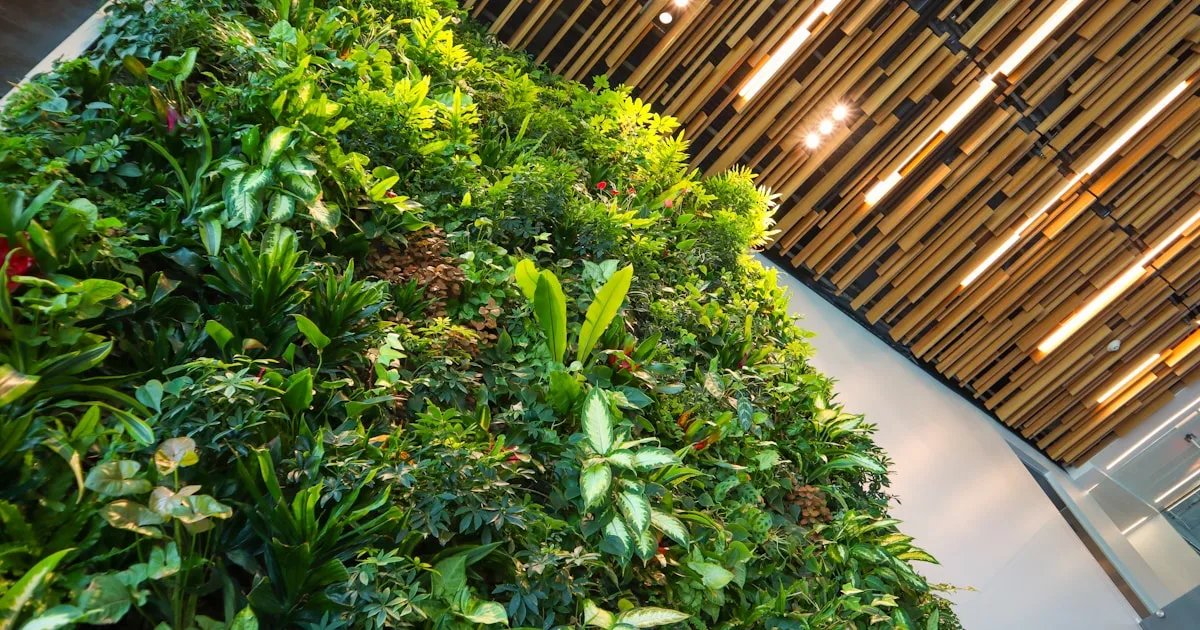
- Plants - living greenery brings life, color, and freshness to any space for minimal cost. A mature fiddle leaf fig or trailing pothos in a beautiful pot is an instant luxury upgrade
- Decluttering - free. Removing excess items, clearing surfaces, and creating visual breathing room is the most accessible luxury upgrade of all
The secret is concentration over distribution. Rather than spreading your budget thinly across many items, concentrate it on the few things that have the highest impact on your daily experience of your home. One room done beautifully is more luxurious than five rooms done cheaply.
Luxury interior design isn't about spending more - it's about choosing better. It's the quality of materials you touch every day, the craftsmanship visible in every piece, the lighting that transforms a room from flat to magical, and the restraint to include only what's beautiful, functional, or meaningful.
Start building your luxury interior with the pieces that make the biggest daily impact: quality textiles you feel against your skin, handcrafted lighting that sets the atmosphere, artisan furniture that develops character over years of use, and curated accessories that tell a story of taste and intention.
Then edit. Remove anything that doesn't earn its place. Let the remaining pieces breathe. The spaces between objects are as important as the objects themselves. That's the final lesson of luxury interior design: true elegance is knowing when you have enough.
Frequently Asked Questions
Enjoyed this guide?
Share it with someone who'd find it useful