There's a difference between a house and a home - and that difference is felt before it's understood. A house has rooms, furniture, and functional spaces. A home has atmosphere, personality, and a quality of grace that makes you exhale the moment you walk through the door. Transforming the former into the latter is one of interior design's most rewarding challenges.
This guide explores the art of creating elegant, refined interiors that feel genuinely lived-in - not museum-like or untouchable, but warm, graceful, and sophisticated. We draw inspiration from the "mais" philosophy (the idea that more beauty, more detail, more attention to craft creates richer environments) and the "grace interiors" sensibility (where every element contributes to an overall feeling of effortless refinement). The result is a home that doesn't just look beautiful - it feels beautiful to inhabit.
From House to Home: What Makes a Space Feel Like Yours
The transformation from house to home happens through accumulation of the right kind of details. It's not about spending more money - it's about making more intentional choices, adding more layers of personality, and investing more attention in the elements that create atmosphere.
The "house to home" transformation happens across several dimensions:
Sensory richness. A house appeals to the eye. A home appeals to all senses. The softness of a linen throw draped over a chair arm. The subtle scent of beeswax candles. The warmth of real wood underfoot. The way afternoon light filters through natural curtains. When you design for multiple senses, a space becomes immersive rather than merely visual.
Personal narrative. Every elegant home tells a story - not through a single dramatic gesture, but through the accumulation of meaningful objects: books that have actually been read, artwork chosen for personal resonance rather than decoration, ceramics collected over years rather than purchased in a single shopping trip, objects that carry memories of places visited and people loved. These narratives create the depth that separates a designed house from a true home.
Functional grace. In an elegant home, practical elements are elevated. The hook by the door isn't a plastic afterthought - it's a beautiful iron piece. The kitchen storage isn't hidden - it's displayed in handwoven baskets and ceramic jars. Even utilitarian objects contribute to the aesthetic. This commitment to beauty in the everyday, the small, and the functional is what the "mais" philosophy embodies - the belief that more beauty in more places creates a more beautiful life.
Comfortable sophistication. The most important quality of an elegant home is that it feels comfortable. Sophistication without comfort is pretension. The goal is spaces where you can curl up on the sofa with a book, host a dinner party that extends past midnight, or simply sit quietly with a cup of tea - and the environment enhances all of these experiences.
The Art of Layered Elegance: More Is More, Done Right
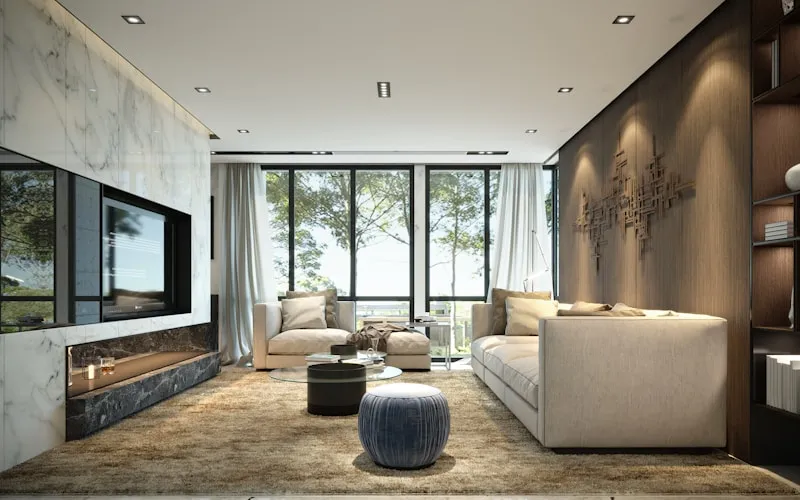
While minimalism celebrates reduction, elegant home transformation embraces addition - but with discipline. The "more is more" approach, when executed with taste and restraint, creates interiors of extraordinary richness and warmth. The key word is layering - building depth through successive additions that each enhance the whole.
Layer 1: The architectural base. Before any furnishing, consider your room's bones. Crown molding, picture rails, paneled doors, ceiling medallions, and quality baseboards give a room architectural weight that makes everything within it feel more elevated. You don't need elaborate ornamentation - even simple, well-proportioned moldings transform a flat, builder-grade room into one with character and grace.
Layer 2: Foundational furniture. Choose larger pieces - sofas, dining tables, beds, storage - that are well-proportioned, solidly built, and quietly refined. They don't need to be showy, but they need to be quality. A well-made sofa with graceful proportions, a solid wood dining table with a beautiful grain, and storage pieces with craftsmanship visible in their details form the foundation upon which everything else is layered.
Layer 3: Textiles and soft furnishings. This is where layering becomes most visible. Start with a quality rug that anchors the seating area. Add linen or cotton curtains that frame windows generously - they should puddle slightly on the floor for a sense of abundance. Layer cushions on sofas and chairs: start with larger, solid-colored ones and add smaller, textured or patterned ones in front. Drape a throw casually over an arm or back. Dress the dining table with a linen runner. Each textile adds warmth, color, and tactile interest.
Layer 4: Lighting at every level. Elegant homes never rely on a single light source. A chandelier or pendant provides ambient overhead light. Table lamps on surfaces create warm pools of mid-level illumination. Floor lamps provide reading light. Candles - real ones, in brass or ceramic holders - add the flickering warmth that no electric source can match. The ability to control each layer independently allows you to change the room's mood throughout the day.
Layer 5: Objects and accessories. This final layer is where personality shines. Books stacked on tables. Ceramic vases with seasonal branches or flowers. Framed photographs. A collection of small objects arranged on a tray. These personal touches, accumulated over time, transform a well-designed room into a genuinely personal space.
Grace in the Details: Refined Touches That Elevate Everything
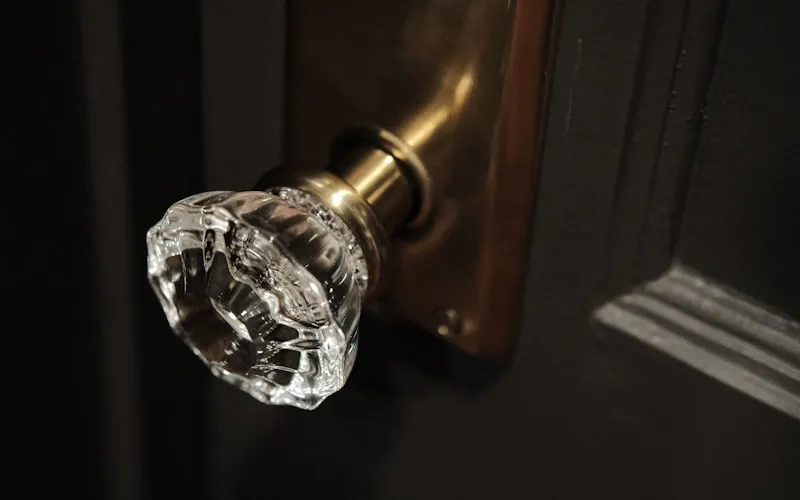
Elegant interiors are defined by their details. The overall impression of refinement comes not from any single dramatic gesture but from the cumulative effect of dozens of considered, graceful choices.
Hardware and fixtures. Drawer pulls, cabinet handles, door knobs, light switches, curtain rods, and towel rails are the jewelry of a home. Replacing builder-grade hardware with thoughtfully chosen alternatives is one of the highest-impact, lowest-cost transformations you can make. Choose a consistent finish - brushed brass, matte black, antique bronze - and apply it throughout the home for visual coherence. The weight and feel of quality hardware communicates refinement every time you open a door or drawer.
Generous window treatments. Nothing says "elegant" quite like properly proportioned curtains. Hang curtain rods as close to the ceiling as possible and extend them well beyond the window frame so curtains frame the window without blocking light. Choose fabric with weight and movement - natural linen drapes beautifully and filters light to a soft glow. Full-length curtains should just touch or slightly puddle on the floor. Skimpy, too-short curtains undermine elegance faster than almost any other element.
The art of arrangement. How objects are arranged matters as much as the objects themselves. Group items in odd numbers. Vary heights within a grouping - a tall vase beside a stack of books beside a small ceramic object creates a composition that draws the eye naturally. Leave breathing room between groupings so each vignette reads as intentional. On bookshelves, alternate vertical books with horizontal stacks, interspersing decorative objects and framed art to prevent monotony.
Fresh flowers and living plants. Nothing transforms a room's atmosphere as instantly as fresh flowers. A generous bouquet in the entry, a small posy on a bedside table, a single architectural branch in a tall vase - these living elements add color, fragrance, and a sense of occasion. If fresh flowers aren't practical daily, quality dried arrangements or well-maintained plants provide a similar sense of life and care.
Intentional scent. Elegant homes engage the sense of smell. Quality candles (unscented or subtly scented), fresh linen sprays on cushions and bedding, herbs from the kitchen, and the natural fragrance of beeswax polish on wood furniture create a layered olfactory experience. The scent should be so subtle that guests might not consciously notice it - they simply feel that the space is inviting.
Color Palettes for Elegant, Sophisticated Homes
Color choice profoundly impacts perceived elegance. The right palette elevates modest materials, while the wrong one can undermine even the finest furnishings. Here's how to use color for sophisticated effect.
The power of warm neutrals. Elegant interiors typically build on a warm neutral foundation - not the stark white of minimalism, but the richer spectrum of cream, warm gray, taupe, mushroom, and camel. These tones are forgiving (they hide minor imperfections), versatile (they work with almost any accent color), and inherently sophisticated. Layer multiple warm neutrals together for depth: a taupe wall, a cream sofa, mushroom-toned curtains, and a camel throw create a monochromatic richness that feels luxurious without being dramatic.
Strategic color moments. Against a neutral foundation, carefully placed color creates maximum impact. A collection of cobalt ceramic vases on a cream mantelpiece. A single armchair in deep emerald velvet. Cushions in muted terracotta against a gray sofa. These color moments draw the eye and create visual anchors within the neutral landscape. The restraint - color in specific places, not everywhere - is what makes each moment feel special.
Dark, moody sophistication. Don't overlook the power of dark colors for creating dramatic elegance. A dining room in deep charcoal, a library in midnight blue, or a bedroom in forest green creates an intimate, jewel-box quality that's both dramatic and enveloping. Dark walls make furniture, artwork, and metallic accessories pop against the background, creating a gallery-like effect. Balance dark walls with plenty of warm lighting and lighter textiles to prevent heaviness.
The role of metallics. Gold, brass, copper, and silver add luminosity that elevates any color scheme. Metallic accents in light fixtures, frame finishes, hardware, and small decorative objects catch light and create sparkle. In elegant interiors, warm metallics (brass, gold, copper) tend to create a more inviting feeling, while cooler metallics (silver, chrome) read as more contemporary. Mixing metals is perfectly acceptable when done with intention - brass lamps with silver-framed mirrors, for instance - though consistency within each visible grouping helps maintain visual order.
Natural material tones as color. Remember that materials have their own color vocabulary. The honey tone of natural rattan, the warm brown of walnut wood, the varied cream of natural linen, and the earth tones of handmade ceramics contribute color while maintaining the organic, grounded quality that prevents elegance from feeling cold or artificial.
Transforming Key Rooms: Practical Elegance Room by Room
The entry: first impressions of grace. Your entry sets expectations for the entire home. Even a small entry can feel elegant with a quality mirror (generously sized), a console table with a lamp and a vase of fresh flowers, a beautiful rug, and proper lighting. Keep the entry uncluttered but not empty - it should feel welcoming and curated, hinting at the beauty within. A handwoven basket provides stylish storage for everyday items that would otherwise create visual disorder.
The living room: comfortable grandeur. This room demands the most layering. Start with seating arranged for conversation, not television viewing. Add a generously sized coffee table or pair of nested tables. Ensure every seat has access to a table surface (for a drink, a book) and a light source. Layer rugs over hard flooring. Fill bookshelves with a mix of books, art, and objects. Display personal collections. Use matching table lamps to create symmetry on either side of the sofa. The living room should feel abundant but ordered - every element contributing to an overall sense of warmth and richness.
The dining room: designed for gathering. The dining room is where elegance meets hospitality. A solid table surrounded by comfortable chairs (consider upholstered seats for longer dinners), a statement light fixture centered above, and a sideboard or console for serving. Set the table even when you're not entertaining - a linen runner, a centerpiece, and candlesticks suggest that gathering is always welcome. Display your most beautiful serving pieces rather than hiding them in cabinets.
The bedroom: private luxury. The bedroom is where elegance becomes personal. Invest in the best bedding you can afford - the feel of quality linen sheets and a well-made duvet transforms your nightly experience. Layer the bed generously: sheets, blanket, duvet, decorative cushions, and a folded throw at the foot. Matching bedside lamps create order. A comfortable chair in the corner with good light turns the bedroom into a reading retreat. Keep surfaces relatively clear - bedroom elegance is calm rather than visually busy.
The bathroom: daily ritual elevated. Transform utilitarian bathrooms with quality textiles (thick, white towels), beautiful soap dispensers (not plastic bottles), a mirror with a proper frame, and at least one decorative element - a small plant, a ceramic vase, or a scented candle. These additions take minutes to implement but immediately shift the bathroom from functional to spa-like.
The Collector's Approach: Building Elegance Over Time
The most elegant homes aren't created in a weekend shopping spree - they evolve over years as thoughtful additions accumulate into a richly personal environment. Adopting a collector's mindset is the most authentic path to a home that feels graceful and genuine.
Buy one exceptional piece rather than three mediocre ones. This is the fundamental principle. A single handcrafted pendant lamp that you truly love will bring more elegance to your dining room than three forgettable fixtures distributed across the house. Quality objects earn attention - they become focal points, conversation starters, and anchors that elevate everything around them.
Develop relationships with makers. When you know who made your ceramic vases, where your wooden stools were carved, or how your linen textiles were woven, each piece carries a story. These stories add invisible value - they make objects meaningful rather than merely decorative. Over time, your home becomes a curated collection of stories rather than a showroom of products.
Allow spaces to evolve. Don't feel pressured to complete a room all at once. Live with what you have, understand what's missing, and add pieces when you find the right ones. An elegant room with an intentionally empty corner (waiting for the right chair) feels more considered than a fully furnished room where everything was purchased in the same transaction. The patience to wait for the right piece is itself a form of refinement.
Mix new and inherited. The most compelling interiors combine new purchases with inherited or vintage pieces. A grandmother's side table beside a contemporary sofa. A vintage mirror above a new console. New handcrafted furniture alongside inherited artwork. These time-spanning combinations create the depth that all-new or all-vintage interiors lack.
Edit periodically. Part of the collector's approach is periodic reassessment. As new pieces arrive and your taste evolves, some objects will no longer contribute to the whole. Remove them with gratitude - pass them on to someone who'll appreciate them. An elegant home breathes; it accommodates new discoveries while releasing what no longer serves. This ongoing curation is what keeps a layered interior feeling considered rather than accumulated.
Why Sustainable Choices Create More Elegant Homes
There's a natural alignment between elegance and sustainability that's worth understanding. The choices that create the most refined interiors - quality materials, handcrafted objects, timeless design, and pieces built to last - are also inherently more sustainable than their mass-produced alternatives.
Quality outlasts trends. A well-made rattan chair remains beautiful for decades. A fast-furniture equivalent might last two years before falling apart or falling out of fashion. The elegant choice - investing in quality - is simultaneously the sustainable choice. Every piece that lasts twenty years instead of two represents a significant reduction in waste, manufacturing energy, and resource consumption.
Natural materials age with grace. Synthetic materials degrade unattractively - they crack, peel, discolor, and lose their shape. Natural materials - wood, linen, ceramic, rattan, stone - develop patina. They become more beautiful with age, not less. A linen slipcover that softens over years of washing, a wooden table that deepens in color, a ceramic glaze that develops a fine crackle - these are the marks of a life well lived, and they're exclusive to natural, sustainably sourced materials.
Handcrafted pieces carry human value. When you choose a hand-thrown ceramic vase over a factory-produced one, you're supporting a craftsperson, preserving a skill tradition, and acquiring an object with genuine character. The environmental footprint of artisan production is typically a fraction of industrial manufacturing. And the piece you receive is genuinely unique - no two are identical, which contributes directly to your home's individuality.
The buy-less-but-better philosophy. Elegant home transformation is fundamentally about curation, not consumption. A room with ten carefully chosen objects feels more refined than one with fifty impulse purchases. This curatorial approach - fewer possessions of higher quality, each one chosen with care - naturally reduces consumption while creating more beautiful results. It's one of the rare cases where doing better for the environment produces directly better aesthetic outcomes.
The most elegantly transformed homes we've seen share this quality: they're filled with pieces their owners chose deliberately, often from artisan makers and sustainable sources, and they're maintained with care because the owners value what they own. This relationship between person and possessions - respectful, intentional, and enduring - is elegance in its deepest sense.
Transforming a house into an elegant home is not a renovation project with a completion date - it's an ongoing practice of attention, curation, and care. Each thoughtful addition, each moment of editing, each quality piece chosen over a convenient compromise brings your home closer to a space that truly reflects your sense of grace and sophistication.
The most elegant homes feel effortless, but that effortlessness is the product of many intentional decisions. Choose materials that feel as good as they look. Layer textures and objects to create richness. Invest in lighting that transforms atmosphere. Collect pieces that carry stories. And always prioritize comfort alongside beauty - because true elegance is a home that's as wonderful to live in as it is to look at.
Begin your transformation with pieces that make an immediate difference. Explore our handcrafted lighting for atmosphere, our artisan ceramics for beauty, our natural textiles for warmth, and our curated accessories for the graceful finishing touches that turn a house into a home.
Frequently Asked Questions
Enjoyed this guide?
Share it with someone who'd find it useful