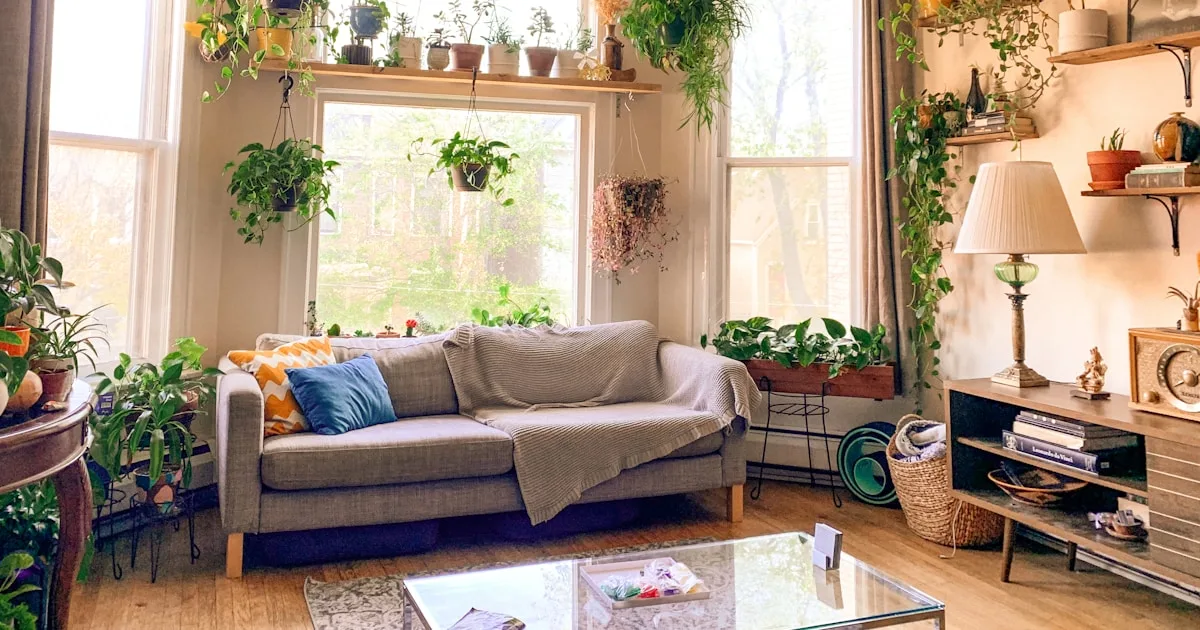
For years, the design world told us to declutter, pare down, and embrace "less is more." Maximalism says: why? Why hide the art you love behind a single statement piece? Why limit yourself to a neutral palette when color makes you happy? Why choose one pattern when three together create something richer than any of them alone?
Maximalism home decor is the joyful rejection of minimalist constraint - but it's not the rejection of design itself. The best maximalist interiors are as carefully considered as any minimalist space; they simply apply that care to abundance rather than absence. Every pattern is chosen to complement its neighbors. Every object is displayed because it's loved, not just because it fills space. The result is a home that tells your story with volume and confidence.
This guide explores how to create maximalist interiors that feel curated rather than chaotic, bold rather than busy, and genuinely personal rather than decoratively overwhelming.
What Is Maximalism in Interior Design?
Maximalism is a design philosophy that embraces abundance, pattern mixing, bold color, and the visible expression of personality through collected objects and layered design elements. It's the aesthetic antidote to the stark white walls, single pendant lights, and "curated" emptiness that dominated design media for the past decade.
Core principles of maximalist design:
- "More is more" - deliberately choosing abundance over restraint in color, pattern, texture, and decorative objects
- Pattern mixing - combining multiple patterns (florals with geometrics, stripes with damask, animal print with botanical) in a way that creates harmony through strategic scale variation
- Bold color - embracing saturated, dramatic colors on walls, upholstery, and accessories rather than playing it safe with neutrals
- Collections and displays - gallery walls, shelf arrangements, and surface groupings that tell personal stories and showcase curated collections
- Layered textiles - overlapping cushions, throws, rugs, and drapery that create visual richness and tactile depth
- Statement everything - bold furniture, dramatic lighting, oversized art, and decorative objects that refuse to blend into the background
What maximalism is NOT:
Maximalism is not hoarding. It's not random accumulation. It's not the absence of editing. The crucial distinction is intentionality. Every element in a well-designed maximalist interior is chosen and placed with purpose. The abundance is curated, not accidental. If minimalism is about what you remove, maximalism is about what you deliberately keep.
Think of it as the difference between a cluttered room and a well-stocked library. Both have many objects; only one has design intelligence behind the arrangement.
Mastering Color, Pattern & Texture
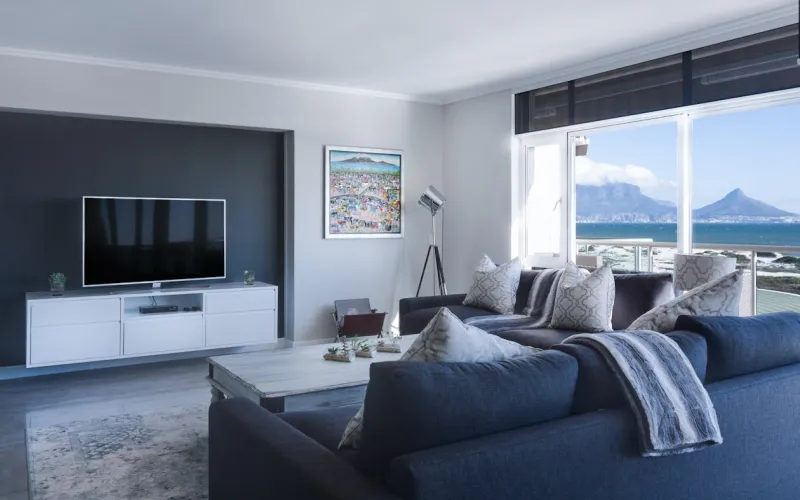
Color, pattern, and texture are the three instruments of maximalist design. Mastering how they work together is what separates a maximalist masterpiece from visual chaos.
Color strategy:
Choose a palette, not random colors. Even maximalism works within a color logic. The most successful approach: select 3-5 colors that share either warmth (reds, oranges, pinks, golds) or coolness (blues, greens, purples), then use them in varying proportions throughout the space. A maximalist room with a jewel-tone palette (emerald, sapphire, ruby, gold) has coherence because the colors share saturation levels and undertones.
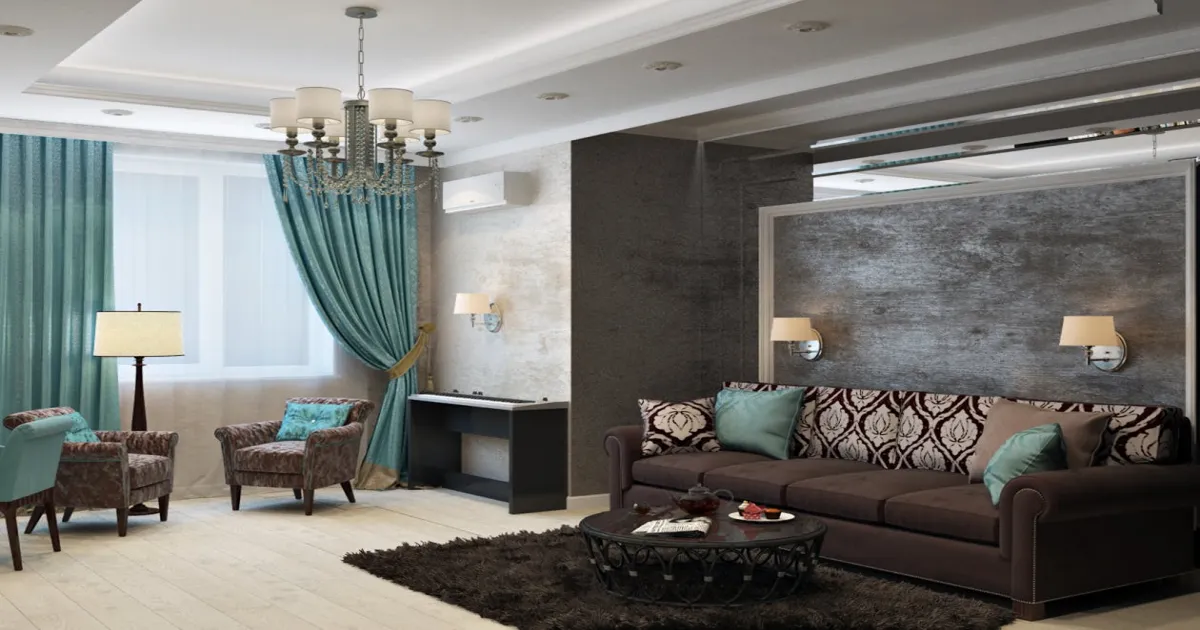
Use a dominant + supporting structure. Even in an abundantly colored room, one or two colors should appear most frequently, with others supporting. A room dominated by deep teal walls with ruby velvet accents and gold details has a clear hierarchy. If every color appears equally, the eye has nowhere to rest.
Don't fear dark colors. Maximalist spaces often use dark, saturated wall colors - deep navy, forest green, aubergine, or charcoal - as backgrounds. Dark walls make art, objects, and lighter furniture pop dramatically, and create a cozy, enveloping atmosphere that light walls can't achieve.
Pattern mixing rules:
Vary the scale. Combine large-scale patterns (oversized florals, bold stripes), medium-scale patterns (damask, geometric prints), and small-scale patterns (ditsy florals, fine stripes). When patterns are at different scales, they coexist comfortably because they're not competing for attention at the same visual frequency.
Share a color family. Multiple patterns work together when they share at least one or two colors. A blue-and-white floral, a navy geometric, and a blue-and-gold stripe all harmonize because they're linked by blue.
Balance pattern density. Not everything can be boldly patterned simultaneously. Pair highly patterned elements (a statement wallpaper, patterned cushions) with solid-colored elements (a velvet sofa, plain curtains) to create breathing room within the abundance.
Texture layering:
Texture is maximalism's secret weapon. When color and pattern reach their comfortable limit, texture provides additional richness without visual overwhelm. Layer velvet against linen, smooth leather against rough wool, polished wood against matte ceramic, glossy lacquer against brushed metal. The tactile variety makes a maximalist space feel as rich to touch as it is to see.
Gallery Walls & Curated Collections
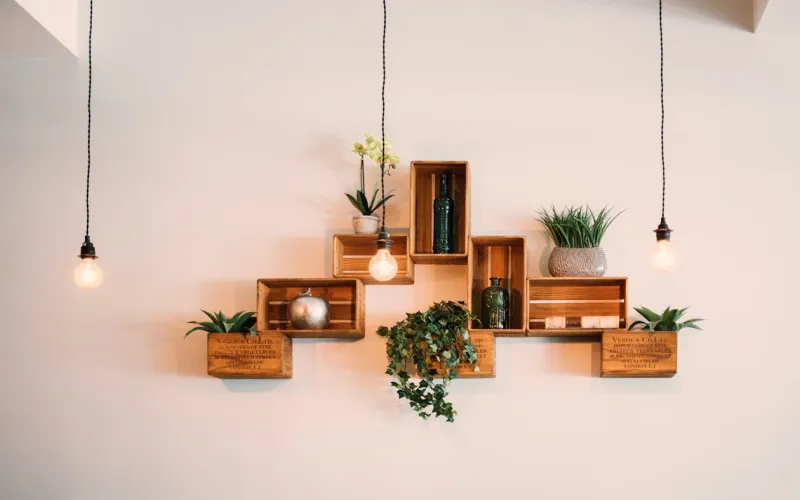
The gallery wall is maximalism's most recognizable expression - a wall covered in art, photographs, objects, and frames that together create a personal visual narrative. But curated displays extend far beyond walls to shelves, surfaces, and every corner of the maximalist home.
Building a gallery wall:
Mix media and formats. The best gallery walls combine different types of art and objects: framed paintings, unframed canvases, photographs, mirrors, sculptural objects, textile pieces, plates, and small shelves holding three-dimensional items. This variety creates visual richness that a wall of same-sized frames cannot achieve.
Use a connecting thread. Even an eclectic gallery wall needs coherence. This might be a shared color palette across frames and mats, a consistent theme (botanical prints + nature photography + pressed leaves), or simply the repetition of one frame style among the variety.
Fill the wall generously. In maximalist design, gallery walls should feel abundant - frames close together, covering most of the available wall space. The tight arrangement creates the "collected over years" feeling that maximalism celebrates. Leave minimal gaps; the density is the design.
Include wall art and decorative objects that bring texture and dimension - woven pieces, ceramic plates, carved wood elements, and mirrors that catch and bounce light into the composition.
Shelf and surface styling:
The "bookshelf maximalism" technique. Bookshelves in maximalist homes are works of art themselves. Books arranged both vertically and horizontally, interspersed with ceramic vases, small artworks, collected objects, plants, and decorative bookends. The key: group objects in clusters of odd numbers, vary heights within each shelf, and ensure each grouping has a focal point.
Surface abundance with intention. Coffee tables, console tables, and mantels in maximalist homes carry curated collections: stacked art books, candles in decorative holders, small sculptures, decorative boxes, and fresh flowers. Each surface tells a micro-story. The arrangement should feel generous but not precarious - objects should look placed, not piled.
Display collections proudly. If you collect something - ceramics, vintage mirrors, art prints, textiles - display the collection as a design feature rather than hiding pieces away. A wall of collected mirrors becomes a design statement. A shelf of collected pottery becomes a gallery. Maximalism celebrates the act of collecting itself.
Maximalism vs Clutter: The Critical Difference
The most common criticism of maximalism - "it's just clutter" - misunderstands the philosophy entirely. Here's how to ensure your maximalist space reads as intentionally abundant rather than accidentally messy.
The curation test: For every object you display, ask: "Did I choose this, or did it just end up here?" Maximalism is about displaying things you love, not storing things you haven't dealt with. A shelf of carefully selected ceramic objects is maximalism. A shelf of random receipts, dead batteries, and miscellaneous items is clutter.
Clean foundations matter. Even the most abundantly decorated maximalist room needs clean surfaces underneath. The floor should be visible. Pathways should be clear. Storage should exist for the things that aren't part of the design display. Maximalism decorates generously; it doesn't prevent function.
Maintenance is non-negotiable. Clutter accumulates when you stop paying attention. Maximalist design requires ongoing curation - periodically rotating objects, removing items that no longer serve the composition, and keeping displayed items clean and well-arranged. A maximalist room that's maintained looks deliberate. One that isn't maintained looks abandoned.
Negative space still exists. Even maximalist rooms have areas where the eye rests. The ceiling might be simple. One wall might be less densely decorated than others. Floor space around furniture allows comfortable movement. These breathing spaces are deliberate - they're the punctuation that makes the visual abundance readable rather than exhausting.
Quality over quantity still applies. Maximalism isn't about having the most stuff - it's about surrounding yourself with things that bring joy. A maximalist home with 50 beloved, well-chosen objects creates more impact than one with 200 random items from a discount store. Each piece should be worth looking at and touching. Handcrafted textiles, artisan ceramics, and collected artwork carry more visual and emotional weight than mass-produced fillers.
The Instagram test: If a photo of your room looks equally interesting whether you zoom in or zoom out, your maximalism is working. If zooming in reveals randomness and mess, it's time to curate more carefully.
Maximalism Room by Room
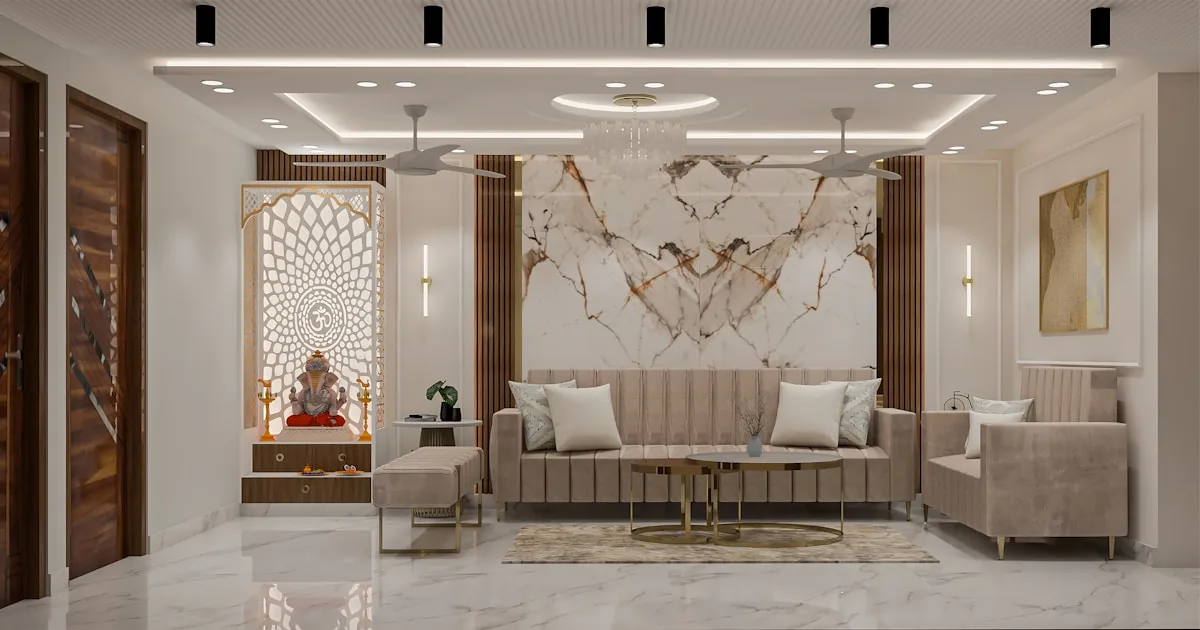
The living room. This is maximalism's natural home - the room where you display, entertain, and express personality most freely. Start with a bold foundation: dark or saturated wall color, patterned wallpaper, or both. Layer seating with mixed upholstery fabrics and abundant cushions. Cover walls with art, mirrors, and decorative objects. Style every surface with books, ceramics, candles, and botanical elements. A statement rug anchors the composition. Multiple light sources - a chandelier plus floor lamps plus table lamps - create warmth and drama.
The dining room. Maximalist dining rooms make every meal feel like an occasion. A dramatic wall treatment (bold wallpaper, deep color, gallery wall) creates atmosphere. The table setting is part of the design: mixed china patterns, colored glassware, patterned linen napkins, and abundant centerpieces with candles, flowers, and collected objects. A statement chandelier or pendant lights overhead. Display china, collected objects, and bottles on open shelving or sideboards.
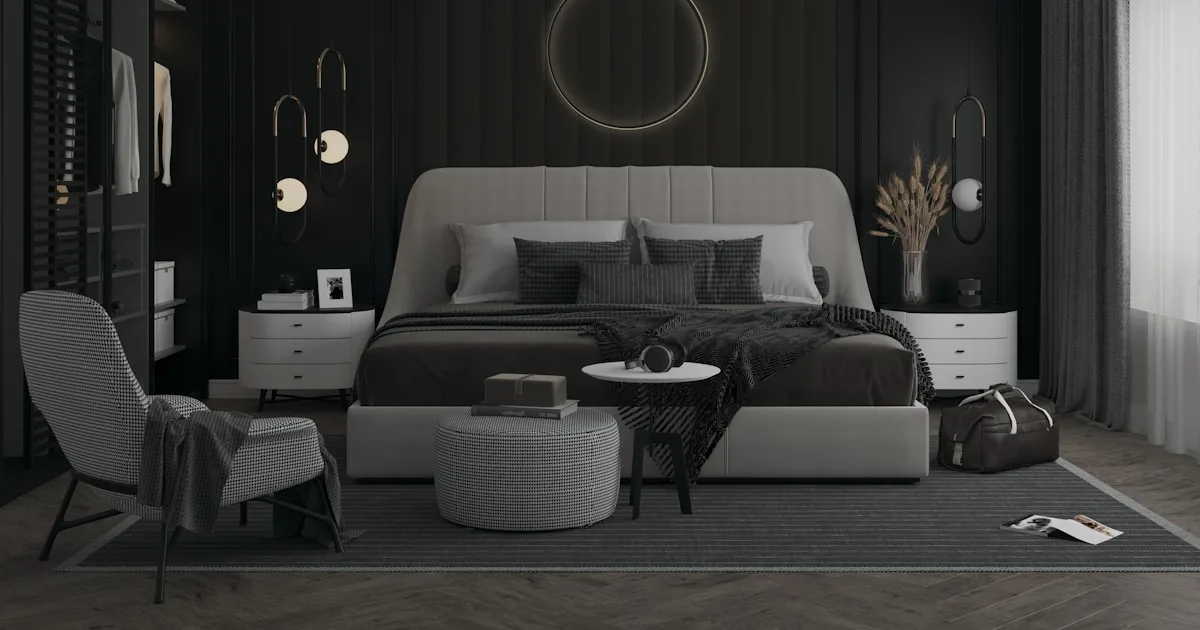
The bedroom. Maximalist bedrooms are opulent sanctuaries. Layer the bed generously: patterned sheets, a contrasting duvet, multiple cushions in mixed fabrics, and a statement throw at the foot. An upholstered headboard (ideally in velvet or patterned fabric) serves as the focal point. Art above the bed - a large piece or a curated cluster. Heavy curtains in rich fabric frame the windows. A patterned rug over flooring. The nightstand carries a small lamp, books, and decorative objects.
The bathroom. Even bathrooms can embrace maximalism. Bold wallpaper or tile creates the foundation. Mix metals (brass towel bar, chrome fixtures, gold mirror frame) for eclectic richness. Display perfume bottles, potted plants, decorative soap dishes, and art on every available surface. Layer towels in complementary colors and patterns. A patterned shower curtain or bold tilework in the shower adds the final maximalist touch.
The home office. A maximalist office channels creativity. Cover a wall with inspiration - a massive mood board, a gallery wall of art and photography, or floor-to-ceiling shelving packed with books and objects. A statement desk (bold color, interesting material, or dramatic shape) paired with an upholstered chair in rich fabric. Task lighting and ambient lighting layered together. Every surface styled but every tool accessible.
Maximalism vs Boho vs Eclectic: Understanding the Differences
Maximalism, bohemian design, and eclectic style are often confused because they all embrace abundance and pattern. But they're distinct approaches with different sensibilities.
Maximalism is about deliberate abundance in every design element - bold color, rich pattern, lavish texture, and curated display. It can be formal or casual, traditional or contemporary. A maximalist living room might feature a tufted velvet sofa, bold wallpaper, a crystal chandelier, and a gallery wall of fine art. Maximalism doesn't have a specific cultural reference; it's a philosophy of "more" applied to any style.
Bohemian (boho) design is culturally specific - it draws from global craft traditions, bohemian counter-culture, and a relaxed, traveled lifestyle. Boho interiors feature natural materials (rattan, macramé, woven baskets), earthy and jewel-tone colors, plants, and collected objects from different cultures and travels. Boho is always casual, always ecologically minded, and always looks a bit "found" rather than "styled."
Eclectic design mixes furniture and objects from different styles, periods, and cultures into a cohesive whole. An eclectic room might pair a mid-century modern chair with a Victorian side table, a Moroccan rug, and contemporary art. The focus is on interesting combinations and personal curation. Eclectic rooms can be maximalist (abundant and pattern-rich) or quite restrained (a few carefully chosen pieces from different traditions).
Where they overlap: All three embrace pattern mixing, collections, and personal expression. All reject the strict uniformity of single-style decorating. A room could potentially be described as all three: a bohemian-influenced, maximally styled, eclectic collection of global art and craft.
How to choose:
- If you love formal luxury with bold pattern - maximalism
- If you love casual, global, natural-material warmth - boho
- If you love mixing periods and styles with restraint - eclectic
- If you love all three - you're a maximalist at heart. Maximalism is the most inclusive philosophy because it says yes to everything that brings you joy
For deeper exploration of the bohemian approach, see our complete boho interior design guide and our unique interior design guide for eclectic inspiration.
Maximalism home decor is ultimately a philosophy of joy - the joy of surrounding yourself with color, pattern, texture, and objects that make you happy. In a world that often tells us to simplify, minimize, and declutter our way to contentment, maximalism offers a different path: know what you love, collect it with intention, and display it with confidence.
The best maximalist spaces are deeply personal. They can't be replicated from a catalog because they're built from individual taste, travel, collection, and creative expression. Your maximalist home should look like no one else's - that's the whole point.
Begin your maximalist journey with artisan ceramics for collected displays, wall art and decorative objects for gallery walls, canvas art as statement pieces, and textured textiles for the layered warmth that makes maximalism come alive.
Frequently Asked Questions
Enjoyed this guide?
Share it with someone who'd find it useful