Windows are far more than functional openings in a wall - they are the eyes of your home, the primary source of natural light, and one of the most powerful design elements at your disposal. Yet window interior design is often an afterthought, addressed only when the rest of the room is complete. This is a missed opportunity.
Thoughtful window design affects everything: how a room feels in the morning light, how spacious it appears, how warm it stays in winter, and how much character it projects. The right window treatments can make a small room feel expansive, a cold room feel warm, and a plain room feel extraordinary.
This guide covers every aspect of window interior design - from choosing the right treatments and textiles to optimizing natural light and styling your windowsills as design features in their own right.
The Role of Windows in Interior Design
Before diving into treatments and styling, it's worth understanding why windows matter so much in interior design. They serve multiple overlapping functions, and the best window design addresses all of them simultaneously.
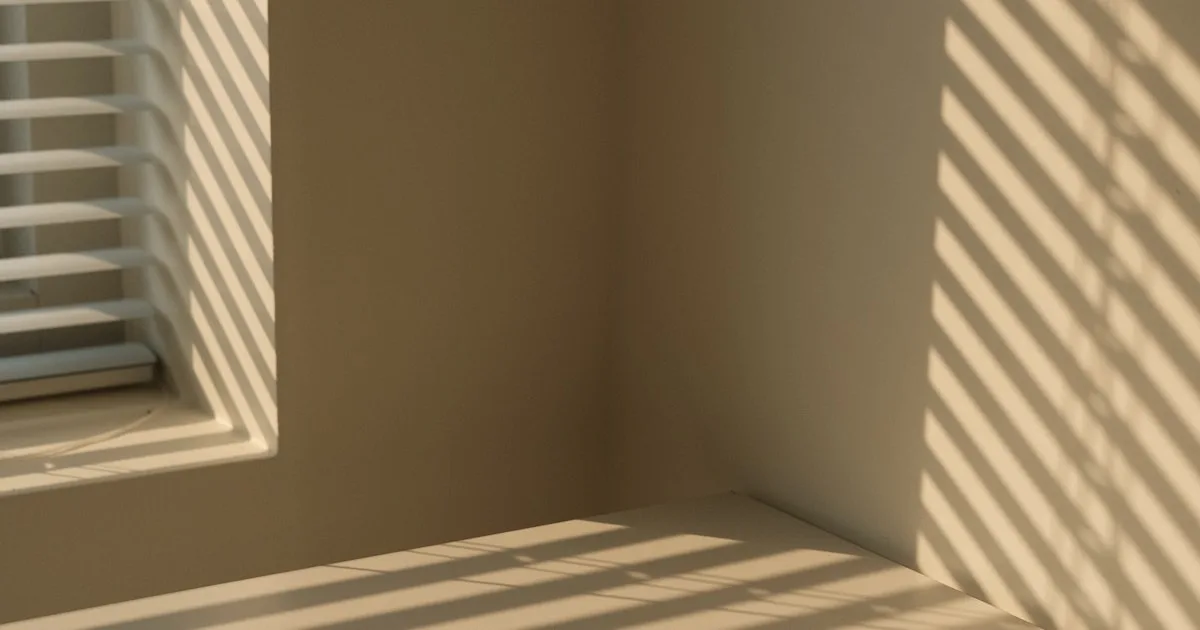
Light control. Windows are your primary source of natural light, and light is the single most important factor in how a room feels. A room flooded with soft, diffused daylight feels alive and welcoming. The same room with blocked or harsh light can feel oppressive or gloomy. Your window treatment choices directly control this equation.
Visual connection to the outdoors. Windows frame views - whether that's a garden, a cityscape, or simply the sky. This connection to the outside world reduces the feeling of enclosure and brings a sense of nature indoors, complementing natural interior materials like wood, stone, and linen textiles.
Architectural character. The shape, size, and placement of windows define a room's architectural personality. Tall, narrow windows feel traditional and elegant. Floor-to-ceiling glass feels modern and expansive. Arched windows add drama and historical character. Your treatment choices should enhance these inherent qualities, not fight them.
Thermal and acoustic comfort. Windows are the thinnest part of your building envelope, making them the primary source of heat gain, heat loss, and outside noise. The right treatments - insulated curtains, cellular shades, layered blinds - improve comfort and reduce energy costs significantly.
Privacy. The balance between light and privacy is the central tension of window design. The best solutions allow you to modulate both throughout the day - welcoming full light when desired and offering complete privacy when needed.
Curtains & Drapes: The Classic Window Treatment
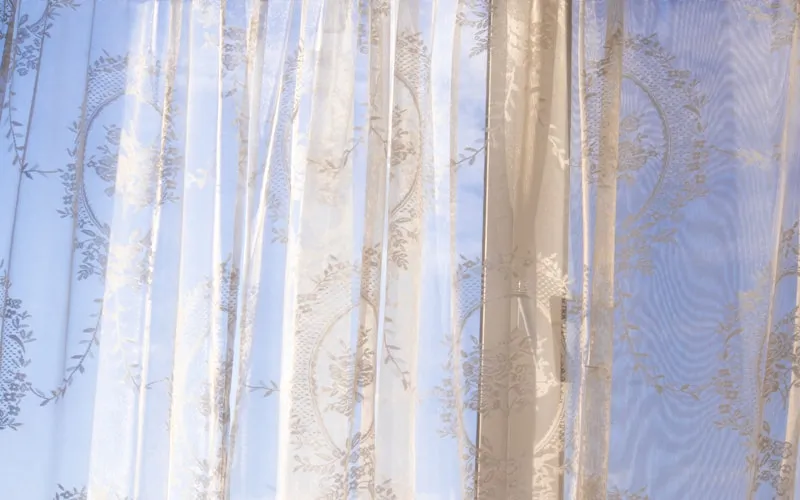
Curtains and drapes remain the most versatile and impactful window treatment in interior design. They add softness, color, texture, and movement to a room in ways that no other treatment can match.
Fabric selection is everything. The fabric you choose determines the curtain's character, functionality, and maintenance needs:
- Linen - The gold standard for relaxed, natural interiors. Linen curtains filter light beautifully, creating a soft glow while maintaining privacy. They wrinkle naturally, which adds to their charm rather than detracting from it. Our textile collection includes linen pieces that bring this natural elegance into your home.
- Cotton - Versatile and affordable. Cotton curtains work in any style, from casual tab-tops to formal pleated panels. They press crisply for a tailored look or relax beautifully for a casual feel.
- Velvet - The ultimate choice for warmth, luxury, and light-blocking. Velvet curtains add dramatic weight and texture, insulate against cold and noise, and create a sense of cozy enclosure. Perfect for bedrooms and formal living rooms.
- Sheer fabrics - Voile, organza, and sheer linen diffuse light while maintaining a visual connection to the outdoors. Layer sheers behind heavier curtains for maximum versatility.
Hanging height matters enormously. One of the most common mistakes in window design is hanging curtains too low. For the most elegant, room-enhancing effect, mount your curtain rod as close to the ceiling as possible - even if the window is significantly shorter. This draws the eye upward, makes ceilings feel higher, and gives the window a grander proportion. The curtain fabric between the rod and the window top adds visual height without looking odd.
Width is equally important. Curtain panels should be at least 1.5 to 2 times the width of the window when gathered. This fullness creates beautiful folds and prevents the flat, skimpy look of panels that barely cover the window. When open, the panels should stack mostly on the wall, not over the glass, to maximize light entry.
Length options: Floor-length curtains that just kiss the floor create a clean, modern look. Curtains that puddle 2-3 inches on the floor feel romantic and luxurious. Sill-length curtains work only in kitchens and bathrooms where floor-length isn't practical.
Blinds, Shades & Shutters: Structured Window Solutions
While curtains add softness and drama, blinds, shades, and shutters offer precision, clean lines, and practical light control. Many of the best window designs layer these structured treatments with softer curtains for both function and beauty.
Roman shades combine the softness of fabric with the clean profile of a shade. When raised, they fold into elegant horizontal pleats at the top of the window. When lowered, they present a smooth or softly pleated face that filters light. Roman shades in natural linen or cotton are particularly beautiful - they bring textile warmth without the visual weight of full curtains.
Roller shades offer the most minimal, modern profile. They disappear completely when raised and present a clean, flat surface when lowered. Choose translucent fabrics for light filtering or blackout for bedrooms. Their simplicity makes them ideal for contemporary and minimalist interiors.
Cellular (honeycomb) shades are the energy-efficiency champions. Their unique honeycomb structure traps air, creating an insulating layer that reduces heat transfer by up to 40%. They're available in light-filtering and blackout versions, with single, double, or triple cell options for increasing insulation. If energy efficiency is a priority, these are the best investment.
Wooden blinds bring natural material warmth to a structured treatment. They offer precise light control through angled slats and complement interiors that feature wood furniture and organic materials. Bamboo blinds are a sustainable alternative that adds texture and an artisan quality.
Plantation shutters are a premium, permanent window treatment that adds architectural value. They offer excellent light control, insulation, and privacy while providing a clean, classic appearance. They work beautifully in both traditional and modern homes and can increase property value.
Layering tip: Pair a structured treatment (shades or blinds for practical light control and privacy) with curtain panels (for softness, color, and visual framing). This combination gives you maximum versatility while creating the most polished, designed look.
Optimizing Natural Light: Making the Most of Every Window
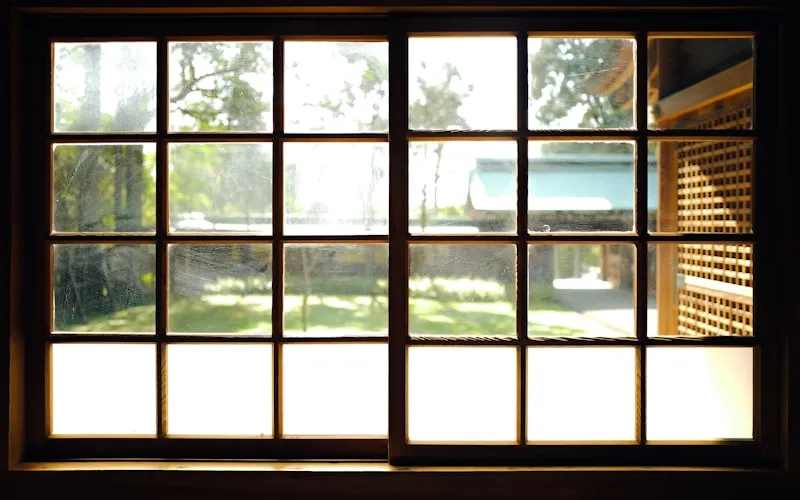
Natural light is free, beautiful, and essential to our wellbeing. Optimizing it should be a primary goal of window interior design, not an afterthought. Here's how to maximize the daylight in your home.
Understand your light. Not all natural light is equal. North-facing windows provide consistent, cool, diffused light throughout the day - excellent for workspaces and art display. South-facing windows deliver the most intense and warmest light, with direct sun for much of the day. East windows give you bright morning light, while west windows bring afternoon warmth and dramatic sunset light. Design your treatments to work with each window's specific light character.
Keep glass clean and clear. It sounds obvious, but clean windows transmit significantly more light than dirty ones. Use light-colored or translucent treatments rather than heavy, dark ones to maximize light transmission while still providing privacy and UV protection.
Use reflective surfaces strategically. Place mirrors on walls adjacent to or opposite windows to bounce light deeper into the room. Light-colored walls, glossy surfaces, and metallic accessories all reflect light and amplify the effect of your windows.
Minimize obstructions. Keep windowsills clear of tall objects that block light entry. If you style your sills (more on that below), keep items low and transparent where possible. Avoid placing tall furniture directly in front of or beside windows where it can shadow the room.
Consider the color of surrounding walls. The walls immediately surrounding a window act as reflectors. Painting window reveals (the sides of the window opening) in white or light cream maximizes the light that bounces into the room. Dark reveal colors absorb light, reducing the effective brightness of the window.
Use light-colored flooring near windows. Light floors in the zone nearest to windows reflect daylight upward, creating a brighter, more evenly lit room. This is why light wood, pale stone, and white-toned rugs work so well in rooms where natural light is a priority.
Windowsill Styling: Turning Ledges into Design Moments
Windowsills are some of the most underutilized real estate in interior design. A well-styled sill transforms a window from a purely functional element into a curated design vignette. Here's how to make the most of these narrow stages.
The botanical windowsill. Plants and windows are natural companions - plants need light, and windows provide it. Create a mini indoor garden with a curated collection of potted herbs, succulents, or small foliage plants. Use pots in natural materials - ceramic, terracotta, stone - in varying heights and sizes. This approach works in every room but is especially charming in kitchens and bathrooms.
The curated display. Treat the sill like a gallery shelf. Arrange a small collection of objects - a handcrafted vase with a single stem, a small sculpture, a stack of books, a candle in a ceramic holder. The key is restraint: three to five items, varying in height and material, with space between each piece.
The functional sill. In narrow spaces, the windowsill can serve as a micro-shelf. A kitchen sill holds olive oil bottles and a small herb planter. A bathroom sill displays a beautiful soap dish and a small plant. A bedroom sill holds a candle and a small tray for jewelry. Form follows function, but it doesn't have to sacrifice beauty.
Deep sills as seating. If your windows have deep sills (12 inches or more), consider transforming them into window seats with cushions and pillows. A built-in window bench with storage underneath is one of the most beloved architectural features you can add to a home. Add linen cushions and a throw for a cozy reading nook.
Seasonal rotation. Keep your windowsill styling fresh by rotating displays seasonally. Spring bulbs and branches. Summer shells and beach glass. Autumn gourds and dried leaves. Winter candles and evergreen sprigs. This simple practice keeps your windows feeling alive and connected to the world outside them.
Treatments for Different Window Styles
Different window shapes and styles demand different design approaches. Here's how to handle the most common window types.
Standard rectangular windows: The most versatile - virtually any treatment works. For the most polished look, use curtain panels that extend to the floor, mounted at ceiling height, with a clean roller or roman shade behind for practical light control.
Floor-to-ceiling windows: These dramatic windows need treatments that emphasize their height. Use curtains on a ceiling-mounted track with a smooth, consistent drape from ceiling to floor. Avoid breaking the vertical line with horizontal blinds or mid-window treatments. Sheer curtains work beautifully here, diffusing light while maintaining the full architectural impact.
Arched windows: Honor the arch - don't cover it. Mount treatments below the arch, allowing the curved top to remain exposed as an architectural feature. Alternatively, use a custom-shaped shade that follows the arch when lowered and reveals it when raised. Plantation shutters with a custom arched top panel are a beautiful permanent solution.
Bay windows: Bay windows create a natural alcove that's perfect for a window seat, breakfast nook, or reading corner. Use individual curtain panels between each section of the bay, with a common rod that follows the bay's angles. Inside-mounted roman shades for each section keep the look clean and allow independent light control.
Skylights and clerestory windows: These high, often unreachable windows usually work best without treatments, allowing unobstructed light entry. If sun control is needed, motorized cellular shades designed for skylight applications are the most practical solution.
Small windows: Make small windows feel larger by extending curtains well beyond the window frame on each side and mounting the rod high above the window. This visually expands the window's apparent size while ensuring maximum light entry when curtains are open. Choose light, airy fabrics that don't overwhelm the small opening.
Window Design Room by Room
Each room in your home has different window treatment needs. Here's a room-by-room breakdown of the best approaches.
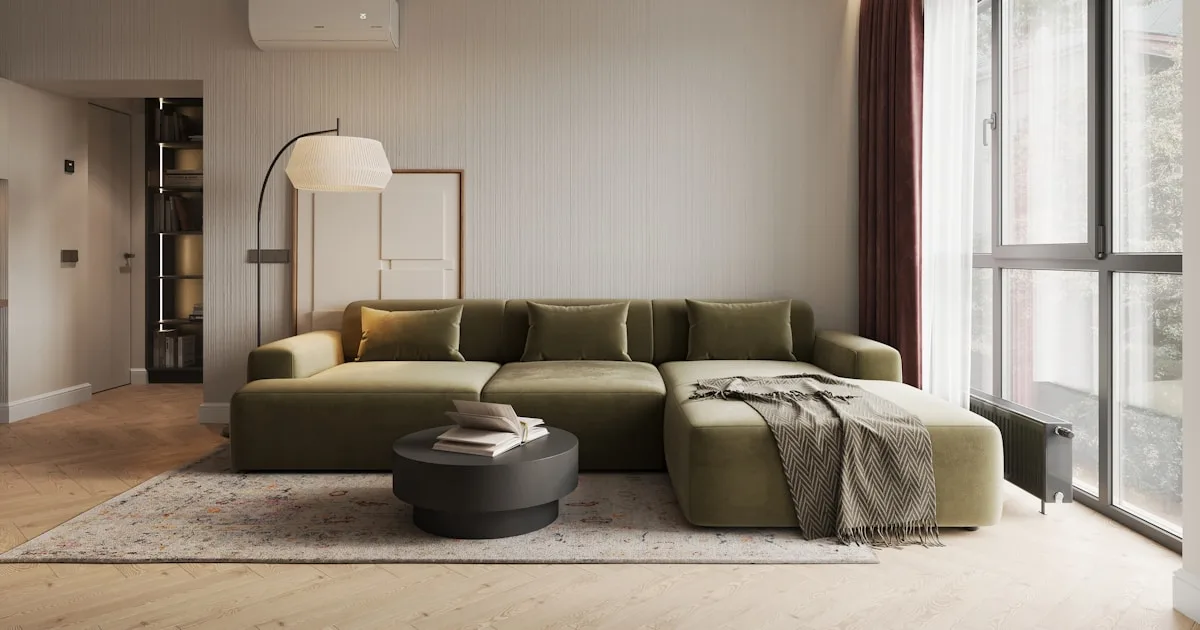
Living Room: This is where you can be most expressive with window design. Layer treatments for maximum impact: a structured shade or blind for practical light control, with full-length curtain panels in a beautiful fabric for visual warmth. Choose fabrics that complement your upholstery and textile accents. In living rooms with good views, consider sheer curtains that filter glare while preserving the connection to the outdoors.
Bedroom: Prioritize light-blocking capability and privacy. Blackout-lined curtains, blackout roller shades, or cellular shades with blackout fabric ensure restful sleep. Layer a blackout treatment behind decorative curtains for both function and beauty. Choose soft, calming fabrics and colors that promote relaxation.
Kitchen: Practicality rules here - treatments must withstand moisture, heat, and cooking splatter near the stove. Roman shades in washable fabric, roller shades, or cafe curtains (covering only the lower half of the window for privacy while allowing light in through the top) are ideal. Avoid long, flowing curtains near cooking areas.
Bathroom: Moisture resistance and privacy are paramount. Faux-wood blinds, moisture-resistant roller shades, or top-down/bottom-up cellular shades (which can be opened from the top for light while remaining closed at the bottom for privacy) are all excellent choices. Frosted glass film is a permanent solution for ground-floor bathrooms.
Home Office: Glare control is essential for screen-based work. Position your desk perpendicular to the window (not facing it or with your back to it) and use adjustable treatments like venetian blinds or light-filtering roller shades that let you fine-tune the light throughout the day. Good window design in an office directly impacts productivity and eye comfort.
Dining Room: Dramatic treatments create atmosphere for evening dining. Floor-length curtains in rich fabrics set the stage. During the day, sheers or raised blinds let in bright, energizing light for casual meals. A layered approach lets you shift between daytime brightness and evening intimacy.
Sustainable & Energy-Efficient Window Design
Window treatments play a surprisingly significant role in your home's energy efficiency. The right choices can reduce heating and cooling costs by 25% or more while supporting sustainable design principles.
Insulating treatments save energy. Cellular shades with their air-trapping honeycomb cells are the most effective insulating treatment, reducing heat loss by up to 40% in winter. Heavy, lined curtains also provide significant insulation when drawn. Even simple roller shades create an air barrier that improves thermal performance.
Seasonal strategy: In winter, open south-facing treatments during the day to capture solar heat, then close them at dusk to trap that warmth inside. In summer, keep south and west-facing treatments closed during peak sun hours to reduce cooling loads. This simple behavioral strategy can meaningfully impact your energy bills.
Choose natural, sustainable fabrics. Linen, organic cotton, hemp, and bamboo are renewable, biodegradable textile options that avoid the environmental impact of synthetic fabrics. Natural linen textiles are not only more sustainable - they also age beautifully, developing a soft patina over time that synthetic fabrics cannot replicate.
Durability is sustainable. The most sustainable treatment is one you don't have to replace. Invest in quality hardware, well-made curtains, and durable blinds that will last for years. Plantation shutters, for instance, can last decades - their environmental cost amortized over their lifetime is far lower than cheap blinds replaced every few years.
Consider the full lifecycle. When choosing window treatments, think about what happens at the end of their life. Natural fabrics can be composted or recycled. Wooden blinds and shutters can be refinished or repurposed. Aluminum blinds are recyclable. PVC blinds and synthetic fabrics, by contrast, are difficult to recycle and persist in landfills indefinitely.
At Pitta.lv, sustainability is central to our design philosophy. Our textile collection features handcrafted pieces made from natural, responsibly sourced materials - the kind of quality that supports both beautiful design and a healthier planet.
Window interior design is where architecture meets textile, where function meets beauty, and where the indoor world connects to the outdoor. Getting it right transforms not just how your windows look, but how your entire room feels - brighter, warmer, more intimate, more alive.
Start by understanding what each window needs: how much light it receives, what privacy demands it faces, and what architectural character it brings to the room. Then layer your treatments - a practical shade or blind for daily function, beautiful curtains or drapes for visual impact and warmth. Style your sills as design moments, not afterthoughts.
Most importantly, choose quality materials that will age gracefully and serve you well for years. Natural fabrics, well-made hardware, and thoughtful installation make the difference between window treatments that merely cover glass and window design that elevates every room in your home.
Explore our curated textile collection and handcrafted accessories to find the perfect finishing touches for your window design.
Frequently Asked Questions
Enjoyed this guide?
Share it with someone who'd find it useful