"Casa" means home - and few design styles embody the feeling of home as warmly as the Mediterranean and Spanish-influenced interiors that the word evokes. Casa interiors draw from centuries of architectural tradition across southern Europe and Latin America, where thick-walled houses protect against summer heat, courtyards bring nature into daily life, and handcrafted materials - terracotta, wrought iron, hand-painted tile, rough-hewn wood - create environments that feel as natural as the landscapes they inhabit.
This guide explores how to create authentic casa interior design in any home, whether you live in a Mediterranean villa or a modern apartment. The principles translate beautifully: warm earth tones, natural materials with visible craftsmanship, flowing connections between indoor and outdoor spaces, and an overall atmosphere that values comfort, family, and the beauty of imperfection.
What Is Casa-Style Interior Design?
Casa-style design encompasses the interior traditions of Mediterranean countries - Spain, Italy, Greece, southern France, and Morocco - as well as the Latin American expressions of these traditions in Mexico, Colombia, and beyond. While each region has its own character, they share fundamental principles rooted in climate, available materials, and a culture that prioritizes communal living.
Defining characteristics of casa interiors:
- Warm earth tones - terracotta, warm white, ochre, sand, burnt sienna, olive green, and the deep blue of the Mediterranean Sea
- Natural, locally sourced materials - clay tiles, lime-washed plaster, rough stone, aged wood, wrought iron, and hand-thrown ceramics
- Handcrafted details - hand-painted tiles, carved wood furniture, woven textiles, and artisan metalwork that show the maker's hand
- Indoor-outdoor connection - courtyards, covered terraces, wide doorways, and spaces designed to flow between interior and exterior
- Thick walls and deep windows - architecture that creates thermal mass for natural cooling and frames views like paintings
- Communal gathering spaces - generous kitchens, long dining tables, and living areas designed for family and hospitality
The beauty of casa interiors lies in their honesty. Materials aren't disguised or over-processed - they're celebrated in their natural state. A plaster wall shows its texture. A wooden beam reveals its age. A terracotta floor develops a patina from decades of bare feet. This material authenticity creates a warmth and character that no manufactured finish can replicate.
At its heart, casa interior design reflects a way of living that values slow meals, natural light, family gathering, and connection to the earth. These values translate into physical spaces that feel grounded, welcoming, and deeply human.
The Casa Color Palette: Sun-Baked Earth & Mediterranean Blue
The casa color palette is drawn directly from the landscapes of the Mediterranean - sun-bleached walls, terracotta rooftops, olive groves, azure seas, and golden stone. These colors work together naturally because they're already found together in the natural world.
Foundation colors:
Warm white and cream. Mediterranean walls are rarely pure white - they're lime-washed plaster that reads as warm white or soft cream, with subtle variations and texture from the application process. This warm white provides the backdrop for everything else, bouncing sunlight throughout the space while maintaining a softness that cool white cannot achieve.
Terracotta. From the tile floors underfoot to the rooftops visible through every window, terracotta is the signature color of casa interiors. Its warm, burnt-orange tone grounds a space and creates an immediate feeling of warmth. Use it in flooring, ceramic vases and pottery, cushion fabrics, or as a paint color on a feature wall.
Ochre and sand. These golden earth tones bridge the warm white and terracotta, creating a rich middle ground. Ochre appears naturally in stone, plaster, and aged wood, providing depth to the neutral foundation.
Accent colors:
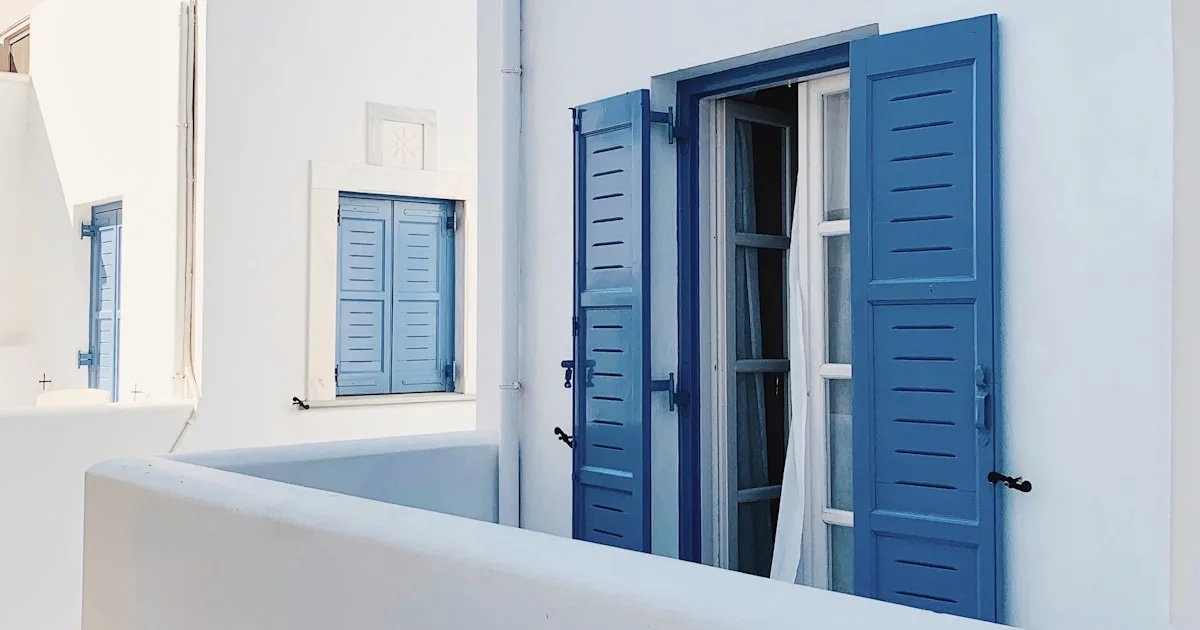
Mediterranean blue. The deep cobalt of Greek doors, the cerulean of Moroccan tiles, the azure of the sea itself - blue is the essential accent in casa interiors. It provides a cool contrast to the warm earth palette, preventing the space from feeling heavy or monotonous. Use it in hand-painted tiles, cushions, ceramic glazes, and artwork.
Olive green. From olive groves and herb gardens, this muted green brings the landscape indoors. Use it in linen upholstery or cushions, botanical prints, or the living green of actual herbs and plants on windowsills and terraces.
Iron black. The dark tone of wrought iron hardware, light fixtures, and furniture frames provides necessary contrast and definition. Used sparingly, iron black anchors the warm palette and adds architectural structure to soft, textured interiors.
Authentic Materials: The Soul of Casa Interiors
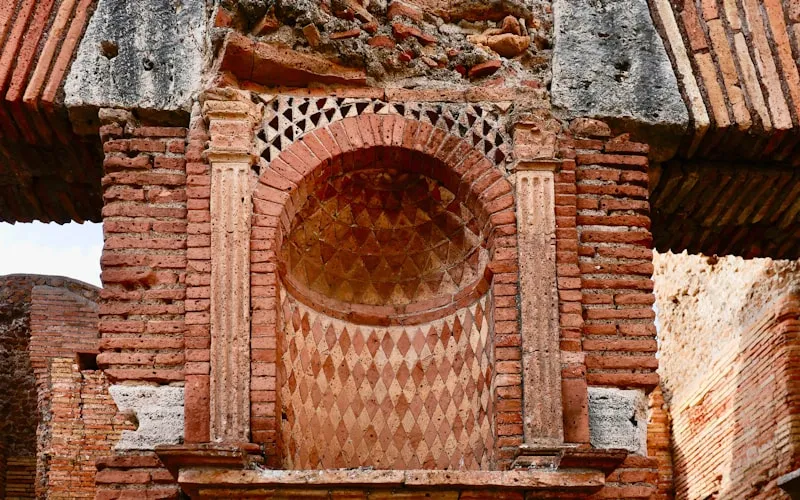
Casa-style design is fundamentally about materials. The visual and tactile quality of genuine, often handcrafted materials is what gives Mediterranean interiors their irreplaceable warmth. Here's how to use these materials authentically.
Terracotta tile. The quintessential Mediterranean floor material. Handmade terracotta tiles have irregular edges, color variation, and surface texture that machine-made versions cannot replicate. They're cool underfoot in summer, warm with radiant heating in winter, and develop a beautiful aged patina over time. If terracotta tile isn't possible throughout, use it strategically - a kitchen floor, an entry, or a sunroom.
Lime plaster and textured walls. Smooth, perfectly flat walls don't belong in casa interiors. Lime plaster, tadelakt, or textured paint applied with visible trowel marks creates the organic wall surface that characterizes Mediterranean homes. This texture catches light differently throughout the day, creating a living surface that changes character as the sun moves.
Rustic wood. Wood in casa interiors is aged, weathered, and full of character. Exposed ceiling beams, reclaimed wood shelving, live-edge dining tables, and hand-carved wooden stools bring the warmth of natural timber into the space. The wood should look like it's been there for generations - never overly polished or perfectly smooth.
Handcrafted ceramics. Pottery is integral to Mediterranean culture and integral to casa interiors. Hand-thrown vases, painted tile, ceramic bowls, and glazed pots add color, texture, and artisan character. Display them generously - on open shelves, hanging from walls, grouped on surfaces. The imperfections of handmade ceramics are the point - they connect the interior to a living craft tradition.
Natural textiles. Linen, cotton, hemp, and wool in their natural or softly dyed states provide the soft layer in casa interiors. Linen curtains filtering Mediterranean light, cotton bedspreads in warm white, woven wool rugs in earthy tones - these textiles add comfort without the formality of synthetic fabrics. Their natural fibers also complement the room's other organic materials.
Woven natural fibers. Rattan chairs, woven baskets, seagrass rugs, and jute accessories add textural variety and reinforce the connection to natural materials. These woven elements are particularly effective in casa interiors because they share the handcrafted quality that defines the style.
Indoor-Outdoor Living: The Heart of Casa Design
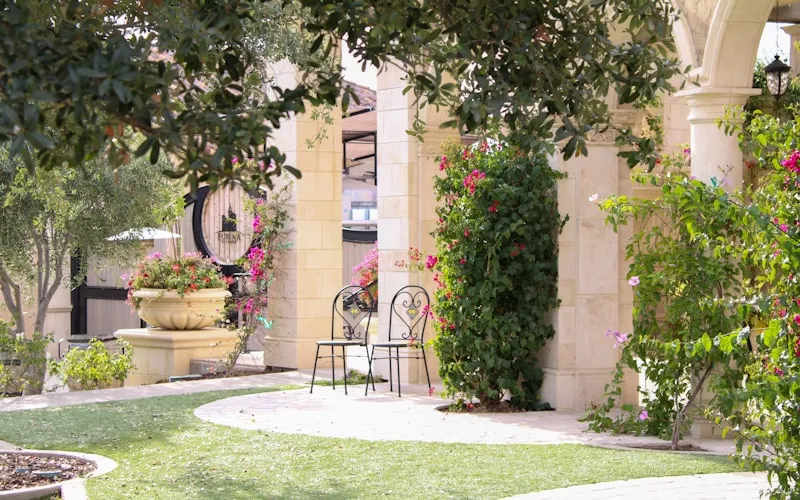
Perhaps the most defining aspect of casa interior design is its fluid relationship between indoor and outdoor space. In Mediterranean cultures, the boundary between inside and outside is intentionally blurred - life happens in both, and the architecture encourages constant movement between them.
The courtyard principle. Traditional Mediterranean homes are organized around courtyards - enclosed outdoor rooms that function as the home's central gathering space. Even if you don't have a courtyard, the principle applies: create an outdoor space that feels like a room. Define it with furniture, textiles, lighting, and plants. A covered terrace with a dining table, comfortable seating, and pendant lighting functions as an extension of your living room, effectively doubling your living space.
Threshold design. The transitions between indoor and outdoor spaces deserve design attention. Wide French doors, folding glass walls, or simply generous open doorways framed with trailing plants create inviting passages. The threshold should feel like a gradual transition rather than an abrupt boundary - inside and outside should use complementary materials, similar furniture styles, and harmonizing color palettes.
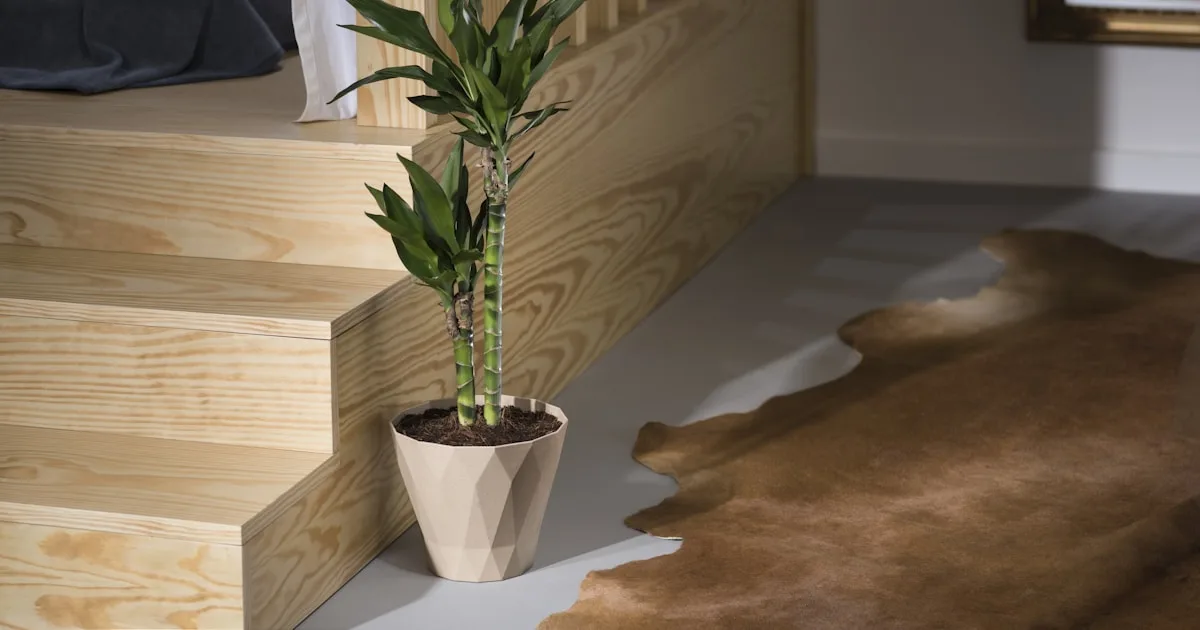
Bringing the garden inside. Casa interiors are rich with living plants. Herb pots on kitchen windowsills, trailing ivy from high shelves, citrus trees in large terracotta pots, and cut garden flowers in handmade ceramic vases on every surface. This isn't decorative greenery - it's an extension of the garden into the home, reinforcing the connection between built and natural environments.
Outdoor rooms. Furnish outdoor spaces with the same care you'd give interior rooms. A rattan lounge chair under a pergola, a solid wood dining table under a vine-covered arbor, ceramic lanterns and linen cushions creating comfort outdoors. When outdoor spaces are well-furnished, they become the preferred gathering places during warm months - exactly as Mediterranean culture intends.
Natural light management. Casa architecture controls light rather than simply admitting it. Shutters, awnings, pergolas, and deep window reveals filter harsh sunlight into a soft, ambient glow. When designing your interior lighting and window treatments, aim for this quality - abundant natural light, but softened and diffused rather than direct and glaring.
Casa Interiors Room by Room
The kitchen: the home's heartbeat. In Mediterranean culture, the kitchen is the most important room - where family gathers, meals are prepared communally, and hospitality happens naturally. Casa kitchens feature open shelving displaying hand-painted ceramics and cookware, generous worksurfaces in stone or wood, and space for people to sit and talk while food is being prepared. A long wooden table serves for both preparation and casual dining. Display beautiful everyday objects - olive oil in glass bottles, herbs in pots, fruit in ceramic bowls, cooking utensils in handmade crocks.
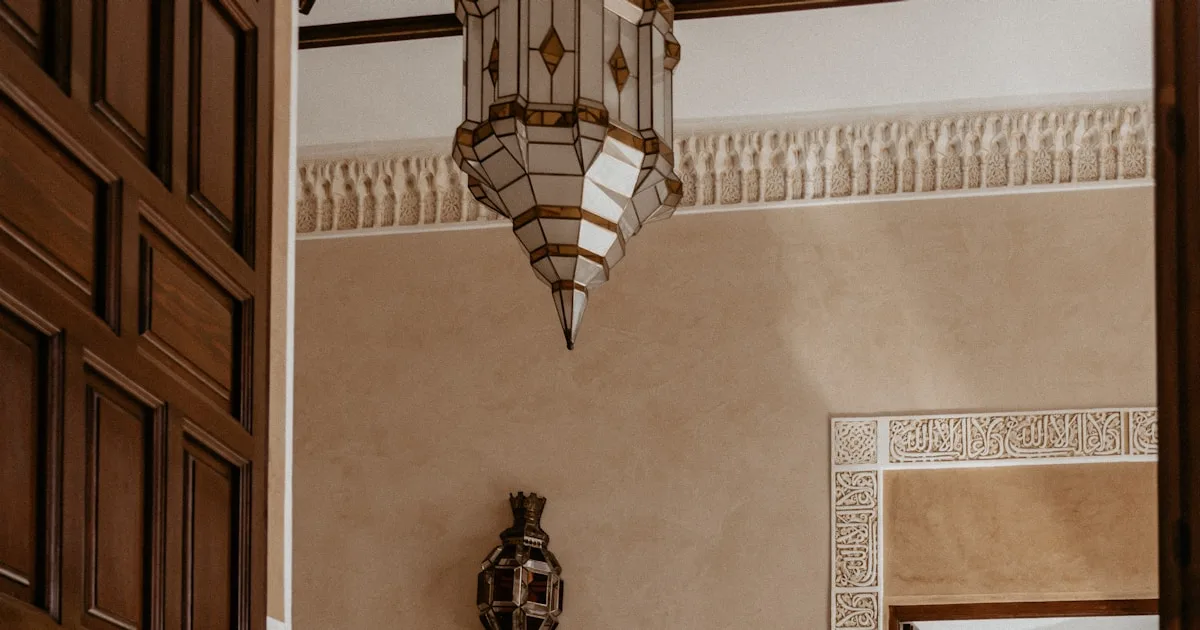
The dining room. Long, communal tables are the centerpiece. A solid wood table that seats eight or more, surrounded by mixed chairs (matching chairs are too formal for casa style), with an iron chandelier or pendant light overhead. Table settings are rustic but generous - linen napkins, handmade plates, terracotta water jugs, and wildflowers in a simple vase. The dining room should feel ready for an impromptu gathering at any time.
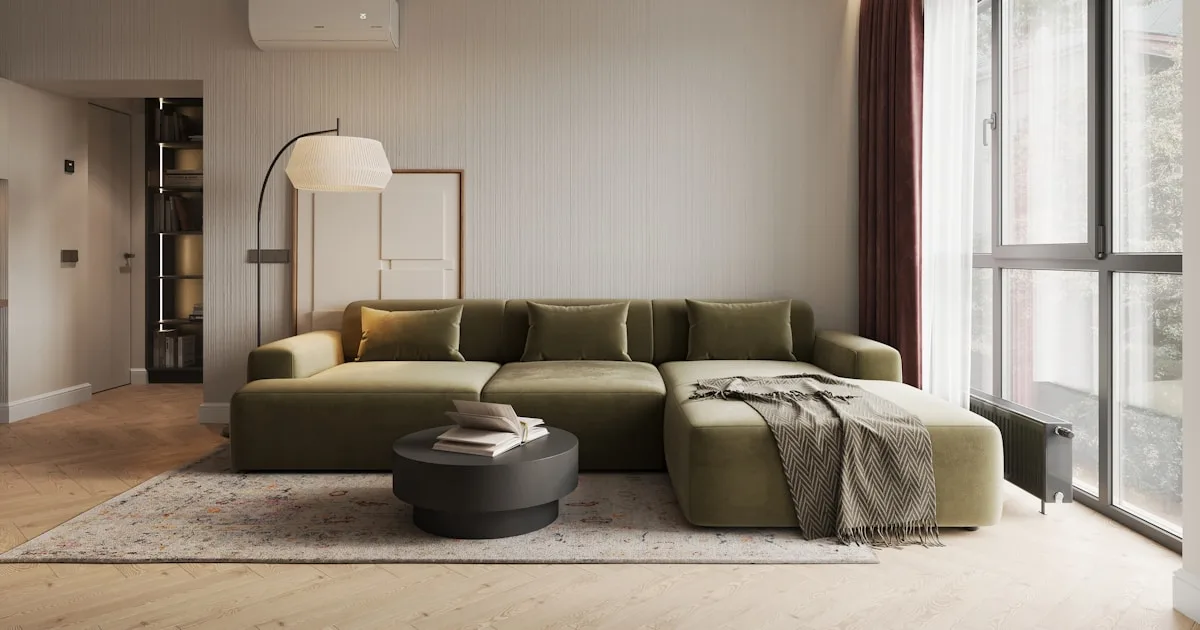
The living room. Comfort-focused with deep sofas dressed in linen slipcovers, low wooden coffee tables, layered rugs on terracotta floors, and plenty of cushions. Bookshelves, artwork, and ceramics populate the walls and surfaces. The atmosphere should feel lived-in and warm - not precious or overly styled. A rattan chair adds texture and an organic quality that complements the earthy palette.
The bedroom. Simple and serene. A wrought-iron or carved wooden bed frame, white linen bedding, shuttered windows, and minimal furniture. The warmth comes from the materials themselves - the glow of terracotta floors, the texture of plastered walls, the soft fall of linen curtains. A wooden stool serves as a bedside table. A single ceramic vase with dried lavender or fresh flowers completes the room.
The bathroom. Handmade tiles - perhaps in patterns for a feature wall or floor - create the defining element. Combine them with lime plaster walls, a stone or wood vanity, and natural soap and brush accessories. Terracotta or stone floors, a freestanding tub if space allows, and simple iron hardware maintain the authentic casa character.
Achieving Casa Style in Any Home: Practical Approaches
You don't need to live in a Mediterranean villa to embrace casa interior design. The principles translate to any architecture - the key is focusing on materials, warmth, and the atmosphere of casual hospitality.
Start with the color foundation. Painting walls in warm white (not cool white) immediately shifts a space toward casa territory. Choose a paint with warm undertones - slight yellow, pink, or peach. If you can, add texture to at least one wall using textured plaster or a specialty paint technique that mimics lime wash. This single change affects every other element in the room.
Introduce terracotta. If terracotta floor tiles aren't feasible, introduce the material through accessories. Terracotta planters and vases, terracotta-colored cushions and throws, and terracotta-glazed ceramics on shelves and tables bring the warmth of this essential material into any space.
Replace synthetic with natural. Systematically swap synthetic materials for natural ones. Replace polyester curtains with linen. Swap a plastic laundry basket for a woven natural fiber one. Exchange metal and glass decorative objects for handmade ceramics and carved wood. Each substitution moves the space closer to authentic casa character.
Embrace imperfection. Casa interiors are not precious. They're designed for living, for spilling wine and tracking in sand and hosting unexpected guests. If your tablecloth is slightly wrinkled, your pottery is uneven, and your walls show their texture - congratulations, you're achieving the look. This isn't about being messy; it's about prioritizing warmth and authenticity over polish and perfection.
Create gathering spaces. Arrange furniture for conversation, not television viewing. Push the dining table closer to the kitchen so cooks can participate in conversation. Add extra seating with stools and rattan chairs that can be pulled up when guests arrive. Casa design assumes that people will gather, and the home should make gathering easy and comfortable.
Layer handcrafted objects. Over time, build a collection of handmade decorative objects that reflect the artisan spirit of Mediterranean design. A hand-thrown bowl. A woven wall hanging. A carved wooden serving board. These objects don't need to be expensive - they need to be genuine, made by human hands from natural materials. Collectively, they create the layered, lived-in quality that defines the best casa interiors.
Casa interior design is ultimately about creating a home that feels like one - warm, welcoming, honestly made, and ready for whatever life brings through the door. It's an aesthetic rooted not in trends but in centuries of living well: eating together, spending time outdoors, surrounding yourself with materials that age gracefully, and valuing craftsmanship over convenience.
Whether you're fully committing to a Mediterranean transformation or simply bringing elements of casa warmth into your existing space, the principles remain the same: choose natural materials, embrace handcrafted imperfection, connect indoors with outdoors, and design for gathering rather than display.
Begin your casa journey with our collections of handcrafted ceramics, natural linen textiles, woven rattan furniture, and artisan accessories - each piece made with the same commitment to natural materials and human craftsmanship that defines Mediterranean design tradition.
Frequently Asked Questions
Enjoyed this guide?
Share it with someone who'd find it useful