Contemporary interior design is, by definition, the design of right now. Unlike "modern" design - which refers to a specific historical movement born in the early-to-mid 20th century - "contemporary" is fluid, evolving with each decade to reflect current tastes, technologies, and cultural values. What was contemporary in 2010 looks different from what's contemporary in 2026, and that's exactly the point.
But contemporary design isn't simply "whatever's trendy." It has consistent principles: clean but not austere lines, a preference for open space and natural light, sophisticated material mixing, and an emphasis on quality over ornamentation. Contemporary spaces feel current without trying too hard - they're calm, considered, and confident.
This guide explores the principles, materials, and approaches that define contemporary interior design today, with practical guidance for creating spaces that feel both of-the-moment and enduring.
Defining Contemporary Design (& How It Differs From Modern)
The terms "modern" and "contemporary" are used interchangeably in everyday conversation, but in design, they mean distinctly different things. Understanding this distinction is key to achieving the right look.
Modern design refers to Modernism - the design movement that emerged in the 1920s-1960s with figures like Le Corbusier, Mies van der Rohe, and the Bauhaus school. Modern design has specific, fixed characteristics: functionalism, minimal ornamentation, open floor plans, industrial materials (steel, glass, concrete), and the famous dictum "less is more." A modern interior will always look like mid-century modernism because it refers to a period, not a point in time.
Contemporary design means "of the present moment." It borrows freely from many traditions - including modernism - but isn't bound by any single set of rules. Contemporary design in 2026 might incorporate Japandi influences, biophilic elements, art deco curves, or brutalist concrete. It absorbs what's culturally relevant and discards what feels dated.
Key distinctions:
- Modern is fixed; contemporary evolves. A "modern" sofa will always have mid-century lines. A "contemporary" sofa reflects current design thinking.
- Modern favors straight lines; contemporary embraces curves. Current contemporary design includes organic, rounded forms alongside clean geometry.
- Modern uses industrial materials; contemporary mixes everything. A contemporary room might pair concrete with velvet, marble with rattan, steel with warm wood.
- Modern is minimalist; contemporary is selectively curated. Contemporary spaces have more visual warmth and personality than strict modernist interiors.
The beauty of contemporary design lies in its freedom. You're not recreating a historical style - you're creating a space that reflects how we live and what we value today. In 2026, that means sustainability, wellness, connection to nature, and spaces that work for both focused work and relaxed living.
Contemporary Colors & Materials
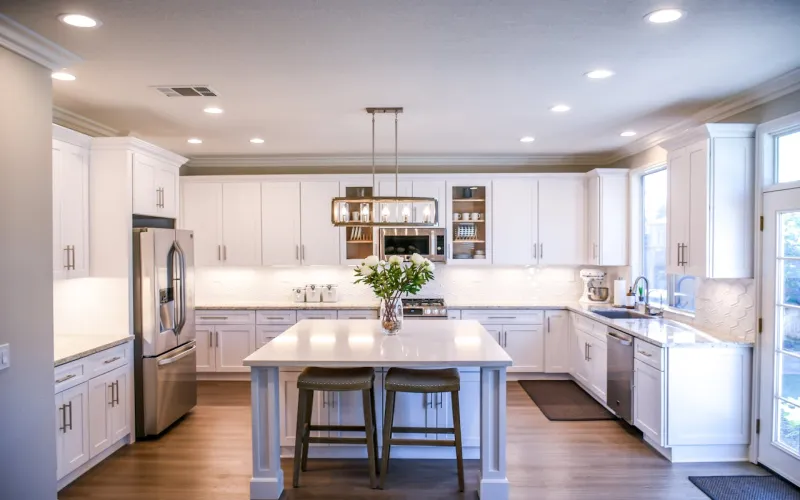
Contemporary color palettes are characteristically restrained but warm. The cool, stark white-and-gray interiors of the 2010s have given way to warmer, more nuanced neutral foundations.
Current contemporary neutrals:
Warm whites and greiges. The foundation of most contemporary interiors is a warm neutral - not the cool white of minimalism or the beige of traditional design, but a sophisticated middle ground. Think warm white walls with slight mushroom, linen, or stone undertones that create depth without color.
Warm grays and taupes. Gray hasn't disappeared from contemporary design, but it's warmed up considerably. Today's contemporary grays lean toward taupe, putty, and warm concrete tones rather than the cool blue-grays of a decade ago.
Earthy tones. Terracotta, clay, ochre, and warm sand tones have entered contemporary palettes as accent colors. These earth tones add warmth and connect contemporary spaces to natural materials and landscapes.
Accent approaches:
Contemporary design uses accent color strategically and sparingly. A single statement artwork might introduce the room's only bold color. A deep forest green or midnight blue accent wall creates drama without overwhelming. Textured materials - a natural wool rug, a linen sofa, a stone console - provide visual interest through surface variation rather than color contrast.
Material mixing - the contemporary signature:
Contemporary design excels at combining materials that create unexpected harmony. The key pairings in current contemporary interiors include:
- Natural wood + metal - warm wood surfaces with matte black or brushed brass hardware and frames
- Stone + soft textiles - marble or concrete surfaces softened by velvet, linen, or bouclé upholstery
- Handcrafted + precision-made - artisan ceramics alongside clean-lined furniture
- Organic + geometric - curved, natural forms balanced with architectural precision
The skill in contemporary material mixing is achieving contrast without conflict. Each material should enhance the others - the warmth of wood makes steel feel less cold; the precision of metal makes natural stone feel more textured.
Contemporary Furniture & Layout Principles
Contemporary furniture design in 2026 has moved beyond the strict minimalism of earlier decades. Current pieces are characterized by clean lines with subtle curves, quality construction, and visual lightness.
Furniture characteristics:
Clean lines with curves. The straight-edged, angular furniture of the 2010s has softened. Today's contemporary pieces incorporate gentle curves - rounded sofa edges, oval dining tables, arched headboards - while maintaining overall cleanliness of form. This shift toward organic shapes reflects a broader cultural desire for comfort and warmth in design.
Visual lightness. Contemporary furniture often sits on slim legs or pedestals, allowing visual space beneath. This creates a sense of openness and makes rooms feel larger. Heavy, floor-hugging furniture is avoided - pieces should appear to float or touch the ground lightly.
Quality over quantity. Contemporary spaces are selectively furnished. Each piece earns its place through both function and visual contribution. This means investing in fewer, better pieces rather than filling every corner. A beautifully crafted natural wood sideboard has more impact than three mediocre storage units.
Layout principles:
Open space is intentional. Contemporary layouts leave breathing room. Not every wall needs furniture against it. Not every surface needs objects on it. The open floor space and clear surfaces are as important as the furnished areas - they create the calm, uncluttered feeling that defines contemporary interiors.
Zones, not rooms. Contemporary design embraces open-plan living but creates distinct zones through furniture arrangement, area rugs, and lighting rather than walls. A sofa and rug define the living zone. A dining table and pendant light define the eating zone. Each zone has its own character while maintaining visual connection to the whole.
Flexible arrangements. Contemporary furniture often serves multiple functions and can be reconfigured. Modular sofas, nesting tables, and lightweight accent chairs allow the space to adapt to different needs - work during the day, entertaining in the evening, quiet reading on weekends.
Art as architecture. In contemporary interiors, art isn't decoration - it's a structural element that anchors the room. A single large-scale piece or a carefully curated arrangement can define a wall more powerfully than any furniture. Canvas art in natural themes brings organic warmth to contemporary spaces without disrupting their clean aesthetic.
Contemporary vs Modern Classic: A Clear Comparison
If contemporary design reflects the present moment, modern classic interior design captures the timeless. Understanding how these two approaches differ - and where they overlap - helps you create exactly the mood you want.
Philosophy:
Contemporary design asks: "What feels right for how we live now?" It embraces current cultural values, new materials, and evolving aesthetics. Modern classic design asks: "What has always worked?" It draws from proven design traditions, enduring proportions, and materials that have stood centuries of testing.
Color and tone:
Contemporary palettes shift with cultural trends - currently warm neutrals with earthy accents. Modern classic palettes are anchored by timeless combinations: navy and cream, charcoal and gold, forest green and white. Contemporary color choices might feel dated in a decade; modern classic choices rarely do.
Materials:
Contemporary design experiments with new material combinations and embraces current innovations. Modern classic design favors materials with centuries of proven elegance: marble, walnut, brass, velvet, and linen. There's significant overlap here - marble and wood appear in both - but the application differs. In contemporary design, marble might appear as a single dramatic slab; in modern classic, it's more traditionally proportioned.
Furniture forms:
Contemporary furniture follows current trends toward organic curves and visual lightness. Modern classic furniture references enduring silhouettes - Chesterfield-inspired sofas, cabriole legs, wingback chairs - updated with current proportions and materials. A contemporary sofa is fluid and low; a modern classic sofa has structure and defined arms.
Ornamentation:
Contemporary design uses minimal ornamentation, relying on material quality and form for visual interest. Modern classic design includes restrained decorative elements: crown molding, panel detailing, subtle pattern in fabrics and cushions, and decorative hardware. Both avoid excess, but modern classic has a higher tolerance for detail.
Which is right for you? If you enjoy refreshing your space as tastes evolve, contemporary gives you freedom. If you prefer investing in a look that won't need updating, modern classic offers that permanence. Many of the most successful interiors blend both: a contemporary layout with modern classic furniture, or a classic architectural shell with contemporary art and accessories.
Contemporary Design Room by Room
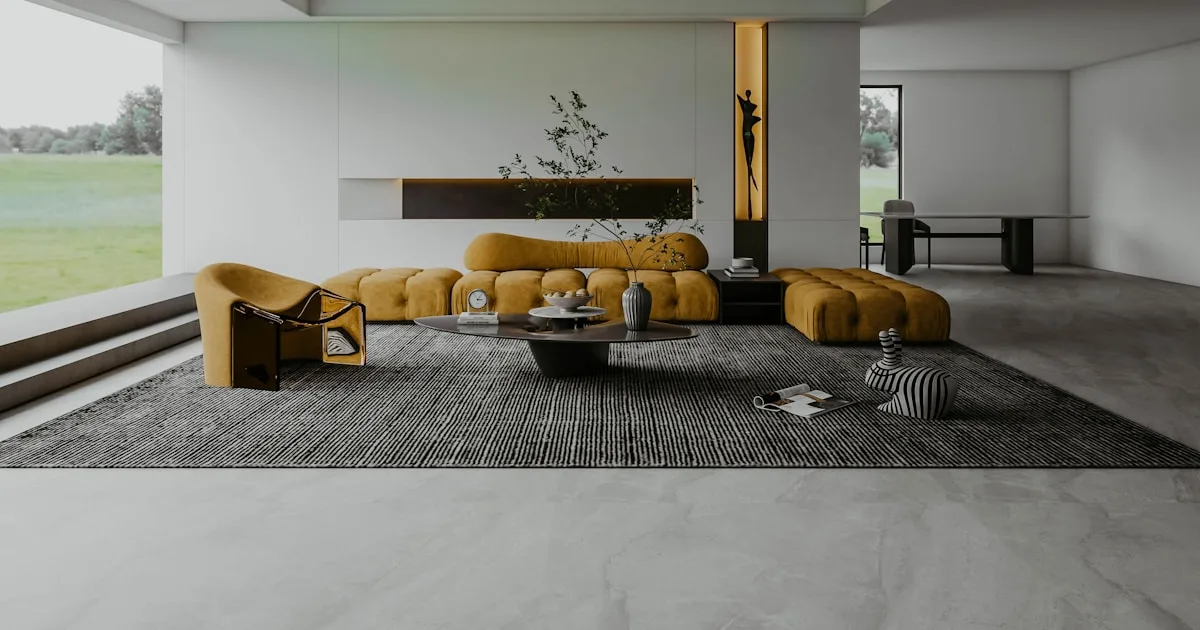
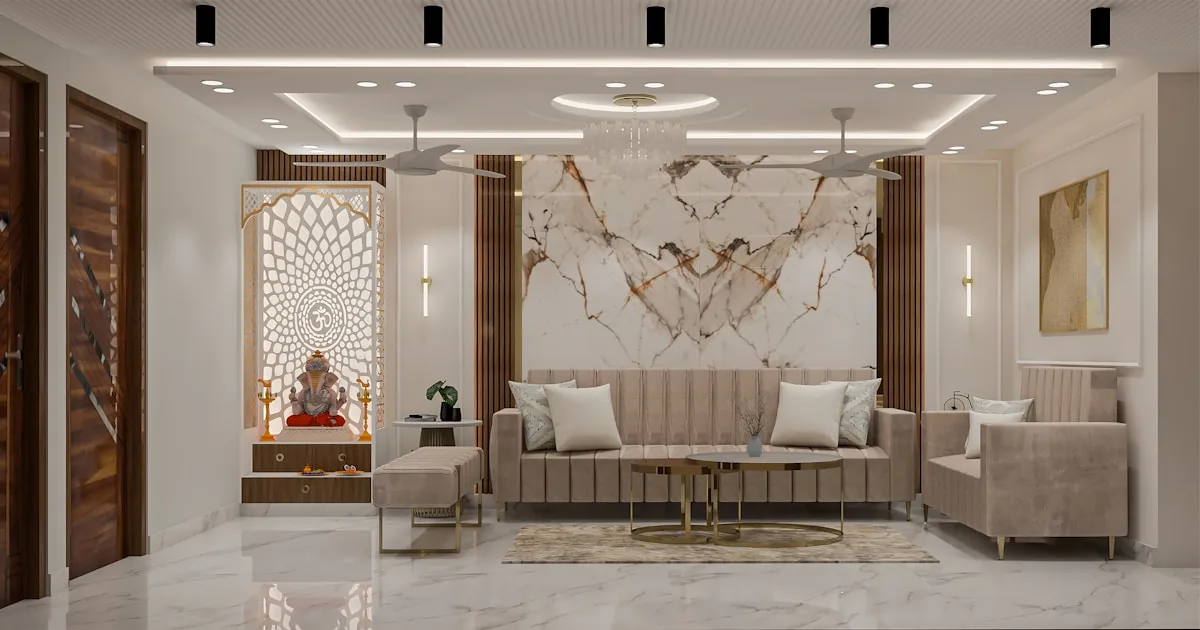
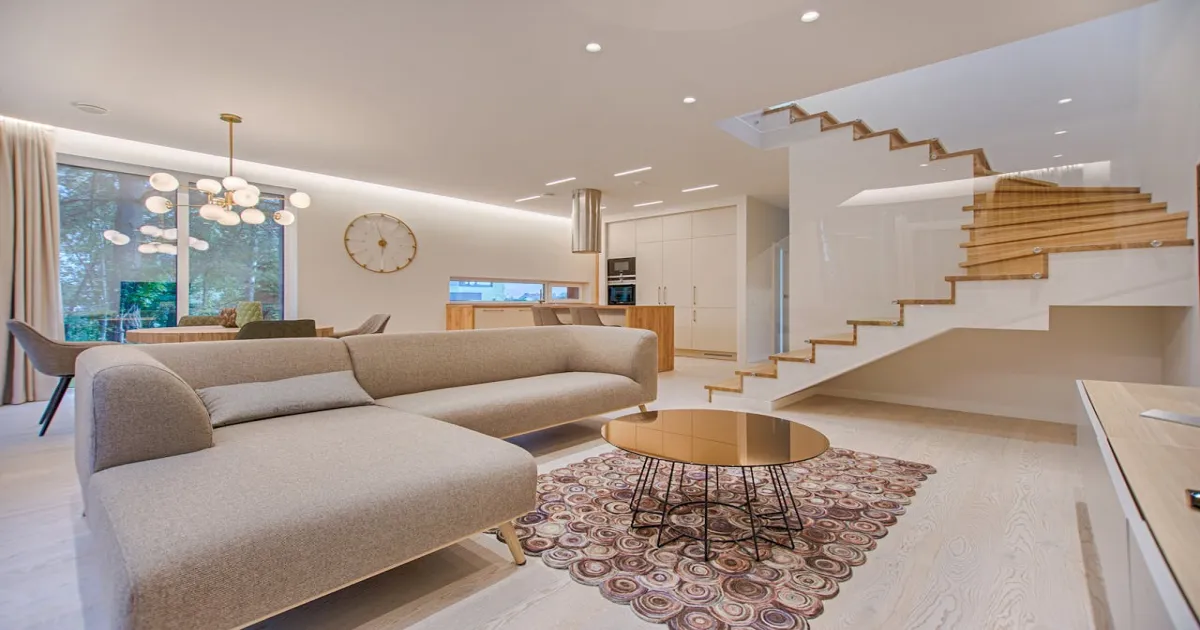
The living room. The contemporary living room is an exercise in curated calm. A low-profile sofa in a warm neutral upholstery anchors the space, paired with a sculptural coffee table (oval or organic-shaped, in natural stone or wood). One or two accent chairs add personality without cluttering the arrangement. A textured area rug defines the seating zone. Wall art is large-scale and carefully chosen. Lighting is architectural - a statement floor lamp or minimalist pendant rather than a table cluttered with decorative lamps.
The kitchen. Contemporary kitchens are clean-lined and hardware-minimal, with flat-panel or slab-door cabinetry in matte finishes. The material mixing principle shines here: natural stone countertops, matte black or brushed brass fixtures, open shelving displaying a curated selection of ceramics and glassware. Islands are large and serve as both workspace and casual dining. Color, if present, might appear in a single element - a deep blue island or a terracotta-toned splashback.
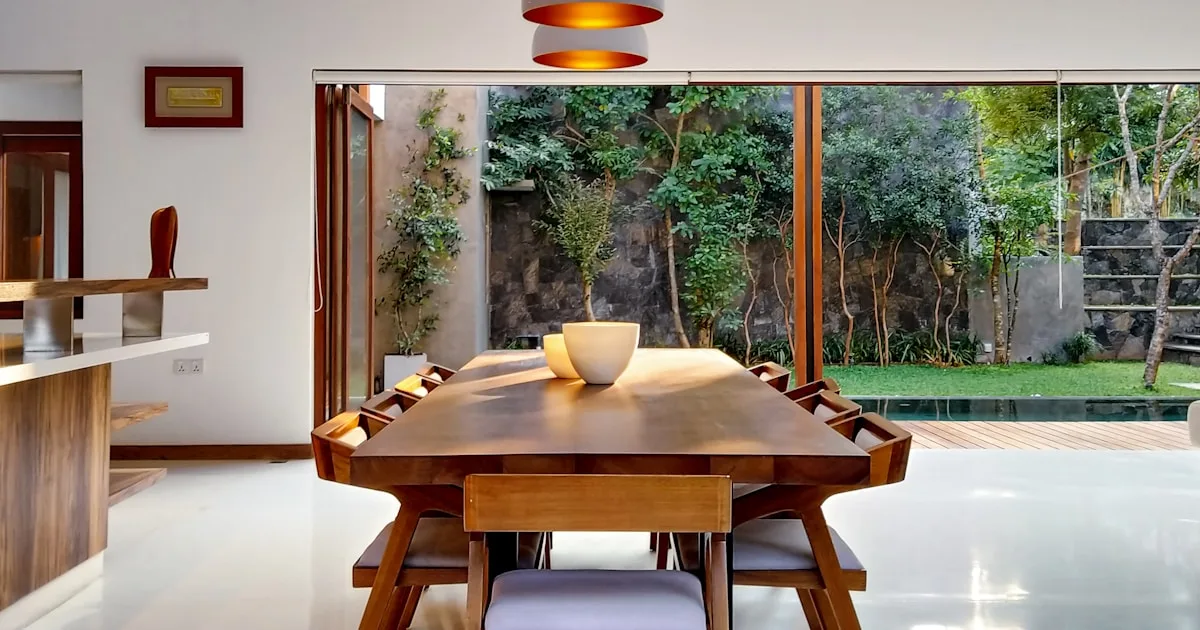
The dining room. An oval or rounded-rectangle dining table (the departure from strict rectangles is distinctly contemporary) in natural wood or a mixed-material design. Upholstered dining chairs in textured fabric provide comfort for extended meals. A statement pendant light defines the dining zone. A sideboard or credenza provides storage and display surface for sculptural objects. The table setting is simple but textured: stoneware plates, linen napkins, natural wood serving boards.
The bedroom. Contemporary bedrooms prioritize serenity. An upholstered bed frame with a gently curved headboard (rounded corners, not sharp geometry). Layered bedding in natural fibers - linen, cotton, wool - in tone-on-tone neutrals. Floating nightstands or slim, leggy side tables maintain visual lightness. Pendant lights or wall-mounted reading lights replace table lamps for a cleaner look. Art or a textured panel above the bed creates a focal point without visual noise.
The bathroom. Contemporary bathrooms are spa-influenced: large-format tiles (fewer grout lines = cleaner appearance), floating vanities, frameless glass shower screens, and natural stone or concrete surfaces. Warmth comes through wood accents, warm lighting, and textured organic towels and bath mats. The palette is typically monochromatic - different tones and textures of the same warm neutral family rather than contrasting colors.
2026 Contemporary Design Trends
Because contemporary design is always evolving, here's what defines the current moment and where it's heading.
Warm minimalism. The biggest shift in contemporary design is the move from cool, austere minimalism to warm minimalism - spaces that are just as uncluttered and thoughtfully edited, but with warmer materials (natural wood, handcrafted ceramics, textured textiles), warmer colors (replacing gray with taupe, stone, and clay tones), and a greater sense of human touch. This isn't the "cold" minimalism of stark white galleries - it's minimalism that feels like a warm embrace.
Biophilic integration. Living plants, natural wood, stone, and daylight management are no longer trends - they're expected elements of contemporary design. The current emphasis is on integration rather than decoration: biophilic elements woven into the architecture and material palette rather than added as afterthoughts.
Craft and artisan objects. Contemporary spaces increasingly feature handcrafted objects alongside precision-manufactured furniture. Hand-thrown ceramics, woven baskets, and artisan glassware provide the imperfection and human warmth that machine-made objects cannot. This trend reflects a broader cultural valuing of craft, sustainability, and individual expression.
Curved and organic forms. Rounded sofas, arched doorways, oval tables, and organic-shaped mirrors continue to soften contemporary interiors. These curves reference natural forms and provide visual relief from the rectangular geometry of screens, buildings, and urban environments. The curves are subtle and sophisticated rather than exaggerated.
Layered lighting. Contemporary lighting has moved beyond the single overhead fixture. Current approach layers ambient lighting (recessed, indirect), task lighting (under-cabinet, reading), and accent lighting (art spotlights, LED strips) to create atmosphere and flexibility. Sculptural pendant lights and floor lamps serve as both light source and design object.
Sustainable materiality. Contemporary design in 2026 takes sustainability seriously. Reclaimed wood, recycled metals, responsibly sourced natural materials, and locally produced furnishings are not add-on considerations but core to material selection. The contemporary space should feel good not just aesthetically but ethically.
Multifunctional spaces. The legacy of remote work has permanently changed contemporary design. Living rooms incorporate work zones. Kitchens serve as both cooking and meeting spaces. Bedrooms need quiet corners for focus. Contemporary furniture and layout respond to this reality with flexible, multi-purpose arrangements rather than single-function rooms.
Contemporary interior design offers the freedom to create spaces that feel authentically of-the-moment without being slaves to fleeting trends. Its core principles - clean lines with warmth, sophisticated material mixing, curated rather than cluttered, and quality over quantity - provide a framework that adapts to your personal taste and evolving needs.
The best contemporary interiors feel effortless: calm without being cold, edited without being empty, current without trying too hard. They reflect how their inhabitants actually live - with spaces for work and rest, for solitude and gathering, for art and for the everyday objects that make a house a home.
Start building your contemporary space with architectural lighting, artisan ceramics for sculptural accent, statement art, and textured natural rugs that bring warmth to clean-lined contemporary foundations.
Frequently Asked Questions
Enjoyed this guide?
Share it with someone who'd find it useful