Mexican interior design is one of the world's most visually exhilarating design traditions - a living tapestry woven from pre-Columbian artistry, Spanish colonial architecture, and the unmistakable creative spirit of Mexican culture. Where many design styles whisper, Mexican design sings: in the cobalt blue of a hand-painted Talavera basin, the warm terracotta of a sun-baked courtyard, the intricate carvings of a mesquite wood door, and the electric pink of a bougainvillea draped over a lime-washed wall.
But Mexican interior design is far more than bold color. At its heart, it's a celebration of artisan craftsmanship - the blown glass, the hand-loomed textile, the hammered tin mirror frame, the carved wooden saint. Every element in a traditional Mexican interior carries the mark of a human hand, connecting the home to generations of makers and the rich cultural heritage they sustain.
This guide explores how to bring the warmth, color, and artisan soul of Mexican interiors into your own home - whether you're committing fully to hacienda style or weaving individual Mexican elements into a contemporary space.
What Is Mexican Interior Design?
Mexican interior design is a layered tradition shaped by three major influences. Pre-Columbian heritage contributes geometric patterns, bold symmetry, earthy natural materials, and a deep connection to the land. Spanish colonial architecture introduced arched doorways, interior courtyards, wrought iron, and Moorish-influenced tile work. And contemporary Mexican creativity - from the bold palette of Frida Kahlo to the minimalist concrete of Luis Barragán - continues to push the tradition forward.
Core characteristics of Mexican interiors:
- Bold, saturated color - cobalt blue, terracotta orange, sunshine yellow, hot pink, jade green, and deep crimson used fearlessly on walls, furniture, and textiles
- Handcrafted Talavera tile - hand-painted ceramic tiles in intricate blue-and-white or multicolor patterns, used on floors, walls, staircase risers, kitchen backsplashes, and as decorative accents
- Carved and turned wood - mesquite, pine, and parota wood fashioned into heavy dining tables, ornate doors, ceiling beams (vigas), and decorative furniture with visible tool marks
- Wrought iron - balcony railings, window grilles, chandeliers, candelabras, and furniture frames in hand-forged ironwork
- Textured walls - lime-washed plaster, adobe, and stucco in warm earth tones or vivid accent colors, creating walls that feel alive with surface variation
- Open-air living - interior courtyards, covered terraces (portales), and rooftop spaces that blur the line between indoors and out
What makes Mexican design distinct from other warm, artisan-focused traditions is its fearlessness with color. While Mediterranean interiors tend toward muted earth tones with occasional blue accents, Mexican interiors embrace the full spectrum - and make it work through the grounding effect of heavy wood, raw stone, and handcrafted texture.
The Mexican Color Palette: From Terracotta to Cobalt
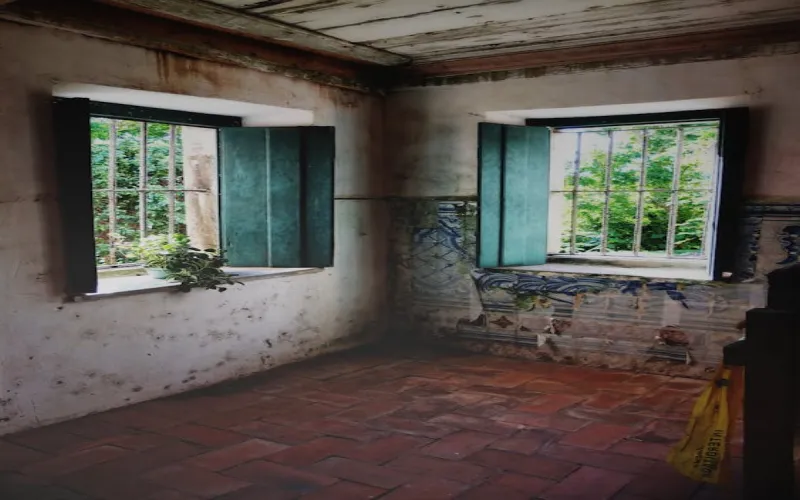
Color is the heartbeat of Mexican interior design. The palette draws from the Mexican landscape, culture, and artistic tradition - and it's far bolder than most Western design conventions suggest.
Earth foundation colors:
Terracotta and burnt sienna. The warm, baked-earth tones that ground every Mexican interior. Terracotta appears naturally in clay tile floors, unglazed pottery, and adobe walls. It provides the warm foundation that prevents brighter accent colors from feeling chaotic. Use terracotta in flooring, earthenware vases, and wall color for a warm, enveloping effect.
Warm white and cream. Mexican whites are never cool or sterile - they're the warm, slightly golden tone of lime-washed plaster, which develops depth and variation as it ages. These warm neutrals provide breathing space between areas of bold color.
Sand and adobe. The natural color of dried earth and raw adobe brick - a warm, golden neutral that connects the interior to the arid landscape outside.
Signature accent colors:
Cobalt blue. Perhaps the most iconic Mexican accent color, drawn from traditional Talavera tile and the deep blue of colonial-era buildings in cities like Puebla and Oaxaca. Use it on a feature wall, in hand-painted tile, in ceramic accessories, or in textiles like cushion covers and throws.
Sunshine yellow and marigold. Inspired by the cempasúchil (marigold) flower central to Mexican culture, these golden yellows bring warmth and joy. Use them in painted doors, cushion fabrics, and ceramic glazes.
Hot pink and magenta. Drawn from bougainvillea and Mexican folk art, these vibrant pinks appear as accent walls, in woven textiles, and in decorative objects. They pair beautifully with terracotta and cobalt blue.
Jade green and forest green. From the lush vegetation of tropical Mexico, green provides a natural complement to warm earth tones. Use it in painted furniture, tiles, and living plants.
Deep crimson red. A color with deep cultural significance, appearing in traditional textiles, painted wooden furniture, and folk art. Use it sparingly as a powerful accent against neutral walls.
The key to making bold Mexican colors work is balance: typically one or two walls in a saturated color, with the rest in warm white or earth tones. Heavy wood furniture and natural materials provide visual weight that anchors the color. And the artisan quality of the materials - the slight unevenness of hand-painted tile, the variation in hand-dyed fabric - prevents the palette from feeling flat or artificial.
Materials & Craftsmanship: The Artisan Soul
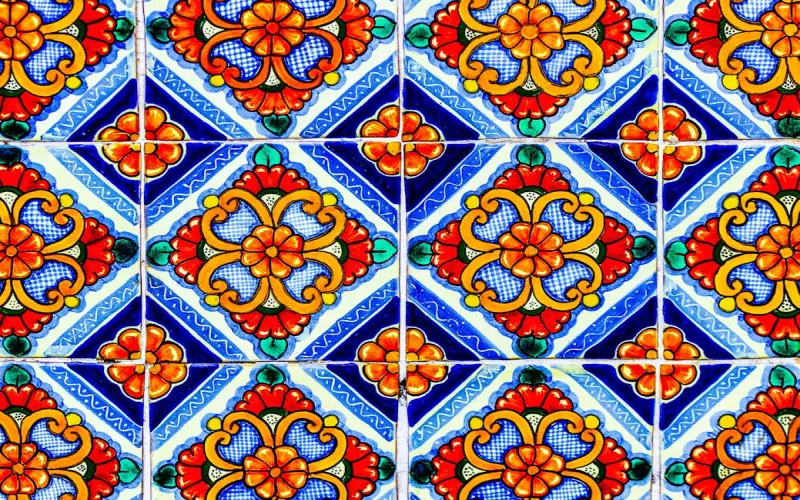
Mexican interior design is fundamentally a celebration of handcraft. Every material tells a story of the maker, the region, and the tradition it comes from.
Talavera tile. Originating in Puebla and inspired by Spanish and Moorish ceramic traditions, Talavera tile is the crown jewel of Mexican interior materials. Authentic Talavera is hand-painted with natural mineral pigments onto hand-formed clay tiles, then kiln-fired. The classic blue-and-white patterns are most iconic, but multicolored designs in yellow, green, orange, and black are equally traditional. Use Talavera on kitchen backsplashes, bathroom walls, staircase risers, tabletops, and as decorative accent panels.
Carved wood. Mexican woodworking traditions produce furniture of extraordinary character. Mesquite, pine, and parota wood are carved, turned, and jointed into heavy dining tables, ornate armoires, rustic benches, and decorative doors. The best Mexican wood furniture has visible tool marks, hand-turned legs, and iron hardware - it looks and feels like it was made by a person, not a machine. Carved wooden stools make excellent accent pieces that bring this craft tradition into any room.
Blown glass. Mexican glass-blowing, particularly from Tonalá and Guadalajara, produces distinctive bubble-textured glasses, pitchers, and decorative pieces in cobalt blue, green, and amber. These functional art objects bring color and artisan character to kitchen and dining spaces.
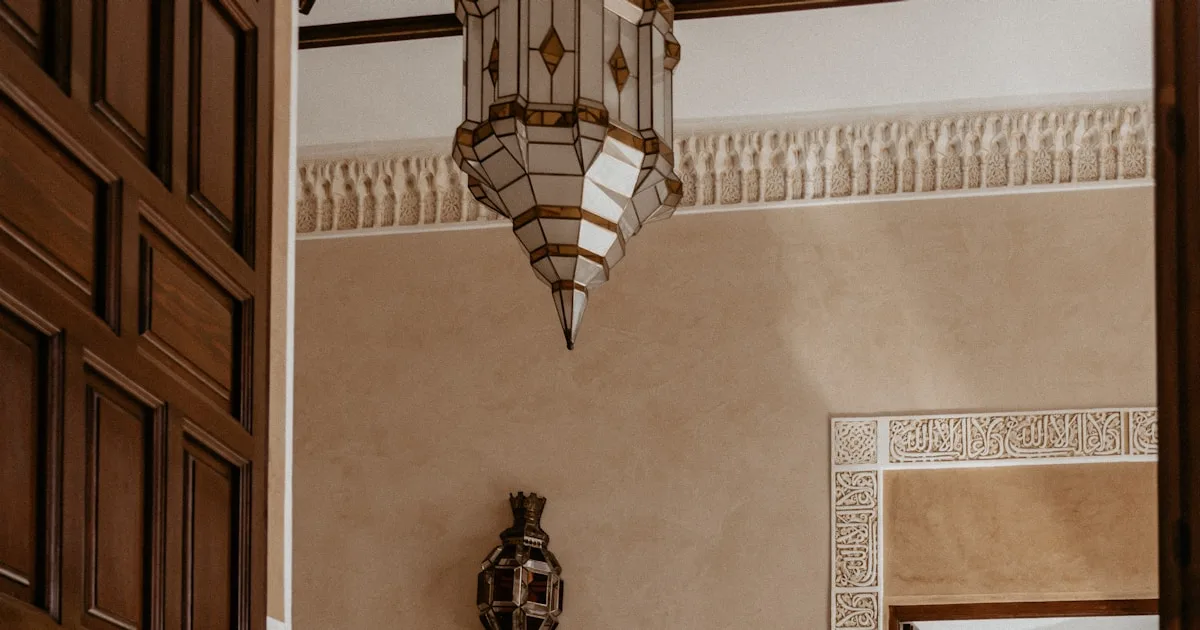
Hammered tin and wrought iron. Metalwork is integral to Mexican interiors. Hammered tin frames for mirrors and religious art, tin star-shaped ceiling lights (estrellas), and wrought iron chandeliers, candelabras, and furniture frames add architectural detail and warm, reflective surfaces.
Woven textiles. From the backstrap-loomed fabrics of Oaxaca to the embroidered textiles of Chiapas, Mexican weaving traditions produce richly patterned runners, cushion covers, blankets, and wall hangings. These handwoven textiles add layers of color, pattern, and cultural meaning to any space.
Clay and ceramic pottery. Beyond Talavera, Mexico produces an extraordinary range of pottery - black clay (barro negro) from Oaxaca, burnished red clay from Tonalá, green-glazed ware from Michoacán, and Tree of Life sculptural candelabras from Metepec. Display these handcrafted ceramics on open shelves, sideboards, and mantels.
Hacienda Style: The Grand Tradition
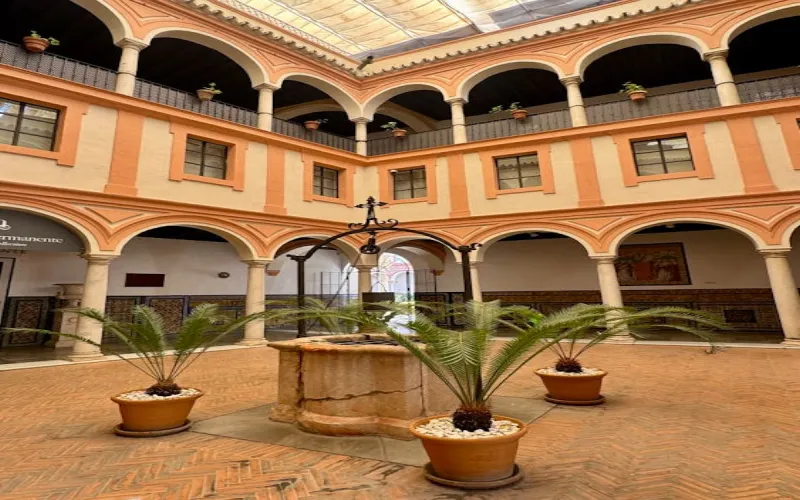
The hacienda - the great estate house of colonial Mexico - represents Mexican interior design at its most architecturally ambitious. While few of us live in actual haciendas, the style's principles translate powerfully to modern homes.
Architectural elements of hacienda style:
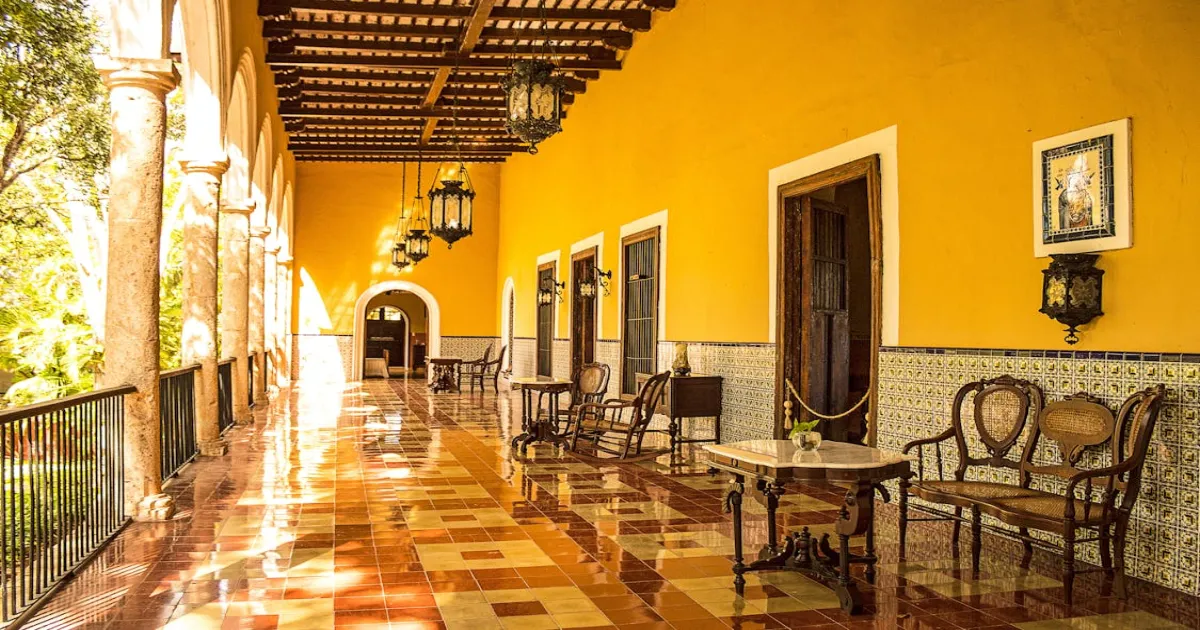
Arched doorways and colonnades. Rounded arches are the signature architectural element of hacienda interiors, creating flowing transitions between rooms and framing views like paintings. In a modern home, a single arched doorway or mirror with an arched frame can evoke the entire hacienda aesthetic.
Exposed wooden beams (vigas). Heavy, hand-hewn ceiling beams spanning the width of rooms are both structural and decorative. They add warmth, visual weight, and historical character. If you have exposed beams, celebrate them; if not, consider adding decorative beams to key rooms.
Interior courtyards. The courtyard is the heart of the hacienda - an outdoor room surrounded by covered walkways (portales) where family life unfolds. Fountains, potted plants, and seating make the courtyard a living space rather than mere passage. Even a small enclosed patio can capture this courtyard spirit.
Stone and tile floors. Hacienda floors are typically terracotta tile, large-format stone (cantera), or a combination of both, often with decorative tile insets at doorways and in focal areas. These natural stone and clay floors stay cool in Mexico's heat and develop beautiful patinas over decades of use.
Thick walls and deep window reveals. Traditional adobe and stone construction creates walls two feet thick or more, with deep window openings that become display shelves, reading nooks, or seats. This architectural mass creates natural climate control and a feeling of solidity and permanence.
Adapting hacienda style to a modern home: Focus on the elements that create the atmosphere rather than literal replication. An arched mirror over a console table. A heavy wooden dining table with iron hardware. Terracotta-colored walls in the entry. Wrought-iron-style candle holders. A cluster of potted plants creating a "courtyard corner" in your living room. The hacienda feeling comes from weight, warmth, craft, and the interplay of indoor and outdoor living - all achievable without adobe walls.
Mexican Design Room by Room
The kitchen. The Mexican kitchen is the home's creative center - a place of color, aroma, and gathering. A Talavera tile backsplash is the defining feature, paired with wooden open shelving displaying colorful pottery, blown glass, and cooking implements. A heavy wooden preparation table, hand-painted ceramic sink, and collections of molcajetes (stone mortars) and clay cookware complete the picture. Add ceramic containers for utensils, herbs in terracotta pots, and a string of dried chilis for authentic character.
The living room. Layer warmth and color through textiles and craft objects. Deep-seated sofas in warm neutrals serve as the foundation, layered with hand-embroidered cushions in vibrant colors. A hand-carved mesquite coffee table, a woven rug in geometric patterns, and ceramic and blown-glass objects on every surface create the collected, artisan atmosphere. Wrought iron or tin pendant lights provide warm ambient lighting. A bold accent wall in cobalt blue or deep terracotta sets the mood.
The dining room. A massive wooden table is non-negotiable - heavy, hand-made, ideally with visible joinery and iron hardware. Surround it with leather-and-wood chairs or painted wooden chairs in bright colors. A wrought iron chandelier overhead. The table setting itself is part of the design: hand-painted Talavera plates, blown glass tumblers, woven table runners, and clay serving bowls. Display a collection of ceramic pitchers or pottery on a sideboard or open shelving.
The bedroom. Create a sanctuary that balances Mexican warmth with restfulness. A carved wooden or wrought-iron bed frame, white cotton bedding with a hand-embroidered coverlet in rich colors, and a woven rug on tile floors. Tin-framed mirrors, natural candles on carved wooden nightstands, and perhaps a single painted accent wall in a warm, deep tone - burnt orange, terracotta, or dusty rose rather than the bolder colors used in living spaces.
The bathroom. Talavera tile is the star here - use it generously on walls, floors, or as a decorative border. A hand-painted ceramic basin, hammered copper or tin mirror frame, and iron towel bars complete the Mexican character. Terracotta floor tiles, lime-washed walls, and natural stone surfaces provide the warm, textured backdrop. Even in a modern bathroom, a single panel of authentic Talavera tile transforms the entire room.
The outdoor space. Mexican living is outdoor living. Furnish your terrace or patio with equipale chairs (traditional pigskin-and-wood seating), a tile-topped table, potted plants in large clay vessels, and decorative lanterns or string lights for evening ambiance. Trailing bougainvillea, potted cacti and succulents, and a small fountain complete the Mexican outdoor room.
Mexican vs Mediterranean: Understanding the Differences
Mexican and Mediterranean (casa) interior design share common roots in Spanish colonial architecture, but they've evolved into distinctly different aesthetics. Understanding these differences helps you choose the right direction - or blend elements intentionally.
Color intensity. This is the most immediate difference. Mediterranean interiors favor muted, sun-bleached earth tones with occasional blue accents. Mexican interiors embrace full-spectrum, saturated color - cobalt, magenta, sunshine yellow, jade green - applied fearlessly to walls, furniture, and textiles. Mediterranean design whispers; Mexican design celebrates.
Pattern and ornamentation. Mediterranean interiors tend toward simplicity and restraint in decoration. Mexican interiors embrace pattern and ornament enthusiastically - Talavera tile patterns, embroidered textile motifs, carved wood details, and painted furniture create a rich, layered visual experience that's central to the aesthetic.
Craft traditions. While both traditions value handcraft, Mexican artisan traditions are more diverse and more visually expressive. Blown glass, Talavera ceramics, tin work, back-strap loom weaving, bark paper painting, carved wooden animals (alebrijes) - Mexican craft traditions add a layer of folk art and cultural storytelling that Mediterranean interiors don't typically include.
Cultural references. Mediterranean design references classical European architecture and the cultures of the sea. Mexican design references pre-Columbian civilizations, colonial-era fusion, Catholic folk art, and the bold artistic legacy of figures like Frida Kahlo and Diego Rivera. These cultural layers give Mexican interiors a narrative depth and identity that goes beyond aesthetics.
Where they overlap: terracotta flooring, warm plaster walls, courtyard living, wrought iron details, and a shared commitment to natural materials and indoor-outdoor flow. If you love the warmth of casa-style design but want more color and cultural expression, Mexican interiors offer exactly that amplification.
Can you blend them? Absolutely. Many beautiful interiors combine Mediterranean architecture with Mexican decorative elements - Talavera tile in a Mediterranean kitchen, Mexican textiles on Tuscan-style furniture, a bold Mexican color palette in a space with Spanish colonial arches. The shared Spanish influence creates natural harmony between the two traditions.
Mexican interior design offers something rare in the design world: an aesthetic that is simultaneously bold and warm, ornate and grounded, vibrant and deeply rooted in centuries of living tradition. It's a style that refuses to play it safe with color, that celebrates the human hand in every material, and that understands homes as places for gathering, celebration, and connection to culture.
Whether you're transforming an entire home in hacienda style or simply introducing Mexican elements - a Talavera tile backsplash, hand-embroidered cushions, a collection of blown glass - the artisan spirit of Mexican design enriches any space. Start with what speaks to you: perhaps handcrafted ceramics for display, woven textiles for warmth and pattern, natural candles for ambient lighting, or carved wooden stools that bring authentic craft into your everyday.
The beauty of Mexican interior design lies in its generosity - with color, with pattern, with craft, with hospitality. Let that generosity inspire your own home.
Frequently Asked Questions
Enjoyed this guide?
Share it with someone who'd find it useful