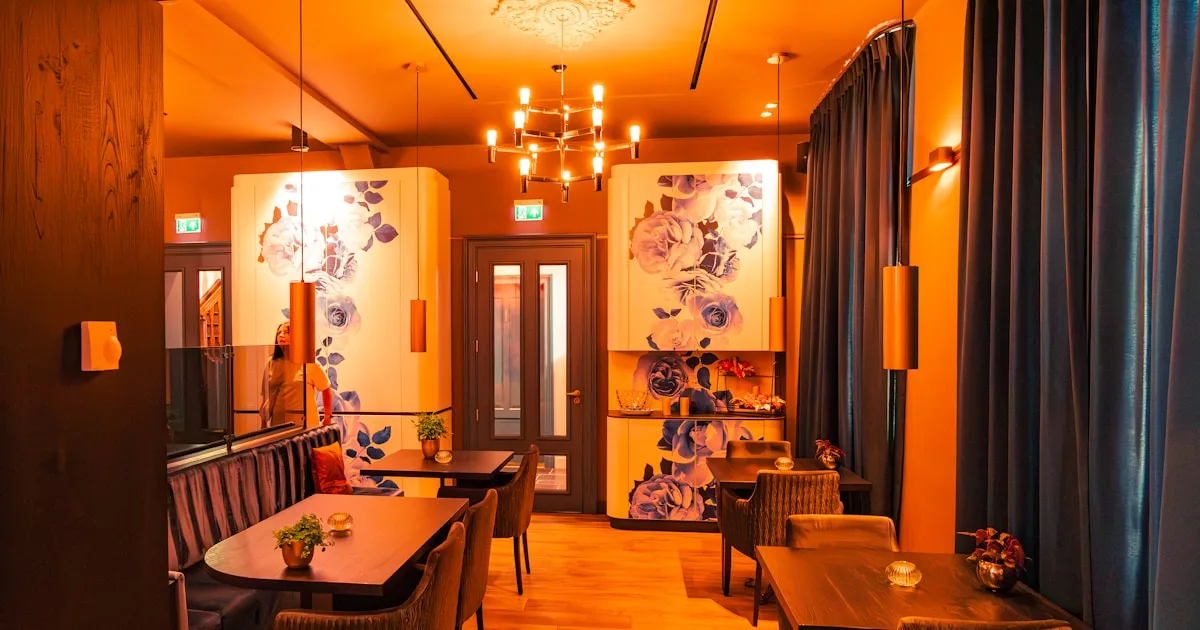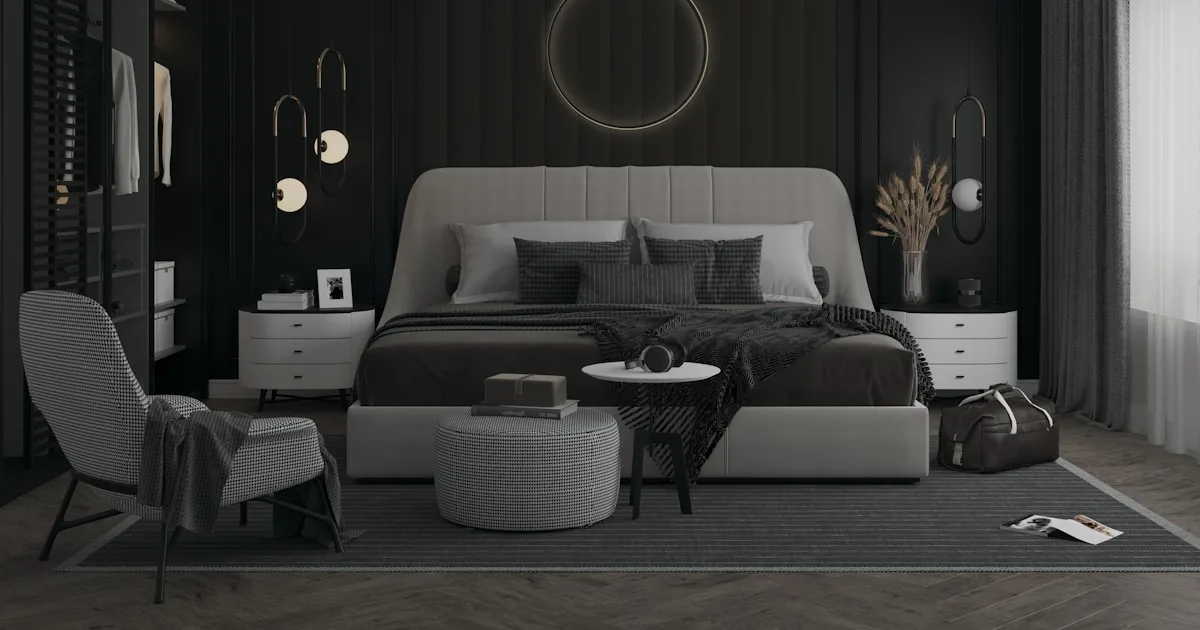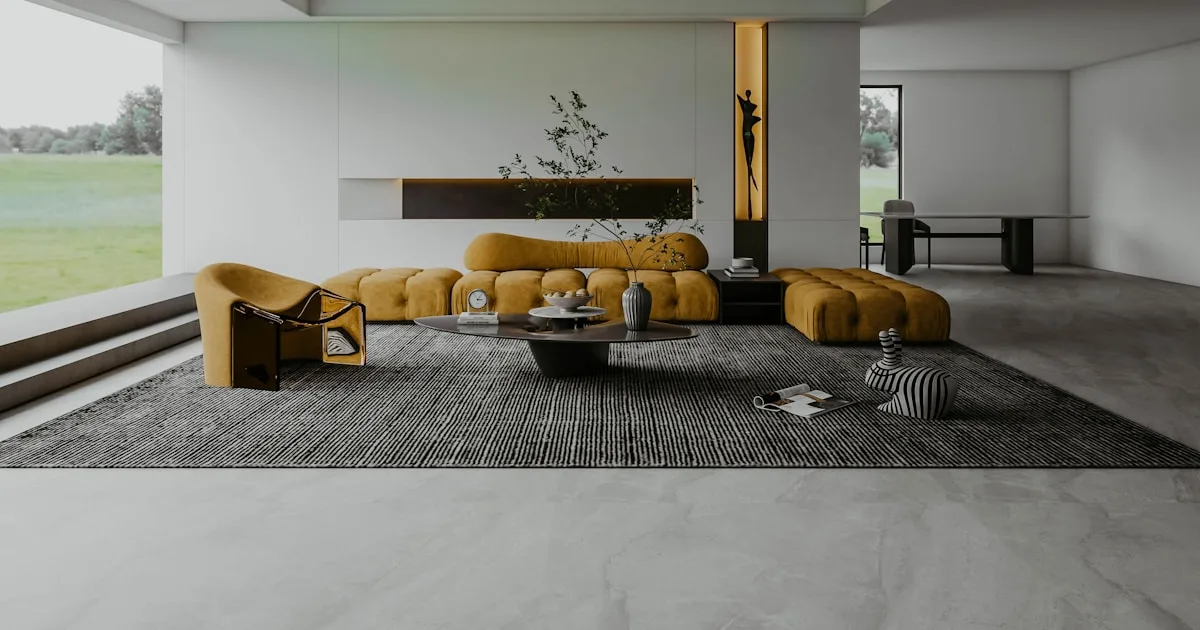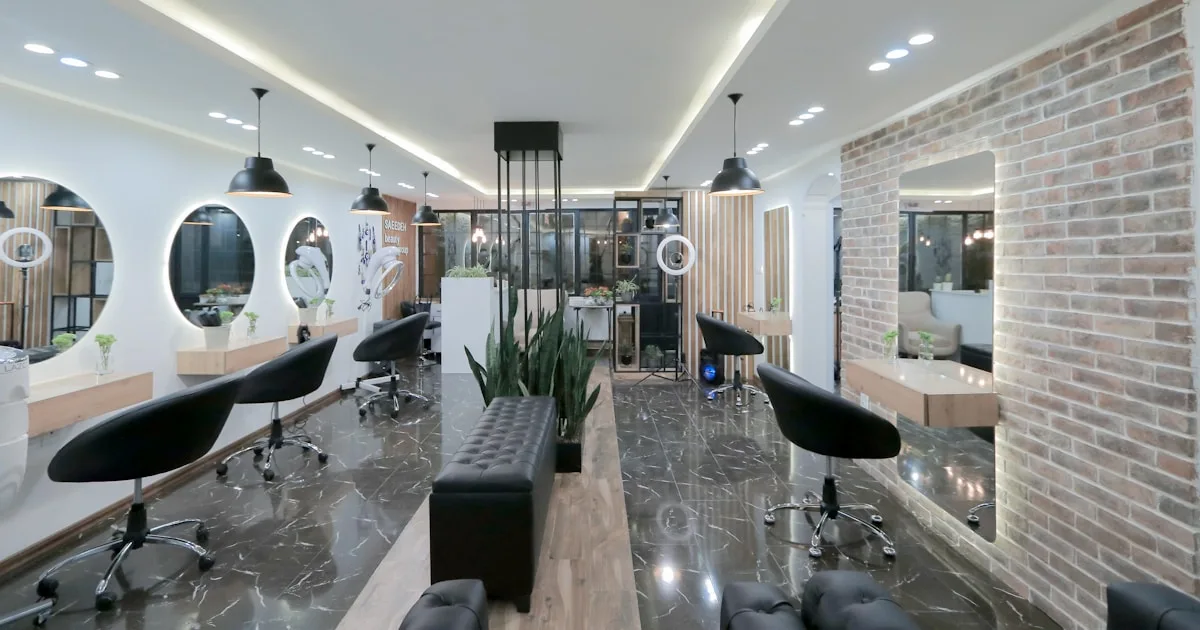
The interior design of a beauty or nail salon is not just decoration - it's your most powerful marketing tool. Before a client ever sits in your chair, the space has already told them a story about your brand, your quality, and the experience they're about to receive. A well-designed salon builds trust, commands higher prices, generates social media content, and keeps clients coming back.
The good news? Creating a stunning salon interior doesn't require an unlimited budget. Whether you're opening a luxury nail studio or launching a beauty salon on a tight budget, the principles of great salon design are the same. It's about understanding what clients need to feel - pampered, valued, relaxed, and excited - and designing every element to deliver that feeling.
In this guide, we cover the complete arc of salon interior design: from client flow and station layout to lighting, materials, and the small details that create an unforgettable experience. We include specific strategies for both high-end and low budget beauty salon interior design, because exceptional design is about smart choices, not just big spending.
Designing the Client Experience
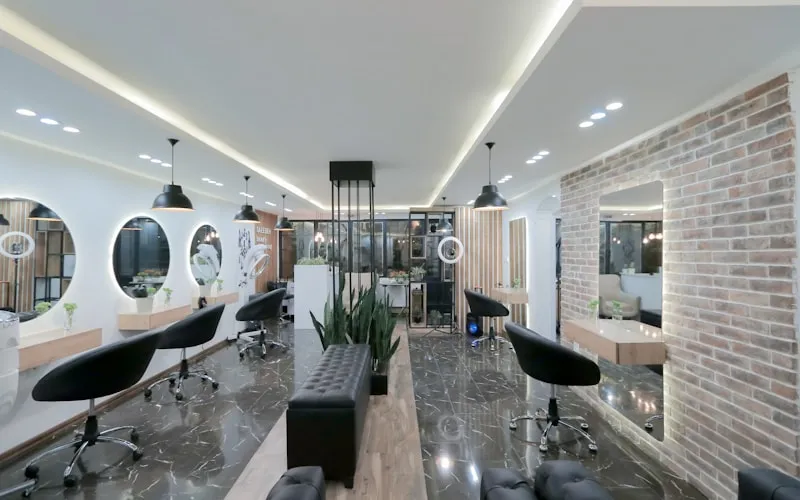
The most effective salon designs start not with aesthetics but with experience. Before choosing a single color or material, map out every moment of the client journey - from the moment they see your storefront to the moment they leave.
The approach and entrance. Your storefront and entrance set expectations. A clean, well-lit facade with clear branding, an inviting door (open it wide on nice days), and a glimpse of the beautiful interior through windows all draw clients in. The transition from street to salon should feel like stepping into a different world - calmer, warmer, more beautiful.
Reception and waiting. The first interior touchpoint is reception. Clients should immediately feel welcomed, oriented, and comfortable. A clean reception desk with friendly staff, a comfortable waiting area with current magazines and perhaps a beverage service (water, tea, coffee), and clear sightlines into the salon all reduce first-visit anxiety and communicate professionalism.
The service experience. The station or treatment area is where the core experience happens. Everything here should support both the technician's efficiency and the client's comfort: good lighting, comfortable seating, convenient surfaces for drinks and phones, and a visual environment that's engaging without being distracting.
Retail and upsell. A thoughtfully placed retail display - visible during the service or positioned along the exit path - creates natural opportunities for product sales without aggressive selling. Beautiful display fixtures in natural materials make products look appealing and giftable.
The exit and afterglow. How a client feels as they leave determines whether they book again. A well-organized checkout area, a parting compliment, and a beautiful space to admire their new nails or hair in good lighting sends them out feeling fantastic. Design the exit path past a well-lit mirror for this final moment of satisfaction.
Salon Layout & Client Flow
The layout of your salon determines how efficiently you work and how comfortably your clients experience the visit. A good salon layout feels natural and intuitive - clients know where to go without being told, and staff can move between stations without bottlenecks.
Linear flow vs. hub layout. The two most common salon layouts are linear (stations arranged along walls or in rows) and hub (stations radiating from a central service area). Linear layouts are simpler and work well in narrow spaces. Hub layouts are more social and efficient for staff who share supplies. Choose based on your space dimensions and service style.
Station spacing. This is where many salons cut corners, and clients suffer. Nail stations need a minimum of 120cm (4 feet) of width per client. Hair stations need 150cm (5 feet). These minimums ensure privacy, comfort, and safe working distance. Cramming in extra stations to increase capacity always backfires - clients feel crowded and rushed, leading to lower satisfaction and fewer return visits.
Separation of services. If your salon offers multiple services (nails, hair, facials, waxing), create distinct zones for each. This serves both practical purposes (ventilation for nail chemicals, privacy for waxing) and experiential ones (each zone can have its own ambiance and character). Use partial walls, shelving dividers, or curtains to create separation without breaking the open, social feel.
Staff efficiency paths. Design the layout so staff can access supplies, storage, and back-of-house areas without walking through the client experience. A service corridor or efficient back-of-house access reduces the visible "busyness" that can make a salon feel chaotic rather than serene.
The waiting area. Position the waiting area with a view into the salon but slightly separated from the active service areas. This lets waiting clients anticipate their experience (building excitement) without feeling like they're in the way. Comfortable seating, good lighting, and something to look at or read are essentials. Rattan accent chairs add warmth and visual interest that distinguish your waiting area from a generic lobby.
Salon Lighting: The Make-or-Break Element
Lighting is the single most critical design element in a beauty salon. It affects how services are performed, how results look, how clients feel, and whether your space photographs well for social media. Get the lighting right and everything else works harder; get it wrong and even the most beautiful decor falls flat.
Task lighting at stations. Every service station needs dedicated task lighting with a Color Rendering Index (CRI) of 90 or above. High-CRI lighting renders colors accurately - essential for nail technicians matching polish colors, colorists evaluating hair tone, and makeup artists achieving accurate application. Without high-CRI lights, colors look different in the salon than they do in natural light, leading to disappointed clients.
Color temperature strategy. Use a consistent color temperature throughout the salon - 3500K to 4000K is ideal. This range is warm enough to be flattering (making skin look healthy and glowing) while cool enough to provide accurate color rendering. Avoid the two extremes: very warm light (under 3000K) makes colors inaccurate; very cool light (over 5000K) makes skin look sallow and the space feel clinical.
Ambient lighting for atmosphere. Beyond task lighting, layer ambient lighting to create the overall atmosphere. Pendant lights and decorative fixtures above the reception and waiting areas create a warm, inviting entry experience. Wall sconces in service areas add depth and visual warmth. Cove lighting (hidden LED strips in ceiling or wall details) provides beautiful, diffused background light.
Natural light is your ally. Maximize daylight through windows - natural light is the most flattering light for beauty services and the most accurate for color work. Position nail and color stations near windows when possible. Use sheer curtains or frosted film to diffuse harsh direct sunlight while maintaining the soft, even daylight that makes skin and colors look their best.
Selfie lighting matters. Clients photograph their nails, hair, and lashes to share on social media - and those photos are free advertising for your salon. Create at least one "selfie station" with ring-light-quality illumination and an attractive background. Some salons dedicate a small area with perfect lighting, a branded backdrop, and perhaps a cute prop for post-service photos.
Dimmable evening settings. If your salon operates into evening hours, the ability to dim lights and shift to warmer tones creates a more relaxed, spa-like atmosphere that distinguishes evening appointments from the bright efficiency of daytime service.
Materials: Beauty That Endures
Salon materials must do double duty: look beautiful and withstand daily punishment from chemicals, moisture, heavy foot traffic, and constant cleaning. Here's how to choose materials that satisfy both demands.
Flooring. The floor takes the most abuse in any salon. Choose materials that resist stains, moisture, and chemical spills while being comfortable to stand on for hours. Luxury vinyl tile (LVT) in wood or stone patterns offers the best balance of durability, comfort, and aesthetics. Polished concrete with area rugs in waiting zones is another excellent choice. Avoid genuine hardwood (too vulnerable to chemical damage) and ceramic tile (hard on feet and slippery when wet).
Walls. Use washable paint in a satin or semi-gloss finish for easy cleaning. Accent walls in natural materials - wood paneling, textured plaster, or decorative tile - add visual interest and brand character. If you're on a tight budget, a single accent wall in a bold color or interesting texture has more impact than expensive treatments on all four walls.
Countertops and work surfaces. Quartz and solid surface materials (like Corian) resist stains, chemicals, and scratches while looking luxurious. For a more natural, artisan feel, sealed natural stone or treated butcher block work well. At nail stations specifically, a smooth, non-porous surface that clients can comfortably rest their hands on for extended periods is essential.
Furniture materials. Choose furniture upholstered in commercial-grade vinyl or leather that can be wiped clean between clients. Frame materials should be durable - metal, solid wood, or commercial-grade rattan. Avoid fabric upholstery on client seating (absorbs chemicals and is impossible to keep hygienically clean) and thin plywood (breaks down quickly under commercial use).
Natural material accents. While durability drives primary material choices, accent pieces in natural materials add the warmth and character that distinguish a beautiful salon from a clinical one. Woven baskets for retail display, ceramic vases with fresh flowers, wooden shelving units, and handcrafted accessories - these natural elements can be placed in areas that don't face direct chemical exposure, adding soul to the durable shell.
Low Budget Beauty Salon Interior Design
You don't need a massive budget to create a salon that looks expensive and feels special. Low budget beauty salon interior design is about strategic spending: investing in what matters most and getting creative with everything else.
Spend on lighting, save on everything else. If you have a limited budget, allocate the largest portion to lighting. Good lighting makes inexpensive furniture look better, cheap paint look richer, and the overall space feel more polished. A salon with IKEA furniture and excellent lighting will always look better than a salon with expensive furniture and fluorescent tubes.
Paint is your cheapest transformation. A fresh coat of paint in a well-chosen color completely transforms a space for very little money. Choose one wall as an accent - a deep, rich color or a warm earth tone - and keep the rest neutral. This creates drama and character without the cost of premium materials throughout.
DIY accent wall. Peel-and-stick wallpaper, simple wood slat panels, or even framed fabric panels create high-impact accent walls at a fraction of the cost of professional wall treatments. YouTube tutorials abound for salon-specific DIY wall ideas that look far more expensive than they are.
Second-hand with strategy. Vintage and second-hand furniture can create a unique, character-rich salon aesthetic at a fraction of retail cost. Look for solid-wood furniture at estate sales, metal shelving at industrial surplus stores, and decorative mirrors and frames at thrift shops. Repainting or refinishing second-hand pieces in your brand colors unifies disparate items into a cohesive collection.
Plants instead of expensive decor. Greenery is one of the most cost-effective design elements available. A few well-placed plants in simple pots add life, color, and a sense of luxury to any salon. Propagate from cuttings to fill the space gradually without spending heavily. Trailing pothos, upright snake plants, and lush ferns create visual impact for minimal investment.
Strategic luxury touchpoints. Invest in the moments clients notice most: the comfort of their chair, the quality of the lighting at their station, the cleanliness of the bathroom, and the beauty of the reception area. These touchpoints shape perception more than the overall fitout. A luxurious client chair and beautiful task lighting at an otherwise modest station communicates quality where it counts.
Brand consistency over expensive materials. A cohesive color palette, consistent signage, matching accessories, and coordinated textiles create a "designed" feeling regardless of budget. The difference between an amateur and professional-looking salon is often consistency, not cost. Choose three colors and two materials, then apply them relentlessly throughout the space.
Nail Salon Interior Design Specifics
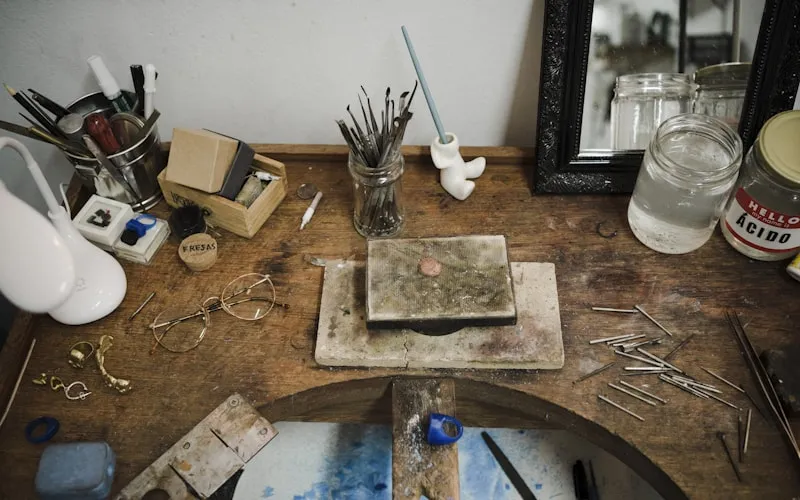
Nail salons have unique design requirements that go beyond general beauty salon considerations. The nature of nail services - long appointment times, close client-technician proximity, chemical products, and highly visual results - demands specific design solutions.
Station design for nail services. A nail station needs a stable, smooth-surfaced table at a comfortable height for both client and technician (approximately 76cm / 30"). The surface must be chemical-resistant and easy to clean between clients. Include a padded arm rest for client comfort, a built-in or attached LED task light with high CRI, and a small integrated ventilation system to manage chemical fumes at the source.
Ventilation is non-negotiable. Nail products - acrylics, gels, acetone, and various chemicals - produce fumes that are both unpleasant and potentially harmful with prolonged exposure. Every nail station should have a downdraft or backdraft ventilation unit that captures fumes at the table level before they enter the room's general air. A salon-wide HVAC system with fresh air intake and proper filtration is also essential. No amount of beautiful design compensates for a salon that smells like a chemical factory.
Color display and selection areas. Nail salons need an organized, visually appealing way to display hundreds of polish and gel colors. Wall-mounted display racks, backlit shelving units, and organized color wheels should be positioned where clients can browse while waiting or making selections. Good lighting on the color display is critical - clients need to see accurate colors to make choices they'll be happy with.
Pedicure area. If your salon offers pedicures, create a distinct pedicure zone with spa-style pedicure chairs, proper plumbing for foot baths, and a more relaxed atmosphere than the general nail area. The pedicure experience should feel spa-like - calmer, more private, and more luxurious. Lower lighting, comfortable seating, and additional privacy (even if just through a visual screen) enhance the experience.
The drying and finishing zone. After nail services, clients need a comfortable place to sit while their nails cure or dry. This waiting time is a prime opportunity for retail browsing, so position the drying area near your retail display. Good lighting here allows clients to admire their nails - and photograph them for social media - in the best possible light.
Design for Instagram. Nail art is one of the most shared categories on social media. Design your nail stations with photogenic backgrounds in mind - a clean, on-brand surface behind the hands, consistent lighting that renders colors accurately, and perhaps a small branded prop or surface that appears in every photo, building brand recognition organically.
Color Palettes & Branding Through Design
Your salon's color palette and visual identity should permeate every design decision, creating a cohesive experience that clients associate with your brand.
Choosing your palette. Select 2-3 primary colors and 1-2 accent colors that reflect your brand personality:
- Soft pink, blush, and gold: Feminine, romantic, luxurious - popular for nail and lash studios targeting a glamorous aesthetic.
- White, black, and metallic: Sleek, modern, high-end - communicates sophistication and clean precision.
- Warm neutrals and natural tones: Earthy, organic, calm - ideal for salons emphasizing natural beauty and sustainable practices.
- Sage green, cream, and brass: Fresh, botanical, refined - increasingly popular for salons that want to feel current without being trendy.
- Bold jewel tones: Dramatic, confident, distinctive - for salons that want to make a strong statement and attract an edgier clientele.
Apply your palette consistently. Once chosen, apply your colors to every visible element: walls, furniture upholstery, reception desk, retail display, uniforms, packaging, social media, and even the cups you serve tea in. This relentless consistency is what creates a professional, branded environment rather than a random collection of nice things.
Natural materials as brand identity. For salons positioning themselves around natural beauty, sustainability, or holistic wellness, natural materials are the brand statement. Rattan furniture, wooden shelving, linen curtains, ceramic accessories, and woven baskets communicate your values more powerfully than any sign or slogan. Every natural material in your salon reinforces the message that you value authenticity and quality over mass production.
Logo and signage integration. Your logo should appear at key touchpoints - the exterior sign, the reception desk, the retail area, and perhaps subtly at each station (on mirrors, on branded products). Avoid over-branding that feels like a franchise; instead, let the design itself communicate the brand while the logo serves as a subtle signature.
Scent branding. Increasingly, salons are using signature scents as part of their brand identity. A consistent, pleasant fragrance (chosen to complement your brand personality) creates powerful memory associations. The moment a client smells that scent again, anywhere, they'll think of your salon.
Retail Display & Product Merchandising
Retail sales can account for 20-40% of a salon's revenue when the display is well-designed. Treat your retail area as a design opportunity, not an afterthought.
Position for maximum visibility. Place retail displays where clients naturally look or pass: near the reception desk, along the exit path, visible from service stations, or in the waiting area. Products that clients can see during their service are particularly effective - the relaxed, pampered state of a salon visit makes people more receptive to aspirational purchases.
Create vignettes, not shelves. Rather than lining products up on a shelf like a pharmacy, create small styled vignettes that show products in context. A haircare product next to a beautiful brush and a small plant. A hand cream beside a ceramic dish and a candle. These vignettes make products feel desirable and giftable rather than clinical.
Use natural materials for fixtures. Wooden shelving, rattan display stands, woven baskets, and ceramic trays elevate the perceived value of the products displayed on them. Natural material fixtures also reinforce an artisan, quality-focused brand identity. Even modest products look more premium when displayed on a handcrafted wooden shelf than on a metal wire rack.
Lighting sells products. Dedicated lighting on retail displays - spotlights, backlit shelving, or LED strip lighting under shelves - draws the eye and makes products look their most appealing. Products in shadow or ambient lighting are invisible; products under their own spotlight become objects of desire.
The "gift table" concept. A curated table near the checkout area with small, gift-worthy items at accessible price points encourages impulse purchases. Display items beautifully in handcrafted accessories and gift-ready packaging. Price points between $15-$45 hit the sweet spot for impulse buys.
Seasonal rotation. Refresh your retail display monthly or seasonally to keep it interesting for regular clients. Move products to different positions, update the vignettes, add seasonal elements. A display that never changes becomes invisible to returning clients.
2026 Salon Design Trends
Salon design continues to evolve rapidly as client expectations rise and social media drives aesthetic standards. Here are the key trends defining exceptional salon interiors in 2026.
Wellness-first environments. The line between salon and spa continues to blur. Clients expect calming, health-conscious spaces - improved air filtration systems, non-toxic materials, biophilic elements like living walls and natural light, and dedicated relaxation zones. Salons that feel clinical are losing ground to those that feel like wellness sanctuaries.
Instagrammable design moments. A dedicated "selfie station" with perfect lighting and a branded backdrop has become standard. In 2026, the best salons go further - creating multiple photogenic vignettes throughout the space: a feature wall with textured natural materials, a beautifully styled retail corner, or a dramatic entrance. Every Instagram share is free advertising.
Sustainable and natural materials. Clients increasingly notice and care about sustainable interiors. Rattan furniture, reclaimed wood, natural stone, and handcrafted ceramics signal environmental awareness while creating warmer, more characterful spaces than plastic or laminate alternatives. Sustainable design is no longer niche - it's expected by premium clients.
Curved forms and soft geometry. Sharp corners and angular furniture are giving way to curved reception desks, rounded mirrors, arched doorways, and organic furniture shapes. This organic modern approach creates softer, more inviting environments that feel less sterile and more comforting.
Technology integration. Contactless check-in, digital menus for services and pricing, integrated charging stations at every seat, and smart lighting that adjusts throughout the day. The key is seamless integration - technology should enhance the experience without being visually intrusive or replacing human connection.
Warm neutral palettes with bold accents. The all-white salon trend has peaked. In 2026, leading salons embrace warm neutrals - taupe, warm grey, cream, terracotta - with strategic pops of saturated color at key touchpoints. This creates a more sophisticated, warmer environment that photographs beautifully while still feeling clean and professional.
The design of your nail or beauty salon is a direct extension of the service you provide. A thoughtfully designed space tells clients they are valued, that quality matters to you, and that their experience goes beyond the service itself. This is true whether your budget is generous or lean - great salon design is ultimately about intention, consistency, and understanding what your clients need to feel.
Start with the client experience: map every moment from entrance to exit and design each touchpoint to delight. Invest strategically in the elements with the highest impact - lighting, client-facing furniture, and the entrance experience. Maintain ruthless consistency in your color palette and material choices. And never forget that the small details - a beautiful lamp, a fresh flower, a handcrafted accent piece - are often what clients remember and share.
Whether you're launching a new salon or refreshing an existing space, the principles in this guide will help you create an environment that attracts clients, commands premium prices, and builds a brand that endures.
Explore our artisan lamps, handcrafted accessories, and rattan furniture to find pieces that bring natural beauty and character to your salon design.
Frequently Asked Questions
Enjoyed this guide?
Share it with someone who'd find it useful