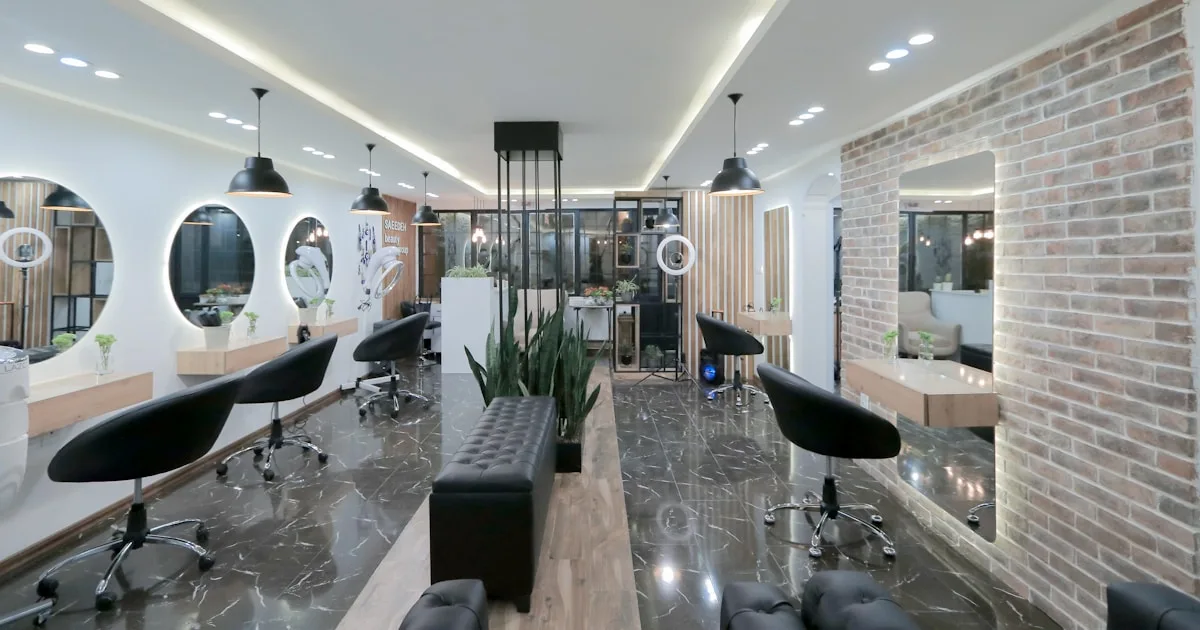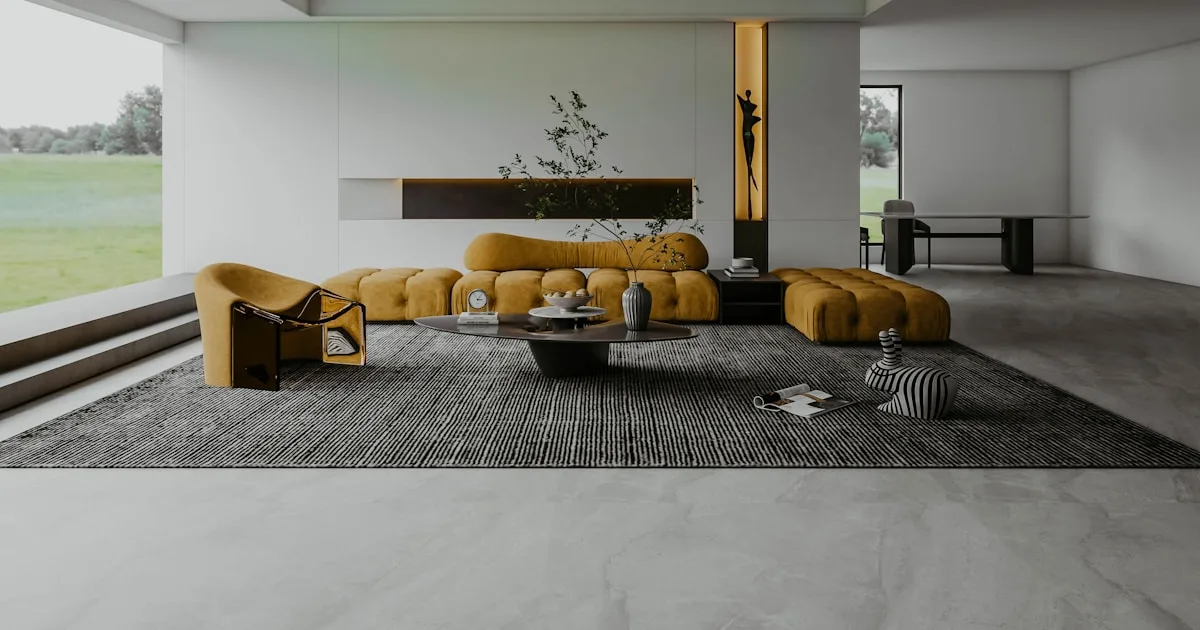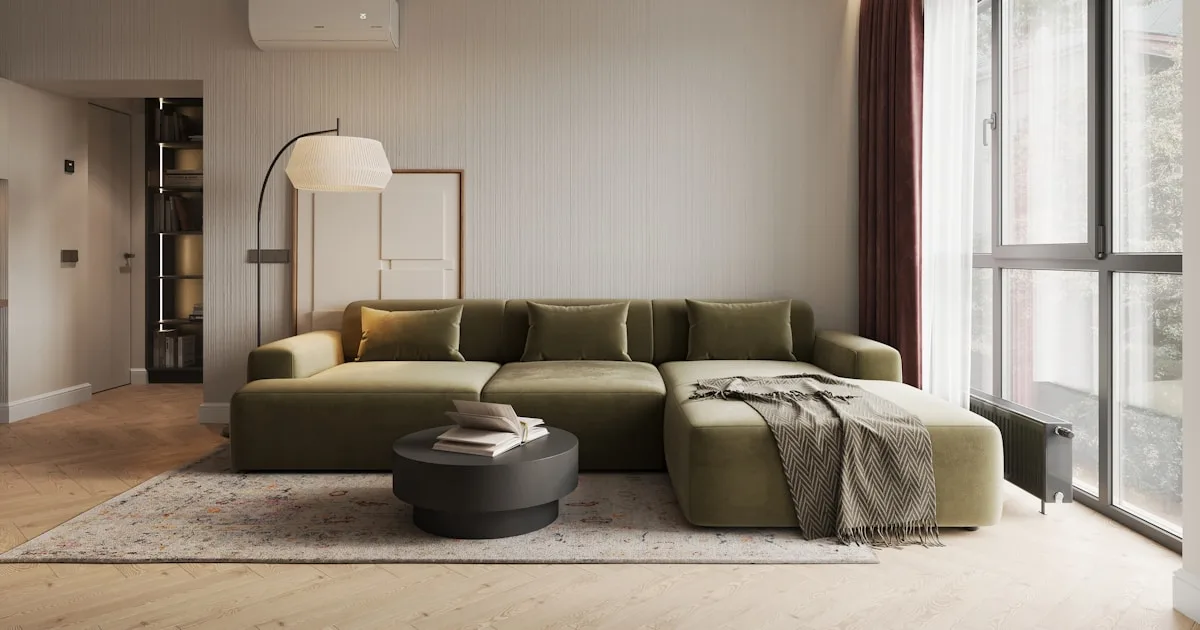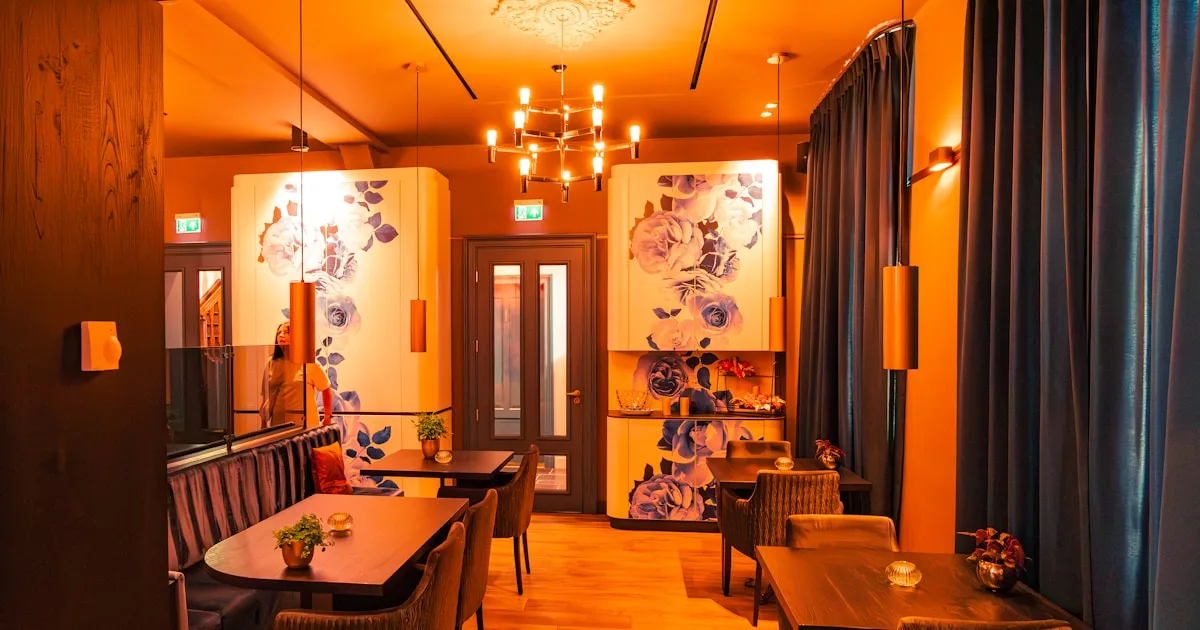
A restaurant's interior design is not decoration - it is a core business strategy. Research consistently shows that 60% of a diner's experience is shaped by the environment rather than the food itself. The atmosphere determines how long guests stay, how much they spend, whether they return, and what they tell others. A great restaurant designer understands this deeply: they're not designing a room, they're designing an experience.
Restaurant interior design sits at the intersection of hospitality, brand identity, functional efficiency, and sensory psychology. Every surface, every light fixture, every chair, every acoustic decision either supports or undermines the dining experience you're trying to create. And unlike residential design, the stakes are commercial - every design decision has a direct impact on revenue.
Whether you're launching a new restaurant, renovating an existing space, or opening a cafe, this guide covers the principles, materials, and strategies that the best restaurant designers use to create dining spaces that people genuinely love being in - and keep coming back to.
Start with Concept, Not Aesthetics
The most common mistake in restaurant interior design is starting with "how it should look" before defining "what it should feel like." Every successful restaurant designer begins with concept - the story the restaurant tells, the emotion it evokes, and the promise it makes to every guest who walks through the door.
Define your narrative. Every great restaurant has a story: a neighborhood Italian joint that feels like Sunday dinner at Nonna's house. A modern Asian fusion spot that transports you to a Tokyo side street. A farm-to-table restaurant that puts you in direct contact with the land. This narrative should drive every design decision - from the door handle to the ceiling treatment.
Identify the primary emotion. What should guests feel when they enter? Excitement and energy (high-end nightlife dining). Warmth and comfort (neighborhood bistro). Calm and sophistication (fine dining). Playfulness and discovery (creative concept restaurant). Once you name this emotion, you have a filter through which to evaluate every design choice: "Does this contribute to the feeling we're creating?"
Understand your guest. Who is your ideal diner? A young professional grabbing lunch? A couple celebrating an anniversary? A family with children? A group of friends sharing plates? The design must serve their needs - from table height and spacing to noise levels and lighting. A romantic date-night restaurant and a casual brunch spot need fundamentally different design solutions, even if both are "beautiful."
Align food and space. The cuisine and the environment must tell the same story. A rustic, hearth-focused restaurant serving slow-cooked, communal dishes should feel warm, earthy, and gathered - think natural wood tables, handcrafted ceramics, candlelight, and textured walls. A contemporary sushi bar should feel precise, clean, and intentional - think minimal surfaces, careful lighting, and restrained detail. When food and space are aligned, each amplifies the other.
The concept brief. Before engaging any designer or making any purchase, write a one-page concept brief that captures: the restaurant's story, the target emotion, the ideal guest, the cuisine philosophy, and 3-5 reference images that capture the feeling (not the look) you're after. This brief is the North Star for every design decision that follows.
Layout & Seating: Where Function Meets Atmosphere
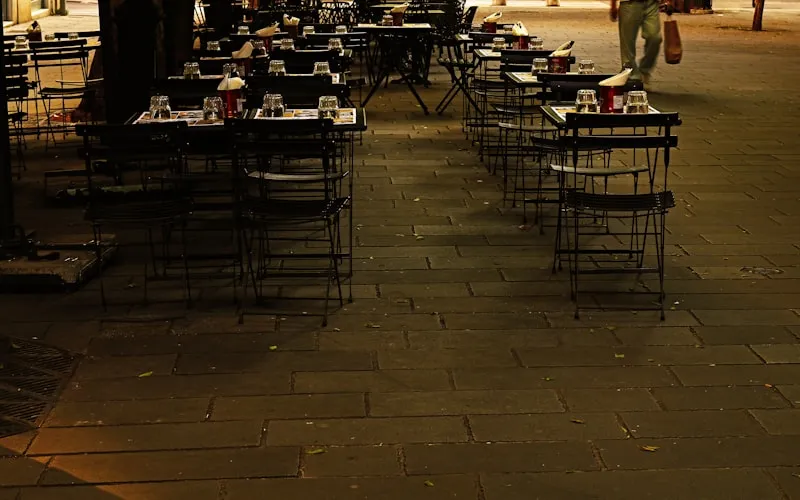
The floor plan of a restaurant is where the restaurant designer earns their fee. Layout determines how many guests you can serve, how they experience the space, how efficiently staff can operate, and how the atmosphere develops throughout the evening. Every square meter must work.
Seating capacity vs. comfort. The temptation to maximize covers is understandable - more seats means more revenue. But overcrowding destroys the guest experience, slows service, and drives down per-guest spending. The sweet spot for most full-service restaurants is 1.5 to 2.0 square meters (16 to 22 square feet) per seat, including circulation space. Fine dining needs more; casual counter service can use less.
Seating variety creates energy. The best restaurant layouts offer a mix of seating types: booths for intimacy, communal tables for social energy, two-tops for couples, four-tops for families, bar seating for solo diners, and perhaps a chef's counter or window perch. This variety accommodates different party sizes and preferences while creating visual rhythm and energy throughout the space.
Bar seating and counter dining. Counter seating - at bars, kitchen-facing counters, and window ledges - is increasingly valuable real estate. Solo diners and couples prefer it for its intimacy and energy. Handcrafted wooden bar stools at a well-designed counter create some of the most sought-after seats in the house. Choose stools with comfortable height (seat at 75cm / 30" for standard bar height), foot rests, and backs for guests who'll sit for a full meal.
Circulation paths. Staff need clear, efficient paths between kitchen, bar, and every table. Guests need comfortable access to their seats, the bar, and restrooms. These paths should not conflict - the server's highway should not cross the guest's path to the bathroom. Minimum aisle width for staff passage is 90cm (3 feet); 120cm (4 feet) is more comfortable and allows two servers to pass.
The entrance experience. A host stand or reception area creates a controlled, welcoming entry point. Avoid layouts where guests enter directly into the dining room without a buffer - this disrupts seated diners and eliminates the "reveal" moment when guests first see the space. A short entry corridor, a turn, or a level change between entrance and dining room creates anticipation and protects the dining atmosphere.
Kitchen visibility. Open and semi-open kitchen concepts have become enormously popular because they create theater, build trust (guests see their food being prepared), and add visual energy to the room. If a full open kitchen isn't feasible, a pass window or chef's counter achieves similar effects. The kitchen becomes part of the design, not hidden behind it.
Furniture Selection for Hospitality
Restaurant furniture must satisfy a unique set of demands: it needs to be beautiful enough to create atmosphere, comfortable enough for a two-hour dinner, durable enough for daily commercial use, and practical enough for efficient service.
Tables. The dining table is the stage on which the food performs. Choose surfaces that complement your food presentation - warm wood tones make rustic cuisine look inviting; cool marble or dark stone elevates fine dining presentations. The table surface should be durable (resistant to heat, moisture, and cleaning chemicals), appropriately sized (60x60cm minimum for two-tops; 75x75cm is more comfortable), and at standard dining height (74-76cm / 29-30").
Chairs and seating. Comfort is directly correlated with how long guests stay and how much they spend. An uncomfortable chair will rush guests out before they order dessert or that second bottle of wine. Choose chairs that support a 90-minute to 2-hour sit: shaped seats, lumbar support, and appropriate cushioning. For casual restaurants, well-designed wood chairs without cushions work if the seat is contoured. For fine dining, upholstered seating is expected.
Barstools. Counter seating demands high-quality stools. The worst stool sins: too hard, too narrow, no footrest, wobbly. Guests who are uncomfortable at the bar leave quickly and don't return. Artisan wooden stools with contoured seats, built-in footrests, and solid construction provide the comfort and visual warmth that make bar seating desirable rather than a last resort.
Banquettes and built-in seating. Upholstered banquettes along walls are the most space-efficient and comfortable seating option for restaurants. They use wall space that would otherwise be dead, provide excellent back support, create intimacy, and can be custom-sized to the room. Banquettes on one side with chairs opposite is the gold-standard configuration - comfortable, space-efficient, and visually dynamic.
Durability specifications. Commercial furniture must meet different standards than residential pieces. Look for commercial-grade construction: solid wood or welded steel frames (not screwed particle board), commercial-grade upholstery fabric rated for 50,000+ rubs (Martindale test), and finishes that resist moisture and cleaning chemicals. A beautiful chair that falls apart after six months of commercial use is an expensive mistake.
The artisan advantage. Despite the durability demands, the best restaurant interiors avoid sterile, mass-produced "contract" furniture. Handcrafted pieces with natural character - a wooden table with visible grain, a hand-woven rattan chair, a ceramic lamp with slight variations - add the warmth and authenticity that make a restaurant feel like a place, not a facility. The key is finding handcrafted quality that also meets commercial durability requirements.
Lighting: The Atmosphere Engine
Ask any experienced restaurant designer what the single most important design element is, and most will say lighting. Light determines mood, affects how food looks, influences how long guests stay, and changes the entire character of the room from hour to hour.
The golden rule of restaurant lighting: lower is better. Most restaurants are over-lit. Bright, even illumination is ideal for a hospital or supermarket - not for dining. Restaurant lighting should create pools of warm light at each table with softer, ambient light in between. This creates intimacy, drama, and the flattering skin tones that make guests look and feel their best.
Table-level lighting. Each table should have its own light source - a candle, a small table lamp, or a pendant light directly above. This focused light illuminates the food (making it look beautiful and appetizing) and the faces of dining companions (creating intimacy) while leaving the surrounding space in relative softness. This is why candlelight remains the gold standard: it provides exactly the right level and quality of light for dining.
Pendant lights create rhythm. A series of pendant lights hung at consistent heights over a bar counter, communal table, or row of two-tops creates visual rhythm and defines the dining zone. Choose pendants with warm-toned shades - woven rattan, fabric, ceramic, or frosted glass - that diffuse light downward onto the table surface while casting a soft upward glow.
Accent lighting for architecture. Use wall washers, picture lights, and cove lighting to highlight architectural features, artwork, or textured walls. This accent lighting adds depth and visual interest to the room while keeping the overall ambient level low. Backlit shelving behind the bar, uplighting on textured stone walls, or a picture light on a striking artwork adds layers of visual richness.
Daylight management. Restaurants that serve lunch face a specific challenge: managing bright daylight that can wash out the interior atmosphere. Window treatments - adjustable blinds, sheer curtains, or exterior awnings - allow you to control daylight entry, maintaining the designed atmosphere even at noon. Position tables to benefit from daylight without being blinded by it.
The transition from day to night. The best restaurant lighting systems transition smoothly from brighter daytime settings to the warmer, lower evening settings. A comprehensive dimming system - controlled by a simple pre-programmed panel - lets you dial in the perfect atmosphere for every service. Program at least three settings: lunch (brightest), early evening (medium), and late evening (warmest, lowest).
Color temperature consistency. Use a consistent warm color temperature (2700K-3000K) throughout the restaurant. Mixing color temperatures - a cool-white kitchen pass with warm dining room fixtures - creates jarring visual discord. Warm light makes food look more appetizing, skin look healthier, and the overall atmosphere more inviting.
Materials & Surfaces in Restaurant Design
Material selection in restaurant design requires balancing three competing demands: aesthetic beauty, commercial durability, and ease of maintenance. The best restaurant designers find materials that satisfy all three.
Flooring. The floor takes more abuse in a restaurant than any other surface - foot traffic, spills, dragged chairs, dropped dishes. Durable options that also look beautiful include: polished concrete (industrial, easy to clean, nearly indestructible), encaustic or porcelain tile (versatile patterns, excellent durability), engineered hardwood (warm and attractive but requires sealing and maintenance), and terrazzo (luxurious, durable, increasingly popular). Use slip-resistant finishes everywhere - a guest slip-and-fall is both dangerous and litigious.
Walls. Wall treatments set the aesthetic tone. Textured plaster creates depth and interest with a timeless, European feel. Exposed brick communicates urban authenticity. Wood paneling adds warmth and acoustic absorption. Tile in strategic locations (behind the bar, near service areas) provides beauty and easy maintenance where spills are likely. Paint remains the most affordable option - choose washable formulations in satin or semi-gloss finish.
Tabletops. The table surface is the most intimate material in the restaurant - guests touch it, look at it closely, and eat off it for the duration of their visit. Natural wood is warm and inviting but requires regular maintenance and is vulnerable to water rings and heat damage. Marble and stone are luxurious but can stain. Quartz engineered stone offers the look of natural stone with superior durability. Ceramic tile surfaces are durable and distinctive. Whatever you choose, ensure it's sealed, easy to clean, and resistant to the rigors of nightly service.
Natural material accents. The details that distinguish a memorable restaurant from a forgettable one are often natural, handcrafted accents: handcrafted ceramic vases with fresh flowers on each table, woven baskets as bread service vessels, wooden serving boards, rattan light fixtures, and stone or ceramic tableware. These tactile, natural elements tell guests that this is a place that cares about quality and authenticity - the same values they expect in the food.
Acoustics are a material choice. Hard surfaces (concrete, tile, glass, exposed brick) reflect sound, amplifying noise. Soft surfaces (upholstery, curtains, acoustic panels, carpet) absorb sound, reducing noise. A loud restaurant can be exciting for a casual spot but disastrous for fine dining conversation. Layer your hard and soft surfaces intentionally: hard floors with upholstered seating, exposed brick with heavy curtains, concrete ceilings with acoustic panels disguised as design features.
Bar & Beverage Area Design
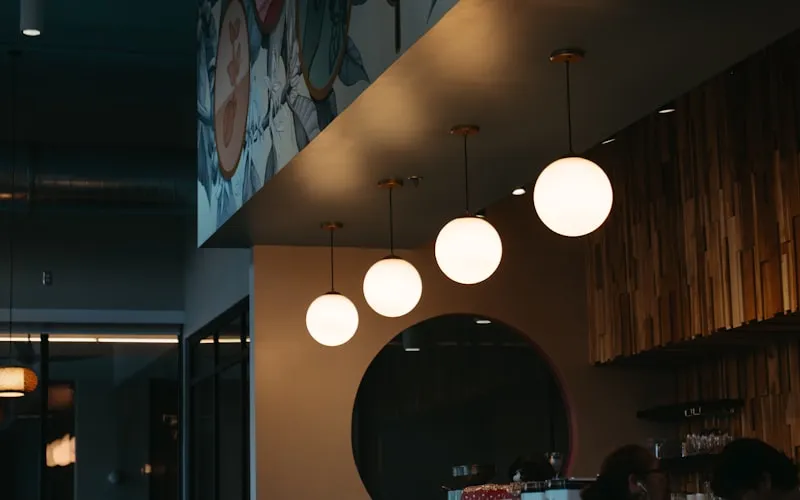
The bar is often the social and visual centerpiece of a restaurant. Whether it serves as a pre-dinner gathering spot, a stand-alone cocktail destination, or a casual dining counter, the bar design deserves special attention.
The bar as theater. A well-designed bar invites guests to watch the bartender work. Display the back bar (bottles, glassware, tools) as a curated visual composition - organized by height, color, and type. Backlit shelving makes bottles glow like jewels. A marble, copper, or rich wood bar top provides a beautiful stage for cocktail preparation.
Bar top materials. The bar counter is a high-touch, high-abuse surface. Popular choices include: solid wood with a waterproof finish (warm, traditional, repairable), polished concrete (industrial, durable, trendy), marble or granite (luxurious, heavy, requires sealing), and copper (dramatic patina over time, antimicrobial, distinctive). Choose a material that aligns with your concept and can handle the daily impact of glasses, bottles, elbows, and cleaning chemicals.
Bar seating. Great bar stools transform the bar from a service point into a destination. Handcrafted wooden stools with comfortable contoured seats, adequate back support, and sturdy footrests make guests want to linger at the bar rather than rushing to a table. Space stools at 60-65cm (24-26 inches) apart, center to center, to give each guest adequate elbow room.
Under-bar and back-bar efficiency. Behind the beautiful facade, the bar must function as an efficient workspace. Speed rails, ice wells, bottle wells, sink access, glassware storage, and refrigeration all need to be within easy reach of the bartender's working position. The most beautifully designed bar in the world fails if the bartender can't make drinks efficiently.
Display and merchandising. The back bar is a powerful merchandising tool. Featured bottles, seasonal ingredients, branded signage, and curated objects tell the story of your beverage program. Use the back bar to communicate what makes your drink offering special - local spirits, craft selections, or a particular cocktail philosophy. Ceramic vessels and natural objects interspersed with bottles add warmth and artistry to the display.
Sustainable Restaurant Design
Sustainability in restaurant design is no longer a niche concern - it's a mainstream expectation, especially among younger diners who choose restaurants partly based on their environmental values. Beyond ethics, sustainable design often reduces operating costs through energy efficiency and material longevity.
Energy-efficient lighting. LED lighting uses up to 80% less energy than incandescent bulbs while offering the same warm color temperatures and dimming capability. Given that restaurants use lighting intensively (12-16 hours per day), the switch to LED pays for itself within months. Choose high-quality LED fixtures with CRI of 90+ for accurate food and skin tone rendering.
Reclaimed and salvaged materials. Reclaimed wood, salvaged brick, repurposed fixtures, and antique furniture carry environmental benefits and add irreplaceable character. A dining table made from reclaimed barn wood, bar shelving from salvaged industrial metal, or light fixtures from repurposed factory equipment - these pieces tell a story that new materials simply cannot match.
Natural, renewable materials. Bamboo, rattan, cork, linen, and sustainably harvested wood are renewable alternatives to plastic, synthetic textiles, and non-renewable materials. Using natural materials throughout the restaurant - from furniture to serving pieces to decor - creates a cohesive sustainable aesthetic that guests can see, touch, and appreciate.
Durable over disposable. The most sustainable choice is always durability. Investing in well-made furniture that lasts 15 years is far more sustainable than cheap furniture replaced every 3 years. This applies to everything: quality table linens over paper placemats, ceramic tableware over disposable, real glassware over plastic. The upfront cost is higher, but the lifetime cost - both financial and environmental - is dramatically lower.
Waste reduction by design. Design your layout to facilitate waste separation and composting. Include clearly marked recycling and compost stations in the back-of-house. Choose materials and packaging that can be recycled or composted at end of life. A restaurant that designs for zero waste from the start will find it far easier to achieve than one that retrofits these practices later.
Tell your sustainability story. If you're making sustainable design choices, let your guests know - not through heavy-handed signage, but through the design itself. A menu note about the reclaimed wood tables, a bathroom sign about your water-saving fixtures, a beautiful display of the local artisans who made your tableware. Guests appreciate transparency, and your sustainable choices become part of the brand story that distinguishes you from competitors.
The Details: Tableware, Flowers & Sensory Design
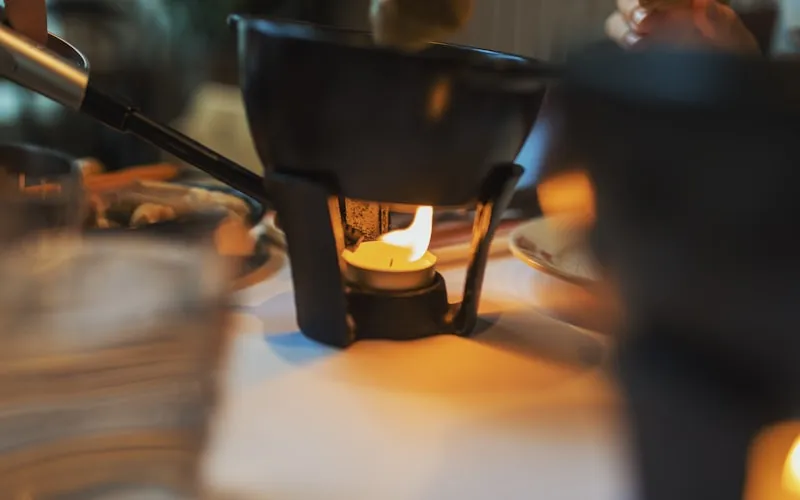
The final layer of restaurant design - the tabletop, the scent, the music, the flowers - is what transforms a well-designed room into an unforgettable experience. These details are the closest things to your guest: they see them, touch them, smell them, and feel them throughout the meal.
Tableware as design. The plates, glasses, and cutlery on each table are the most intimate design elements in the restaurant. Handmade ceramic tableware, artisan glassware, and quality flatware elevate every dish placed upon them. The tableware should complement the cuisine - rustic stoneware for earthy, comfort food; refined porcelain for elegant fine dining; textured handmade ceramics for creative, artisan cooking.
Flowers and greenery. Fresh flowers on the table add life, color, and fragrance in the most personal way possible. Choose seasonal, locally sourced flowers in simple ceramic or glass vases - one or two stems is often more elegant than a full bouquet. Dried arrangements, single herb sprigs in small bud vases, or small potted plants offer longer-lasting alternatives. Indoor trees and large plants in the dining room add structural greenery that benefits the space even between services.
Scent design. The aroma of a restaurant is a powerful, often unconscious design element. Fresh bread baking, herbs, coffee, wood fire - these scents communicate warmth and quality. Design your kitchen ventilation to allow some appetizing cooking aromas into the dining room (not smoke or grease - just the enticing top notes). Avoid competing artificial fragrances in bathrooms or common areas.
Sound and music. Music is the invisible furniture of a restaurant. The right music at the right volume supports the atmosphere without demanding attention. Curate playlists that match your concept and adjust volume to the energy you want - quieter for intimate dinner, building through the evening for a lively atmosphere. Invest in a quality sound system with speakers distributed throughout the space for even coverage without needing excessive volume from any single source.
Restroom design. Guests will visit your restroom at least once during their meal, and the experience matters more than most restaurateurs realize. A beautiful, clean, well-lit restroom with quality fixtures, a real mirror, good soap, and fresh hand towels reinforces the overall dining experience. A neglected restroom undermines everything the dining room worked to build. Treat the restroom as an extension of the brand - it's often where guests decide to take a final Instagram photo.
Seasonal evolution. The best restaurants evolve their design details seasonally - lighter textiles and fresh flowers in spring, richer tones and candlelight in autumn, festive touches in winter. This keeps the experience fresh for regular guests and signals that the restaurant is alive, attentive, and evolving.
2026 Restaurant Design Trends
Restaurant design in 2026 reflects a post-pandemic maturity - lessons from the last few years have been absorbed and refined into enduring design principles rather than reactive measures. Here are the trends shaping the most exciting new restaurants.
Multi-format spaces. Restaurants increasingly blur the lines between dining, retail, and experience. A morning cafe that transforms into an evening wine bar. A restaurant with an attached provisions shop selling pantry items from their kitchen. A dining room that hosts cooking classes on quiet nights. Design must accommodate these multiple uses through flexible furniture, modular layouts, and adaptable lighting.
Natural material dominance. The industrial-chic aesthetic (exposed brick, metal, Edison bulbs) has given way to a warmer, more natural material palette. Solid wood tables, handcrafted stools, stone surfaces, ceramic tableware, linen textiles, and woven rattan accents create spaces that feel grounded and authentic. Guests want to feel connected to nature and craft, not to industrial history.
Acoustic design as priority. Noise has become the number-one complaint in restaurant reviews. In 2026, serious restaurant designers treat acoustic design with the same attention as lighting. Acoustic panels concealed behind decorative surfaces, upholstered seating, heavy textiles, and strategically placed soft furnishings dramatically improve the dining experience. The goal is energetic but not overwhelming - guests should be able to have a conversation without shouting.
Biophilic integration. Living plants, natural light, water features, and natural interior design elements are no longer decorative afterthoughts but core design features. Green walls, potted trees, herb gardens, skylights, and natural stone create environments that reduce stress, improve air quality, and make food look more appetizing under natural light. Biophilic design also photographs beautifully - a significant consideration in the social media age.
Open kitchen evolution. The open kitchen concept has matured beyond a simple pass window. In 2026, the most exciting restaurants treat the kitchen as theater - with carefully designed lighting, acoustic separation that contains noise but not visuals, and counter seating that gives guests front-row seats to the cooking process. The chef's counter has become premium real estate, often the most sought-after booking in the house.
Sustainable storytelling. Guests want to know where their food comes from, and they're starting to ask the same about the design. Restaurants that can tell the story of their materials - locally sourced timber, reclaimed fixtures, artisan-made ceramics, sustainably produced furniture - create deeper connections with environmentally conscious diners. The story behind the design becomes part of the dining experience.
Restaurant interior design is one of the most demanding and rewarding disciplines in design. Unlike a home, where beauty is the primary goal, a restaurant must be beautiful, functional, durable, profitable, and emotionally resonant - all at once. The space must work for guests, staff, and the business, night after night, for years.
The best restaurant designers achieve this not through extravagant spending but through clear concept thinking, smart material choices, masterful lighting, and an obsessive attention to the details that guests actually experience - the table surface, the chair comfort, the light level, the scent in the air, the vase on the table.
Whether you're opening a neighborhood cafe or a destination dining room, start with your story. Let the concept drive every material, furniture, and lighting choice. Invest in the elements guests touch and see most. And never forget that the design serves the food, the hospitality, and the human connection that makes dining out one of life's great pleasures.
Explore our artisan lamps, handcrafted wooden stools, rattan furniture, and ceramic vases for pieces that bring authentic, handcrafted character to your hospitality space.
Frequently Asked Questions
Enjoyed this guide?
Share it with someone who'd find it useful