Natural stone is the oldest interior material in human history - and arguably still the most beautiful. No engineered surface can replicate the depth of real marble's veining, the warmth of travertine's honey tones, the drama of a rough-hewn stone accent wall, or the primal authority of slate underfoot. Stone grounds a space in geological time, connecting our carefully designed interiors to the same materials that have defined architecture since the Parthenon.
Today, stone and marble interior design spans a remarkable range - from the sleek minimalism of a polished white marble kitchen island to the rustic warmth of a stacked stone fireplace surround, from the translucent glow of backlit onyx to the quiet elegance of a honed travertine bathroom. Stone works in contemporary apartments and country houses, in maximalist spaces and minimalist ones, in warm palettes and cool ones.
This guide explores how to use natural stone effectively in interior design - choosing the right stone for each application, combining stone with other materials, creating stone feature walls, and sourcing responsibly.
Why Stone Endures in Interior Design
Stone has never gone out of style because its appeal is fundamental rather than fashionable. Several qualities make natural stone uniquely powerful in interior design.
Every piece is unique. Unlike manufactured materials, no two pieces of natural stone are identical. Marble's veining, travertine's pitting, granite's crystalline structure, and slate's layered texture are geological fingerprints - your marble countertop is the only one exactly like it in the world. This uniqueness brings authenticity that engineered materials attempt but never achieve.
Stone ages beautifully. While most manufactured surfaces degrade, natural stone develops character over time. Marble develops a patina from decades of use. Stone floors become smoother and more luminous under thousands of footsteps. This quality of improving with age aligns perfectly with sustainable design principles - stone doesn't need replacing, only loving.
Thermal mass and wellness. Stone naturally regulates temperature, staying cool in summer and retaining warmth from heating systems in winter. Stone surfaces feel genuinely cool to touch on hot days - a sensation no synthetic material convincingly replicates. This thermal quality connects occupants to the natural environment, contributing to biophilic design principles.
Visual weight and grounding. In an era of lightweight, impermanent materials, stone provides physical and psychological grounding. A stone accent wall or marble surface gives a room gravitational authority - the sense that the space is rooted, substantial, and enduring. This quality explains why stone appears in spaces designed for contemplation, from ancient temples to modern spas.
Material honesty. Stone doesn't pretend to be anything other than what it is. Its color comes from its mineral composition, its texture from geological processes, its surface variation from millions of years of formation. In an age of synthetic surfaces designed to look like something else, real stone's honesty is both refreshing and increasingly valued.
Types of Natural Stone for Interior Design
Not all stone is created equal - each type has distinct visual characteristics, physical properties, and ideal applications.
Marble. The aristocrat of interior stones. Marble's distinctive veining and luminous, slightly translucent surface have made it the material of choice for the world's most celebrated interiors for millennia. Carrara (gray-veined white), Calacatta (dramatic gold-veined white), Nero Marquina (black with white veining), and Verde Guatemala (deep green with white veining) are among the most sought-after varieties. Marble is relatively soft and porous, making it best suited for low-impact surfaces - bathroom vanities, fireplace surrounds, accent walls, and display surfaces. In kitchens, marble requires sealing and careful use, developing character marks that some homeowners love and others prefer to avoid.
Travertine. Warm, honey-toned, and gently textured, travertine is the stone of Roman architecture and modern Mediterranean interiors alike. Its characteristic small holes and pits create a naturally textured surface that feels organic and warm. Available in cream, gold, rust, and walnut tones, travertine suits floors, walls, bathroom surfaces, and decorative objects and accessories. It bridges the gap between the formality of marble and the rusticity of fieldstone.
Slate. Dark, layered, and naturally cleft, slate brings a moody, textural quality to interiors. Its natural surface has a slight roughness that provides excellent grip for flooring and a dramatic texture for accent walls. Slate comes in charcoal, blue-gray, green, rust, and purple tones, often with multiple colors present in a single piece. It's one of the hardest and most durable interior stones, making it excellent for high-traffic floors and wet areas.
Onyx. Translucent and dramatic, onyx is the most theatrical of interior stones. Backlit onyx panels glow with an ethereal luminescence that no other material can produce. Used sparingly - a backlit bar counter, a feature wall panel, a bathroom vanity - onyx creates moments of extraordinary beauty. Its rarity and fragility make it a luxury accent rather than a surface material.
Limestone. Soft, pale, and understated, limestone brings quiet elegance without marble's drama. Its uniform, matte surface works beautifully in bathrooms, living room floors, and fireplace surrounds where a serene, sophisticated material is desired. Limestone's neutrality makes it one of the most versatile interior stones.
Granite. The hardest and most durable of common interior stones, granite's crystalline sparkle and wide color range (from white to black, with greens, reds, and blues available) make it practical for kitchens and high-use surfaces. While granite was overused in generic kitchen renovations for decades, thoughtfully chosen pieces - particularly leathered or honed finishes rather than high-polish - bring genuine character to contemporary spaces.
Stone Accent Walls & Cladding
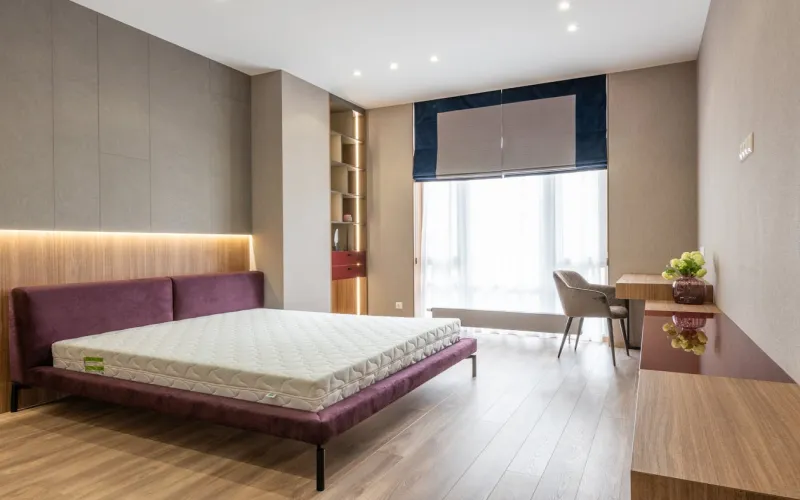
A stone accent wall is one of the most transformative elements in interior design - a single wall treatment that can define an entire room's character.
Types of stone wall treatments:
Stacked stone / ledgestone. Thin strips of natural stone stacked horizontally create a dramatic texture wall with depth and shadow. This is the most popular stone wall treatment, available in a range of stones from slate to quartzite to sandstone. Stacked stone works beautifully behind fireplaces, as living room feature walls, and in entryways. The rougher, more rustic the stone, the more casual and warm the atmosphere; smoother, thinner strips create a more contemporary feel.
Stone veneer cladding. Thin slices of natural stone (typically 10-30mm thick) mounted on backing panels offer the look and feel of solid stone without the weight. Modern stone veneer systems allow stone accent walls in apartments, on stud walls, and in locations where full-depth stone installation would be impractical. Quality stone veneer is still real stone - it just uses less of it.
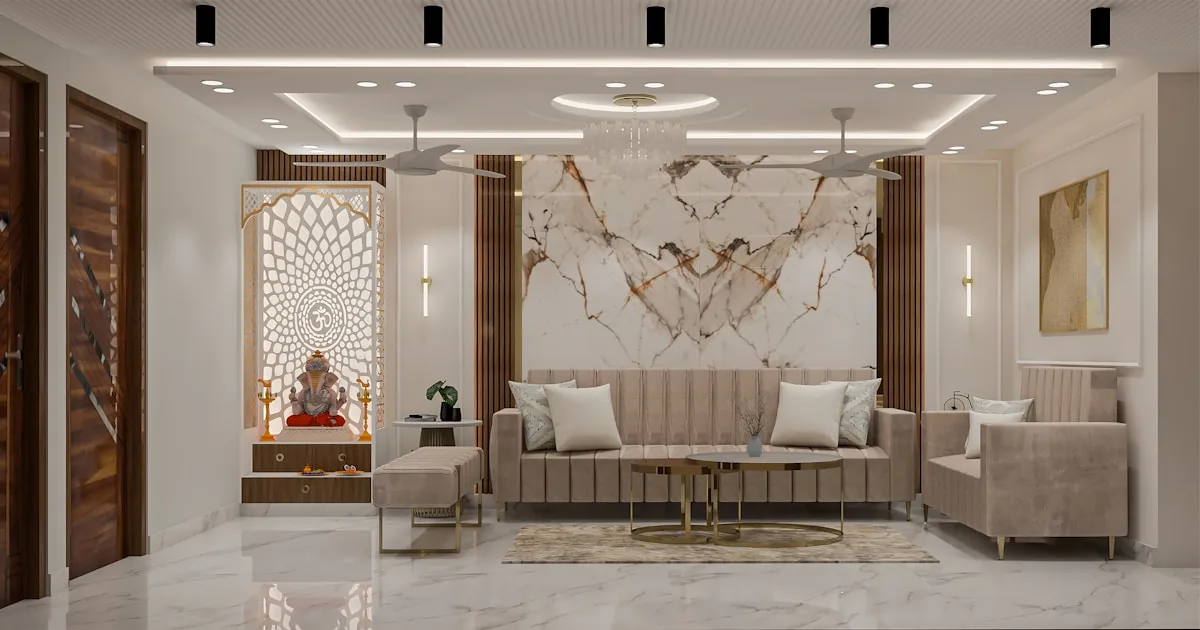
Large-format stone slabs. Full marble or stone slabs applied to walls create a dramatic, seamless surface where the stone's natural veining becomes a large-scale artwork. This technique, most common with book-matched marble (two adjacent slabs opened like a book to create mirror-image veining), creates the kind of statement walls seen in luxury hotels and high-end bathrooms.
Where to create stone accent walls:
- Behind the fireplace - the most natural location, where stone's fire-resistant properties meet its visual drama
- Living room feature wall - a single wall of stacked stone creates a focal point that grounds the entire room
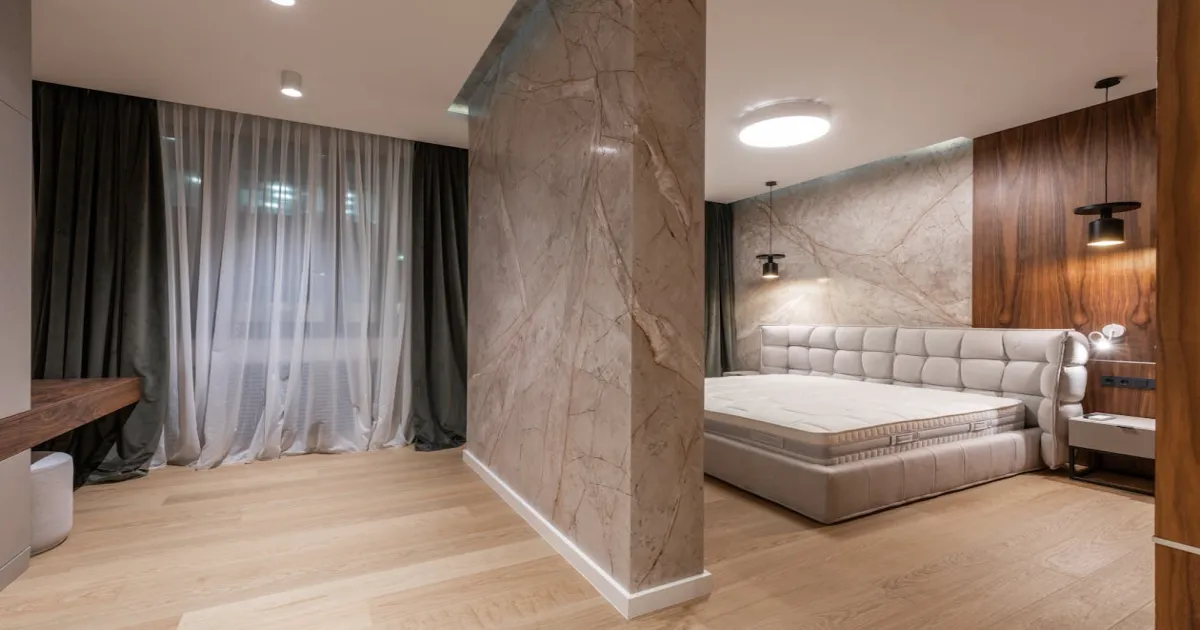
- Bedroom headboard wall - stone behind the bed creates a serene, grounding backdrop for sleep
- Bathroom feature wall - marble or stone slab behind the bathtub or vanity creates spa-like luxury
- Kitchen backsplash - natural stone (especially marble or travertine) creates a timeless kitchen focal point
- Entryway - stone immediately establishes material quality and atmosphere as guests enter
Design consideration: A stone accent wall is most effective when the remaining walls are simple - smooth plaster or paint in a complementary tone. The contrast between the textured stone and the smooth surrounding surfaces is what creates the drama. If every wall is stone, the impact of each is diminished.
Marble Floors & Surfaces
Marble floors and surfaces bring a luminosity and depth that no engineered material can match. Here's how to use marble effectively in different applications.
Marble flooring. A marble floor transforms the entire character of a space - it's why marble has been the flooring of choice for palaces, cathedrals, and grand hotels for centuries. For residential use, consider honed (matte) finishes rather than high-polish for better grip and a more contemporary, understated look. Large-format marble tiles (600x600mm or larger) with minimal grout lines create the most dramatic effect. White marble floors make spaces feel expansive and luminous; dark marble creates sophisticated intimacy.
Kitchen surfaces. Marble kitchen countertops are simultaneously the most desired and most debated application. Marble's porous surface etches from acidic foods (lemon, tomato) and stains from wine and oil. Some homeowners see this patina as part of marble's character; others find it unacceptable. If you want marble's look without the maintenance concerns, use it on low-impact areas (a pastry station, a bar top) and choose more durable stone for the main worksurfaces.
Bathroom surfaces. Bathrooms are marble's ideal territory. Marble vanity tops, shower walls, tub surrounds, and floor tiles create spa-like luxury. Because bathroom use is less abrasive than kitchen use, marble performs beautifully here. Book-matched marble slabs behind the bathtub or across the shower wall create the most dramatic effect.
Decorative surfaces. Console tables, coffee table tops, fireplace mantels, and shelving in marble bring the material's beauty into spaces where full installation isn't practical. Marble and travertine decorative objects - trays, bookends, vases, coasters - introduce the material at an accessible scale and budget.
Combining marble varieties: Mixing different marbles in one space (white Carrara floors with a Nero Marquina fireplace surround, for example) can be stunning when done deliberately. The key is ensuring the marbles share a connecting element - similar veining scale, complementary undertones, or consistent finish (all honed or all polished).
Mixing Stone With Wood & Other Materials
Stone's greatest design potential often emerges when it's combined with contrasting materials. The right pairing amplifies the qualities of both materials.
Stone + wood. This is the most timeless material combination in interior design. The warmth and organic grain of natural wood furniture softens stone's cool authority, while stone grounds wood's lightness. Specific pairings that work beautifully:
- White marble countertops with warm oak cabinetry
- A rough stone accent wall with smooth walnut floating shelves
- Travertine flooring with reclaimed wood dining table and carved wooden stools
- Slate tile with pine ceiling beams
Stone + metal. Metal accents - matte black, brushed brass, or aged bronze - provide definition and contrast against stone surfaces. Iron pendant lights over a marble kitchen island, brass faucets against a stone backsplash, or black metal shelving brackets on a stone wall create architectural detail that celebrates both materials.
Stone + soft textiles. The coolness and hardness of stone need softening - natural textiles provide that balance. A thick wool rug on a stone floor, linen cushions on a stone window seat, velvet curtains framing a marble fireplace surround. Without textiles, stone-heavy interiors feel institutional; with them, they feel luxurious and welcoming.
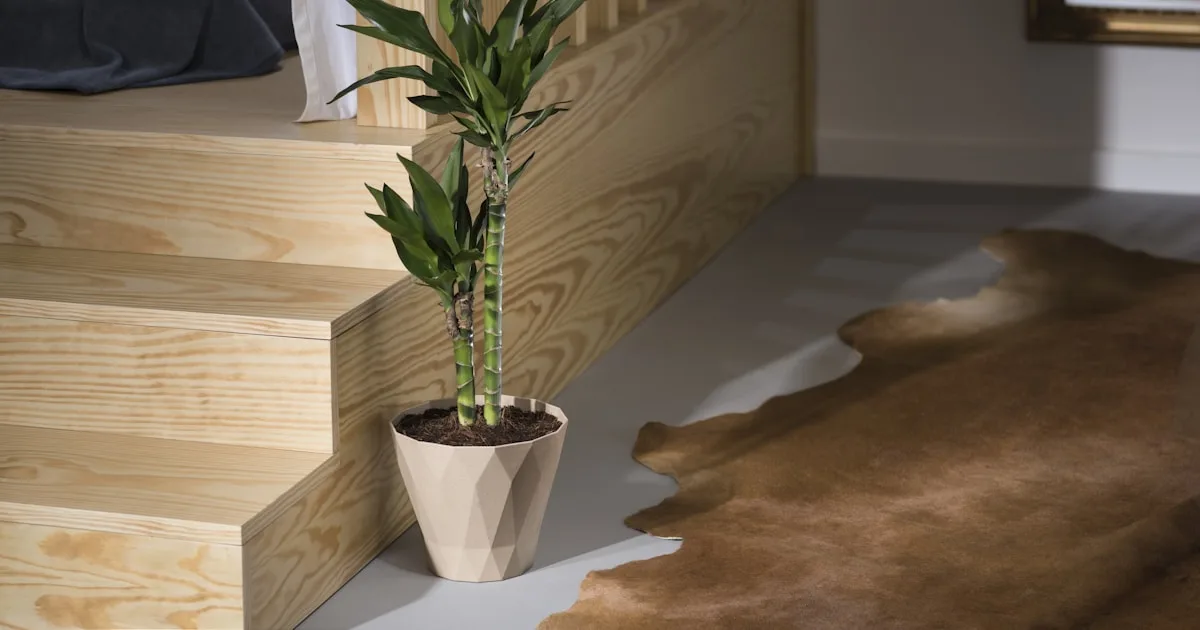
Stone + living green. Plants are stone's natural companion. A trailing plant on a marble shelf, a large potted tree against a stone accent wall, or herbs in terracotta pots on a travertine countertop - greenery provides the life and color that stone's mineral palette needs. This combination also reinforces biophilic design principles by pairing two genuinely natural materials.
Stone + glass and light. Translucent stones like onyx and thin marble panels can be backlit to extraordinary effect. Even opaque stone benefits from thoughtful lighting - directional spotlights that graze a stone accent wall reveal its texture dramatically. Natural candles on stone surfaces create warm, flickering light that highlights the stone's surface variation beautifully.
Sourcing Stone Responsibly
Natural stone is, literally, a finite resource extracted from the earth. Responsible sourcing matters both ethically and practically.
Durability as sustainability. Stone's greatest environmental virtue is its longevity. A marble floor or stone wall installed today will outlast virtually any alternative material - it's the original "buy once" material. When you choose stone, you're choosing a surface that won't need replacing in 10 or 20 years, unlike manufactured alternatives that may end up in landfill.
Source proximity. Where possible, choose stone quarried relatively near your location. This reduces transportation emissions significantly - stone is heavy, and shipping marble from Italy to Australia has a substantially different carbon footprint than using locally quarried stone. Many regions have beautiful native stones that are underused because homeowners default to famous Italian or Spanish varieties.
Reclaimed and salvaged stone. Reclaimed stone - from demolished buildings, renovated spaces, or architectural salvage yards - is the most sustainable option. Antique marble, reclaimed flagstone, and salvaged slate carry the added beauty of genuine age and history. Reclaimed stone floors have a patina and character that new stone takes decades to develop.
Waste reduction. Stone fabrication produces significant waste (offcuts, broken pieces, slurry). Look for fabricators who recycle offcuts into smaller products - marble coasters, trays, and decorative objects are often made from material that would otherwise be discarded. Some suppliers offer "remnant" pieces (leftover from larger projects) at reduced prices - perfect for bathroom vanities, shelving, or accent pieces.
Quarry practices. The best stone suppliers can tell you which quarry their material comes from and describe the quarrying practices. Responsible quarries manage extraction to minimize landscape impact, treat wastewater, and rehabilitate exhausted quarry sites. Ask your supplier about their sourcing - transparency is a good sign.
Engineered stone alternatives. If the environmental or cost impact of natural stone is a concern, engineered stone (made from crushed natural stone bound with resin) offers many visual benefits at lower environmental cost. However, be aware that some engineered stones contain silica dust hazards during fabrication, and they lack the unique geological character that makes natural stone special. Porcelain tiles that mimic stone are another option - environmentally efficient and increasingly realistic, though purists will always detect the difference.
Natural stone in interior design connects us to something older and more permanent than any trend cycle. The marble that veins your countertop formed over millions of years. The slate under your feet was once a seabed. The travertine on your bathroom wall precipitated from ancient hot springs. These geological stories bring a depth and authenticity to our homes that no manufactured material can replicate.
Whether you're creating a dramatic stone accent wall, installing marble floors, or simply introducing travertine and marble decorative objects into your space, stone brings timeless elegance that improves with every year of use. Pair it with warm natural wood furniture, artisan ceramics, and natural candles for interiors that feel grounded, beautiful, and built to endure.
Frequently Asked Questions
Enjoyed this guide?
Share it with someone who'd find it useful