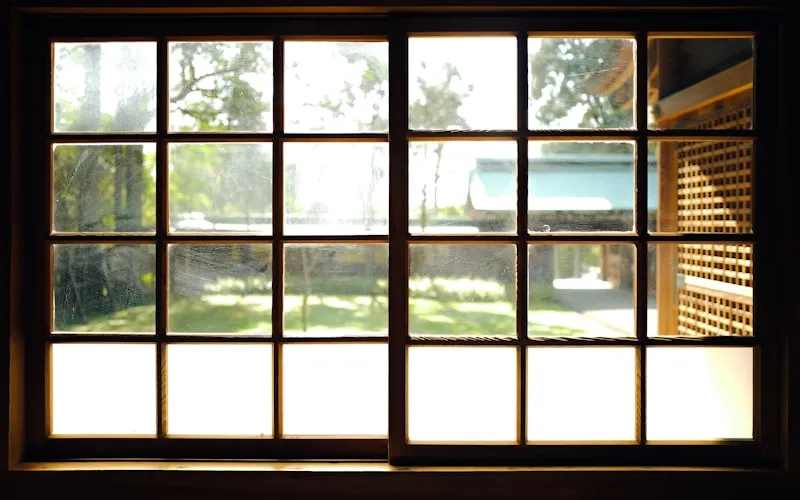
Sheer curtains do the one thing other window coverings cannot: they soften harsh daylight into a warm glow while keeping the view and the daytime privacy. In natural linen, they also bring texture and a relaxed, lived-in drape that a flat polyester panel never manages.
This is a buyer's guide to getting them right. The difference between sheer, light-filtering, and blackout, whether to choose linen or tulle, how to layer sheers with blackout panels for the best of both, and how to hang and wash them. If you also need measuring and length rules, our curtain buying guide covers those. Every panel here is in stock in our natural linen curtains collection.
Sheer, Light-Filtering, or Blackout: Which Do You Need?

Almost every curtain question comes down to how much light you want to let through. There are three levels, and many rooms use two of them together.
- Sheer. Thin, see-through fabric that filters light into a soft glow and gives daytime privacy while keeping the view. At night, with the lights on inside, people can see in, so sheers alone suit rooms that do not need night privacy, or they pair with a second layer. A Linen Sheer panel (39.99 EUR) is the classic choice.
- Light-filtering. A heavier weave that still lets some light through but blocks the view both ways. A stone-washed linen like our Stone Washed Linen Curtains (27.99 EUR) sits here: privacy day and night, with a gentle, glowing light.
- Blackout. A lined or dense panel that blocks nearly all light, for sleep and screens. Our Natural Linen Blackout (49.99 EUR) and Herringbone Blackout (49.99 EUR) keep a linen look on the room side while shutting out light.
Most living rooms want sheer plus blackout, layered. Most bedrooms want blackout, sometimes with a sheer behind it. We cover the layering below.
Linen or Tulle: Which Sheer Fabric?
Both give you a sheer, light-filtering panel, but they look and feel different.
Linen is the natural, textured choice. It has a slightly irregular weave, a soft matte finish, and a heavier, more relaxed drape that reads as considered and calm. It suits a natural, Japandi or organic room, and it hangs with a bit of weight rather than floating. The Japandi Linen Sheer (64.99 EUR) and the customizable Linen Sheer Curtains (64.99 EUR) are the top of the range.
Tulle and voile are lighter, finer, and less textured. They float more, cost less, and give an airy, delicate look. If you want maximum softness or a lower price, a Beige Linen Tulle (24.99 EUR) or plain White Voile Tulle (19.99 EUR) works well, and the Airy White Tulle (29.99 EUR) is made for layering.
Quick rule: choose linen for texture, weight, and a natural look; choose tulle for lightness, float, and a lower price. See the full linen and sheer range to compare.
How to Layer Sheer and Blackout Curtains

Layering is the setup most people actually want, because it solves the sheer-curtain problem: soft light and a view by day, full privacy and darkness by night. You hang two panels on the same window.
The method:
- Use a double curtain rod, or two rods mounted one behind the other. The sheer goes on the inner (window-side) rod, the blackout on the outer, room-side rod.
- By day, pull the blackout aside and leave the sheer closed for soft, private light.
- By night, close the blackout over the sheer for darkness and full privacy.
Pair a Linen Sheer (39.99 EUR) on the inside with a Natural Linen Blackout (49.99 EUR) on the outside and you have a window that works in every light. Keep both panels in the same neutral tone so the layers read as one considered treatment. Hold the outer panel back in the day with a pair of Nordic Hemp Rope Tiebacks (19.99 EUR) for a tidy look.
Choosing Curtains by Room

The right level of light changes room to room. A quick guide:
Living room. Sheer plus blackout is the flexible choice: soft light and a view when you are up, darkness for films at night. If the room does not face the street, a light-filtering linen on its own keeps privacy without a second layer. This is the most common living-room curtain setup.
Bedroom. Blackout is the priority for good sleep, especially in summer. A Herringbone Blackout (49.99 EUR) keeps the room dark while still looking like natural linen. Add a sheer behind it if you want soft light in the morning without opening up to the street.
Kitchen and bathroom. A short sheer or a light-filtering panel gives privacy and light without getting in the way. Linen handles humidity better than heavy lined curtains.
Home office. A sheer cuts screen glare while keeping the room bright, so you are not working in the dark or the sun.
How to Hang and Wash Sheer Curtains
How you hang a curtain matters as much as which one you buy. A few rules make cheap curtains look expensive.
- Hang high and wide. Mount the rod close to the ceiling and extend it well past the window on each side. This makes the window and the whole room look taller and wider, and lets the panels stack off the glass so more light comes in.
- Use enough width. For a full, gathered look, the total panel width should be about two times the width of the window. Skimpy flat panels are the main thing that makes curtains look cheap.
- Let them touch the floor. Sheers look best just kissing the floor or breaking slightly. Hovering above the floor looks unfinished.
- Wash gently. Machine wash sheers cold on a delicate cycle in a mesh bag, and hang them back up while still slightly damp. The weight pulls the wrinkles out as they dry, so you rarely need to iron.
Linen relaxes and softens with each wash, which is part of its appeal. For measuring, mounting, and exact lengths, our curtain buying guide has the full detail, and the wider natural textiles range has cushions and throws to match.
Sheer curtains give a room soft, glowing light and a relaxed, natural feel, and in linen they add texture that lifts the whole window. Pick the light level you need, sheer, light-filtering, or blackout, choose linen for texture or tulle for float, and layer a sheer with a blackout when you want both soft daylight and night privacy.
To start, choose a linen sheer for the daytime layer, add a blackout panel if the room needs it, hang high and wide, and let them reach the floor. Browse the full linen curtains collection to find the tone and weight for your room.
Frequently Asked Questions
Enjoyed this guide?
Share it with someone who'd find it useful