Designing the inside of your home is one of the most rewarding things you'll ever do. Your interior space is where you start your mornings, unwind your evenings, gather with the people you love, and recharge for the world outside. How it looks, feels, and functions shapes your daily life in ways that go far beyond aesthetics.
But inside design can feel overwhelming. Where do you start? How do you choose a style? What furniture actually works? How do you make a room look "put together" without hiring a professional designer?
This guide answers all of that. Whether you're moving into a new home, refreshing a tired space, or starting completely from scratch, we'll walk you through every step - from finding your personal style to choosing furniture, picking colors, arranging rooms, and adding the finishing touches that transform a house into a home. No jargon, no pretension - just practical, honest guidance that works at any budget.
Let's design something beautiful.
Step 1: Find Your Inside Design Style
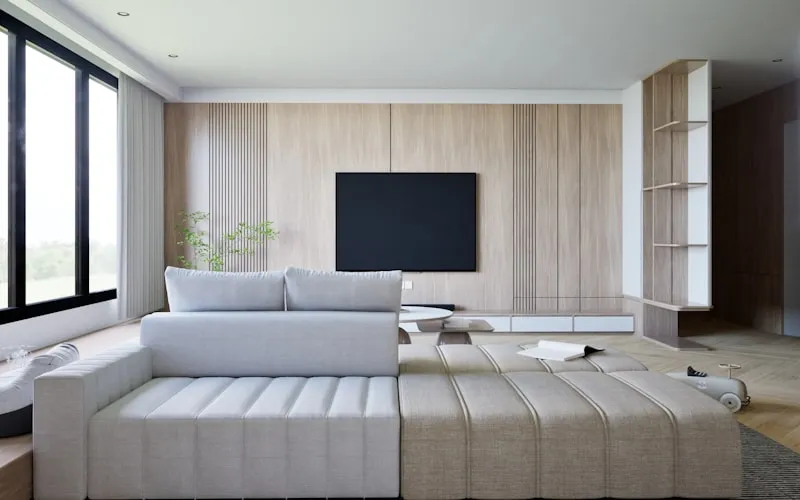
Before buying a single piece of furniture, spend time understanding what you actually love. Your design style is personal - it reflects how you live, what makes you comfortable, and what makes you feel like yourself at home.
The most popular inside design styles:
- Japandi - clean lines, natural materials, intentional simplicity. Perfect if you love calm, uncluttered spaces with warmth. Think light wood, rattan, soft neutrals
- Bohemian - layered textures, eclectic patterns, collected-over-time charm. Great if you love color, travel, and a relaxed, personal atmosphere. Think woven textiles, plants, global accents
- Modern Rustic - raw natural materials meet clean contemporary lines. For people who love nature-inspired spaces with an edge. Think reclaimed wood, handcrafted stools, stone textures
- Modern Classic - timeless elegance with contemporary comfort. If you prefer sophisticated, enduring spaces. Think quality furniture, balanced proportions, refined details
- Warm Contemporary - modern design with warmth, texture, and human touch. The most livable style for most people. Think cozy neutrals, natural materials, layered lighting
- Zen Minimalist - peaceful, mindful spaces with only what you need. For those who find calm in simplicity. Think open space, natural wood, quiet colors
- Organic Modern - contemporary shapes softened by natural texture and curved, handmade forms. Suits people who want modern without coldness. Think sculptural wood, organic modern decor, earthy tones
How to discover your style: Save images of rooms you love (Pinterest, Instagram, magazines). After collecting 30-50 images, look for patterns. What keeps appearing? Natural materials? Light colors? Lots of texture? Clean lines? The themes that repeat are your style DNA. You don't need to pick one label - most people are a blend of two or three styles, and that's what makes a home unique.
Step 2: Plan Your Space Before You Shop
The biggest inside design mistake is shopping without a plan. Walking into a furniture store (or scrolling online) without knowing your room's dimensions, needs, and flow leads to impulse purchases that don't work together.
The essential planning steps:
1. Measure everything. Get the exact dimensions of every room - length, width, ceiling height, window positions, door swings, outlet locations. Draw a simple floor plan (graph paper or a free app like RoomSketcher works perfectly). This is the single most important step. Furniture that's too big or too small for a room is the #1 design fail.
2. Define how each room is used. A living room where you mostly read alone needs different furniture than one where you host weekly dinner parties. A bedroom that doubles as a home office has different requirements than one that's purely for sleep. List the activities that happen in each room before choosing any furniture.
3. Identify your "hero" piece. Every room needs one piece that anchors it - usually the largest or most-used item. In the living room, it's the sofa. In the bedroom, the bed. In the dining room, the table. Choose this piece first, then build everything else around it.
4. Set a realistic budget. Decide how much you're spending per room and allocate it wisely. Invest more in pieces you use daily (sofa, bed, lighting) and save on pieces you can upgrade later (accessories, art, cushions).
5. Create a timeline. You don't have to do everything at once. It's better to live with a room for a while and add pieces gradually than to rush and buy everything in a weekend. The best-designed homes evolve over time.
Step 3: Choose Furniture That Works and Lasts
Furniture is the backbone of inside design. The right pieces make a room functional, comfortable, and beautiful. The wrong ones make it cramped, uncomfortable, or visually chaotic.
Principles for choosing great furniture:
Scale matters most. Furniture should fit the room's proportions. In a small room, choose compact pieces with visible legs that let the floor show through - like rattan chairs or slim wooden stools that feel light and open. In a large room, choose substantial pieces with enough presence to fill the space without looking lost.
Natural materials age better. Solid wood, rattan, leather, linen, and stone develop character over time - they become more beautiful with use. Synthetic materials and veneers deteriorate - they chip, peel, fade, and look worse year after year. Investing in handcrafted rattan furniture or solid wooden pieces means your home gets better with age, not worse.
Comfort is non-negotiable. A beautiful chair you hate sitting in is a failure. Always test seating before buying (or choose brands with strong return policies). Your sofa should support your back, your dining chairs should be comfortable for an hour-long meal, your bed should make you want to fall into it.
Versatility wins in any space. Pieces that serve multiple purposes give you more flexibility:
- Wooden stools → seating, side table, plant stand, nightstand
- Woven baskets → storage, decor, laundry, toy box, plant holder
- Ottomans → coffee table, extra seating, footrest, hidden storage
- Console tables → entryway, behind sofa, workspace, display shelf
Mix materials for visual richness. A room where everything is the same material (all wood, all upholstered, all metal) feels flat and monotonous. The most compelling rooms combine contrasting textures: a rattan armchair beside a linen sofa, a wooden coffee table on a wool rug, ceramic vases on a stone shelf. This layering creates depth and makes a space feel collected and considered.
Step 4: Master Color (Without Overthinking It)
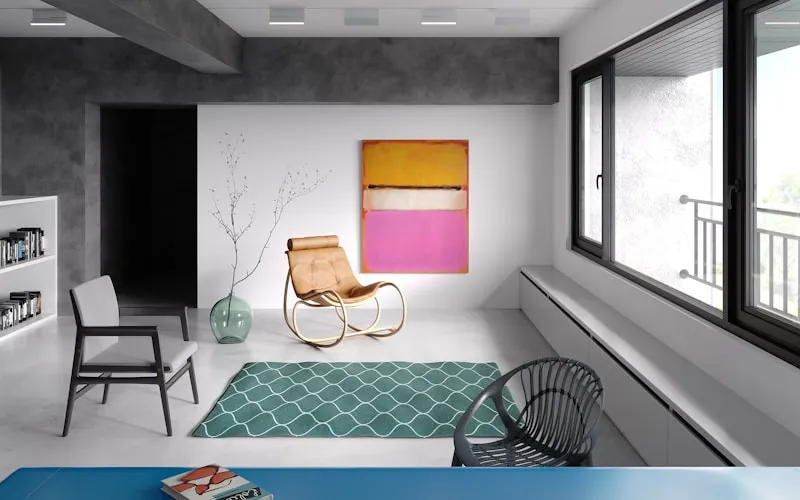
Color is where most people get stuck. The options feel infinite, the stakes feel high, and "color theory" sounds intimidating. But choosing colors for your home is simpler than you think.
The 60-30-10 rule:
This simple formula creates balanced, professional-looking rooms every time:
- 60% - your dominant color. This covers walls, large furniture pieces, and major surfaces. Choose a neutral you love: warm white, soft beige, light gray, or a gentle earth tone. This is your calm foundation
- 30% - your secondary color. This appears in upholstery, curtains, rugs, and smaller furniture. It adds depth without competition: a deeper neutral, a warm wood tone, or a soft accent like sage green or dusty blue
- 10% - your accent color. The pop. This lives in cushions, artwork, vases, accessories, and statement pieces. It's where you inject personality - terracotta, navy, mustard, forest green, or whatever speaks to you
Foolproof inside design color palettes:
- Warm Neutrals - cream walls + warm wood + terracotta accents (cozy and timeless)
- Earthy Modern - soft white walls + natural rattan + sage green accents (fresh and organic)
- Sophisticated Calm - warm gray walls + dark wood + navy accents (elegant and grounding)
- Coastal Light - bright white walls + light wood + soft blue accents (airy and relaxed)
Pro tip: Take cues from the natural materials you love. If you're drawn to honey-toned rattan and natural linen, build your palette around those warm, organic tones. Your color scheme will feel cohesive because it's rooted in real materials rather than abstract swatches.
Step 5: Get the Lighting Right
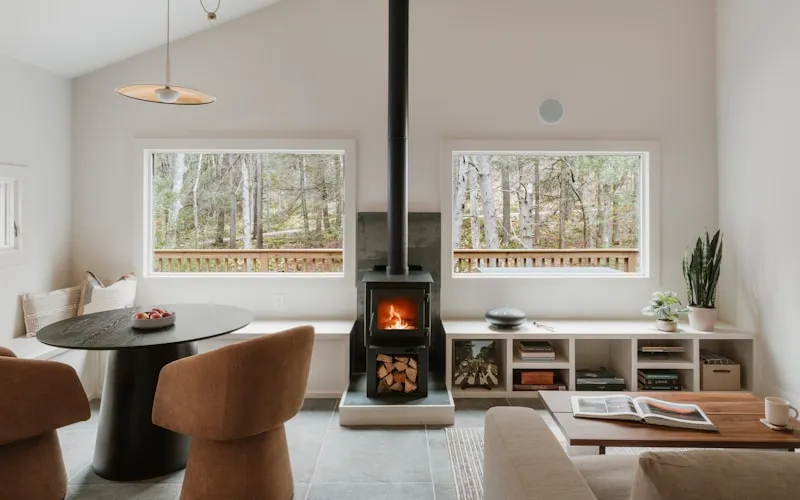
Lighting is the single most underestimated element in inside design. The exact same room can feel warm and inviting or cold and clinical depending entirely on how it's lit. If you only change one thing in your home after reading this guide, change the lighting.
The three layers every room needs:
- Ambient light - the overall illumination. Overhead fixtures, recessed lights, or large pendant lamps on dimmer switches (this is critical - dimmers let you adjust mood throughout the day)
- Task light - focused light where you work, read, or cook. Table lamps beside armchairs, desk lamps, under-cabinet kitchen lights
- Accent/mood light - the magic layer. Candles, decorative lamps, uplights, string lights. This is what makes a room feel alive and inviting in the evening
Lighting rules that transform any room:
- Use warm bulbs (2700-3000K) - cool, bluish light makes a home feel like an office. Warm light makes it feel like a sanctuary
- Light at multiple heights - a floor lamp, a table lamp, and an overhead fixture create depth and dimension that a single ceiling light cannot
- Put one beautiful lamp in every room - a handcrafted statement lamp is one of the highest-impact purchases in inside design. It's functional art that transforms the atmosphere
- Don't rely on one overhead light - the "big light" on the ceiling is the most unflattering, mood-killing light source in any home. Use it as a backup, not your primary light
- Maximize natural light - keep windows clear, use light-colored curtains or sheer linen panels that filter without blocking, and place mirrors opposite windows to double the daylight
Step 6: Inside Design Room by Room
Every room has different needs. Here's how to approach each one.
Living Room - The Heart of Your Home
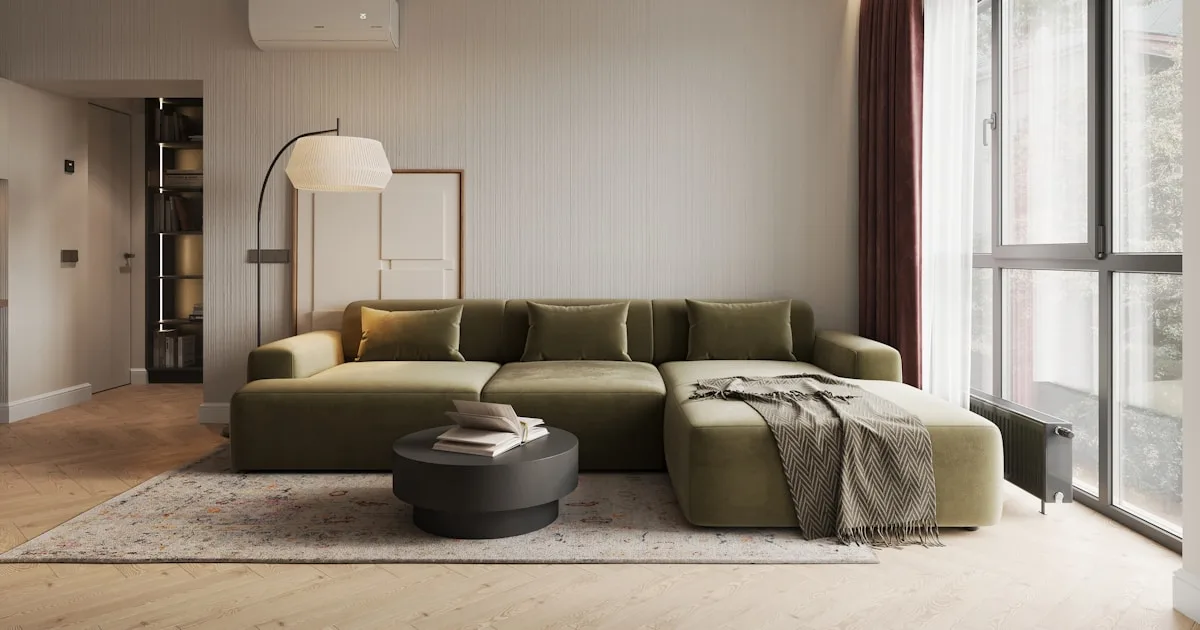
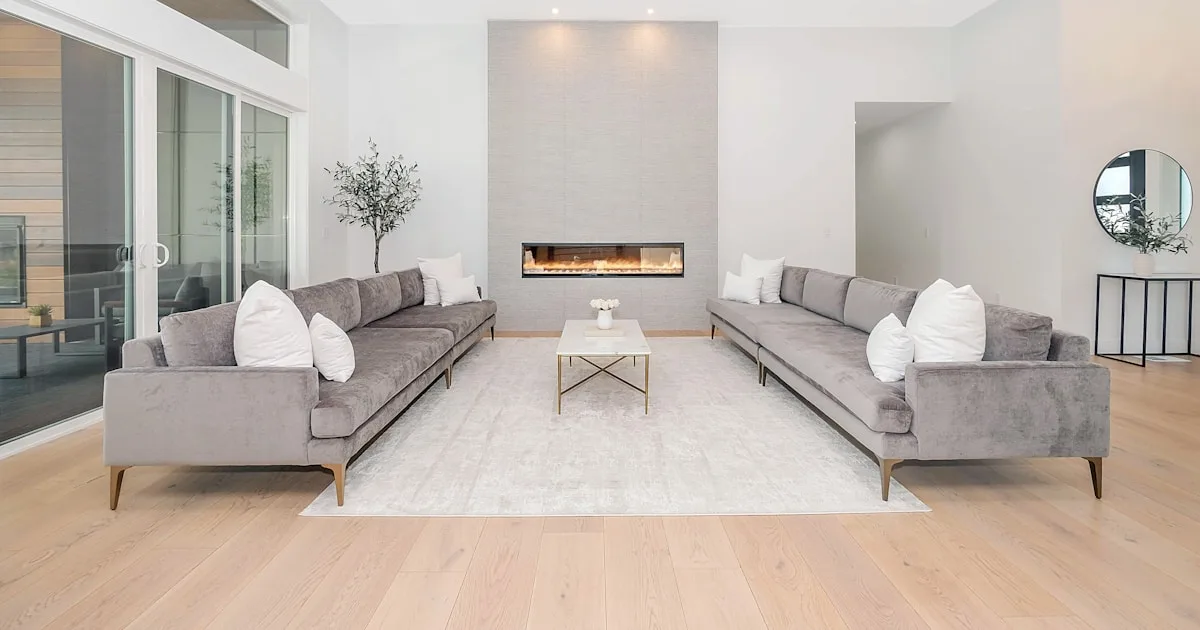
Start with seating: a comfortable sofa is the anchor. Add one or two accent seats - an armchair, a pair of wooden stools, or a rattan chair - for flexibility. Choose a coffee table that fits the scale (round tables work best in smaller rooms). Add a floor lamp and a table lamp for layered light. Finish with textiles (a throw, 2-3 cushions) and a few curated accessories - a vase, a plant, a stack of books. Keep surfaces at least 30% clear.
Bedroom - Your Personal Retreat
The bed dominates, so invest here: a quality mattress, beautiful linen bedding, and a headboard that makes a statement. Flanking nightstands with matching bedside lamps create symmetry and function. A wooden stool at the foot of the bed works for towels, books, or a breakfast tray. Keep electronics minimal and the palette calm - your bedroom should feel like an exhale.
Dining Area - Where Connection Happens
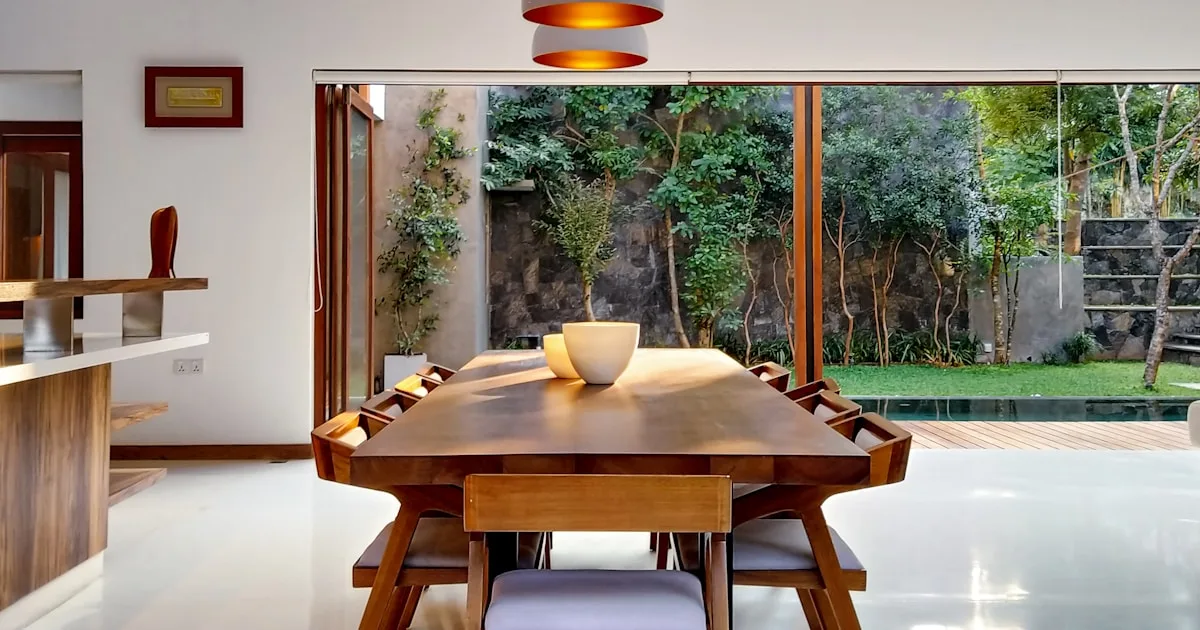
A solid table is everything. Choose the biggest one your space allows - you'll always wish you had more room for guests. Mix seating styles for character: chairs on one side, a bench or stools on the other. A pendant light hung 30-36 inches above the table surface creates intimate atmosphere. Add candles for evening meals. A woven basket nearby holds extra napkins and table linens.
Entryway - The First Impression
Even a small entryway benefits from intention: a hook or rack for coats, a basket or tray for keys, a small shelf or console for visual warmth. A single beautiful object - a vase with dried flowers, a mirror, a piece of art - tells visitors what your home is about the moment they walk in.
Bathroom - Small Space, Big Impact
Upgrade towels to the thickest, softest you can afford. Replace plastic accessories with ceramic or wood - a small wooden stool for towels, a handmade soap dish, a ceramic vase with eucalyptus. Add a plant that thrives in humidity. Declutter everything into closed storage. These small changes make a bathroom feel like a spa.
Step 7: The Power of Natural Materials
If there's one secret that ties together every beautiful home we've ever seen, it's this: natural materials. Wood, rattan, linen, cotton, wool, ceramic, stone, and leather create spaces that feel warm, grounded, and genuinely inviting in a way that synthetic materials simply cannot.
Why natural materials transform inside design:
- They engage your senses - the texture of a rattan weave under your fingers, the warmth of solid wood, the softness of linen against your skin. Natural materials create a sensory richness that plastic and polyester can't approach
- They age beautifully - a wooden stool develops patina and character. Rattan deepens in tone. Linen gets softer. Leather tells the story of years of use. These materials become more beautiful over time, which means your home appreciates rather than depreciates
- They're inherently sustainable - natural materials are renewable, biodegradable, and low-impact. Choosing handwoven baskets over plastic bins, real wood over laminate, and linen over polyester is a design choice that's also an environmental one
- They mix effortlessly - different natural materials always look good together because they share the same organic DNA. A rattan chair, a wooden table, a ceramic vase, and a linen throw - you can combine them without thinking about "matching" because nature already coordinated them. This is the logic behind our organic modern decor, where wood, stone, and rattan are meant to sit side by side
At Pitta.lv, every piece in our collection is made from natural, sustainably sourced materials by skilled artisans. From handcrafted rattan furniture and artisan wooden stools to natural linen textiles and handwoven baskets - these are the building blocks of inside design that looks better every year.
Step 8: Smart Storage That Looks Beautiful
Clutter is the enemy of good inside design. No matter how beautiful your furniture and color palette are, visible mess will undermine the entire effect. The solution isn't hiding everything in closets (out of sight, out of mind leads to chaos) - it's creating attractive, accessible storage that keeps your home tidy while looking intentional.
The best storage solutions for beautiful homes:
- Woven baskets - the MVP of attractive storage. Place one beside the sofa for blankets and remotes, one in the entryway for scarves and hats, one in the bathroom for towels, one in the kids' room for toys. They hide everything messy while adding beautiful texture and natural warmth to every room
- Open shelving (curated) - floating shelves with a mix of books, plants, and objects create visual interest. The key: leave 30-40% of each shelf empty. Overcrowded shelves look like a storage problem, not a design choice
- Closed cabinets for the ugly stuff - electronics, cables, paperwork, cleaning supplies. Anything that can't look good on display should be behind closed doors
- Trays for surface organization - a beautiful tray on a coffee table corrals remotes, candles, and small objects into a composed group instead of a scattered mess. Same principle on dressers, bathroom counters, and entryway tables
- Furniture with hidden storage - ottomans with lift-up tops, beds with drawers, benches with compartments underneath. These give you storage capacity without adding any visual clutter
The daily reset habit: The tidiest homes aren't the ones with the most storage - they're the ones where every item has a designated place. Spend 10 minutes each evening returning things to their "homes." When everything has a place, tidying takes minutes, not hours.
Step 9: Accessories and the Art of Finishing
Accessories are where inside design gets personal. They're the layer that transforms a "decorated" room into your room - the objects that tell your story, reflect your taste, and give a space its soul.
The rule of intentional accessories:
Every visible object in your home should be there because it's beautiful, useful, or meaningful. If it's none of the three, it's clutter. This one principle, applied ruthlessly, is what separates homes that feel curated from ones that feel accumulated.
How to accessorize like a designer:
- Group in odd numbers - three items on a shelf, five objects on a mantel. Odd groupings look more dynamic and natural than even ones
- Vary heights and shapes - a tall vase, a medium candle, a small bowl. The height variation creates visual rhythm that pulls the eye through the space
- Mix textures - smooth ceramic next to rough woven basket next to soft linen. Textural contrast is what makes a vignette feel rich rather than flat
- Include something living - a plant, fresh flowers, or even dried branches. Living elements connect your interior to the natural world and add an irreplaceable vitality
- Leave breathing room - the space between objects is as important as the objects themselves. Don't fill every surface. The empty space around a beautiful ceramic vase is what lets you actually see and appreciate it
High-impact accessories that work in any room:
- A handcrafted vase - with or without flowers, it's a sculptural object that adds artisan character
- A linen or cotton throw - draped over a sofa arm or folded at the foot of a bed, it adds warmth and invitation
- Woven baskets - storage that doubles as texture and warmth. They work in literally every room
- A statement lamp - functional art that transforms atmosphere
- Candles - the warmest, most flattering light source. Group them on trays for impact
- Books - stacked on coffee tables or displayed on shelves, they add color, personality, and conversation
Step 10: The 10 Most Common Inside Design Mistakes (and How to Fix Them)
Even experienced designers make these mistakes. Avoiding them will put you ahead of 90% of homeowners.
1. Buying everything from one store. Your home shouldn't look like a showroom set. Mix sources - a sofa from one place, a rattan chair from Pitta.lv, a vintage coffee table from a flea market, a lamp you found on a trip. Collected over time beats purchased all at once.
2. Pushing all furniture against walls. Pulling furniture even 3-6 inches away from walls creates depth and flow. A "floating" sofa defines a seating area more effectively than one shoved against the wall.
3. Only overhead lighting. The single ceiling fixture is the most common lighting crime. Add table and floor lamps, candles, and accent lights. Layer, layer, layer.
4. Ignoring scale. A tiny coffee table in front of a massive sofa looks wrong. A huge rug in a small room eats the space. Always measure, always consider proportion.
5. Too many small things. Fifteen small picture frames, eight tiny candles, ten miniature decorations - these create visual noise. Fewer, larger objects always look more intentional.
6. Matching everything perfectly. A room where everything matches (same wood, same color, same style) is boring. Mix materials, mix eras, mix textures. Contrast creates interest.
7. Forgetting texture. A room with all smooth, flat surfaces feels lifeless. Add woven baskets, textured throws, raw wood, handmade ceramics. Texture is what makes a room feel warm and human.
8. Hanging art too high. The center of artwork should be at eye level (57-60 inches from the floor). Most people hang art way too high, creating a disconnect between the furniture and the walls.
9. Choosing trends over timelessness. That ultra-trendy color or pattern will date your room in 2-3 years. Choose classic foundations (walls, furniture, flooring) and add trend through easily swappable items (cushions, accessories, paint).
10. Not editing. The hardest but most important design skill: knowing when to stop. Removing one thing from a finished room almost always makes it better. Less truly is more.
Step 11: Design Sustainably (It's Easier Than You Think)
Sustainable inside design isn't about sacrifice - it's about making smarter choices that are better for your home and the planet. And the good news? The most sustainable choice is almost always the most beautiful one.
How to design sustainably:
- Buy less, buy better. One handcrafted rattan chair that lasts 20 years is more sustainable (and more beautiful) than five cheap chairs that each last 3 years. Quality is the most powerful form of sustainability
- Choose natural materials. Solid wood, rattan, linen, cotton, wool, ceramic, and stone are all renewable, biodegradable, and beautiful. Plastic, polyester, MDF, and synthetic fabrics are not
- Support artisan makers. Handwoven baskets, hand-thrown ceramics, and handcrafted furniture support traditional skills and local economies. Mass-produced furniture from factories halfway around the world supports neither
- Think second-hand first. Vintage and antique furniture is already made - no new resources needed. It also has more character and story than anything new
- Repair, don't replace. A wobbly chair needs a tightened joint, not a trip to the landfill. Quality furniture is designed to be repaired and maintained, not discarded
At Pitta.lv, sustainability isn't an afterthought - it's our foundation. Every piece we offer is handcrafted from natural, sustainably sourced materials by skilled artisans who are paid fairly for their work. When you choose our furniture and accessories, you're choosing design that's good for your home and good for the world.
Where to Start Right Now
If you've read this far and feel inspired but overwhelmed, here's the simplest possible starting point. Pick one room and do these five things:
- Clear the clutter. Remove everything that isn't beautiful, useful, or meaningful. Box it up and store it for a month. If you don't miss it, donate it. This alone will transform your room.
- Fix the lighting. Add one warm-toned lamp and stop using the overhead light as your primary source. Use candles in the evening. Immediate transformation.
- Add one natural material. A linen throw over your sofa, a woven basket beside your chair, a wooden stool as a side table. One piece of natural beauty changes the character of an entire room.
- Create one curated vignette. On your coffee table or a shelf: three objects of different heights and textures. A vase, a candle, a small plant. That's it. Instant design.
- Sit in your room and really look at it. What do you love? What bothers you? What would make the biggest difference? Trust your instincts - you know your home better than any designer.
Inside design is a journey, not a destination. Your home will evolve as you evolve, and that's exactly how it should be. Start where you are, use what you have, and add beauty gradually. The home that grows with you is the one that truly feels like yours.
Great inside design isn't about following rules or copying magazines. It's about creating a space that works for your life, reflects who you are, and feels genuinely good to spend time in.
The building blocks are simple: choose a style that resonates with you. Plan before you shop. Invest in quality furniture made from natural materials that age beautifully. Get the lighting right. Add textiles for warmth, baskets for beautiful storage, and a few meaningful accessories for personality. Then edit ruthlessly - the spaces you leave empty are as important as the ones you fill.
Start with one room. Start with one change. The perfect is the enemy of the good, and a home that's 80% done with love and intention will always feel better than one that's 100% done by a formula. Make it yours, make it natural, make it a place you're genuinely happy to come home to.
Frequently Asked Questions
Enjoyed this guide?
Share it with someone who'd find it useful